Media and Terrorism in France


A special issue of Media, War and Conflict has just appeared, guest-edited by Katharina Niemeyer and Staffan Ericson, devoted to media and terrorism in France:

Katharina Niemeyer and Staffan Ericson From live-tweets to archives of the future: Mixed media temporalities and the recent French terrorist attacks

Julien Fragnon ‘We are at war’: Continuity and rupture in French anti-terrorist discourse

Gérôme Truc, Romain Badouard, Lucien Castex and Francesca Musiani Paris and Nice terrorist attacks: Exploring Twitter and web archives

Maëlle Bazin From tweets to graffiti: ‘I am Charlie’ as a ‘writing event’

Katharina Niemeyer The front page as a time freezer: An analysis of the international newspaper coverage after the Charlie Hebdo attacks

Johanna Sumiala, Minttu Tikka and Katja Valaskivi Charlie Hebdo, 2015: ‘Liveness’ and acceleration of conflict in a hybrid media event

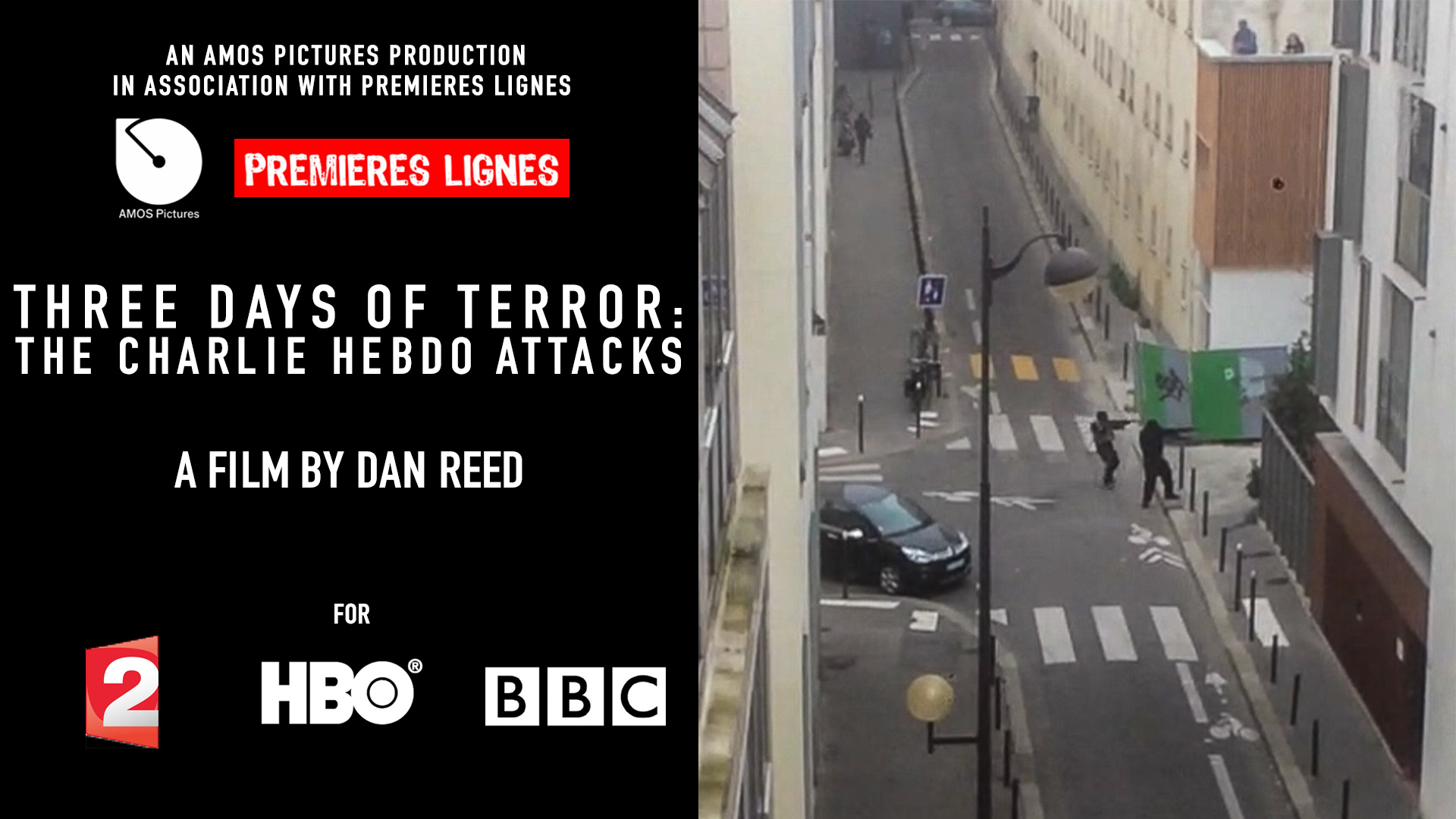
You can find more on Dan Reed‘s documentary – the still that heads this post – here.  And you can find my commentaries on Paris (January 2015) here, Paris (and Beirut: November 2015) here and Nice (July 2016) here.

More-than-human casualties

Apologies for the long silence – I’ve made several trips to the UK to deliver lectures, but I’ve also been (almost literally) in the trenches.  My supposed-to-be 8,000 word essay on ‘Woundscapes of the Western Front’ has morphed into a monster: 35,000 words and I’m still not done….  More on that eventually (I so hope…).  But en route, and in part as a response to a question I was asked after one of my presentations, I want to elaborate on a footnote.

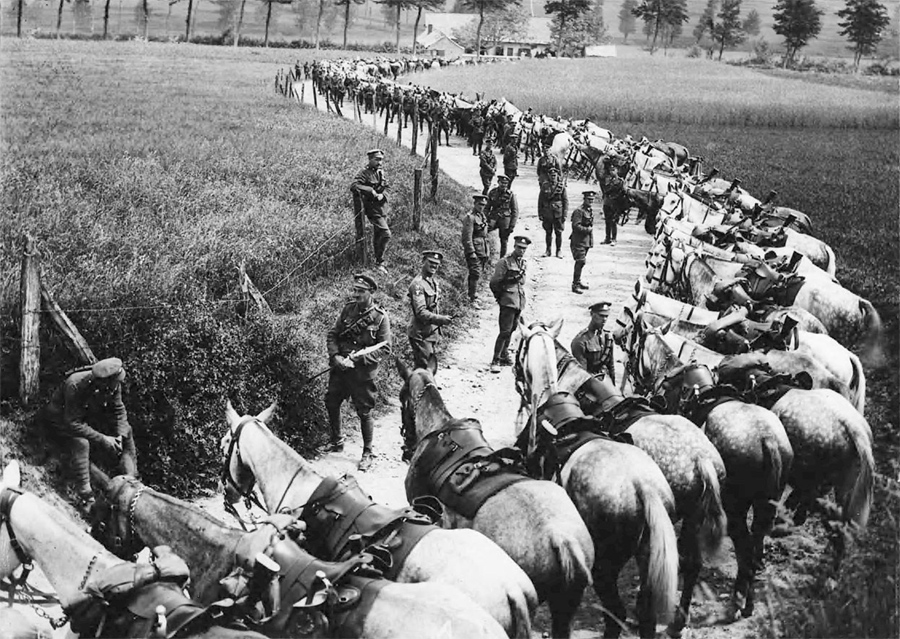
My essay is about the evacuation of wounded soldiers, but human bodies were not the only ones requiring medical attention on the Western Front. By August 1917 the British Army had 368,000 horses and 82,000 mules in Belgium and France.  At the outbreak of the war the cavalry were expected to play their traditional role –

[Image: National Library of Scotland]

– but by the end of the war most horses were pulling gun limbers, ammunition trains, supply waggons and ambulances [more here].
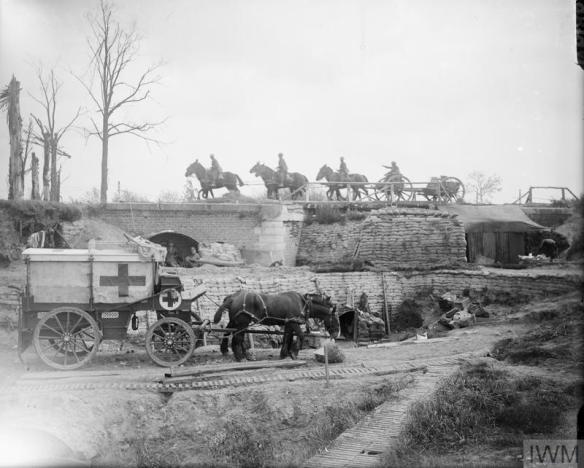
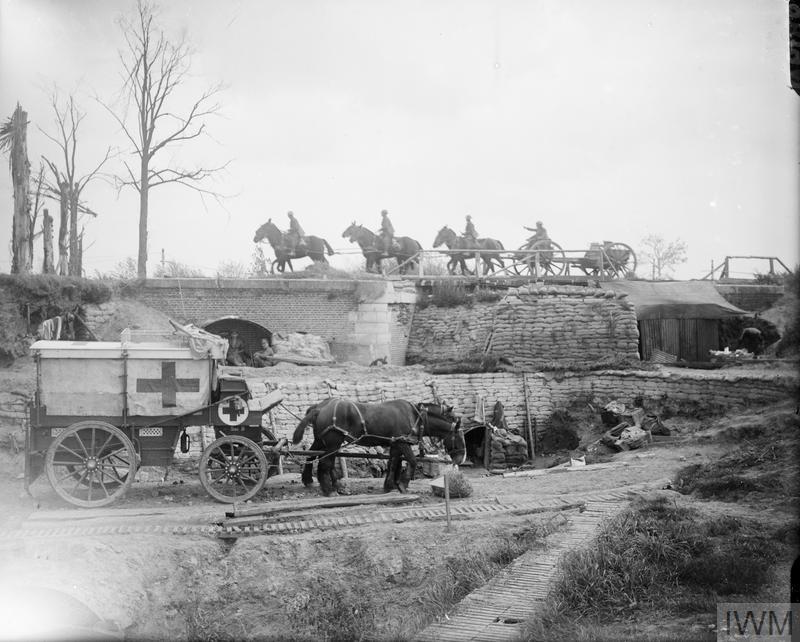
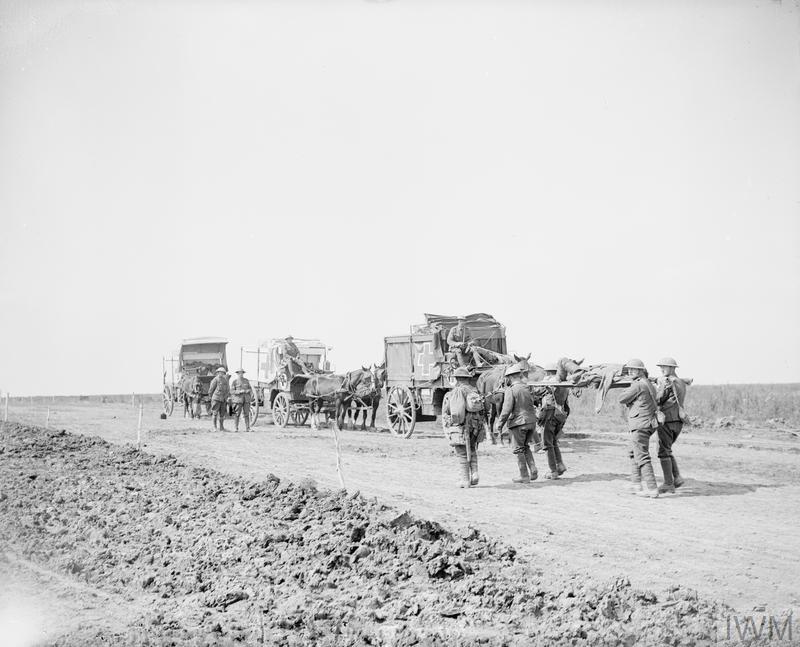
Horse-drawn ambulances were never made obsolete by motor ambulance convoys.  Their capacity was limited and they were very slow – ‘hopelessly immobile’, according to one senior RAMC officer – but they remained the only option in some places. On the Somme in July 1916 the ground was so pitted with shell-holes that motor ambulances could not be used close to the line and horse ambulances worked for 24 hours or more at a stretch, ferrying casualties to motor ambulance convoys waiting further back:

Not surprisingly, horses (and mules) were highly vulnerable to shelling and shrapnel, to gas attacks and, wherever environmental conditions deteriorated, to injuries from traversing near-impossible terrain:

There is a haunting scene in Erich Maria Remarque‘s  All quiet on the Western Front:

‘The cries continued. It is not men, they could not cry so terribly.
“Wounded horses,” says Kat.
It’s unendurable. It is the moaning of the world, it is the martyred creation, wild with anguish, filled with terror, and groaning….

They’ve got to get the wounded men out first,’ says Kat. We stand up and try to see where they are. If we can actually see the animals, it will be easier to cope with. Meyer has some field glasses with him. We can make some bigger things, black mounds that are moving. Those are the wounded horses. But not all of them. Some gallop off a little way, collapse, and then run on again. The belly of one of the horses has been ripped open and its guts are trailing out. It gets its feet caught up in them and falls, but it gets to its feet again. Detering raises his ri e and takes aim. Kat knocks the barrel upwards. ‘Are you crazy?’ Detering shudders and throws his gun on the ground. We sit down and press our hands over our ears. But the terrible crying and groaning and howling still gets through, it penetrates everything. We can all stand a lot, but this brings us out in a cold sweat. You want to get up and run away, anywhere just so as not to hear that screaming any more. And it isn’t men, just horses.

Yet far more equine losses were attributed to disease than enemy action, in contrast to troop losses (the First World War was the first in which deaths from wounds exceeded deaths from disease by a ratio of 2:1). One driver had a simple explanation. ‘Owing to the importance of the horses, whose lives were of greater value than those of the men, the horse-lines were usually in places free, or practically free from “strafing”’: Charles Bassett, Horses were more valuable than men (London: PublishNation, 2014) p. 65.

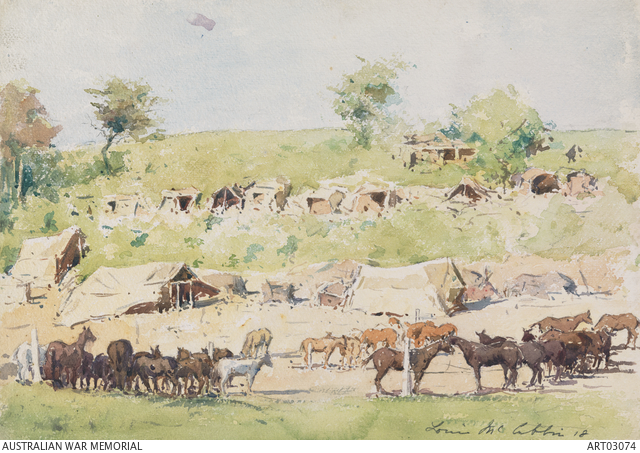
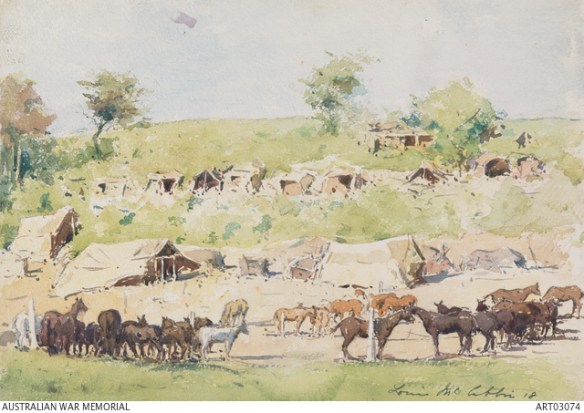
The horse-lines were indeed in the rear (see the remarkably pastoral image below: Glisy, on the Somme), but the nature of their work ensured that horses and mules had to be taken right up to the fire zone; between 1914 and 1916 battle losses accounted for 25 per cent of equine deaths, and they soared thereafter.
Last year Philip Hoare described these animals as ‘the truly forgotten dead.’ He continued: ‘Sixteen million animals “served” in the first world war – and the RSPCA estimates that 484,143 horses, mules, camels and bullocks were killed in British service between 1914 and 1918.

Yet, just as with human bodies, the toll of the equine dead overlooks that of the wounded.  In response to the military importance of horses and mules, the (Royal) Army Veterinary Corps [the ‘Royal’ prefix was granted immediately after the war] established a system of veterinary medicine parallel to the casualty evacuation system of the Royal Army Medical Corps.

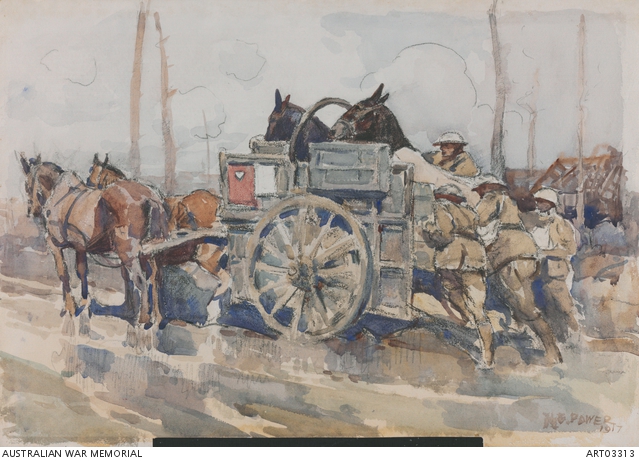
The equivalent of the Field Ambulance was the Mobile Veterinary Section; animals needing more extensive emergency care were transferred to Veterinary Evacuation Stations (the equivalent of the Casualty Clearing Station) located at railheads.  They were moved either by horse-drawn ambulance –

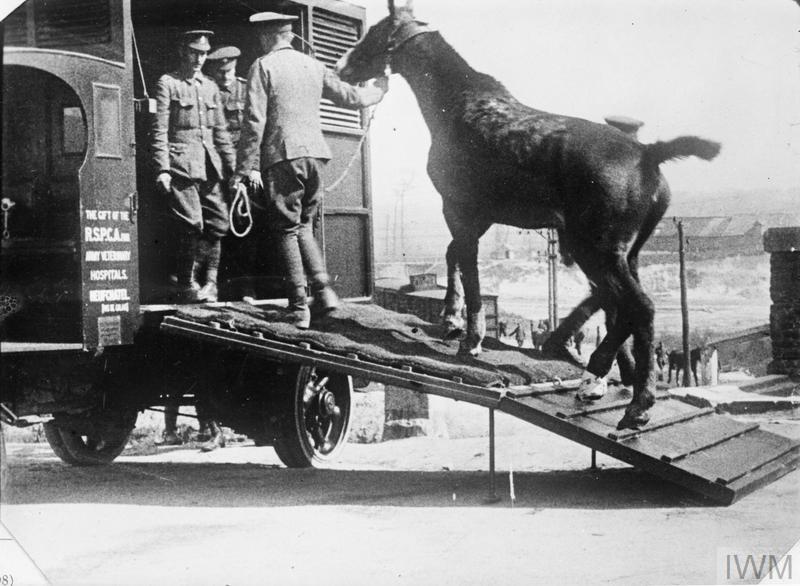
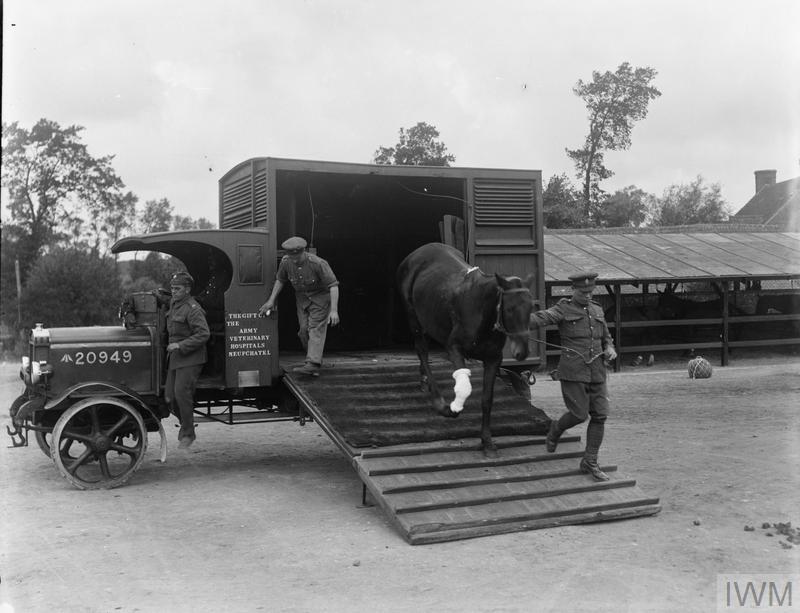
– or by special motor ambulances designed to carry two horses each (there were 26 of them, donated by the RSPCA and subscribed from public donations):
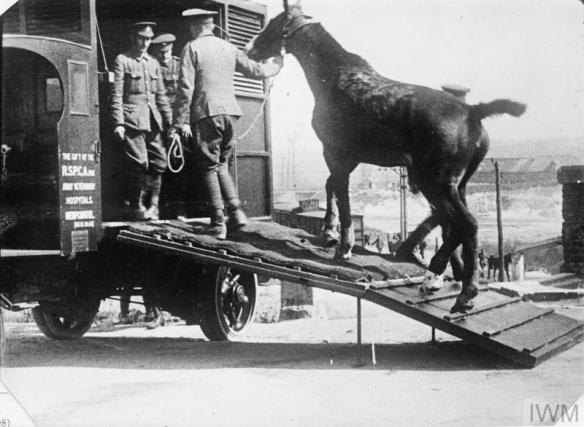
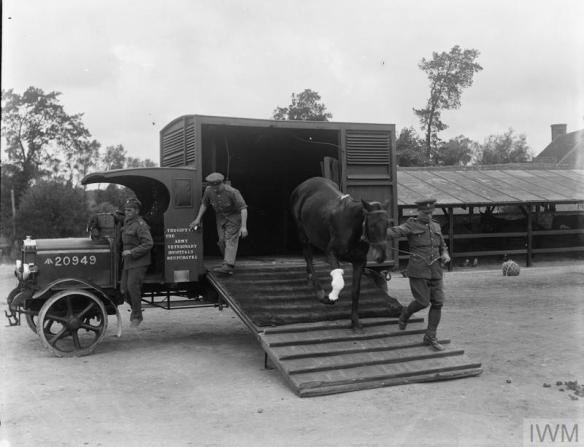
Like wounded soldiers, horses needing further medical or surgical attention were transported by barge (mainly in Flanders: each barge could carry 32 animals)  –
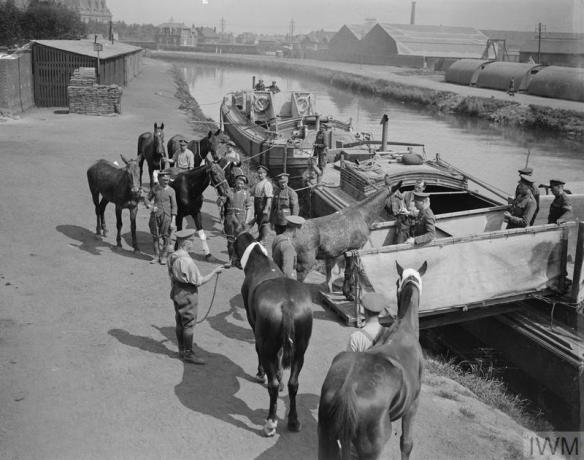
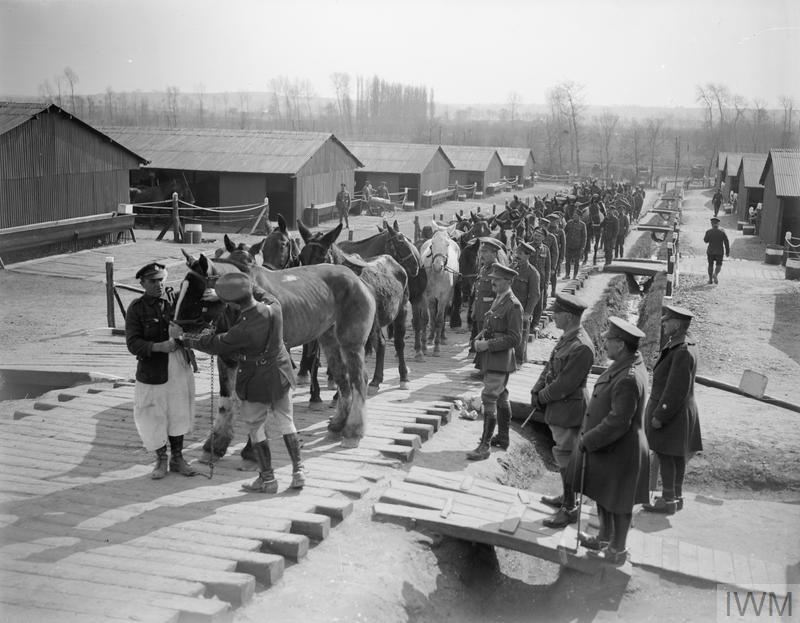
– or by rail to Veterinary Hospitals at the base on the French coast.

In the first months of the war cattle trucks on supply trains returning empty to the base were used (here too the parallels with the evacuation of wounded soldiers are exact!) but once the Veterinary Evacuating Stations had been established special horse trains were introduced.  These had to be more or less self-sufficient: supplies of water were especially vital.  Major-General  Sir John Moore emphasised: ‘In transporting sick and enfeebled animals, particularly by train, which during hot seasons of the year is very exhausting, the greatest care must be exercised in watering and feeding en route.’  The need was compounded by the slow and often circuitous journeys made by trains that – like the ambulance trains carrying wounded soldiers – always had to yield to troop trains and supply trains rushing up to the front.

Between 18 August 1914 and 23 January 1919 over half a million sick and wounded animals passed through the British Army’s Mobile Veterinary Sections and Veterinary Evacuating Stations in Flanders and France.  On average a special train carrying 100 sick or injured horses would arrive twice a day at each Veterinary Hospital; between 2,500 and 3,500 horses were admitted to hospital each week, and at their peak more than 4,500 were being cared for at any one time.

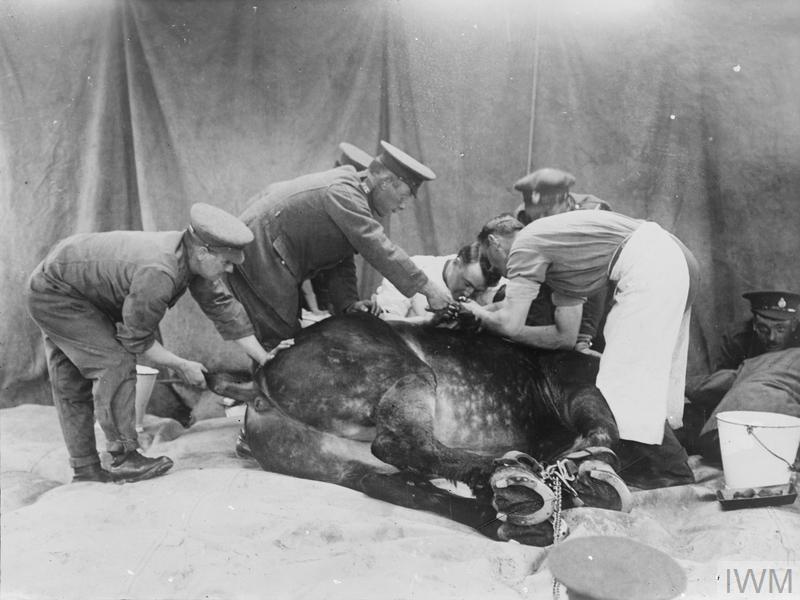
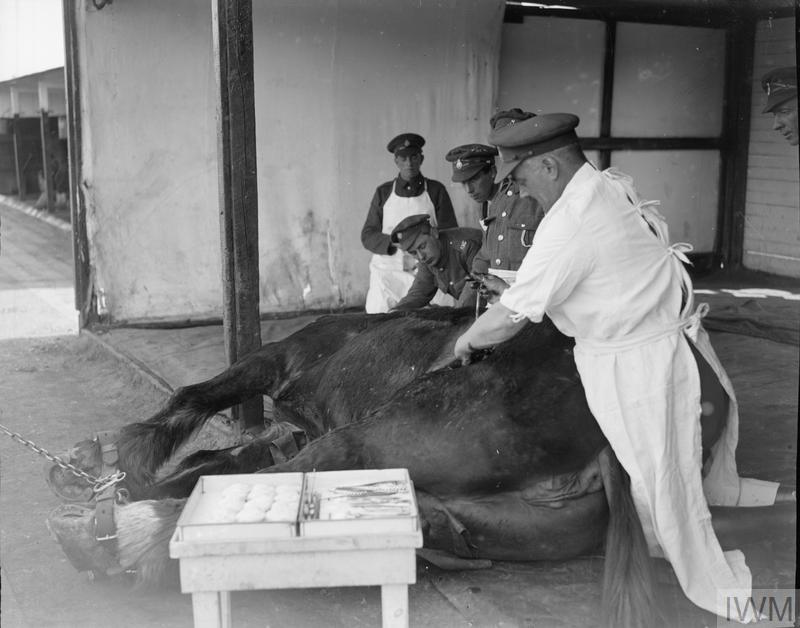
The capacity of these hospitals was originally set at 1,000 animals, but this was subsequently doubled.  It was not uncommon, Moore explained, ‘to see three animals in the operating theatre under chloroform at the same time.’
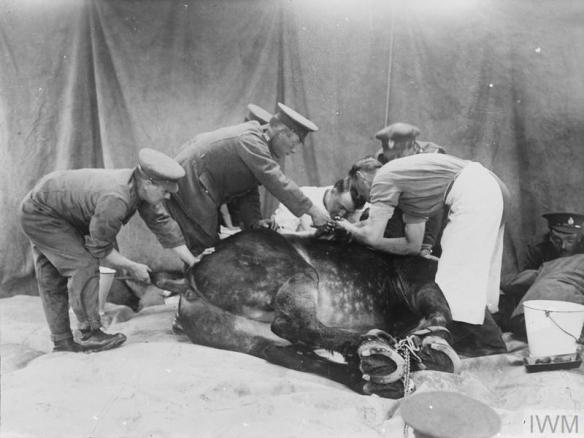
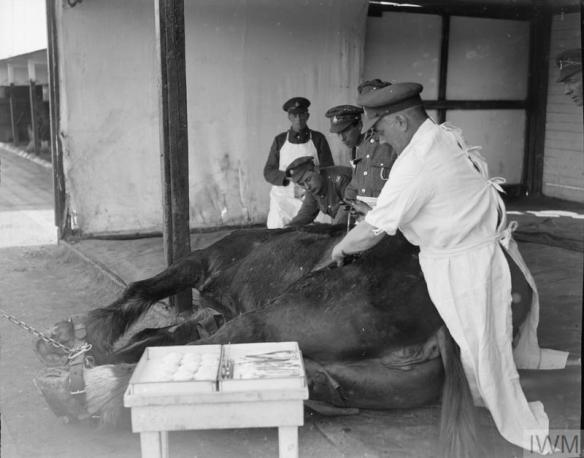
Very few animals were allowed to stay more than three months at the base, where the hospitals operated in conjunction with Convalescent Horse Depots.

According to Moore, the core principle of the Army Veterinary Corps was ‘to get down from the front as many animals as it was possible to save; in other words to give every animal a chance.’  But what lay behind this was the same instrumentalism that guided the RAMC’s casualty evacuation model and its system of triage: the need identify the casualties most likely to survive in short order and to treat them expeditiously so that they could be returned to the front and the fight.

***

You can find more from these sources:

  • Simon Butler, The war horses (Halsgrove, 2011);
  • Stephen Corvi, ‘Men of Mercy: the evolution of the Royal Army Veterinary Corps and the soldier-horse bond during the Great War,’ Journal of the Society for Army Historical Research 76 (308) (1998) 272-84;
  • M-G Sir John Moore, Army Veterinary Service in War (London: Brown, 1921) [available here]
  • Rachael Passmore, ‘The care, development and importance of the British horse on the Western Front in World War I,’ MA thesis, Department of History, University of Leeds, 2009 [accessible here];
  • John Singleton, ‘Britain’s military use of horses 1914-1918’, Past & Present 139 (1993) 178-203.

Like my original essay, this post is confined to the British Army; for a remarkably detailed and beautifully illustrated account of the veterinary medical system of the US Army on the Western Front see here.

Unless otherwise credited, ALL IMAGES are Copyright Imperial War Museum, London
Paper trails

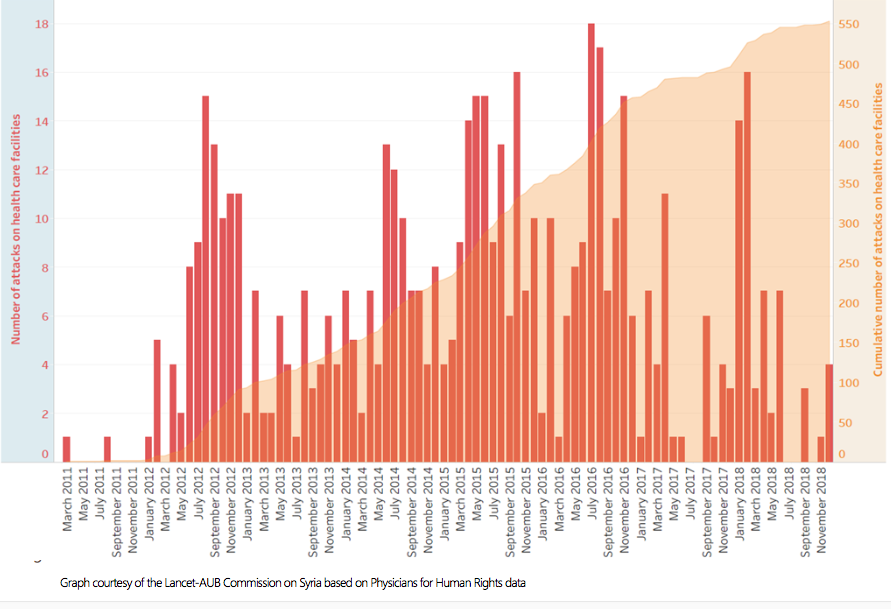
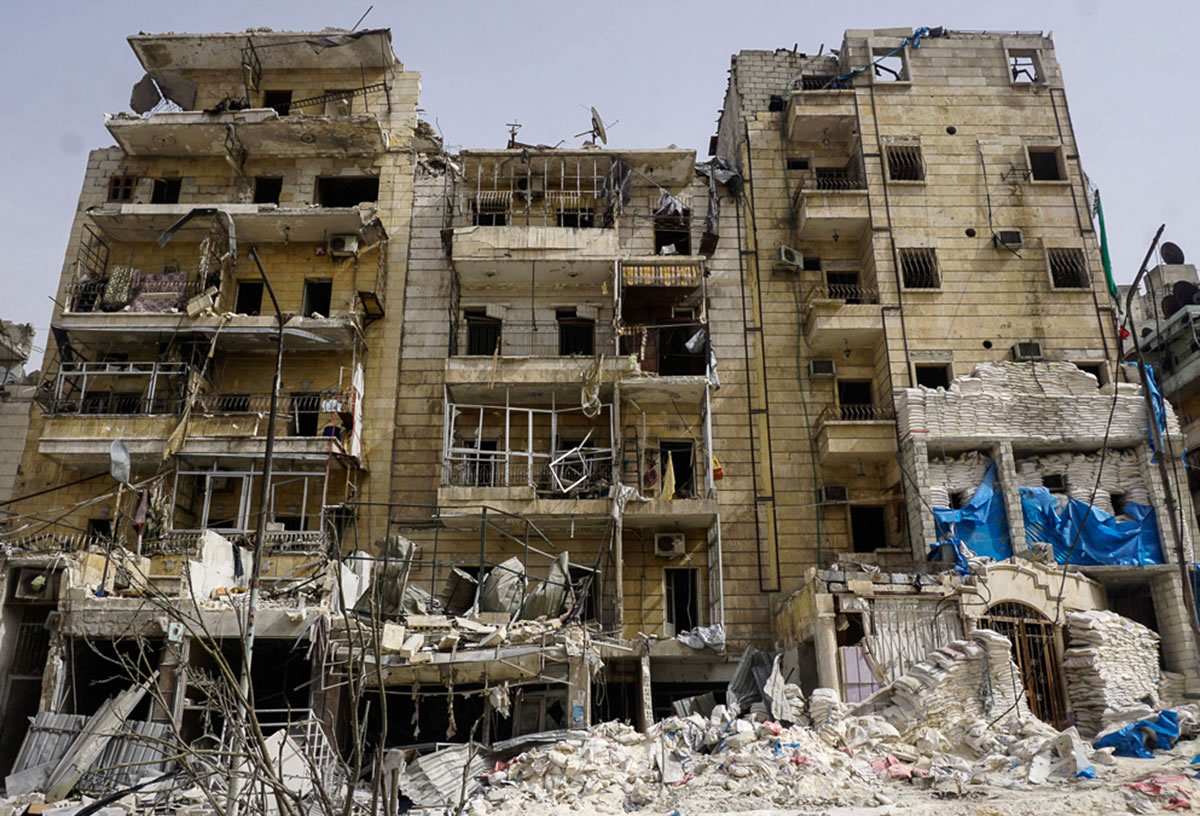
For an update and succinct review of attacks on hospitals and medical facilities in Syria – see also my ‘Your turn, doctor’ here – I recommend the latest fact-sheet from Physicians for Human Rights:

Attacks on health care, in gross violation of humanitarian norms and the Geneva Conventions, have been a distinctive feature of the conflict in Syria since its inception. PHR has documented and mapped 553 attacks on at least 348 separate facilities from March 2011 through December 2018. The reduction in the number of attacks over the past year is a clear reflection of the diminishing intensity of the conflict, which came as a direct result of the Syrian government’s takeover of most opposition-held areas. The systematic targeting of health facilities has been a crucial component of a wider strategy of war employed by the Syrian government and its allies – who are responsible for over 90 percent of attacks – to punish civilians residing in opposition- held territories, destroy their ability to survive, and draw them into government-held areas or drive them out of the country. This strategy of unbridled violence – which in addition to attacks on healthcare has included chemical strikes, sieges, and indiscriminate bombing of predominantly civilian areas – has devastated the civilian population, weakened opposition groups, and translated into direct military gains for the Syrian government.

Of the total number of documented attacks on health facilities, nearly 73 percent were carried out from the air. Nearly 98 percent of attacks on health facilities perpetrated from the air are attributable to the Syrian government and its ally Russian, which entered the conflict in 2015.

The share of attacks on health facilities from the air has grown from 38 percent of the total in 2012 to 90 percent in 2018. The Syrian government became steadily more reliant on airpower as the conflict evolved. Through their air forces, the Syrian government and Russia extended their strategy of collective punishment deep into opposition-held territory and far beyond hardened front lines. The Syrian government and its allies disabled or destroyed hundreds of facilities through aerial bombardment, leaving countless civilians without access to vital medical services.

The latest 20-page report from the Independent International Commission of Inquiry on the Syrian Arab Republic to the UN’s Human Rights Council is here.  I’ve drawn on many of these reports for my continuing work on siege warfare in Syria (see for example here, here and here), and this report – based on investigations carried out from 11 July 2018 to 10 January 2019 – makes for grim reading.  Here is the summary (but you really need to consult the full report):

Extensive military gains made by pro-government forces throughout the first half of 2018, coupled with an agreement between Turkey and the Russian Federation to establish a demilitarized zone in the north-west, led to a significant decrease in armed conflict in the Syrian Arab Republic in the period from mid July 2018 to mid January 2019. Hostilities elsewhere, however, remain ongoing. Attacks by pro-government forces in Idlib and western Aleppo Governorates, and those carried out by the Syrian Democratic Forces and the international coalition in Dayr al-Zawr Governorate, continue to cause scores of civilian casualties.

In the aftermath of bombardments, civilians countrywide suffered the effects of a general absence of the rule of law. Numerous civilians were detained arbitrarily or abducted by members of armed groups and criminal gangs and held hostage for ransom in their strongholds in Idlib and northern Aleppo. Similarly, with the conclusion of Operation Olive Branch by Turkey in March 2018, arbitrary arrests and detentions became pervasive throughout Afrin District (Aleppo).

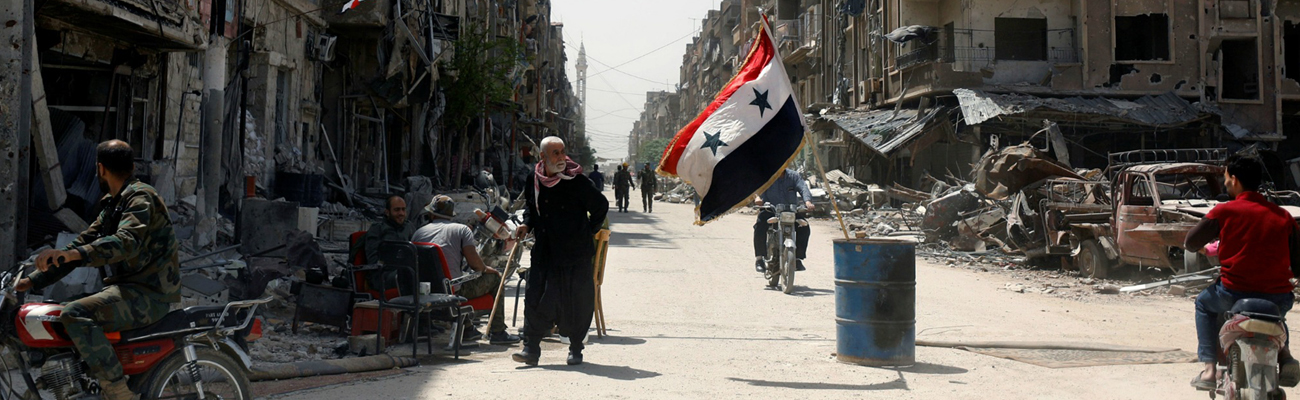
In areas recently retaken by pro-government forces, including eastern Ghouta (Rif Dimashq) and Dar’a Governorate, cases of arbitrary detention and enforced disappearance were perpetrated with impunity. After years of living under siege, many civilians in areas recaptured by pro-government forces also faced numerous administrative and legal obstacles to access key services.

The foregoing violations and general absence of the rule of law paint a stark reality for civilians countrywide, including for 6.2 million internally displaced persons and 5.6 million refugees seeking to return. For these reasons, any plans for the return of those displaced both within and outside of the Syrian Arab Republic must incorporate a rights- based approach. In order to address effectively the complex issue of returns, the Commission makes a series of pragmatic recommendations for the sustainable return of all displaced Syrian women, men and children.

A report from Elizabeth Tsurkov in Ha’aretz confirms many of these findings.  Describing Assad’s Syria as a police state with rampant poverty’ and a ‘playground for superpowers’, she writes:

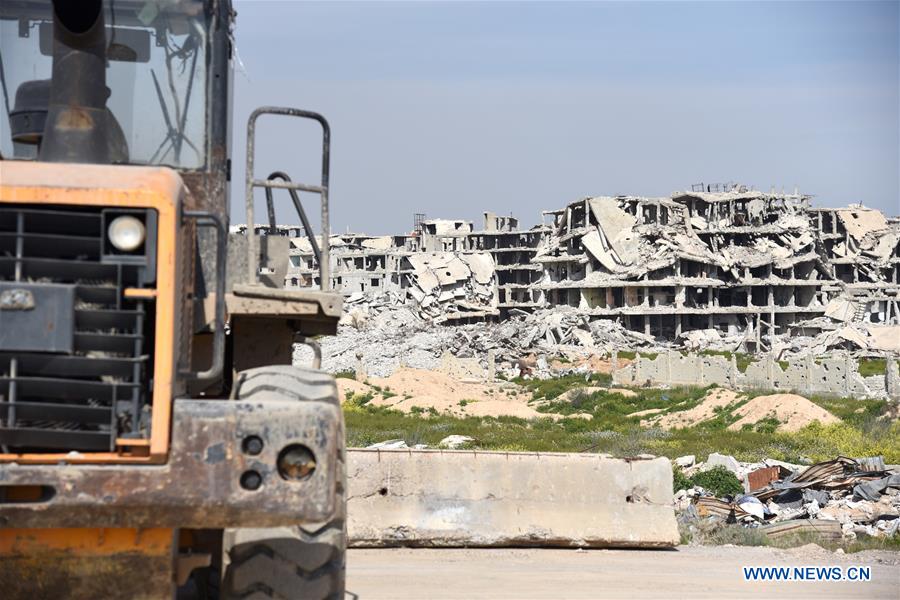
Eight years into the crisis, Syria’s economy is in tatters, half of its population displaced, hundreds of thousands of Syrians are dead, many of Syria’s cities and towns lie in ruins. Yet on top of this pile of ashes Assad sits comfortably, quite secure in his grip on power.
In areas reconquered by the regime — or as the regime euphemistically describes it, areas that “reconciled” and whose residents “returned to the bosom of the nation” — the Syrian police state is back, more aggressive than ever…

In 2011, Syrians took pride in “breaking the barrier of fear.” But fear now prevails, as the various branches of the regime’s secret police launch raids and arrest suspected disloyal elements. Many of those arrested are former activists, rebels, health and rescue workers, and civil society leaders. Syrians who wish to prove their loyalty to the regime, obtain power through it or simply settle personal scores inform on others to the regime. Suhail al-Ghazi, a Syrian analyst based in Istanbul, told Haaretz that Syrians are informing on each other “because they have been doing it for years or because they need money or favors from the regime.” In areas recently recaptured by the regime, “some locals were always pro-regime and stayed there to work as informants or just could not leave. Now they have the chance to take revenge on the majority of civilians who apparently held a more favorable view of the opposition,” Ghazi explained.

Most of Syria’s population now lives below the poverty line. Across all parts of Syria unemployment rates are high, as the normal economy has been disrupted by years of war and the mass flight of businesspeople and capital out of the country. Syria’s middle class has largely disappeared — many of them fled to neighboring countries or Europe, while others are now living in abject poverty, along with most Syrians.
A small group of war profiteers linked to the various armed groups have been able to enrich themselves by trading in oil, weapons, antiquities, stealing aid, and smuggling people and goods in and out of the country and into besieged areas, while most Syrians struggle to survive. Nearly two-thirds of Syrians are dependent on aid for their subsistence. Basic services like electricity, cooking gas, clean water and health services are lacking in many parts of the country.

Speaking on the condition of anonymity, a resident of Latakia — an area where many of the regime’s leadership and their relatives reside — told Haaretz: “You have corruption everywhere. Bribing was common before the war, but now it is endemic.”
He described the ostentatious displays of ill-gotten wealth: “High-ranking officials, they and their families, have more rights. They roam the city in fancy cars and do whatever they want. Half of the country is dying from hunger, while the sons of officials are arrogantly showing off their wealth. With money you can do everything. This is not new, but it has become more obvious because of the lawlessness prevailing in Syria.”

At the sub-regional scale Enab Baladi filed a revealing report last month on conditions in the Ghouta (which it describes as ‘military-ruled ruins’):

Today, Ghouta is living in a state of siege similar to that it witnessed between 2013 and 2018 at the service, relief and security levels, but the difference is that food is available.

With dozens of announcements about the restoration of electricity to areas east of the capital, as well as the restoration of water and communication services, the needs of civilians are still not covered by those services repeatedly announced by the regime.

Enab Baladi spoke to five people from the eastern Ghouta who returned to it, all of whom refused to be identified for fear of the regime prosecution. They described the service situation as “miserable”, especially with regard to the water and electricity services.

According to the five sources, the electricity is continuously cut for five hours, operates for only one hour, and then it is cut again, while water reaches homes one hour a day, and people rely on submersibles and artesian wells which they dug during siege in the previous years to get water.

Some areas of Ghouta also lacked many of the services that were the top priorities of organizations before the regime forces controlled the region, while food today enters without manipulated prices, unlike in the past….

The report describes Eastern Ghouta as riven by checkpoints; an emphasis on demolition rather than reconstruction; and continuing arrests and detentions.

In early August [2018], al-Assad forces launched a campaign of arrests, which has been considered as one of the largest security operations since the regime took over Ghouta, for it has targeted the regime dissidents and activists in the Syrian revolution. The campaign was carried out in the cities and towns of Saqba, Hamuriyah, Duma, Mesraba, and Ein Tarma.

The regime also subjected local activists, civil society workers, and former media professionals, as well as members of local councils and relief agencies, to investigations into the aids they received when the area was held by the opposition.

Security branches launched arrest campaigns targeting members of the former “local council” and other members of Rif-Dimashq Provincial Council in the city of Kafr Batna in central Ghouta, according to Enab Baladi referring to local sources.

Sources affiliated to the council told Enab Baladi that Syrian security forces raided the houses and workplaces of the detainees before taking them to an unknown destination. Other local council members, who preferred to stay in Ghouta rather than go to northern Syria, are detained for the same reasons.

In the face of all that, it’s not easy to find grounds for optimism, but there is a glimmer of hope in a report from Maryam Saleh at The Intercept:

Syrian activists and lawyers are testing the bounds of international law, making two new attempts to bring the government of Bashar al-Assad before the International Criminal Court.

Syrian refugees in Jordan, through London-based lawyers, sent communications to the office of the ICC prosecutor, asking her to exercise jurisdiction over Syria based on a precedent set last year in a case involving Myanmar’s persecution of Rohingya Muslims. The communications are the latest push by Syrian civilians to hold accountable the government whose brutality upended their lives. In recent years, Syrian lawyers and human rights activists have experimented with rarely utilized aspects of international law, succeeding in getting European and American courts to weigh in on atrocities committed in Syria.

“Because of how politicized the war in Syria became, lawyers and those fighting for accountability really had to be creative,” said Mai El-Sadany, the legal and judicial director at the Washington-based Tahrir Institute for Middle East Policy. “The most recent ICC Article 15 submissions” — a reference to communications with the ICC on information about alleged international crimes — “are evidence of this, that there is space for creativity in the accountability space.”

She continues:

Even when the evidence of potential crimes exists, investigations into crimes committed in states that have not ratified the Rome Statute are near impossible because of jurisdictional issues, and U.N. Security Council members are quick to use their veto power to block investigations into crimes potentially committed by their allies.

That’s what makes the various avenues Syrians are pursuing so significant. As of last March, more than two dozen cases had been filed in European courts regarding atrocities committed by the Syrian regime, rebel fighters, and the Islamic State and other fundamentalist militant groups. The family of Marie Colvin, an American journalist killed in 2012 while reporting from the city of Homs, sued the Syrian government in a U.S. district court; in January, the court found Syria responsible for killing Colvin.

Many of the cases in Europe were brought under a legal doctrine known as universal jurisdiction; application of the doctrine varies from country to country, but it essentially allows for courts to prosecute cases regardless of where the crime was committed or whether the accused party has any links to the prosecuting state.

The biggest success so far has been in Germany, where authorities last month arrested a former high-ranking Syrian intelligence officer and two others who are accused of crimes against humanity for torturing detainees in Syrian prisons. Other cases remain pending in France, Sweden, and Spain….

These attempts are possible in part due to an unprecedented level of documentation of crimes in Syria. The victims in some of the cases were identified from a trove of 28,000 photos of people killed in Syrian detention centers, smuggled out of the country by a military defector codenamed Caesar. The U.N. General Assembly, in December 2016, took the step of creating the International, Impartial, and Independent Mechanism to investigate crimes in Syria since 2011. The IIIM, as the body is known, does not have independent prosecutorial authority, but it exists to collect information that could later be provided to courts or tribunals with jurisdiction over the crimes. Last year, 28 Syrian nongovernmental organizations committed to collaborating with the IIIM on its work.

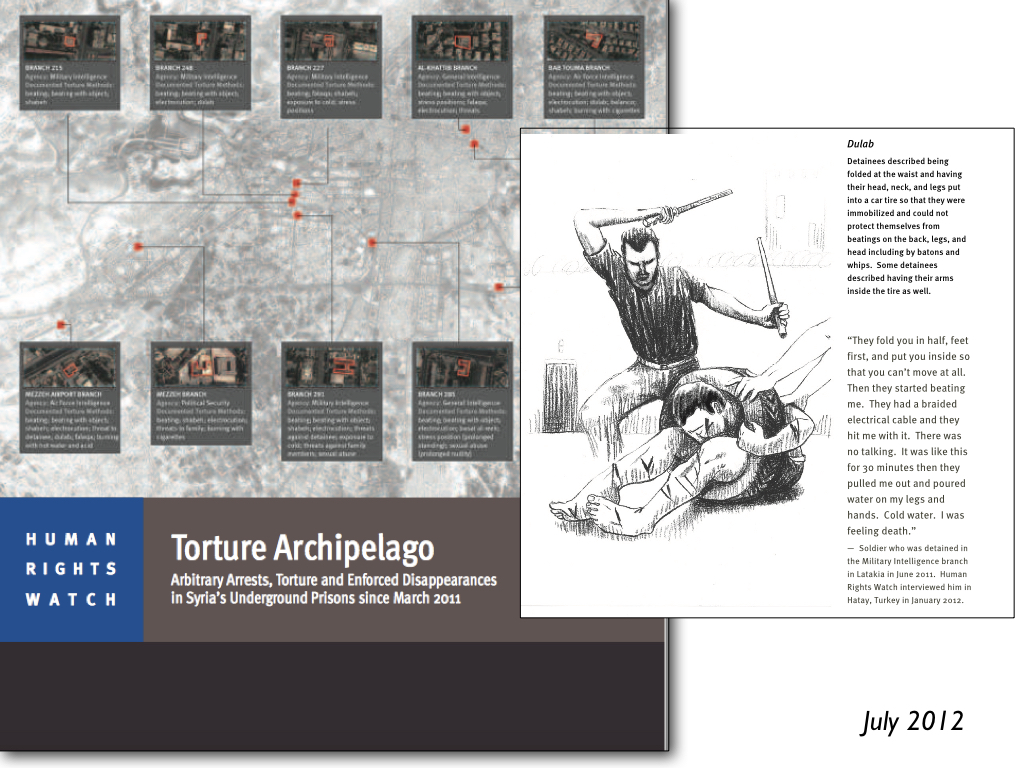
This is heartening in its way, but whenever I’ve been asked about attempts to enforce accountability in relation to the systematic attacks on hospitals, I’ve had to say that the hideous intimacy between torturer and tortured allows for an identification and assignment of culpability that is much more difficult in the case of the extended ‘kill-chain’ involved in bombing.

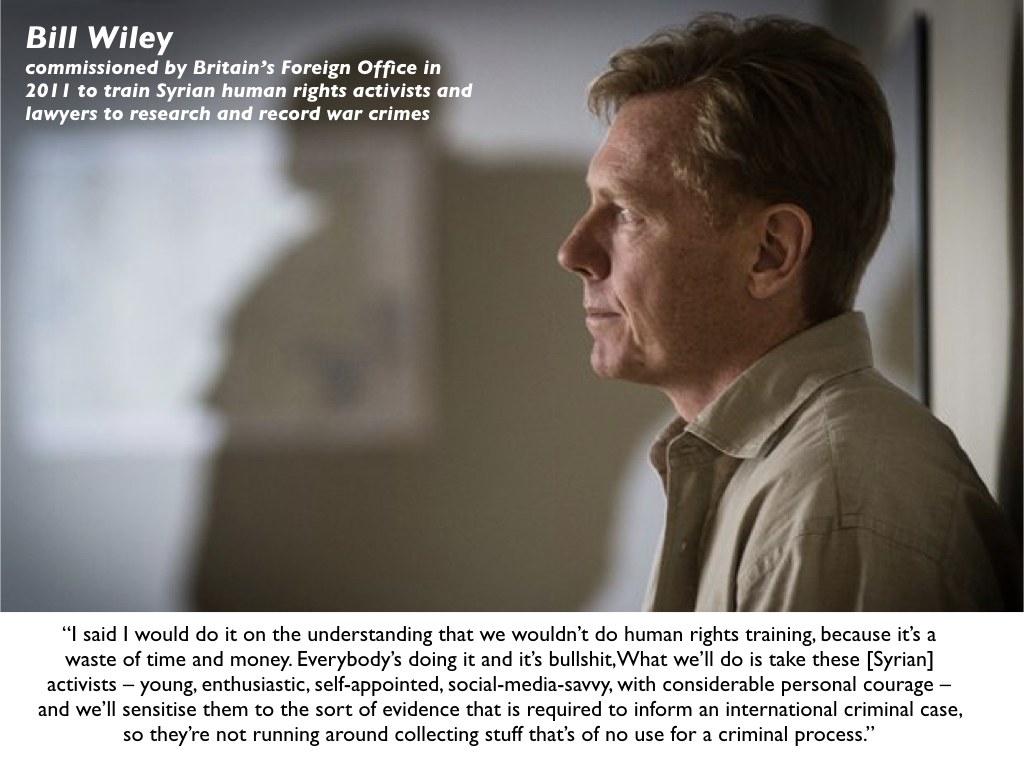
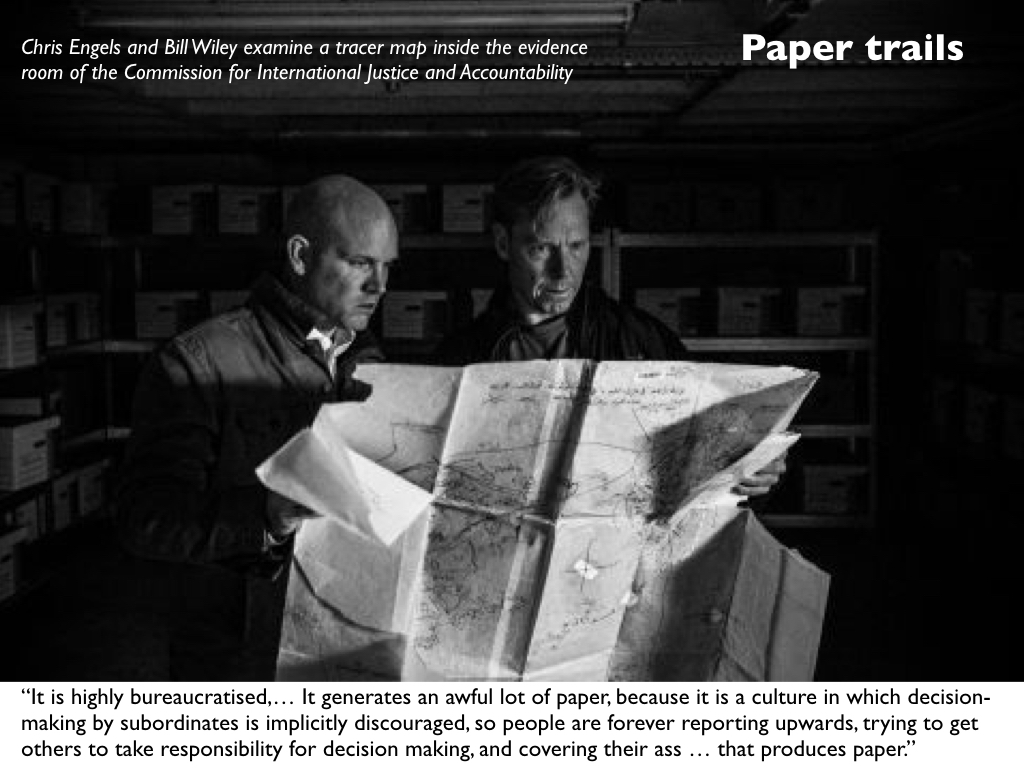
But that doesn’t mean it’s impossible: we know, from the courageous work of activists cited in Maryam’s report, that Assad’s security apparatus fetishized record-keeping, and that many of those records have been smuggled out of Syria so that they can now serve as testimony and evidence  (For other testimonies, see the work of Forensic Architecture on Saydnaya Prison that I described here: scroll down).  To sharpen the point, hare some of the slides from a presentation I once gave around precisely these questions:

If my work on bombing in other theatres of war is anything to go by, there will also be extensive trails (paper or digital) that animated the air strikes: though how they can ever be exposed is another question.

The Fight for Yemen

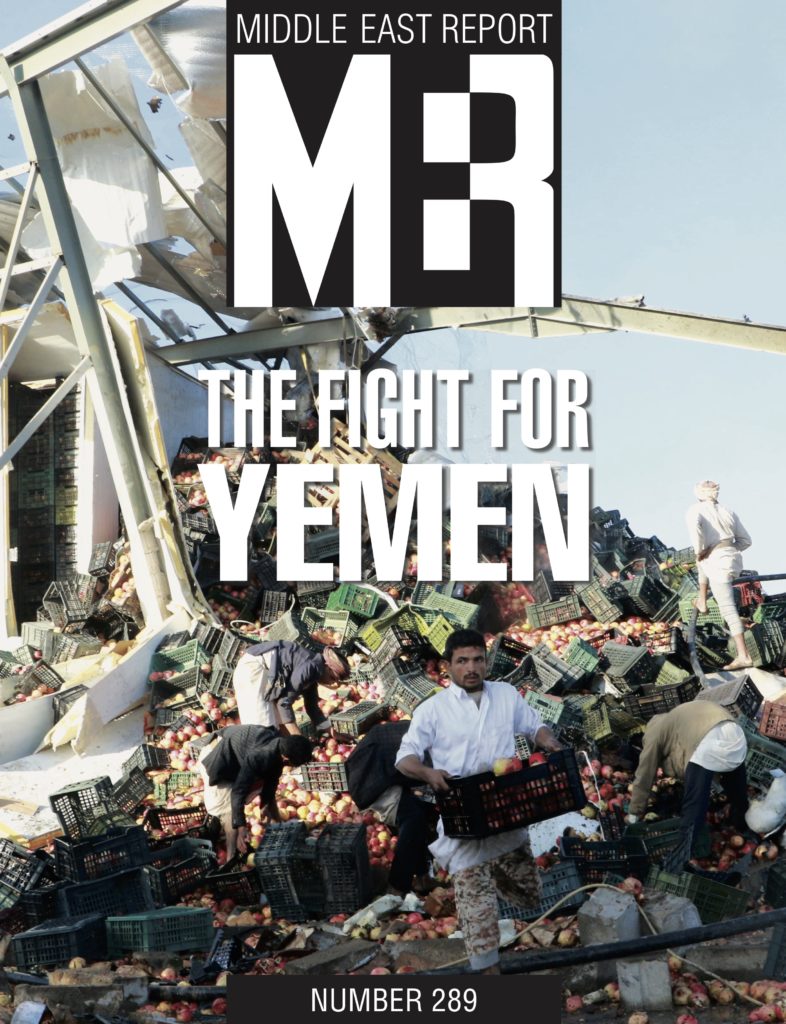
The latest issue of the wonderful Middle East Research and Information Project (MERIP)’s Middle East Report on ‘The Fight for Yemen‘ is now available online:

The ongoing war in Yemen that began in 2015 has created one of the world’s worst humanitarian disasters. The scope of destruction and human suffering is catastrophic: hundreds of thousands are dead from bombing, war-related disease and malnutrition and millions remain on the brink of famine without access to drinking water or medicine. While critical awareness of the magnitude of the crisis is growing, the political and economic roots of the crisis and the complex realities of Yemeni political life are often obscured by misunderstandings. Contributors to The Fight for Yemen disentangle the social, political and economic factors that are behind the war, the cataclysmic impact of the war on Yemeni society, particularly its women, and introduce readers to the complex realities within Yemen in order to create a just peace. Middle East Report 289 is partially available on-line with full access to all the articles available to our subscribers.

Contents:

Toward a Just Peace in Yemen – Stacey Philbrick Yadav, Jillian Schwedler
The Saudi Coalition’s Food War on Yemen – Jeannie Sowers
Yemen’s Women Confront War’s Marginalization – Afrah Nasser
Yemen and the Imperial Investments in War – Priya Satia
Ambitions of a Global Gulf – Adam Hanieh
The Saudis Bring War to Yemen’s East – Susanne Dahlgren
American Interventionism and the Geopolitical Roots of Yemen’s Catastrophe – Waleed Hazbun
Roundtable: Three Women Activists Advancing Peace in Yemen – Stacey Philbrick Yadav
Progressive Surge Propels Turning Point in US Policy on Yemen – Danny Postel

Combat Obscura

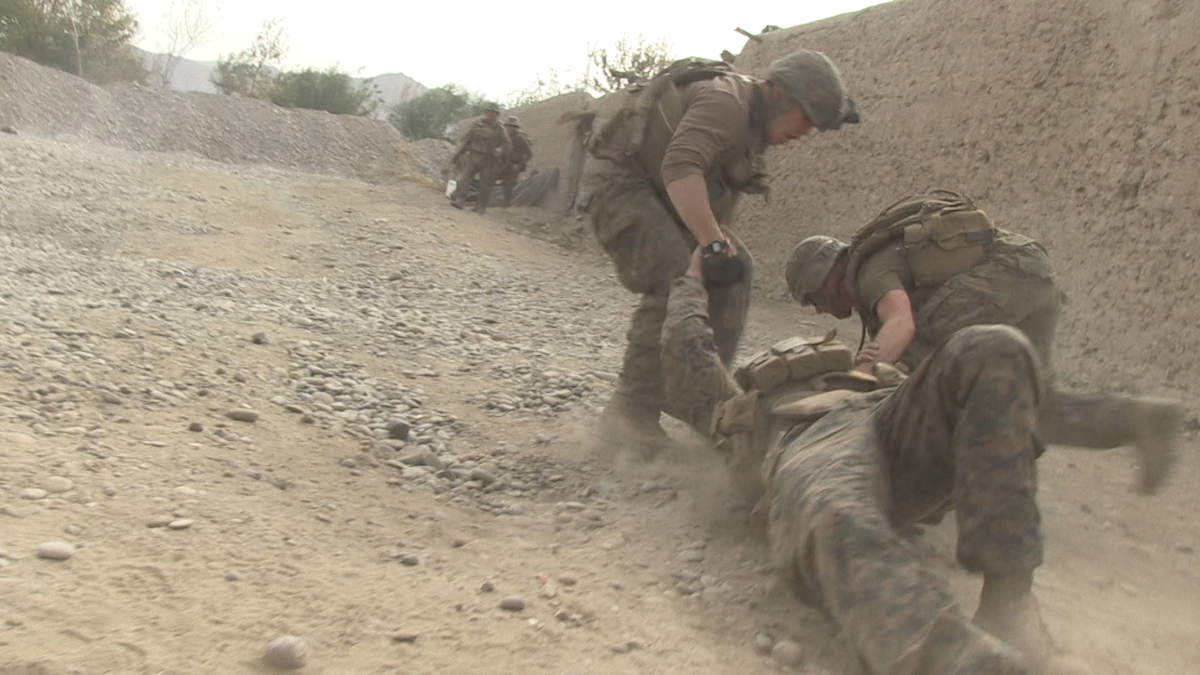
A new documentary on the war in Afghanistan, Combat Obscura, is available on iTunes.  From The Daily Beast:

The new Afghanistan war documentary Combat Obscura doesn’t introduce itself, explain itself, or end in a satisfying way.

It’s weird, funny, disturbing, brutal, and heartbreaking—and one of the best documentaries in years.

Combat Obscura is directed by Miles Lagoze, a former U.S. Marine Corps cameraman who spent much of 2011 in Helmand province in southern Afghanistan with a battalion of the 6th Marine Regiment based in North Carolina.

After getting out of the Marine Corps and spending a little time processing his experiences, Lagoze, now 29, enrolled in film school at Columbia University.

He just graduated. Combat Obscura is his first movie.

Lagoze came home from Afghanistan with all the footage the Marine Corps doesn’t want the public to see.


That last sentence needs elaboration.  Writing in the New York Times, Ben Keningsberg explains:

As a United States Marine in Afghanistan, Miles Lagoze, the director, worked as a videographer, documenting scenes of war for official release. (We see a clip of such material on CNN midway through the film.) Somehow, Lagoze kept his hands on unreleased footage he and others shot in Afghanistan in 2011 and 2012, and made it the basis for this film.

The Beast describes Eric Schuman, the film’s editor, as the production’s ‘secret weapon’:

“I would watch through the footage Miles had shot and pull from it what I found most interesting and compelling and then organize that material by subject…  I would then try to arrange that material together into sequences that, when placed all together, told a thematic story about a deployment in Afghanistan. By the end, Miles and I came upon a structure that I hope conveys a loss of innocence and growing nihilism and apathy as the film goes on.”

I’ll leave the last word to J.D. Simkins in the Military Times (who praises the film’s accuracy and honesty):

The film’s true brilliance lies in its situational hysteria, a scene-by-scene unpredictability that serves as a microcosm of a war with no end — and no definitive outcome — in sight.

Like the forever war, a lack of closure looms ominously over the film, a sentiment echoed by many of the war’s actors. Lagoze is no different.

Project(ion)s

Happy New Year!  With this, as with so much else, I’m late – but the greeting is none the less sincere, and I’m grateful for your continued interest and engagement with my work.

I’ve resolved to return to my usual pace of blogging in 2019; it slowed over the last several months, not least because I’ve been deep in the digital archives (apart from my merciless incarceration in Marking Hell and my release for Christmas).

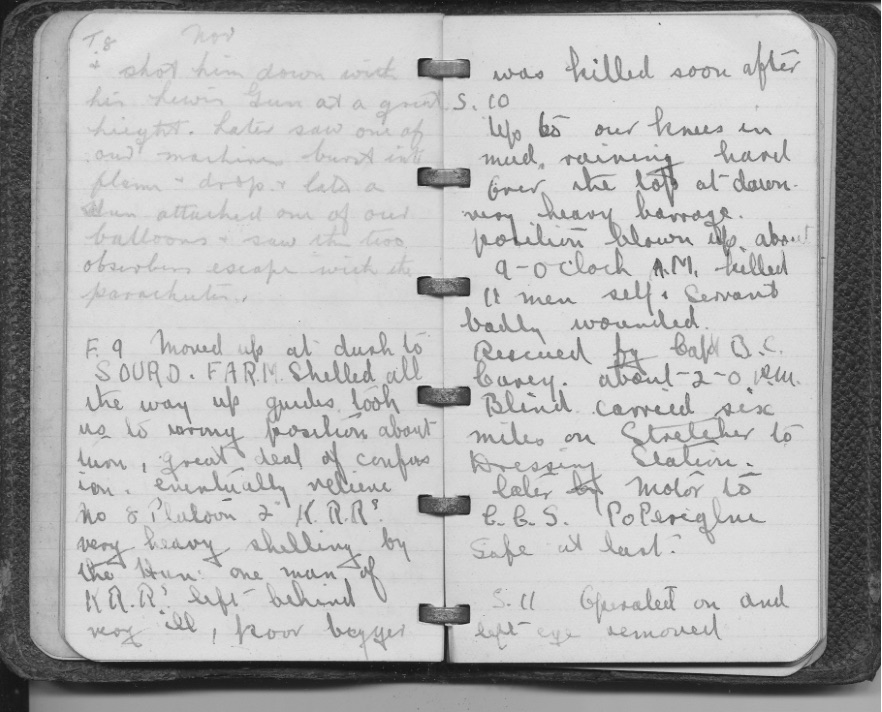
My plan is to finish two major essays in the next couple of months, one on “Woundscapes of the Western Front” and the other the long-form version of my Antipode Lecture on “Trauma Geographies” (see also here). Both have involved close readings of multiple personal accounts of the journeys made (or not made) by the wounded, and the first essay informs the second, as you can see here.

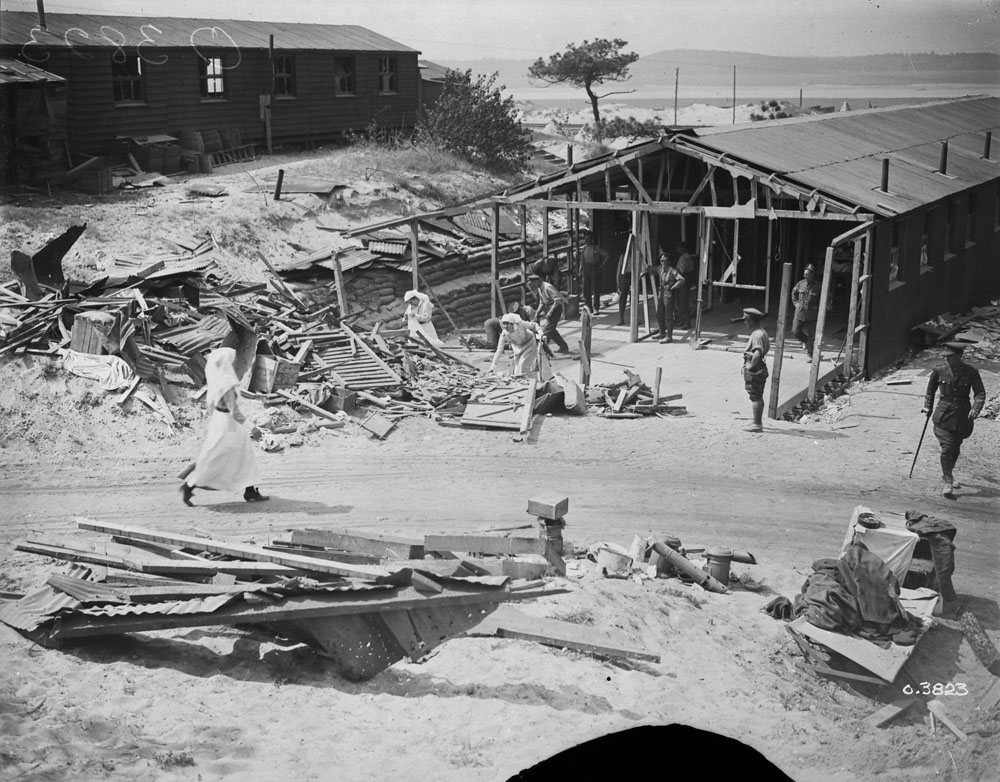
I also want to bring together my research on attacks on hospitals, casualty clearing stations and aid posts during the First World War in a third essay – I’ve been talking with the ICRC about this one.  Paige Patchin managed to track down a series of files on the Etaples bombings in the National Archives for me, including an astonishing map plotting the paths of the enemy aircraft and the locations of the bombs: I’ll share that once I’ve managed to stitch together the multiple sheets.  But I’ve widened the analysis beyond the attacks on base hospitals on the coast, to include other attacks – notably the bombing of the hospital at Vadelaincourt near Verdun – and a more general discussion of the protections afforded by the Red Cross flag and the Hague Conventions.

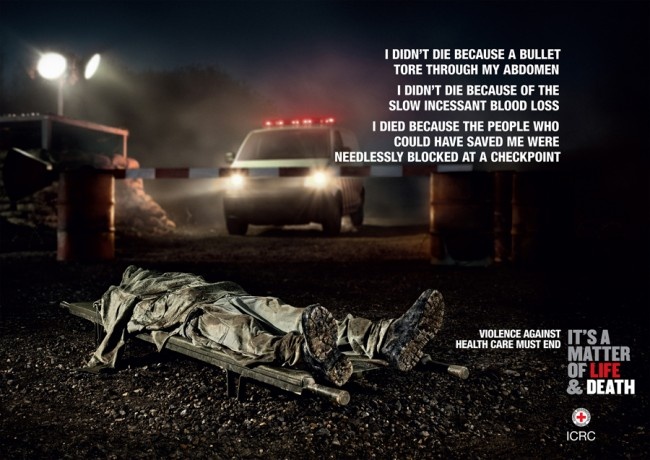
This will in turn thread its way into a fourth essay providing a more comprehensive view on violations of what I’ve called ‘the exception to the exception’: the disregard for the provisions of International Humanitarian Law evident in the attacks on hospitals and clinics in Afghanistan, Gaza, Syria and elsewhere, in short “The Death of the Clinic“.

That project interlocks with my developing critique of Giorgio Agamben‘s treatment of the “space of exception”.  In brief:

  • I think it’s a mistake to treat the space of the camp as closed (there is a profoundly important dispersal to the space of exception, evident in the case of Auschwitz that forms the heart of Agamben’s discussions – I’m thinking of the insidious restrictions on the movement of Jews in occupied Europe, the round-ups in Paris and other cities (see my lecture on Occupied Paris under the TEACHING tab), and the wretched train journeys across Europe to Poland – and this matters because if we don’t recognise the signs of exception at the peripheries they will inexorably be condensed inside the enclosure of the camp).
  • It’s also unduly limiting to restrict the space of exception to the camp, because the war zone is also one in which people are knowingly and deliberately exposed to death through the removal of legal protocols that would otherwise have offered them protection (and here too what Frédéric Mégret calls ‘the deconstruction of the battlefield‘ emphasises the complex topology of the exception).  I’ve written about this in relation to the Federally Administered Tribal Areas of Pakistan (see “Dirty Dancing” under the DOWNLOADS tab) and the conduct of siege warfare in Syria (multiple posts, listed under the GUIDE tab), but it’s a general argument that I need to develop further).

  • In neither case – camp or war zone – is there an absence of law; on the contrary, these spaces typically entail complex legal geographies, at once national and – never discussed by Agamben – international (though part of my argument addresses the highly selective enforcement of international humanitarian law and the comprehensive contemporary assault on its provisions by Russia and Syria and by the United States, Israel and the UK, amongst others).

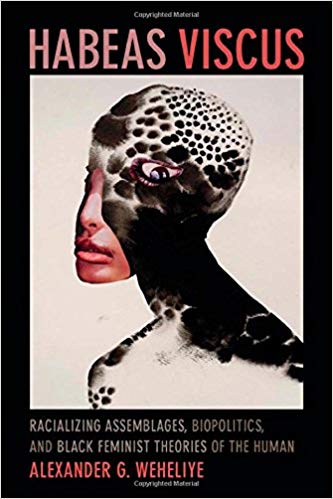
  • In both cases, too, the space of exception is profoundly racialised (I’ve written about that in relation to the bombing of Japan in World War II and the contemporary degradations inflicted on prisoners at Abu Ghraib and Guantanamo  – you can find the relevant essays under the DOWNLOADS tab – but I’ve found Alexander WeheliyeHabeas Viscus: Racializing Assemblages, Biopolitics, and Black Feminist Theories of the Human immensely helpful in deepening and generalising the argument).

I’ll be developing these arguments in my KISS Lecture at Canterbury in March, which ought to form the basis for a fifth essay (and it’s also high time I revisited what I said in “The everywhere war”!).

More on those projects soon, all of which will feed in to two new books (once I’ve decided on a publisher – and a publisher has decided on me), but in the interim I’ll be sharing some of the drafts and jottings I’ve prepared en route to the finished essays.

So lots to keep my busy, and I hope you’ll continue to watch this space – and, as always, I welcome comments and suggestions.

Trauma Geographies online

My Antipode Lecture on Trauma Geographies is now available online via YouTube.

(If you wonder why I’m hunched over my laptop, the microphone was fixed to the podium….).  Since I’m now turning this into an essay, I’d welcome any questions, comments or suggestions.

You can find more details  including open access to a series of related articles – at the Antipode Foundation website here.

Trauma geographies, woundscapes and the clinic

I returned from the RGS/IBG Conference in Cardiff to the start of term (which explains and I hope excuses my silence: I’ve updated my two course outlines for this term, and you can find them under the TEACHING Tab if you are interested; if you have any comments or suggestions I’d be happy to have them).

My next order of business is to turn my Antipode Lecture on “Trauma Geographies” into a text (the video will be online soon, I hope); I’ve already started on the translation, helped by questions and feedback from the presentation, and I’ll post the draft when it’s ready.

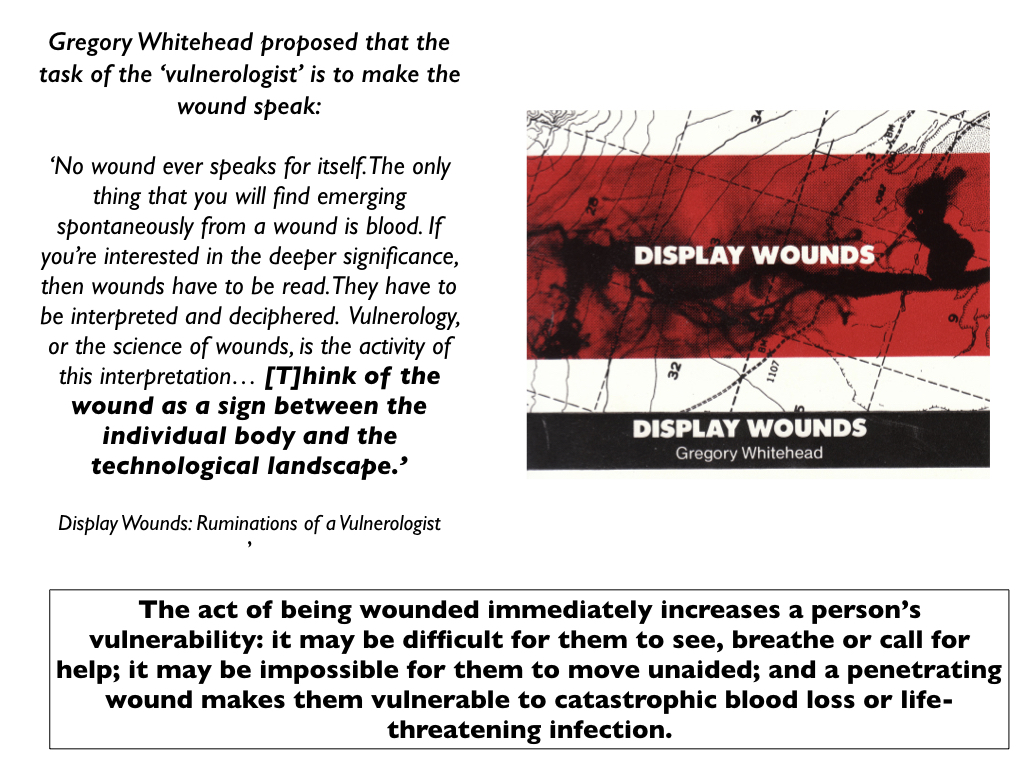
The argument moves from medical care and casualty evacuation in Belgium and France, 1914-1918 through Afghanistan 2001-2018 to Syria 2011-2018, and in each case I address both combatants and civilians.  Much of this trades on (and develops) posts that will be familiar to regular readers – and if you’re not the GUIDE tab ought to help direct you to the most relevant ones – but I’ve also returned to my ideas about corpography and used them to flesh out (sic) the concept of a ‘woundscape‘.  I decided to that because one of the themes of the conference was landscape, and the idea of a woundscape seemed to take that debate in a fruitful new direction.  I first encountered it in Jennifer Terry‘s brilliant Attachments to War, and she in turn found it in the work of Gregory Whitehead (particularly Display Wounds).

I’m drawn to the way in which both authors/performers try to coax wounds to speak, to read their violent ruptures of the body, and to transcend the typically narrowly bio-medical discourse that frames them.  At the same time, I don’t want to ignore that scientific framing, not least because it is profoundly performative and has such vital consequences (both physical and affective), so in my rendering a ‘woundscape’ is constituted through the explosive intersection of the military gaze (‘the target’) and the medical gaze (the injured body) but immediately spirals beyond those visual registers – and indeed beyond visuality – to include a range of other senses and sensibilities. A woundscape thus includes the bio-physical, cognitive and affective landscapes in which casualties are created, moved and treated.  The affective envelope that surrounds and invades the injured body is a constant concern; this extends beyond the casualty to a host of other actors – as Omar Dewachi shrewdly observes, when wounds travel they ‘enter new social worlds and multiple histories of violence’ – but I I focus on physical injury (rather than PTSD) because so many accounts of later modern war have represented it as what James Der Derian dubbed ‘virtuous’ war whose seeming remoteness is rendered as at once increasingly virtual, fought on and through screens and algorithms, and at the limit radically, absurdly disembodied. Against this, I’m trying to respond to John Keegan’s dismayed observation that the wounded – he included the dead too – ‘apparently dematerialize as soon as they are struck down…’

So here are the slides from my presentation that summarise my interim propositions about woundscapes, drawn from the three case studies; I’ll be revising and elaborating them as I proceed, but I hope this might start a conversation:

Finally, Omar’s wonderful essay that I cited earlier appeared in MATMedicine, Anthropology, Theory – and I would be remiss not to draw attention to its most recent issue.  The editorial on ‘Clinic and Crisis‘ by Eileen Moyer and Vinh-Kim Nguyen sends me back to the other essay I’m currently trying to finish, on “The Death of the Clinic“, which plainly intersects with ‘Trauma Geographies’:

A common thread runs through the articles of this issue of MAT: the conjoining of clinic and crisis. Here we refer, in the manner of Foucault (1963) to the clinic as both an epistemology (a way of knowing) as well as a material space where the ill seek care. Crises are moments of rupture, where the surface of everyday life splinters to reveal what lies underneath and new dangers can appear; they are also turning points where futures can be grasped and foretold. Moments of social crisis manifest in bodies, and therefore in the clinic. Das’s notion of ‘critical events’, as discussed in Affliction: Health, Disease, and Poverty and also taken up in MAT’s September 2017 issue, furnishes perhaps the most thorough consideration of crisis. As she and others have pointed out, crisis is an everyday reality for many who live in conditions of precarity and existential instability. More generally, the current geopolitical climate and the growing urgency of climate change contribute to the sense of crisis. The clinic is symptomatic of crisis, a place where a state of emergency becomes finally visible.

More soon – and I haven’t forgotten that I need to return to my series of posts on Ghouta and, in particular, to address the issue of medical care and casualty evacuation (or lack of it) there too.

The Military Present

I’m later to this than I should be, but over at the American Anthropologist there is a very interesting series of four podcasts conducted by Emily Sogn.and Vasiliki Touhouliotis on what they call ‘the military present’:

In the first episode, we spoke to Joe Masco (here) about the historical formation of an affective politics that creates an ethos of continuous, yet increasingly incoherent militarization justifying itself as a response to a monopoly of perceived threats. Next, we spoke to Madiha Tahir (here) about the ways in which new weapons technologies, particularly drones, have reshaped social landscapes in places like the Waziristan region of Pakistan where threats both in the air and on the ground have become an ever present fact of everyday life….

In our [third] episode we spoke with was Wazhmah Osman (here) about the embodied effects of nearly four decades of continuous war in Afghanistan. we talked about how the deployment of new military strategies and the use of new supposedly more precise weapons obscures the deep yet everyday cumulative damage that is caused by ongoing war. [The interview focuses on the US deployment of the  the Massive Ordnance Air Blast (MOAB) in Afghanistan in April of 2017].

And in the final episode – which is how I stumbled upon the series, as I’m in the final stages of prepping my Antipode lecture on “Trauma Geographies” – they talk with my good friend Omar Dewachi (here)

about war as a form of governance asking how war orders and creates the terms by which different forms of injury caused by war can be recognized and acted upon. We were prompted to frame a conversation around this topic as a response to what we see as a troubling absence of public discussion of the deaths and illnesses that are caused by war, but which get obscured as such by the language of by products, secondary effects, or collateral damage.

Unless I’ve missed something, the conversation with Omar is the only one of the series to have a transcript, but you can listen to all of them online.

‘Sweet target, sweet child’

My keynote (‘Sweet target, sweet child: Aerial violence and the imaginaries of remote warfare’) at the conference on Drone Imaginaries and Society at the University of Southern Denmark in June is now available online here.

In February 2010 a US air strike on three vehicles in Uruzgan province, Afghanistan in support of US and allied ground forces caused multiple civilian casualties. The attack was the direct result of surveillancecarried out by a Predator drone, and a US Army investigation into the incident criticised the flightcrew for persistently misinterpreting the full-motion video feeds from the remotely operated aircraft.This has become the signature strike for critics of remote warfare, yet they have all relied solely on a transcript of communications between US Special Forces in the vicinity, the drone crew at Creech AirForce Base in Nevada, and the helicopter pilots who executed the strike. But an examination of the interviews carried out by the investigation team reveals a more complicated – and in some respects even more disturbing – picture. This presentation uses those transcripts to brings other actors into the frame, pursues the narrative beyond the strike itself, and raises a series of questions about civilian casualties. During the post-strike examination of the site the casualties were rendered as (still) suspicious bodies and, as they were evacuated to military hospitals, as inventories of injuries. Drawing on Sonia Kennebeck’s documentary film ”National Bird” I also track the dead as they are returned to their villages and the survivors as they struggle with rehabilitation: both provide vivid illustrations of the embodied nature of nominally remote warfare and of the violent bioconvergence that lies on the otherside of the screen.