I vividly remember reading Joachim Schlör‘s Nights in the Big Citywhen it was first published almost twenty years ago – an extraordinary reflection on the impact of illumination and the perception of night in Berlin, Paris and London between 1840 and 1930. It joined Wolfgang Schivelbusch‘s elegant Disenchanted Night on my bookshelves, a text whose subtitle – ‘the industrialization of light in the nineteenth century‘ – concealed as much as it revealed the richness of Schivelbusch’s narrative.
But even then I thought there was another, later story to tell: what happens when people who have become used to the (more or less) brightly lit city are precipitously plunged back into darkness?
I was thinking of the blackout during the Second World War. This week I’m back at Radboud University in Nijmegen, preparing for a public presentation on aerial violence, and my thoughts have returned to my old question. I think it’s an important one because we know so much about bombing – about crouching under the bombs, seeking cover in shelters, recovering the bodies of the dead and the injured, and then ‘carrying on’ – but we often forget that its horror is not confined to the experience of an air raid, to what Pat Barkermemorably describes in Noonday as ‘a stick of bombs … tumbling down the beam of a searchlight onto a building fifty yards ahead, an extraordinary sight, like a worm’s eye view of somebody shitting.’ Others turned to the shattered language of the sublime to capture the aw(e)ful sensation of a city – their city – in flames.
But my point is that these surreal scenes of sound and light and fury were dramatic punctuations in a pervasive atmosphere of anticipation and a larger landscape of terror that together constituted what we might think of as the slow violence of bombing. Sarah Waters captures this (and much more besides) brilliantly in her novel The Night Watch:
‘It was always disconcerting, in a black-out, leaving the places you knew best. A particular feeling started to creep over you, a mixture of panic and dread: as if you were walking through a rifle-range with a target on your back.’
Like Noonday, The Night Watch is the product of careful research as well as a luminous literary imagination; yet historians themselves have made remarkably little of the black-out, content to leave it in the shadows and direct attention to the pyrotechnic displays of the bomber’s art. So what follows are merely notes, and even then confined to Britain, waiting a larger project. (In fairness, there is an important PhD thesis by Marc Wiggam, The Blackout in Britain and Germany during the Second World War (Exeter University, 2011), but his main concerns are policy and policing, and the discussion of cultural formations is largely confined to contemporary literary and film representations and says little about everyday life).
Britain had introduced a limited blackout in 1915, when its cities were menaced by Zeppelins and Gotha bombers. In 1937, keenly aware of Stanley Baldwin‘s bleak injunction in his speech ‘A Fear for the Future’ that ‘the bomber will always get through’, the British government was already making plans for air raid precautions.
Ludgate Circus, London, 11 August 1939
A blackout was introduced in London on 11 August 1939, and a universal blackout imposed on the whole country by a ‘lighting order’ issued under Defence Regulation No 24 on 1 September 1939:
‘… every night from sunset to sunrise all lights inside the buildings must be obscured and lights outside buildings must be extinguished, subject to certain exceptions in the case of external lighting where it is essential for the conduct of work of vital national importance. Such lights must be adequately shaded.’
Felicity Goodalldescribes how journalist Mea Allan witnessed the introduction of the blackout:
‘I stood on the footway of Hungerford bridge across the Thames watching the lights of London go out. The whole great town was lit up like a fairyland, in a dazzle that reached into the sky, and then one by one, as a switch was pulled, each area went dark, the dazzle becoming a patchwork of lights being snuffed out here and there until a last one remained, and it too went out. What was left us was more than just wartime blackout, it was a fearful portent of what war was to be. We had not thought that we would have to fight in darkness, or that light would be our enemy.’
It was, as Geoff Manaughnotes, ‘a different form of camouflage, one that hid the city against the surrounding landscape by plunging its streets and buildings into darkness.’
Households were required to make special blackout curtains; they could not be washed, because this would let the light through, so housewives (sic) were enjoined to ‘hoover, shake, brush then iron them.’ The windows had to be closed to secure the blackout too, so rooms soon became airless. Chris Hill has the reaction of a teenage girl living in Romford, recorded in her diary for Mass Observation:
Friday 1st September – “…our makeshift blackout arrangements involve the use of a light so small that it strains the eyes. It’s only ten but I’m going to bed.”
Sunday 3rd September – “I decided we could not stop indoors; the blackout curtains made the rooms stuffy, and the light bad. We went into the town ‘to see what was going on’… Evidently, others had come out for similar reasons, so every street corner was ornamented with little groups of people…”
In short order a new city of ‘dreadful night’ was conjured into being. John Lehmann later recalled that
‘London had become two cities. The one, the daytime city where we went about our business much as before, worked in our offices and discussed what plans we could make for the future… The other London was the new, symbolic city of the blackout, where one floundered about in the unaccustomed darkness of the streets, bumping into patrolling wardens or huddled strangers…’ [cited in Amy Helen Bell, London was ours: Diaries and memoirs of the London Blitz].
Blackout (Art.IWM ART LD 2913) image: Night scene of a city street with pedestrians carrying torches, a vehicle with masked headlights and a very dim street light. The shapes of darkened buildings can be seen lining the street. Copyright: � IWM. Original Source: http://www.iwm.org.uk/collections/item/object/5477
The sensibility Lehmann describes – the floundering and bumping about and the attendant disorientation and disorder – may explain, in part, why war artists made so few attempts to capture the blackout. This was not, as you might think, simply or even primarily the product of a collective reluctance to produce a near-black canvas. In his War Paint, Brian Foss remarks that, ‘despite its status as the most universally experienced aspect of home front life,’ the blackout
‘is the subject of a mere handful of war pictures. Of these, only one, purchased from Joan Connew[above], a hitherto virtually unknown painter from Kent, exploits both the rich tonal potential and the incipient visual confusion of a blanket use of brown and blacks.’
He argues that the absence from the War Artists Advisory Committee of blackout paintings was the product of a sort of counter-blackout that expressed ‘the psychological need for orientation points and beacons.’
So as the blackout was carefully calculated and disseminated (above), I think it important to register the attempts to impose an order upon and within its envelopment of the city.
Street lights were switched off, and drivers of vehicles had to mask their headlamps using thick cardboard discs, obscure all other lights to the side and rear, and mark their bumpers and mudguards with white paint.Sarah Waters imagines roads even in the capital becoming almost empty – she’s writing about Holborn – ‘with ‘only the occasional cab or lorry – like creeping black insects they seemed in the darkness, with gleaming, brittle-looking bodies and louvred, infernal eyes.’ That wasn’t a pure flight of the novelist’s imagination. Pedestrians had to mask their torches too, and Mrs Peg Cotton confessed that, as she walked home one night,
‘The tissue came off my torch and since the light is prohibited thus, I hid it under my coat. The light shining out from below my skirts thus made me look like a crawling lightening-bug’ [in Felicity Goodall,Voices from the Home Front]
The blacked-out city was an unfamiliar one but also a dangerous one. ‘The density of the blackout these cloudy moonless nights is beyond belief’, recorded Phyllis Warner:
‘No one in New York or Los Angeles can successfully imagine what it’s like. For the first minute going out of doors one is completely bewildered, then it is a matter of groping forward with nerves as well as hands outstretched’ [Goodall, Voices]
When leaving the dimmed but illuminated interior of a house, a railway or a tube station, travellers were advised to close their eyes and count to fifteen to prepare for the abrupt plunge into darkness.
As she opened the door she said, ‘I hate this bit. Let’s close our eyes and count, as we’re supposed to’—and so they stood on the step with their faces screwed up, saying, ‘One, two, three …’ ‘When do we stop?’ asked Helen. ‘… twelve, thirteen, fourteen, fifteen—now!’ They opened their eyes, and blinked. ‘Has that made a difference?’ ‘I don’t think so. It’s still dark as hell.’
As that vignette suggests, the very choreography of the city was altered and even regulated. So, for example, pedestrians were advised to wear white at night (gloves, hats, armbands, buttons: Selfridge’s did a roaring trade in selling ‘blackout accessories’) –
– and they were instructed to walk on the left to avoid colliding with one another:
It was even more difficult for drivers, especially those rushing to provide emergency help at the scene of an air raid. Again, Sarah Waters is brilliant at conjuring the experience of her volunteer ambulance drivers during the Blitz. Often, the flames cut through the darkness to provide hideous illumination. ‘You didn’t need any lights or maps to find the way,’ one City of London fireman observed, ‘you just headed for the glow in the sky’ (below).
But it wasn’t always so simple. Here’s another firefighter:
‘It’s no joke finding your way about in a vehicle during the blackout through back streets in a district you and your driver have never been in before! As we were now some distance away from the fires, and Jerry being overhead, we were proceeding without lights – except side lights which are so dimmed as to be useless for illuminating the road. The pump in front of us had turned round a corner. We followed and suddenly the tender bumped, lurched and went along with two wheels on the pavement. We had only just missed dropping into a crater about twenty feet across by ten to fifteen feet deep. The first pump had swerved the other way from us and was stuck with its nose in a heap of debris’ [Goodall, Voices]
By the beginning of 1940 more people had been killed in road accidents than by enemy action. Ironically one of the first was a council employee hit by a vehicle as he painted a white line on a curb near Marble Arch – these lines, marking curbs and steps, were intended to help people navigate the darkened city.
In addition, as Geoff Manaughdemonstrates, both the flow and the fabric of the city were reconfigured: a 20 m.p.h. speed limit was imposed, blue lights marked public air raid shelters, and new white markings appeared on roads to guide the traffic:
Unusual markings in the roadway at Piccadilly designed to help motorists at night during the blackout in World War II. (Photo by Fox Photos/Getty Images)
You can find more photographs of London during the blackout at mashablehere and, of course, via the Collections page of the Imperial War Museums.
The imposition of the blackout was remarkable successful – though once the flares and the bombs sailed down, the bombers quickly found their mark (if rarely the precise target they were aiming for). So let me leave you with this exquisite exchange that captures the interplay between the blackout and the bombs; it comes from John Strachey‘s account of his days as an ARP warden, Digging for Mrs Miller:
‘As he put his head out, a man said “Warden,” out of the dark. “Warden”, went on the voice irritably, “Come and see these dreadful lights. Don’t you think you ought to put them out at once?” Ford went down the street a few yards and found a man in a trilby hat pointing towards the trees in Bedford Court. There were the lights all right, two of them behind the trees, and as they watched three more came slowly drifting and dropping through the higher sky, red, white and orange. “I’m afraid I can’t put those lights out,” Ford said. “You see, those are flares dropped from German aeroplanes.”
Several years ago, while my work on the geographies and genealogies of aerial violence was in its early stages, I was in Madrid: one of my main objectives was to see Pablo Picasso‘s Guernica.
I’d written (briefly) about it in a short essay – ”In another time-zone, the bombs fall unsafely….’: Targets, civilians and late modern war’ (DOWNLOADS tab):
In 1937 Europe’s world was turned upside down. The theme of the Exposition Universelle that was due to open in Paris later that year was the celebration of modern technology, ‘Art et technique dans la vie moderne’, and Pablo Picasso had been invited to paint a mural for the Spanish Pavilion. By the spring, he was still casting around for a subject.
27 April was market day in Guernica (Gernika), and the Basque city was crowded with refugees from the Civil War and people from out of town attending the market. Towards the end of the afternoon, the town was attacked from the air: first by a single German aircraft, then by three Italian aircraft, then by three waves of German and Italian aircraft. Later, in the early evening, the attack was resumed with astonishing ferocity by squadrons from the German Condor Legion whose high explosive and incendiary bombs set off a firestorm that destroyed three quarters of the town and left as many as 1, 600 people dead and over 800 injured. The next day a passionate eyewitness account of the devastation by journalist George Steer was published in The Times [see here for a reading of his report by his biographer Nicholas Rankin and for more contemporary imagery]. His report was syndicated around the world and set off a firestorm of its own. Franco’s immediate response was to deny that an air raid had taken place, and to blame the destruction on Republican and Anarchist forces defending the town. The commander of the Condor Legion, Wolfram von Richthofen, claimed that the raid had been directed against a military target, the bridge over the Rio Mundaca, and that its purpose was to cut off the Republican line of retreat; but his own standing orders required military targets to be attacked ‘without regard for the civilian population’, and in a secret report to Berlin he described ‘the concentrated attack on Guernica’ as ‘the greatest success’ in extinguishing resistance to the Nationalist-Fascist forces.
Picasso now had his subject:
‘It was an enormous canvas, so large that Picasso needed a ladder and brushes strapped to sticks in order to paint its heights… Working from the ladder when he needed to, and sometimes on his knees, the artist began to paint on May 11, 1937, and he did so with a hot and focused intensity that was unusually keen even for him. He was determined to transform the vacant canvas into a monumental mural that would disturb and shock its viewers, reminding them … that people similarly suffered unimaginable terror in every place and time.’
‘Guernica’ as both place and painting became a symbol of a technological sublime terrifyingly different from that anticipated by the organizers of the Exposition Universelle. It was a sort of imaginative counter-geography that wrenchingly displaced the complacent Euro-American fiction that aerial warfare was always waged in ‘their’ space and that its horrors could remain unregistered.
But, as you can see, I said remarkably little about the canvas itself. And I confess that when I finally stood in front of it in Madrid I continued to struggle with the composition.
In a wonderful essay on ‘Picasso and Tragedy’ in this month’s London Review of BooksT.J. Clark has come to my aid – not least because he flips my uncertainty about the composition into a careful consideration of its spatiality. First, this:
What marks Guernica off from most other murals of its giant size is the fact that it registers so powerfully as a single scene. Certainly it is patched together out of fragments, episodes, spotlit silhouettes. Part of its agony is disconnectedness – the isolation that terror is meant to enforce. But this disconnectedness is drawn together into a unity: Guernica does not unwind like a scroll or fold out like a strip cartoon (for all its nods to both idioms); it is not a procession of separate icons; it is a picture – a distinct shape of space – whose coherence is felt immediately by the viewer for all its strangeness.
‘Space’ is shorthand, I recognise. In the case of Guernica, what seems to matter most is the question of where the viewer is standing in the bombed city. Are we inside some kind of room? There are certainly walls, doors, windows, a table in the half-dark, even the dim lines of a ceiling. But doesn’t the horse opposite us look to be screaming in a street or courtyard, with a woman holding a lamp pushing her head through a window – a filmy curtain billowing over her forearm – to see what the noise is outside? Can we talk of an ‘outside’ and ‘inside’ at all in Guernica? Are the two kinds of space distinct? We seem to be looking up at a room’s high corners top left and right, but also, above the woman with the lamp, at the tiles on a roof. There is a door flapping on its hinges at the picture’s extreme right edge, but does it lead the way into safety or out to the void? How near to us are the animals and women? If they are close by, as appears likely, looming over us – so many giants – does that proximity ‘put us in touch’ with them? Does proximity mean intimacy? How does the picture’s black, white and grey monochrome affect our looking? Does it put back distance – detachment – into the scene, however near and enormous individual bodies may seem? Where is the ground in Guernica? Do we have a leg (or a tiled floor) to stand on? Literally we do – the grid of tiles is one of the last things Picasso put in as the picture came to a finish. But do any of the actors in the scene look to be supported by it? Does it offer viewers a foothold in the criss-cross of limbs?
The reader will have understood that the best answer to almost all of these questions is: ‘I’m not sure.’ And spatial uncertainty is one key to the picture’s power. It is Picasso’s way of responding to the new form of war, the new shape of suffering.
And then this:
Guernica is a tragic scene – a downfall, a plunge into darkness – but distinctively a 20th-century one. Its subject is death from the air. ‘That death could fall from heaven on so many,’ Picasso told an interviewer later, ‘right in the middle of rushed life, has always had a great meaning for me.’ A great meaning, and a special kind of horror. The historian Marc Bloch had this to say in 1940:
The fact is that this dropping of bombs from the sky has a unique power of spreading terror … A man is always afraid of dying, but particularly so when to death is added the threat of complete physical disintegration. No doubt this is a peculiarly illogical manifestation of the instinct of self-preservation, but its roots are very deep in human nature.
Bombing of the kind experimented with in April 1937 – ‘carpet bombing’, ‘strategic bombing’ ‘total war’ – is terrifying. Because the people on the ground, cowering in their shelters, may imagine themselves suddenly gone from the world – ripped apart and scattered, vanished without trace. Because what will put an end to them so completely comes out of the blue – Picasso’s ‘from heaven’ – and has no imaginable form. Because death from now on is potentially (‘strategically’) all-engulfing: no longer a matter of individual extinctions recorded on a war memorial, but of whole cities – whole ‘worlds’, whole forms of life – snuffed out in an hour or so.
And finally this:
We could say that the nowhere-ness and isolation in Guernica are what terror – terror with von Richthofen’s technology at its disposal [he called it ‘absolutely fabulous’] – most wants to produce. It is the desired state of mind lurking behind the war-room euphemisms: ‘undermining civilian morale’, ‘destroying social cohesion’, ‘strategic bombing’, ‘putting an end to war-willingness’. But surely Guernica would not have played the role it has for the past eighty years if all it showed was absolute negativity. It is a scene, after all, not a meaningless shambles. It presents us, at the degree zero of experience, with an image of horror shared – death as a condition (a promised end, a mystery) that opens a last space for the human…
It is difficult, maybe impossible, to describe what is happening here without one’s language tipping into the falsely redemptive. Nothing that takes place in Guernica, to make my own feeling clear, strikes me as redeemed or even transfigured by the picture’s black-and-white reassembly of its parts. Fear, pain, sudden death, disorientation, screaming immediacy, disbelief, the suffering of animals – none of these realities ‘falls into place’. Judith Butler in a recent essay, looking for a basis on which a future politics might be built, asks her readers to consider the idea of a collectivity founded on weakness. ‘Vulnerability, affiliation and collective resistance’: these, she argues, are such a commonality’s building blocks. I believe that Guernica’s usefulness – its continuing life in so many different contexts – may derive from the fact that it pictures politics in much the same way.
My extended extracts don’t do justice to the richness and the subtlety – nor the passion – of the original, which is easily the best essay I’ve read all summer – and long before.
So, two resolutions: I want to go back to Madrid; and I want to say much more about Picasso’s unsettling composition and its continuing resonance in my next book, Reach from the sky: aerial violence and the everywhere war.
I first encountered Eric Schlosser’s brilliant Command and Control while I was working on the multiple intersections between drones and atomic bombs – ‘Little Boys and Blue Skies‘; the long form version will be finished soon – and Netflix has now added The Bombto its listings; it’s also available on iTunes.
The Bomb is an experimental documentary Eric made with Kevin Ford and Smriti Keshari. Here’s the trailer from YouTube:
This is how Claire Spellbergdescribes the project:
The 56 minutes prior are made up entirely of carefully collected footage of Cold War information, bomb testings, nuclear explosions, and modern news clips from around the world. There’s no narration to explain what we’re seeing; instead, the filmmakers rely on loud electro-rock music from The Acid. The combined effect is jarring; the beat pulsates steadily as one bomb explodes after another, destroying homes, people, and ecosystems.
Ford, Keshari, and Schlosser first premiered The Bomb at the 2016 Tribeca Film Festival as a complete multimedia experience. The filmmakers set up multiple 30-foot-high screens and The Acid accompanied the film with live music, creating what was sure to be an incredibly jarring effect. If you weren’t previously concerned about the very real threat posed by nuclear weapons, being surrounded by screens showing a nuclear bomb decimate a rural town as deafening music plays probably changed your mind.
Even without all the bells and whistles, the version of The Bomb on Netflix is sure to resonate with viewers.
Especially now.
There has been an explosion (sic) of commentary on Trump’s light-sabre rattling over North Korea – the more sober-sided are downplaying the possibility of a nuclear strike, though the death and destruction wrought by a conventional strike would surely be catastrophic – but a detailed analysis that speaks directly to the issues raised by ‘Command and Control’ is Garrett Graff on ‘The Madman and the Bomb‘ over at Politico.
Here is the first of a series of updates on Syria, this one identifying recent work on attacks on hospitals and health care which I’ve been reading while I turn my previous posts into a long-form essay (see ‘Your turn, doctor‘ and ‘The Death of the Clinic‘).
First, some context. Human Rights Watch has joined a chorus of NGOs documenting attacks on hospitals and health care around the world. On 24 May HRW issued this bleak statement:
Deadly attacks on hospitals and medical workers in conflicts around the world remain uninvestigated and unpunished a year after the United Nations Security Council called for greater action, Human Rights Watch said today.
On May 25, 2017, UN Secretary-General Antonio Guterres is scheduled to brief the Security Council on the implementation of Resolution 2286, which condemned wartime attacks on health facilities and urged governments to act against those responsible. Guterres should commit to alerting the Security Council of all future attacks on healthcare facilities on an ongoing rather than annual basis.
“Attacks on hospitals challenge the very foundation of the laws of war, and are unlikely to stop as long as those responsible for the attacks can get away with them,” said Bruno Stagno-Ugarte, deputy executive director for advocacy at Human Rights Watch. “Attacks on hospitals are especially insidious, because when you destroy a hospital and kill its health workers, you’re also risking the lives of those who will need their care in the future.”
The statement continues:
International humanitarian law, also known as the laws of war, prohibits attacks on health facilities and medical workers. To assess accountability measures undertaken for such attacks, Human Rights Watch reviewed 25 major attacks on health facilities between 2013 and 2016 in 10 countries [see map above]. For 20 of the incidents, no publicly available information indicates that investigations took place. In many cases, authorities did not respond to requests for information about the status of investigations. Investigations into the remaining five were seriously flawed…
No one appears to have faced criminal charges for their role in any of these attacks, at least 16 of which may have constituted war crimes. The attacks involved military forces or armed groups from Afghanistan, Central African Republic, Iraq, Israel, Libya, Russia, Saudi Arabia, South Sudan, Sudan, Syria, Ukraine, and the United States.
The World Health Organisation reached similar conclusions in its report of 17 May 2017:
Alexandra Sifferlin‘s commentary for Time drew attention to the importance of attacks on medical facilities in Syria:
In a 48-hour period in November, warplanes bombed five hospitals in Syria, leaving Aleppo’s rebel-controlled section without a functioning hospital. The loss of the Aleppo facilities — which had been handling more than 1,500 major surgeries each month — was just one hit in a series of escalating attacks on health care workers in 2016, the World Health Organization (WHO) reported on Friday.
Violent attacks on hospitals and health workers “continue with alarming frequency,” the WHO said in its new report. In 2016, there were 302 violent attacks, which is about an 18% increase from the prior year, according to new data. The violence — 74% was in the form of bombings — occurred in 20 countries, but it was driven by relentless strikes on health facilities in Syria, which the WHO has previously condemned. Across the globe, the 302 attacks last year resulted in 372 deaths and 491 injuries…
After the spate of attacks on Syrian hospitals last November, the WHO reported that three of the bombed hospitals in Aleppo had been providing over 10,000 consultations every month. Two other bombed hospitals in the city of Idleb were providing similar levels of care, including 600 infant deliveries. One of the two hospitals in Idleb was a primary referral hospital for emergency childbirth care.
“The attack…is an outrage that puts many more lives in danger in Syria and deprives the most vulnerable – including children and pregnant women – of their right to health services, just at the time when they need them most,” the WHO said.
The WHO has also provided a series of reports on attacks on hospitals and health care in Syria; here is its summary for last month:
But the WHO’s role in the conflict in Syria has been sharply criticised by Annie Sparrow, who has accused it of becoming a de facto apologist for the Assad regime. Writing in Middle East Eye earlier this year, she said:
For years now, the World Health Organisation (WHO) has been fiddling while Syria burns, bleeds and starves. Despite WHO Syria having spent hundreds of millions of dollars since the conflict began in March 2011, public health in Syria has gone from troubling in 2011 to catastrophic now…
Yet WHO Syria has been anything but an impartial agency serving the needy. As can be seen by a speech made by Elizabeth Hoff, WHO’s representative to Syria, to the UN Security Council (UNSC) on 19 November 2016, WHO has prioritised warm relations with the Syrian government over meeting the most acute needs of the Syrian people.
Annie singles out three particularly problematic issues.
She claims that the WHO parrots the Assad regime’s claim that before the conflict its vaccination programmes had covered 95 per cent of the population (or better), whereas she insists that vaccinations had been withheld from children ‘in areas considered politically unsympathetic, such as the provinces of Idlib, western Aleppo, and Deir Ezzor.’ On her reading, in consequence, the re-emergence of (for example) polio ‘is consistent with pre-existing low immunisation rates and the vulnerability of Syrian children living in government-shunned areas.’
It was not until 2016 that the WHO reported attacks on hospitals at all, and when its representative condemned ‘repeated attacks on healthcare facilities in Syria’ she failed to note that the vast majority of those attacks were carried out by the Syrian Arab Air Force and its Russian ally. The geography of deprivation was erased: ‘It is only in opposition-held areas that healthcare is compromised because of the damage and destruction resulting from air strikes by pro-government forces.’
Those corpo-materialities – an elemental human geography, so to say – did emerge when the WHO accused the Assad regime of of ‘withholding approval for the delivery of surgical and medical supplies to “hard-to-reach” and “besieged” locations.’ But Annie objects to these ‘politically neutral terms’ because they are ‘euphemisms for opposition-controlled territory, and so [avoid] highlighting the political dimension of the aid blockages, or the responsibility of the government for 98 percent of the more than one million people forced to live in an area under siege.’
You can read WHO’s (I think highly selective) response here.
Earlier this month 13 Syrian medical organisations combined with the Syria Campaign to document how attacks on hospitals have driven hospitals and health facilities underground (I described this process – and the attacks on the Cave Hospital and the underground M10 hospital in Aleppo – in ‘Your turn, doctor‘). In Saving Lives Underground, they write:
Health facilities in Syria are systematically targeted on a scale unprecedented in modern history.
There have been over 454 attacks on hospitals in the last six years, with 91% of the attacks perpetrated by the Assad government and Russia. During the last six months of 2016, the rate of attacks on healthcare increased dramatically. Most recently, in April 2017 alone, there were 25 attacks on medical facilities, or one attack every 29 hours.
While the international community fails to protect Syrian medics from systematic aerial attacks on their hospitals, Syrians have developed an entire underground system to help protect patients and medical colleagues as best they can. The fortification of medical facilities is now considered a standard practice in Syria. Field hospitals have been driven underground, into basements, fortified with sandbags and cement walls, and into caves. These facilities have saved the lives of countless health workers and patients, preserved critical donor-funded equipment, and helped prevent displacement by providing communities with emergency care.
But all this comes at a cost:
Donors often see the reinforcement and building of underground medical facilities exclusively as long-term aid, or development work. However, as the Syria crisis is classified as a protracted emergency conflict, medical organizations do not currently have access to such long-term funds.
Budget lines for the emergency funding they receive can include “protection” work, but infrastructure building, even for protective purposes, often falls outside of their mandate. The divide between emergency humanitarian and development funding is creating a gap for projects that bridge the two, like protective measures for hospitals in Syria.
For this reason, as Emma Bealsreported in the Guardian, many projects have resorted to crowdfunding:
The latest underground medical project seeking crowdfunding to complete building works is the Avicenna women and children’s hospital in Idlib City, championed by Khaled al-Milaji, head of the Sustainable International Medical Relief Organisation.
Al-Milaji is working to raise money with colleagues from Brown University in the US, where he studied until extreme security vetting – the Trump administration’s “Muslim ban” – prevented him re-entering the country after a holiday in Turkey.
He has instead turned his attention to building reinforced underground levels of the hospital, sourcing private donations to meet the shortfall between donor funding and actual costs…
Crowdfunding was an essential part of building the children’s Hope hospital, near Jarabulus in northern Syria. The project is run by doctors from eastern Aleppo, who were evacuated from the city in December after it was besieged for nearly six months amid a heavy military campaign. Doctors worked with the People’s Convoy, which transported vital medical supplies from London to southern Turkey as well as raising funds to build the hospital, which opened in April. More than 4,800 single donations raised the building costs, with enough left over to run the hospital for six months.
Saving Lives Underground distinguishes basement hospitals (the most common response to aerial attack by aircraft or shelling: 66 per cent of fortified hospitals fall into this category; the average cost is usually around $80–175,000, though more elaborate rehabilitation and repurposing can run up to $1 million); cave hospitals (‘the more effective protection model’ – though there are no guarantees – which accounts for around 4 per cent of fortified hospitals and which typically cost around $200–800,000) and purpose-built underground hospitals (two per cent of the total; these can cost from $800,000 to $1,500,000).
It’s chilling to think that hospitals have to be fortified and concealed in these ways: but even more disturbing, the report finds that 47 per cent of hospitals in these vulnerable areas have no fortification at all.
Seriously ill or wounded patients trapped inside besieged areas have few choices: medical facilities are degraded and often makeshift; access to vital medical supplies continues to be capriciously controlled and often denied; and attempts to evacuate them depend on short-lived ceasefires and deals (or bribes). In Aleppo control of the Castello Road determined whether ambulances could successfully run the gauntlet from eastern Aleppo either west to hospitals in Reyhanli in Turkey or out to the Bab-al Salama Hospital in northern Aleppo and then across the border to state-run hospitals in Kilis: but in the absence of a formal agreement this was often a journey of last resort.
A victim of a barrel bomb attack in Aleppo is helped into a Turkish ambulance on call at the Bab al Salama Hospital near the Turkish border.
In October 2016 there were repeated attempts to broker medical evacuations from eastern Aleppo; eventually an agreement was reached, but the planned evacuations were stalled and then abandoned. In December a new ‘humanitarian pause’ agreed with Russia and the Syrian government allowed more than 100 ambulances to be deployed by the Red Cross and the Red Crescent from Turkey; 200 critical patients were ferried from eastern Aleppo to hospitals in rural Aleppo, Idlib or Turkey – but the mission was abruptly terminated 24 hours after it had started.
The sick and injured have continued to make precarious journeys to hospitals in Turkey (Bab al-Hawa, Kilis, Reyhanli and other towns along the border: see here, here and here), and also Jordan (in Ramtha and Amman, and in the Zaatari refugee camp: see here and here), Lebanon (in Beirut, Tripoli and clinics in the Bekaa Valley), and even Israel (trekking across the Golan Heights into Northern Israel: see here, here, here and especially here).
But there are no guarantees; travelling within Syria is dangerous and debilitating for patients, and access to hospitals outside Syria is frequently disrupted by border closures (which in turn can thrust the desperate into the hands of smugglers). In March 2016, for example, Amnesty Internationalreported:
Since 2012 Jordan has imposed increasing restrictions on access for Syrians attempting to enter the country through formal and informal border crossings. It has made an exception for Syrians with war-related injuries. However, Amnesty International has gathered information from humanitarian workers and family members of Syrian refugees with critical injuries being denied entry to Jordan for medical care, suggesting the exceptional criteria for entry on emergency medical grounds is inconsistently applied. This has led to refugees with critical injuries being returned to field hospitals in Syria, which are under attack on a regular basis, and to some people dying at the border.
In June Jordan closed the border, after an IS car bomb killed seven of its soldiers, and by December MSF had been forced to close its clinic at the Zaatari camp, which had provided post-operative care for casualties brought in from Dara’a.
Tens of thousands of refugees are now trapped in a vast, informal encampment (see image above) between two desert berms in a sort of ‘no man’s land‘ between Syria and Jordan. From there Jordanian troops transport selected patients to a UN clinic, located across the border in a sealed military zone – ‘and then take them back again to the checkpoint after they are treated.’
(For the image above, and a commentary by MSF’s Jason Cone, see here).
For patients who do manage to make it across any of these borders, it’s far from easy for doctors to recover their medical history – as the note below, pinned to an unconscious patient who was admitted to the Ziv Medical Center in Safed implies – and in the case of Syria (as in Iraq) everything is further complicated by a fraught politics of the wound.
Here, for example, is Professor Ghassan Abu-Sitta, head of plastic and reconstructive surgery at the medical centre in Beirut, talking earlier this month with Robert Fisk:
In Iraq, patients wounded in Saddam’s wars were initially treated as heroes – they had fought for their country against non-Arab Iran. But after the US invasion of 2003, they became an embarrassment. “The value of their wounds’ ‘capital’ changes from hero to zero,” Abu-Sitta says. “And this means that their ability to access medical care also changes. We are now reading the history of the region through the wounds. War’s wounds carry with them the narrative of the wounding which becomes political capital.”
In the bleak wars that have scarred Syria, and which continue to open up divisions and divides there too, the same considerations come into play with equal force.
It’s an original, compelling and immensely important analysis of a US air strike on two tankers hijacked by the Taliban and beached on a river crossing near Kunduz (Afghanistan) in September 2009. The strike was called in by a Bundeswehr officer who claimed – falsely – that he was facing what the military call ‘troops in contact’ which required immediate action; the two American pilots of the F-15s repeatedly questioned his decision but to no avail, and when the smoke cleared somewhere between 26 and 147 civilians who had been siphoning petrol from the stranded tankers had been killed.
I published a preliminary analysis of the attack, ‘Seeing like a military‘, and subsequently heard Christiane give an early version of her own argument at a conference in Lancaster in May 2014; we’ve had a lively dialogue about the strike since then. Here is the abstract:
While the distinction between civilians and combatants is fundamental to international law, it is contested and complicated in practice. How do North Atlantic Treaty Organization (NATO) officers see civilians in Afghanistan? Focusing on 2009 air strike in Kunduz, this article argues that the professional vision of NATO officers relies not only on recent military technologies that allow for aerial surveillance, thermal imaging, and precise targeting but also on the assumptions, vocabularies, modes of attention, and hierarchies of knowledges that the officers bring to the interpretation of aerial surveillance images. Professional vision is socially situated and fre- quently contested with communities of practice. In the case of the Kunduz air strike, the aerial vantage point and the military visual technologies cannot fully determine what would be seen. Instead, the officers’ assumptions about Afghanistan, threats, and the gender of the civilian inform the vocabulary they use for coding people and places as civilian or noncivilian. Civilians are not simply “found,” they are produced through specific forms of professional vision.
And here is her key conclusion which clearly resonates far beyond Kunduz (see, for example, here and here; I’ve radically reworked the presentation from which those two posts derive, and you can get some sense of where I’m heading here):
In Afghanistan and in situations of armed conflict more generally, the distinction between civilians and noncivilians is a crucial dimension of seeing, intervening in, and responding to violence. The protection of civi- lians is an almost universally proclaimed goal; it is the centerpiece of the ISAF 2009 Tactical Directive. Yet without a reliable understanding of who counts as a civilian and how they can be recognized, the promise of civilian protection rings hollow. The category of the civilian, derived from specific Eurocentric understandings of armed conflict, had been grafted onto Afgha- nistan and Afghans who had to negotiate their security amidst conflict. Yet it is not clear what Afghans should do or avoid in order to be recognized as civilians. Those who shared the aerial viewpoint could not agree on the civilian status of the people near the trucks and neither could those who had extensive personal knowledge of the local social structures. Thus, a shift in perspective did not solve the problem that civilians are not clearly recogniz- able to those who have a mission to spare and protect them. At a deeper level, the lack of consensus about visually identifying civilians indicates a lack of agreement about who counts as a civilian. NATO officers consistently try to stabilize and shrink the category of civilian by juxtaposing it with a capacious category of noncivilians: insurgents, militants, supporters, and Taliban…
Yet civilians don’t simply exist. They are enacted and produced by, among other sites, socially situated interpretation of images produced with the aid of visual technologies. Sociocultural prisms of visibility not only produce counts of legitimate civilians but also legitimize the category of civilian as a workable and meaningful foundation of international law. The people who would like to be regarded as civilians bear the burden of distinguishing themselves from putative noncivilians according to criteria that they can never fully grasp because they don’t know which background knowledges and epistemes will be mobilized by those in charge of distinguishing civilians from combatants.
And – please note – this is not about drone strikes; not only have the vast majority of strikes in Afghanistan been carried out by conventional strike aircraft (why do so many of those who campaign against drones ignore other forms of aerial violence?) but no drones were involved in this particular attack either; the sharp point that Christiane makes applies to all airstrikes – and indeed, to militarised vision more generally.
In Reach from the Sky, my Tanner Lectures which I’m presently preparing for publication, I sketched what I called a ‘moral economy of bombing’:
It’s the last of these claims that concerns me here: bombing represented as ‘law-full’. In the lectures I discussed the legal armature of aerial violence – referring to the combined bomber offensive against Germany in the Second World War Air Chief Marshall Arthur Harris famously insisted that ‘In this matter of the use of aircraft in war there is, it so happens, no international law at all’, a claim that was, I suppose, literally true in so far as it applied to the specific application of air power; I tried to show what has (and has not) changed since then, not least through the development of international humanitarian law and the juridification of later modern war – and the insistence that air power is an effective means of imposing a legal order on the nominally ‘lawless’ (a claim registered through colonial ‘air policing’ and continued in the US and Pakistan air strikes on the Federally Administered Tribal Areas of Pakistan: see ‘Dirty Dancing’ (DOWNLOADS tab).
In the ghastly light of the Trump administration’s decision last month to drop (for the first time in combat) what the US Air Force calls ‘the Mother Of All Bombs‘ (MOAB), the GBU-43/B, on an IS ‘tunnel complex’ in eastern Afghanistan, Michael Weinman has written an excellent essay for Public Seminar on ‘Ordnance as ordinance‘ that elaborates the second part of my claim about bombing being ‘law-full’:
[B]oth the decision to name this weapon MOAB and the decision to deploy it in Afghanistan is tightly linked with what Judith Butlercalled a “new military convention” begun by Colin Powell when he described the deployment of “smart bombs” during the first Iraq War as “the delivery of ordnance.” In “Contingent Foundations,” Butler noted that Powell “figures an act of violence as an act of law” by substituting “ordnance” (munitions, agents of destructive violence) for “ordinance” (a law or decree). Powell’s speech act, apparently delivered in an unscripted moment during a press conference in January 1991, is an important instance of the “illocutionary force” of language that Butler explores throughout the work she did in the late 1990s and early 2000s — her most impressive and important work in my view. This aerial bombardment of Iraqi installations with technologically advanced munitions, viewable in real time on network and cable TV for the first time, was itself a phenomenon. But it was the declaration that such a display in itself was an act of law enforcement that truly brought us into a new era. An era in which, thanks to Powell and the Bush (41) administration, the alignment of violence and law against a regime that violates international law figures state violence, even where it might be in contradiction of international agreements, as the very agent of law and legitimation. Watching the media response to the recent deployment of MOAB in Afghanistan, it is clear we still haven’t learned Butler’s lesson.
The deeper resonance of reading this particular ordnance as a form of ordinance requires that we attend to a different resonance of its chosen acronym, MOAB. Not the “Mother of All Bombs” nomenclature, which bespeaks its terrifying awesomeness — in the literal sense of the term “awesome,” connoting utter sublimity. That is part of the story too, but it is not the heart of it. Rather, continuing Butler’s pursuit of the line of thought by which Saddam (Hussein) was recast as (the Biblical) Sodom,[1] we must turn instead to the Biblical Moab, patriarch of the Moabites. Crucially, we must bear in mind that, within the Hebrew Bible, this people, whose lands lay across the Dead Sea, is cast as a hostile neighboring people — indeed, the Moabites are depicted as the neighboring tribe most inherently in conflict with the people of Israel. Viewed in this light, there is continuing power in Powell’s fantasy that the deliverance of ordnance is the way “we” publicly declare the ordinance that those who defy international law will be vanquished by the synthesis of law and force executed by the United States military as the leader the coalition of the willing. This vision remains the reigning principle behind the self-image of the United States as an actor on the international scene. And this is so because, deeply steeped in an “Old Testament morality” (a morality wherein the enemies of the United States are figured as the ancient enemies of the people of Israel), this vision justifies a view of America as the model exemplar of a “Judeo-Christian” civilization. A civilization that is — as it ever was — waging a war, engaging in a “clash of civilizations.” Of course we would name our most deadly non-nuclear weapon “Moab” (or M.O.A.B., if you like): what other name than that of the oldest and deepest “frenemy” of Israel could the United States military have possibly dreamt up?
There is more that could be said, I think, especially if one stays with Butler and thinks of this episode as a speech-act. After all – and repeating a line that was repeated endlessly during the Rolling Thunder campaign against North Vietnam – MOAB was originally developed in 2002 for the ‘Shock and Awe’ campaign that heralded the US-led invasion of Iraq, and the Pentagon claimed that deploying the MOAB was an act of communication (really): it sent ‘a very clear message’ to IS that it would be ‘annihilated‘. (The message-in-a-bomb line shouldn’t be confused with the terse messages that ground crews have scrawled on bombs in war after war after war, and I suppose it is less grotesque than the description of bombing Syria as a form of ‘after-dinner entertainment‘ for the US President – which sends an even more terrifying message to anyone with a shred of decency or understanding).
If the bombing in Afghanistan did send a message to IS – and to state actors elsewhere in the world – it also sent a message to innocent others in the vicinity of the blast:
“There is no doubt that Isis are brutal and that they have committed atrocities against our people. But I don’t see why the bomb was dropped,” said the mayor of Achin, Naweed Shinwari. “It terrorised our people. My relatives thought the end of the world had come. Every day fighter jets, helicopters and drones are in the area.”
In that vein, and to return to the colonial genealogy I mentioned at the start, the use of the global South as a laboratory for weapons testing and demonstration has a long history, as Scott Beauchamp‘s report here documents:
…the most interesting commentary probably came from former Afghanistan president Hamid Karzai, who tweeted that “This is not the war on terror but the inhuman and most brutal misuse of our country as a testing grounds for new and dangerous weapons.”
He’s got a point. There is a dark history of Western military powers testing novel weapons and strategies on technologically overmatched non-Western (and non-white) populations. It’s a legacy that mixes the brutal arrogance of colonialism with the technological promise of an easy fix. There are of course numerous examples of this cruel dynamic at play in the centuries leading up to the 20th — conquistadors with dogs and swords, gunpowder in general — but the disparity that currently exists between the material advantages of Western countries and the technological capability of enemies abroad continues to be exploited in ways that conform to a recognizable pattern.
PS Much as I’ve enjoyed Michael’s essay, I think Stephen Fry also had a point.
I picked up a copy of The Raqqa Diaries while I was in the UK; you can read extracts here and here, but they were originally broadcast on BBC Radio 4’s Today program and you can find more extracts (and videos) here and here.
The diaries were written by a young man, a member of an activist group, who courageously describes the horrors and humiliations inflicted by Islamic State on ordinary people. He explains:
I had the idea just before the revolution began, when the Arab Spring started unfolding. Syrian people knew that the winds of change were approaching, but the idea truly manifested itself after Islamic State took over Raqqa. Diaries are normally private, and are mostly only read after the passing of the diarist. But, as I detail in my diaries, because of the crimes and oppression that Isis were committing against our people, I felt I had to fight back by telling the world what they are continuing to do to us.
But those who cheer the war from the air might also reflect on this passage:
My brothers, sisters and I had planned a small party for Mother’s Day. It was a cold March morning and I heard the sound of warplanes. I immediately set out for home.
As the taxi got closer, clouds of smoke filled the air. The regime’s planes had hit our street. Our neighbour’s roof had collapsed on to ours. There were ambulances everywhere, and people running around carrying the dead and the injured.
One of my neighbours told me that my parents were hurt and had been taken to the general hospital. The feeling I had was indescribable. Judging by the way our house looked, I was expecting the worst. The top floor was completely destroyed and much of the ground floor was badly damaged too. Our neighbour’s house was in a similar state.
When my brothers, sisters and I arrived at the hospital, the smell of blood and death filled the place. We were asked to look at the bodies laid out in front of us to see if our parents were among them.
I was in such a state of shock at that moment that I suddenly couldn’t remember anything. As I stood beside my father, it was like nothing that had happened before that moment mattered. There was my dad. His body was littered with injuries. They had covered most of his corpse with a white sheet, but his face was still showing. I could see blood seeping through the sheet from numerous cuts. The telltale sign of shrapnel wounds.
I was overwhelmed with a sense of absolute loneliness and collapsed on the floor. I had lost my mentor, my guide in life, the man who always had an answer to everything. This was one of the darkest moments of my life. My father’s death has continued to haunt me. It’s changed something in me.
“Your mother is being treated in here,” a voice said quietly, “but don’t go in yet.” Two hours passed and finally a doctor came out. I told him that I was her son. “I’ve managed to save her life, but she’s very sick,” he said.
Samer describes a raid by the Syrian Arab Air Force but, as one exile now living in Turkey told the Guardian in November 2015:
“Can someone really be happy if his city is bombed by everyone? No,” Abu Ahmad said, with the bleak humour that many exiles share. “Everybody bombed Raqqa. Anyone who was just annoyed by their wife decided to come and bomb Raqqa. Jordan, UAE, US, Russia, France.”
NOTE: My cascade of posts on Syria does not mean I’m ignoring the unremitting Us-led coalition airstrikes on Mosul and their civilian toll: I’ll post on that as soon as I can.
The Atlantic Council has issued a new report, Breaking Aleppo, which uses satellite imagery, CCTV clips, social media and video from the Russian Ministry of Defence and the RT network to explore the siege of eastern Aleppo and in particular attacks on civilian targets and infrastructure.
It includes an analysis by Forensic Architecture of the bombing of the ‘M2’ hospital in the Maadi district of Aleppo on 16 July 2016.
Here is part of that analysis employing Forensic Architecture’s signature methodology:
One strike [on M2] was reported on July 14; on July 16, another attack was reported, again with CCTV footage showing the moment of the attack from multiple angles. In this incident, photographs and videos from the attack allowed locations in the photographs to be firmly identified, allowing analysts to confirm that the locations featured were indeed M2 Hospital. To begin this process, a photograph taken outside the hospital after the attack, showing debris and damaged vehicles, was geolocated.
A video published by the Aleppo Media Center (AMC) showed the aftermath of the attack, with patients being evacuated to another medical center. During the video, a sequence showed one patient being transported through the building into an ambulance waiting outside the building. It was possible to match the balcony visible in the geolocated photograph to a balcony in the background of the exterior shot in the Aleppo Media Center video.
By following the journey of the patient in the AMC video back to its starting point inside the hospital building, it was then possible to match the route to CCTV footage showing the moment of the attack, also posted on YouTube by AMC.
This CCTV footage, from the same cameras that captured the June 24 bombing, clearly shows that the building was damaged on July 16; parts of the video show the explosion throwing debris through the air with civilians, sta , and patients caught in the attack. The images show the moment a civilian is hit by a large piece of material flung through the air by the explosive force of the attack….
Taken together, these images from multiple sources over a period of several months confirm that the M2 hospital was repeatedly struck between June and December 2016.
But this doesn’t do justice to Forensic Architecture’s analysis of the strikes on M2; for that, you can go here and also watch the video here (its privacy settings prevent me from embedding it):
From June to December 2016, according to the Syrian American Medical Society (SAMS), the Omar Bin Abdul Aziz Hospital, also known as M2, has been subject to 14 strikes by pro-government forces. The strikes have been predominantly by air to surface missiles, but also included illegal cluster munitions, barrel bombs, naval mines, and artillery. The hospital sustained significant damage in this 6 month period which has put it out of service numerous times.
Photographs and videos taken in and around the hospital allow us to analyze some of the consequences of the strikes. Each piece of footage captures only a small part of the building, but composing and cross referencing them allows us to reconstruct the architecture of the building as a 3D model and locate the images of the bombings and their damage.The model becomes the medium through which we can navigate between the different images and videos of the incidents.
There are a number of CCTV cameras in the hospital that are continuously on, capturing every strike. We locate each camera and its orientation in the building. We integrate footage from the CCTV cameras, handheld videos, and photographs within virtual space. Locating each video clip in space provides a tangible link between them, verifying their place and constructing their relation to each other.
One essential video which moves from inside-outside becomes a hinge to the geolocation of the hospital. By analyzing what we can see in the video we can demonstrate a common disposition of the built environment in satellite imagery. Due to the spatial link we created, we are able to anchor all footage to this exact location. We therefore establish the location and multiplicity of strikes and as a result raise questions about intent.
The video embeds a series of video clips and CCTV footage within the model of the hospital. It concludes with a grim roll call of the strikes on M2 – 14 strikes in six months. Remember that this was just one hospital attacked repeatedly – and as the map from Breaking Aleppo below shows, it was but one of many hospitals targeted.
The report takes the scale and systematicity of the attacks together with the Assad government’s ‘intimate knowledge of the terrain’ and its regular confiscation of medical supplies from humanitarian aid convoys to opposition-controlled areas across Syria as evidence that hospitals were being deliberately targeted ‘as part of a strategy intended to break the will and infrastructure of the resistance.’
You can find a version of the report with video embeds here.
Here is its key summary:
According to the Syrian Network for Human Rights (SNHR), Aleppo was hit by 4,045 barrel bombs in 2016, with 225 falling in December alone. A record of attacks compiled by the first responder organization Syrian Civil Defence, known as the ‘White Helmets’, covering the period from September 19, 2016 until the evacuation in mid-December showed 823 distinct reported incidents, ranging from cluster-munition attacks to barrel bombs. By comparing satellite images of the east of the city taken on October 18 with those taken on September 19, HRW was able to identify 950 new distinct impact sites—an average of more than one blast an hour, day and night, for a month.
Over the course of the year, the SNHR recorded 506 civilian fatalities from barrel bomb attacks, including 140 children and 63 women. Separately, the Violations Documentation Center recorded the death by military action of 3,497 civilians in Aleppo from June to mid-December 2016.
This evidence was gathered by multiple, independent witnesses using a variety of sources, from on-the-ground contacts up to satellite photographs. The sources reinforce and corroborate one another. They reveal a collage of thousands of mostly indiscriminate attacks, and their devastating impact on life and death in Aleppo during the siege.
The scale of attacks on Aleppo makes it almost impossible to compile a robust and verified record of every attack on the city. But drawing on a broad range of information, it is possible to see that an extensive aerial campaign was waged in Aleppo, and that a high proportion of the munitions deployed against the city and its population were indiscriminate.
The indiscriminate strikes were not one-sided: armed opposition groups also engaged in rocket attacks on civilians in western, government-held Aleppo. Casualty numbers are more difficult to find, but the SNHR reported sixty-four civilian deaths during the period from April 20 to April 29, 2016, and the Syrian Observatory for Human Rights recorded seventy-four civilian deaths during the opposition offensive to break the siege of Aleppo in late October 2016. The indiscriminate nature of the attacks is equally disturbing, and subject to analysis and judgement under the same international laws as any other attack on civilians in the conflict. However, there is little equivalence between the two sides when considering the scale and resources employed in the conflict.
The report insists that
Aleppo was not broken in the darkness. Numerous witnesses provided evidence, some of it conflicting but much of it consistent, to substantiate claims of chemical attacks, barrel bombs, air strikes on hospitals and schools, and the deaths of thousands of civilians.
Its authors summarise an extraordinary campaign of disinformation that has three prongs: ‘denying the deeds’; ‘militarizing the victims’; and ‘attacking the witnesses’. I was astonished at the extent – and the mendacity – of this ‘campaign against the evidence’, as Breaking Aleppo calls it, when I first encountered it while analysing attacks on hospitals and medical workers in Syria. It was (is) by no means confined to the alt.right and the devotees of Trump’s ‘alternative facts’ but reaches across to the far left, including an uncomfortable number of academics who have been willing to forego any critical understanding in order to absolve Russia and Syria of any and all culpability.
You can find my own arguments in previous posts here and here.
Human Rights Watch has also just issued a report on co-ordinated chemical attacks – illegal under international law – conducted by Syrian government forces as they advanced into eastern Aleppo between 17 November and 13 December 2016.
In Lucy Suchman‘s marvellous essay on ‘Situational Awareness’ in remote operations she calls attention to what she calls bioconvergence:
A corollary to the configuration of “their” bodies as targets to be killed is the specific way in which “our” bodies are incorporated into war fighting assemblages as operating agents, at the same time that the locus of agency becomes increasingly ambiguous and diffuse. These are twin forms of contemporary bioconvergence, as all bodies are locked together within a wider apparatus characterized by troubling lacunae and unruly contingencies.
In the wake of her work, there has been a cascade of essays insisting on the embodiment of air strikes carried out by Predators and Reapers – the bodies of the pilots, sensor operators and the legion of others who carry out these remote operations, and the bodies of their victims – and on what Lauren Wilcox calls the embodied and embodying nature of drone warfare (‘Embodying algorithmic war: Gender, race, and the posthuman in drone warfare’ in Security dialogue, 2016; see also Lorraine Bayard de Volo, ‘Unmanned? Gender recalibrations and the rise of drone warfare’, Politics and gender, 2015). Lauren distinguishes between visual, algorithmic and affective modes of embodiment, and draws on the transcript of what has become a canonical air strike in Uruzgan province (Afghanistan) on 21 February 2010 to develop her claims (more on this in a moment).
And yet it’s a strange sort of embodying because within the targeting process these three registers also produce an estrangement and ultimately an effacement. The corporeal is transformed into the calculative: a moving target, a data stream, an imminent threat. If this is still a body at all, it’s radically different from ‘our’ bodies. As I write these words, I realise I’m not convinced by the passage in George Brant‘s play Grounded in which the face of a little girl on the screen, the daughter of a ‘High Value Target’, becomes the face of the Predator pilot’s own daughter. For a digital Orientalism is at work through those modes of embodiment that interpellates those watching as spectators of what Edward Said once called ‘a living tableau of queerness’ that in so many cases will become a dead tableau of bodies which remain irredeemably Other.
There is a history to the embodiment of air strikes, as my image above shows. Aerial violence in all its different guises has almost invariably involved an asymmetriceffacement. The lives – and the bodies – of those who flew the first bombing missions over the Western Front in the First World War; the young men who sacrificed their lives during the Combined Bomber Offensive in the Second World War; and even the tribulations and traumas encountered by the men and women conducting remote operations over Afghanistan and elsewhere have all been documented in fact and in fiction.
And yet, while others – notably social historians, investigative journalists and artists – have sought to bring into view the lives shattered by aerial violence, its administration has long mobilised an affective distance between bomber and bombed. As I showed in ‘Doors into nowhere’ and ‘Lines of descent’ (DOWNLOADS tab), the bodies of those crouching beneath the bombs are transformed into abstract co-ordinates, coloured lights and target boxes. Here is Charles Lindbergh talking about the air war in the Pacific in May 1944:
You press a button and death flies down. One second the bomb is hanging harmlessly in your racks, completely under your control. The next it is hurtling through the air, and nothing in your power can revoke what you have done… How can there be writhing, mangled bodies? How can this air around you be filled with unseen projectiles? It is like listening to a radio account of a battle on the other side of the earth. It is too far away, too separated to hold reality.
Or Frank Musgrave, a navigator with RAF Bomber Command, writing about missions over Germany that same year:
These German cities were simply coordinates on a map of Europe, the first relatively near, involving around six hours of flying, the second depressingly distant, involving some eight or nine hours of flying. Both sets of coordinates were at the centre of areas shaded deep red on our maps to indicate heavy defences. For me ‘Dortmund’ and ‘Leipzig’ had no further substance or concrete reality.
Harold Nash, another navigator:
It was black, and then suddenly in the distance you saw lights on the floor, the fires burning. As you drew near, they looked like sparkling diamonds on a black satin background… [T]hey weren’t people to me, just the target. It’s the distance and the blindness which enabled you to do these things.
One last example – Peter Johnson, a Group Captain who served with distinction with RAF Bomber Command:
Targets were now marked by the Pathfinder Force … and these instructions, to bomb a marker, introduced a curiously impersonal factor into the act of dropping huge quantities of bombs. I came to realize that crews were simply bored by a lot of information about the target. What concerned them were the details of route and navigation, which colour Target Indicator they were to bomb… In the glare of searchlights, with the continual winking of anti-aircraft shells, the occasional thud when one came close and left its vile smell, what we had to do was search for coloured lights dropped by our own people, aim our bombs at them and get away.
The airspace through which the bomber stream flew was a viscerally biophysical realm, in which the crews’ bodies registered the noise of the engines, the shifts in course and elevation, the sound and stink of the flak, the abrupt lift of the aircraft once the bombs were released. They were also acutely aware of their own bodies: fingers numbed by the freezing cold, faces encased in rubbery oxygen masks, and frantic fumblings over the Elsan. But the physicality of the space far below them was reduced to the optical play of distant lights and flames, and the crushed, asphyxiated and broken bodies appeared – if they appeared at all – only in their nightmares.
These apprehensions were threaded into what I’ve called a ‘moral economy of bombing’ that sought (in different ways and at different times) to legitimise aerial violence by lionising its agents and marginalising its victims (see here: scroll down).
But remote operations threaten to transform this calculus. Those who control Predators and Reapers sit at consoles in air-conditioned containers, which denies them the physical sensations of flight. Yet in one, as it happens acutely optical sense they are much closer to the devastation they cause: eighteen inches away, they usually say, the distance from eye to screen. And the strikes they execute are typically against individuals or small groups of people (rather than objects or areas), and they rely on full-motion video feeds that show the situation both before and after in detail (however imperfectly). Faced with this highly conditional intimacy, as Lauren shows, the bodies that appear in the cross-hairs are produced as killable bodies through a process of somatic abstraction – leaving the fleshy body behind – that is abruptly reversed once the missile is released.
Thus in the coda to the original version of ‘Dirty Dancing’ (DOWNLOADS tab) – and which I’ve since excised from what was a very long essay; reworked, it will appear in a revised formas ‘The territory of the screen’ – I described how
intelligence agencies produce and reproduce the [Federally Administered Tribal Areas in Pakistan] as a data field that is systematically mined to expose seams of information and selectively sown with explosives to be rematerialised as a killing field. The screens on which and through which the strikes are animated are mediations in an extended sequence in which bodies moving into, through and out from the FATA are tracked and turned into targets in a process that Ian Hacking describes more generally as ‘making people up’: except that in this scenario the targets are not so much ‘people’ as digital traces. The scattered actions and interactions of individuals are registered by remote sensors, removed from the fleshiness of human bodies and reassembled as what Grégoire Chamayou calls ‘schematic bodies’. They are given codenames (‘Objective x’) and index numbers, they are tracked on screens and their danse macabre is plotted on time-space grids and followed by drones. But as soon as the Hellfire missiles are released the transformations that have produced the target over the preceding weeks and months cascade back into the human body: in an instant virtuality becomes corporeality and traces turn into remains.
There are two difficulties in operationalising that last sentence. One is bound up with evidence – and in particular with reading what Oliver Kearns calls the ‘residue’ of covert strikes (see his ‘Secrecy and absence in the residue of covert drone strikes’, Political Geography, 2016) – and the other is one that I want to address here.
To do so, let me turn from the FATA to Yemen. The Mwatana Organisation for Human Rights in Sa’ana has released a short documentary, Waiting for Justice, that details the effects of a US drone strike on civilians:
If the embedded version doesn’t work, you can find it on YouTube.
At 6 a.m. on 19 April 2014 a group of men – mainly construction workers, plus one young father hitching a ride to catch a bus into Saudi Arabia – set off from from their villages in al-Sawma’ah to drive to al-Baidha city; 20 to 30 metres behind their Toyota Hilux, it turned out, was a Toyota Land Cruiser carrying suspected members of Al Qaeda in the Arabian Peninsula.
That car was being tracked by a drone: it fired a Hellfire missile, striking the car and killing the occupants, and shrapnel hit the Hilux. Some of the civilians sought refuge in an abandoned water canal, when the drone (or its companion) returned for a second strike.
Four of them were killed – Sanad Hussein Nasser al-Khushum(30), Yasser Abed Rabbo al-Azzani (18), Ahmed Saleh Abu Bakr(65) and Abdullah Nasser Abu Bakr al-Khushu– and five were injured: the driver, Nasser Mohammed Nasser (35), Abdulrahman Hussein al-Khushum (22), Najib Hassan Nayef(35 years), Salem Nasser al-Khushum (40) and Bassam Ahmed Salem Breim (20).
The film draws on Death by Drone: civilian harm caused by US targeted killing in Yemen, a collaborative investigation carried out by the Open Society Justice Initiative in the United States and Mwatana in Yemen into nine drone strikes: one of them (see pp. 42-48) is the basis of the documentary; the strike is also detailed by the Bureau of Investigative Journalism as YEM159 here.
That report, together with the interview and reconstruction for the documentary, have much to tell us about witnesses and residues.
In addition the father of one of the victims, describing the strike in the film, says ‘They slaughter them like sheep‘…
… and, as Joe Pugliese shows in a remarkable new essay, that phrase contains a violent, visceral truth.
Joe describes a number of other US strikes in Yemen – by cruise missiles and by Hellfire missiles fired from drones (on which see here; scroll down) – in which survivors and rescuers confronted a horrific aftermath in which the incinerated flesh of dead animals and the flesh of dead human beings became indistinguishable. This is a radically different, post-strike bioconvergence that Joe calls a geobiomorphology:
The bodies of humans and animals are here compelled to enflesh the world through the violence of war in a brutally literal manner: the dismembered and melted flesh becomes the ‘tissue of things’ as it geobiomorphologically enfolds the contours of trees and rocks. What we witness in this scene of carnage is the transliteration of metadata algorithms to flesh. The abstracting and decorporealising operations of metadata ‘without content’ are, in these contexts of militarised slaughter of humans and animals, geobiomorphologically realised and grounded in the trammelled lands of the Global South.
Indeed, he’s adamant that it is no longer possible to speak of the corporeal in the presence of such ineffable horror:
One can no longer talk of corporeality here. Post the blast of a drone Hellfire missile, the corpora of animals-humans are rendered into shredded carnality. In other words, operative here is the dehiscence of the body through the violence of an explosive centripetality that disseminates flesh. The moment of lethal violence transmutes flesh into unidentifiable biological substance that is violently compelled geobiomorphologically to assume the topographical contours of the debris field.
By these means, he concludes,
the subjects of the Global South [are rendered] as non-human animals captivated in their lawlessness and inhuman savagery and deficient in everything that defines the human-rights-bearing subject. In contradistinction to the individuating singularity of the Western subject as named person, they embody the anonymous genericity of the animal and the seriality of the undifferentiated and fungible carcass. As subjects incapable of embodying the figure of “the human,” they are animals who, when killed by drone attacks, do not die but only come to an end.
You can read the essay, ‘Death by Metadata: The bioinformationalisation of life and the transliteration of algorithms to flesh’, in Holly Randell-Moon and Ryan Tippet (eds) Security, race, biopower: essays on technology and corporeality (London: Palgrave, 2016) 3-20.
It’s an arresting, truly shocking argument. You might protest that the incidents described in the essay are about ordnance not platform – that a cruise missile fired from a ship or a Hellfire missile fired from an attack helicopter would produce the same effects. And so they have. But Joe’s point is that where Predators and Reapers are used to execute targeted killings they rely on the extraction of metadata and its algorithmic manipulation to transform individualised, embodied life into a stream of data – a process that many of us have sought to recover – but that in the very moment of execution those transformations are not simply, suddenly reversed but displaced into a generic flesh. (And there is, I think, a clear implication that those displacements are pre-figured in the original de-corporealisation – the somatic abstraction – of the target).
Joe’s discussion is clearly not intended to be limited to those (literal) instances where animals are caught up in a strike; it is, instead, a sort of limit-argument designed to disclose the bio-racialisation of targeted killing in the global South. It reappears time and time again. Here is a sensor operator, a woman nicknamed “Sparkle”, describing the aftermath of a strike in Afghanistan conducted from Creech Air Force Base in Nevada:
Sparkle could see a bunch of hot spots all over the ground, which were likely body parts. The target was dead, but that isn’t always the case. The Hellfire missile only has 12 pounds of explosives, so making sure the target is in the “frag pattern,” hit by shrapnel, is key.
As the other Reaper flew home to refuel and rearm, Spade stayed above the target, watching as villagers ran to the smoldering motorbike. Soon a truck arrived. Spade and Sparkle watched as they picked up the target’s blasted body.
“It’s just a dead body,” Sparkle said. “I grew up elbows deep in dead deer. We do what we needed to do. He’s dead. Now we’re going to watch him get buried.”
The passage I’ve emphasised repeats the imaginary described by the strike survivor in Yemen – but from the other side of the screen.
Seen thus, Joe’s argument speaks directly to the anguished question asked by one of the survivors of the Uruzgan killings in Afghanistan:
How can you not identify us? (The question – and the still above – are taken from the reconstruction in the documentary National Bird). We might add: How do you identify us? These twin questions intersect with a vital argument developed by Christiane Wilke, who is deeply concerned that civilians now ‘have to establish, perform and confirm their civilianhood by establishing and maintaining legible patterns of everyday life, by conforming to gendered and racialized expectations of mobility, and by not ever being out of place, out of time’ (see her chapter, ‘The optics of war’, in Sheryl Hamilton, Diana Majury, Dawn Moore, Neil Sargent and Christiane Wilke, eds., Sensing Law [2017] pp 257-79: 278). As she wrote to me:
I’m really disturbed by the ways in which the burden of making oneself legible to the eyes in the sky is distributed: we don’t have to do any of that here, but the people to whom we’re bringing the war have to perform civilian-ness without fail.
Asymmetry again. Actors required to perform their civilian-ness in a play they haven’t devised before an audience they can’t see – and which all too readily misunderstands the plot. And if they fail they become killable bodies.
But embodying does not end there; its terminus is the apprehension of injured and dead bodies. So let me add two riders to the arguments developed by Lauren and Joe. I’ll do so by returning to the Uruzgan strike.
I should say at once that this is a complicated case (see my previous discussions here and here). In the early morning three vehicles moving down dusty roads and tracks were monitored for several hours by a Predator controlled by a flight crew at Creech Air Force Base in Nevada; to the south a detachment of US Special Forces was conducting a search operation around the village of Khod, supported by Afghan troops and police; and when the Ground Force Commander determined that this was a ‘convoy’ of Taliban that posed a threat to his men he called in an air strike executed by two OH-58 attack helicopters that killed 15 or 16 people and wounded a dozen others. All of the victims were civilians. This was not a targeted killing, and there is little sign of the harvesting of metadata or the mobilisation of algorithms – though there was some unsubstantiated talk of the possible presence of a ‘High-Value Individual’ in one of the vehicles, referred to both by name and by the codename assigned to him on the Joint Prioritised Effects List, and while the evidence for this seems to have been largely derived from chatter on short-wave radios picked up by the Special Forces on the ground it is possible that a forward-deployed NASA team at Bagram was also involved in communications intercepts. Still, there was no geo-locational fixing, no clear link between these radio communications and the three vehicles, and ultimately it was the visual construction of their movement and behaviour as a ‘hostile’ pattern of life that provoked what was, in effect, a signature strike. But this was not conventional Close Air Support either: the Ground Force Commander declared first a precautionary ‘Air TIC’ (Troops In Contact) so that strike aircraft could be ready on station to come to his defence – according to the investigation report, this created ‘a false sense of urgency’ – and then ‘Troops in Contact’. Yet when the attack helicopters fired their missiles no engagement had taken place and the vehicles were moving away from Khod (indeed, they were further away than when they were first observed). This was (mis)read as ‘tactical maneuvering’.
My first rider is that the process is not invariably the coldly, calculating sequence conjured by the emphasis on metadata and algorithms – what Dan McQuillancalls ‘algorithmic seeing’ – or the shrug-your-shouders attitude of Sparkle. This is why the affective is so important, but it is multidimensional. I doubt that it is only in films like Good Kill (below) or Eye in the Sky that pilots and sensor operators are uncomfortable, even upset at what they do. Not all sensor operators are Brandon Bryant – but they aren’t all Sparkle either.
All commentaries on the Uruzgan strike – including my own – draw attention to how the pilot, sensor operator and mission intelligence coordinator watching the three vehicles from thousands of miles away were predisposed to interpret every action as hostile. The crew was neither dispassionate nor detached; on the contrary, they were eager to move in for the kill. At least some of those in the skies above Uruzgan had a similar view. The lead pilot of the two attack helicopters that carried out the strike was clearly invested in treating the occupants of the vehicles as killable bodies. He had worked with the Special Operations detachment before, knew them very well, and – like the pilot of the Predator – believed they were ‘about to get rolled up and I wanted to go and help them out… [They] were about to get a whole lot of guys in their face.’
Immediately after the strike the Predator crew convinced themselves that the bodies were all men (‘military-aged males’):
08:53 (Safety Observer): Are they wearing burqas?
08:53 (Sensor): That’s what it looks like.
08:53 (Pilot): They were all PIDed as males, though. No females in the group.
08:53 (Sensor): That guy looks like he’s wearing jewelry and stuff like a girl, but he ain’t … if he’s a girl, he’s a big one.
Reassured, the crew relaxed and their conversation became more disparaging:
09:02 (Mission Intelligence Coordinator (MC)): There’s one guy sitting down.
09:02 (Sensor): What you playing with? (Talking to individual on ground.)
09:02 (MC): His bone.
….
09:04 (Sensor): Yeah, see there’s…that guy just sat up.
09:04 (Safety Observer): Yeah.
09:04 (Sensor): So, it looks like those lumps are probably all people.
09:04 (Safety Observer): Yep.
09:04 (MC): I think the most lumps are on the lead vehicle because everybody got… the Hellfire got…
….
09:06 (MC): Is that two? One guy’s tending the other guy?
09:06 (Safety Observer): Looks like it.
09:06 (Sensor): Looks like it, yeah.
09:06 (MC): Self‐Aid Buddy Care to the rescue.
09:06 (Safety Observer): I forget, how do you treat a sucking gut wound?
09:06 (Sensor): Don’t push it back in. Wrap it in a towel. That’ll work.
The corporeality of the victims flickers into view in these exchanges, but in a flippantly anatomical register (‘playing with … his bone’; ‘Don’t push it back in. Wrap it in a towel..’).
But the helicopter pilots reported the possible presence of women, identified only by their brightly coloured dresses, and soon after (at 09:10) the Mission Intelligence Coordinator said he saw ‘Women and children’, which was confirmed by the screeners. The earlier certainty, the desire to kill, gave way to uncertainty, disquiet.
These were not the only eyes in the sky and the sequence was not closed around them. Others watching the video feed – the analysts and screeners at Hurlburt Field in Florida, the staff at the Special Operations Task Force Operations Centre in Kandahar – read the imagery more circumspectly. Many of them were unconvinced that these were killable bodies – when the shift changed in the Operations Centre the Day Battle Captain called in a military lawyer for advice, and the staff agreed to call in another helicopter team to force the vehicles to stop and determine their status and purpose – and many of them were clearly taken aback by the strike. Those military observers who were most affected by the strike were the troops on the ground. The commander who had cleared the attack helicopters to engage was ferried to the scene to conduct a ‘Sensitive Site Exploitation’. What he found, he testified, was ‘horrific’: ‘I was upset physically and emotionally’.
My second rider is that war provides – and also provokes – multiple apprehensions of the injured or dead body. They are not limited to the corpo-reality of a human being and its displacement and dismemberment into what Joe calls ‘carcass’. In the Uruzgan case the process of embodying did not end with the strike and the continued racialization and gendering of its victims by the crew of the Predator described by Lauren.
The Sensitive Site Exploitation – the term was rescinded in June 2010; the US Army now prefers simply ‘site exploitation‘, referring to the systematic search for and collection of ‘information, material, and persons from a designated location and analyzing them to answer information requirements, facilitate subsequent operations, or support criminal prosecution’ – was first and foremost a forensic exercise. Even in death, the bodies were suspicious bodies. A priority was to establish a security perimeter and conduct a search of the site. The troops were looking for survivors but they were also searching for weapons, for evidence that those killed were insurgents and for any intelligence that could be gleaned from their remains and their possessions. This mattered: the basis for the attack had been the prior identification of weapons from the Predator’s video feed and a (highly suspect) inference of hostile intent. But it took three and a half hours for the team to arrive at the engagement site by helicopter, and a naval expert on IEDs and unexploded ordnance who was part of the Special Forces detachment was immediately convinced that the site had been ‘tampered with’. The bodies had been moved, presumably by people from a nearby village who had come to help:
The bodies had been lined up and had been covered… somebody else was on the scene prior to us … The scene was contaminated [sic] before we got there.
He explained to MG Timothy McHale, who lead the subsequent inquiry, what he meant:
The Ground Force Commander reported that he ‘wouldn’t take photos of the KIA [Killed in Action] – but of the strike’, yet it proved impossible to maintain a clinical distinction between them (see the right hand panel below; he also reported finding bodies still trapped in and under the vehicles).
His photographs of the three vehicles were annotated by the investigation team to show points of impact, but the bodies of some of the dead were photographed too. These still photographs presumably also had evidentiary value – though unlike conventional crime scene imagery they were not, so far I can tell, subject to any rigorous analysis. In any case: what evidentiary value? Or, less obliquely, whose crime? Was the disposition of the bodies intended to confirm they had been moved, the scene ‘contaminated’ – the investigator’s comments on the photograph note ‘Bodies from Vehicle Two did not match blast pattern’ – so that any traces of insurgent involvement could have been erased? (There is another story here, because the investigation uncovered evidence that staff in the Operations Centres refused to accept the first reports of civilian casualties, and there is a strong suspicion that initial storyboards were manipulated to conceal that fact). Or do the shattered corpses driven into metal and rock silently confirm the scale of the incident and the seriousness of any violation of the laws of war and the rules of engagement?
The Ground Force Commander also had his medics treat the surviving casualties, and called in a 9-line request (‘urgent one priority’) for medical evacuation (MEDEVAC). Military helicopters took the injured to US and Dutch military hospitals at Tarin Kowt, and en route they became the objects of a biomedical gaze that rendered their bodies as a series of visible wounds and vital signs that were distributed among the boxes of standard MEDEVAC report forms:
At that stage none of the injured was identified by name (see the first box on the top left); six of the cases – as they had become – were recorded as having been injured by ‘friendly’ forces, but five of them mark ‘wounded by’ as ‘unknown’. Once in hospital they were identified, and the investigation team later visited them and questioned them about the incident and their injuries (which they photographed).
These photographs and forms are dispassionate abstractions of mutilated and pain-bearing bodies, but it would be wrong to conclude from these framings that those producing them – the troops on the ground, the medics and EMTs – were not affected by what they saw.
And it would also be wrong to conclude that military bodies are immune from these framings. Most obviously, these are standard forms used for all MEDEVAC casualties, civilian or military, and all patients are routinely reduced to an object-space (even as they also remain so much more than that: there are multiple, co-existing apprehensions of the human body).
Yet I have in mind something more unsettling. Ken MacLeish reminds us that
for the soldier, there is no neat division between what gore might mean for a perpetrator and what it might mean for a victim, because he is both at once. He is stuck in the middle of this relation, because this relation is the empty, undetermined center of the play of sovereign violence: sometimes the terror is meant for the soldier, sometimes he is merely an incidental witness to it, and sometimes he, or his side, is the one responsible for it.
If there is no neat division there is no neat symmetry either; not only is there a spectacular difference between the vulnerability of pilots and sensor operators in the continental United States and their troops on the ground – a distance which I’ve argued intensifies the desire of some remote crews to strike whenever troops are in danger – but there can also be a substantial difference between the treatment of fallen friends and foe: occasional differences in the respect accorded to dead bodies and systematic differences in the (long-term) care of injured ones.
But let’s stay with Ken. He continues:
Soldiers say that a body that has been blown up looks like spaghetti. I heard this again and again – the word conjures texture, sheen, and abject, undifferentiated mass, forms that clump into knots or collapse into loose bits.
He wonders where this comes from:
Does it domesticate the violence and loss? Is it a critique? Gallows humor? Is it a reminder, perhaps, that you are ultimately nothing more than the dumb matter that you eat, made whole and held together only by changeable circumstance? Despite all the armor, the body is open to a hostile world and can collapse into bits in the blink of an eye, at the speed of radio waves, electrons, pressure plate springs, and hot metal. The pasta and red sauce are reminders that nothing is normal and everything has become possible. Some body—one’s own body—has been placed in a position where it is allowed to die. More than this, though, it has been made into a thing…
One soldier described recovering his friend’s body after his tank had been hit by an IED:
… everything above his knees was turned into fucking spaghetti. Whatever was left, it popped the top hatch, where the driver sits, it popped it off and it spewed whatever was left of him all over the front slope. And I don’t know if you know … not too many people get to see a body like that, and it, and it…
We went up there, and I can remember climbing up on the slope, and we were trying to get everybody out, ’cause the tank was on fire and it was smoking. And I kept slipping on – I didn’t know what I was slipping on, ’cause it was all over me, it was real slippery. And we were trying to get the hatch open, to try to get Chris out. My gunner, he reached in, reached in and grabbed, and he pulled hisself back. And he was like, “Holy shit!” I mean, “Holy shit,” that was all he could say. And he had cut his hand. Well, what he cut his hand on was the spinal cord. The spine had poked through his hand and cut his hand on it, ’cause there was pieces of it left in there. And we were trying to get up, and I reached down and pushed my hand down to get up, and I reached up and looked up, and his goddamn eyeball was sitting in my hand. It had splattered all up underneath the turret. It was all over me, it was all over everybody, trying to get him out of there…
I think Ken’s commentary on this passage provides another, compelling perspective on the horror so deeply embedded in Joe’s essay:
There is nothing comic or subversive here; only horror. Even in the middle of the event, it’s insensible, unspeakable: and it, and it …, I didn’t know what I was slipping on. The person is still there, and you have to “get him out of there,” but he’s everywhere and he’s gone at the same time. The whole is gone, and the parts – the eye, the spine, and everything else – aren’t where they should be. A person reduced to a thing: it was slippery, it was all over, that was what we sent home. He wasn’t simply killed; he was literally destroyed. Through a grisly physics, there was somehow less of him than there had been before, transformed from person into dumb and impersonal matter.
‘Gore,’ he concludes, ‘is about the horror of a person being replaced by stuff that just a moment ago was a person.’ Explosive violence ruptures the integrity of the contained body – splattered over rocks or metal surfaces in a catastrophic bioconvergence.
I hope it will be obvious that none of this is intended to substitute any sort of equivalence for the asymmetries that I have emphasised throughout this commentary. I hope, too, that I’ve provided a provisional supplement to some of the current work on metadata, algorithms and aerial violence – hence my title. As Linda McDowell remarked an age ago – in Working Bodies (pp. 223-4) – the term ‘meatspace’ is offensive in all sorts of ways (its origins lie in cyberpunk where it connoted the opposite to cyberspace, but I concede the opposition is too raw). Still, it is surely important to recover the ways in which later modern war and militarised violence (even in its digital incarnations) is indeed obdurately, viscerally offensive – for all of the attempts to efface what Huw Lemmey once called its ‘devastation in meatspace‘.
Four years ago I described Project THOR (Theatre History of Operations Reports), Lt Col Jenns Robertson‘s remarkable attempt to transcribe, standardise and integrate the available records of US Air Force strike missions – see here (scroll down) and (especially) here.
His databases have now been incorporated into Defense Digital Service‘s data.mil, described as ‘an attempt in open defence data’: it’s also an experiment, which invites not only use but interaction and comment. You can now access the THOR databases – and find the backstory – here.
In 2006, Lt Col Jenns Robertson and his team in the Pentagon faced a daunting task. Every week, the Air Force’s Chief of Staff and other senior military officers would ask for the latest on the air war in Iraq and Afghanistan – how many aircraft had flown that week, which ground units they supported, and what munitions they had dropped.
Working in the Air Force’s Operations Directorate, Robertson had access to a wide array of classified data sources, yet the weekly report was tedious to produce. Data was not easily searched and often contained only half the picture, forcing Robertson’s team to assemble the report manually every week over the course of several days. He knew there was an easier way.
In his spare time, Robertson began creating the Theater History of Operations Reports (THOR), initially a simple Excel spreadsheet that eventually matured into the largest compilation of releasable U.S. air operations data in existence. Robertson tested his database with his team, asking them to generate the Chief’s weekly report twice — once manually, and again using THOR. The result was impressive: THOR cut the report work from three days to just under an hour.
After receiving Department of Defense approvals, Robertson was able to post THOR files online so interested public citizens could search the data for their own purposes. Robertson understands the vast potential benefits of opening such a large compilation of previously inaccessible data to the public. “I can’t envision all the ways this can be used”.
One of the first (once forbidden) fruits of releasing this data to the public is a remarkable map by Cooper Thomas plotting 3.1 million US bombing and ground attack missions (including Close Air Support and aerial interdiction) in North and South Vietnam, Laos and Cambodia between 1966 and 1974:
Cooper promises further explorations of this and other THOR databases; if you know of any others, please let me know [see UPDATE below].
Data.mil is promising to release a new ‘data story’ each month – next month should see the release of a military casualty database. The site went live in December 2016, and Mary Lazzeri and Major Aaron Capizziexplain the background:
Mary: Major Aaron Capizzi, USAF had the idea to use open data principles to solve Department of Defense (DoD) problems after attending a panel discussion at the Harvard Kennedy School sponsored by former Deputy CTO, Nick Sinai. In addition, I had been looking to seed an open data effort at DoD. Aaron’s idea, coupled with the opportunity to present the Theater History of Operations (THOR) bombing data in a new and interesting way, provided a perfect opportunity to put energy behind the effort.
We’re looking to use this pilot to jumpstart a larger open data effort at DoD. The beta site is a working proof-of-concept. The next step is to show the larger DoD community that open data merits investment.
Aaron: Our approach is unique in two ways. First, Data.mil will test various ways of sharing defense-related information, gauging public interest and potential value, while protecting security and privacy. We will quickly iterate and improve the data offerings on data.mil, using public feedback and internal department discussions to best unlock the value of defense data. Our goal is to provide all data with enough context that users, both the public and defense employees, can understand the potential value and get started using data quickly.
Second, Data.mil will prioritize opening data using a demand-driven model, focusing on quality rather than standard quantity metrics. The Department of Defense regularly reports on the significant challenges we face in defending the nation, which range from attracting talented recruits to developing game-changing technology within constrained budgets. Most of these aspects of defense business generate large amounts of unclassified data which, if released, can encourage collaboration and innovation with public and private sector partners.
Mary: The site is built using an open data storytelling platform, LiveStories. Rather than simply posting a list of datasets, the goal of Data.mil is to tell stories with data. The site provides narratives to complement the data so users can more quickly understand and begin using it. LiveStories was selected for its visualization and data analysis features allowing us to present an engaging site for its users. In addition, it’s easy to use. Non-technical staff can use the platform to share their data and tell their stories.
We want to compel collaboration from military components, industry partners and the public. The partnership with data.world enables that collaboration providing the social media tools to support exploration and a community discussion of the data.
Conversely, it’s also worth thinking about how digital platforms are now used to plan and execute air strikes. As the origins of Project THOR show, there are crucial links between retrospective reporting and prospective mission planning.
UPDATE: I’ve since discovered this map of Allied bombing raids over Europe in the Second World War by Dimitri Lozeve, also drawn from Data.mil’s THOR database (click on the link for an enlarged version):
You can zoom in; here are two close-ups:
The map comes without a key; all I know is that the original tabulations include ‘U.S. and Royal Air Force data, as well as some Australian, New Zealand and South African air force mission’ 1939-1945 and refer to tonnages dropped: more discussion here.
On the global scale, Data Is Beautiful has a GIF showing ‘every bomb dropped by Allied forces in World War II); you can view it as a video here, from which I’ve grabbed these screenshots that capture the shift from the European to the Pacific theatre:
Data World‘s Ian Greenleigh has kindly alerted me to a similar treatment of the THOR database for Vietnam by his colleague Mark DiMarcohere:
Our point-of-view is from high above the South China Sea, where much of the US Navy fleet was stationed.
By giving the user a bird’s eye view, we can clearly see up and down the Vietnamese peninsula, and the neighboring countries of Laos & Cambodia, and precisely see where these missions took place.
Each frame of the visualization is a single day’s worth of missions. Some days had as many as 1,500 missions, while the records for some days are completely missing.
The colors of each of the circles dictates what type of mission took place.
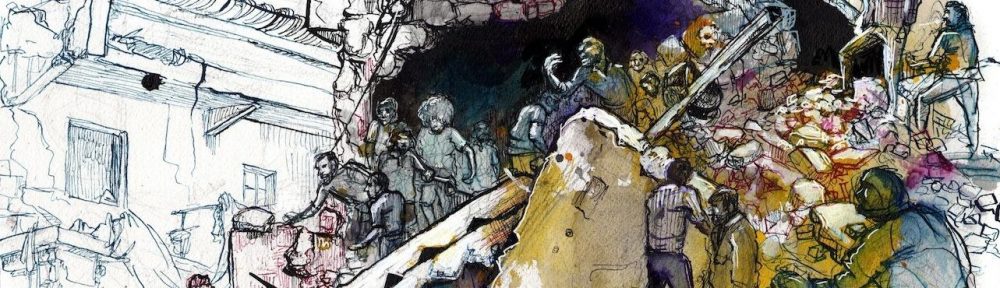
 I vividly remember reading Joachim Schlör‘s Nights in the Big City when it was first published almost twenty years ago – an extraordinary reflection on the impact of illumination and the perception of night in Berlin, Paris and London between 1840 and 1930. It joined Wolfgang Schivelbusch‘s elegant Disenchanted Night on my bookshelves, a text whose subtitle – ‘the industrialization of light in the nineteenth century‘ – concealed as much as it revealed the richness of Schivelbusch’s narrative.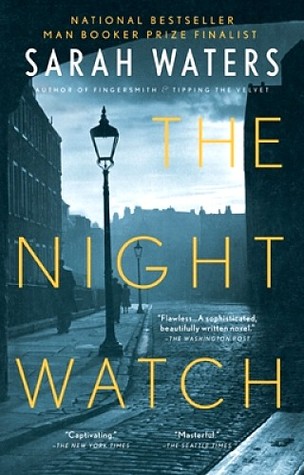

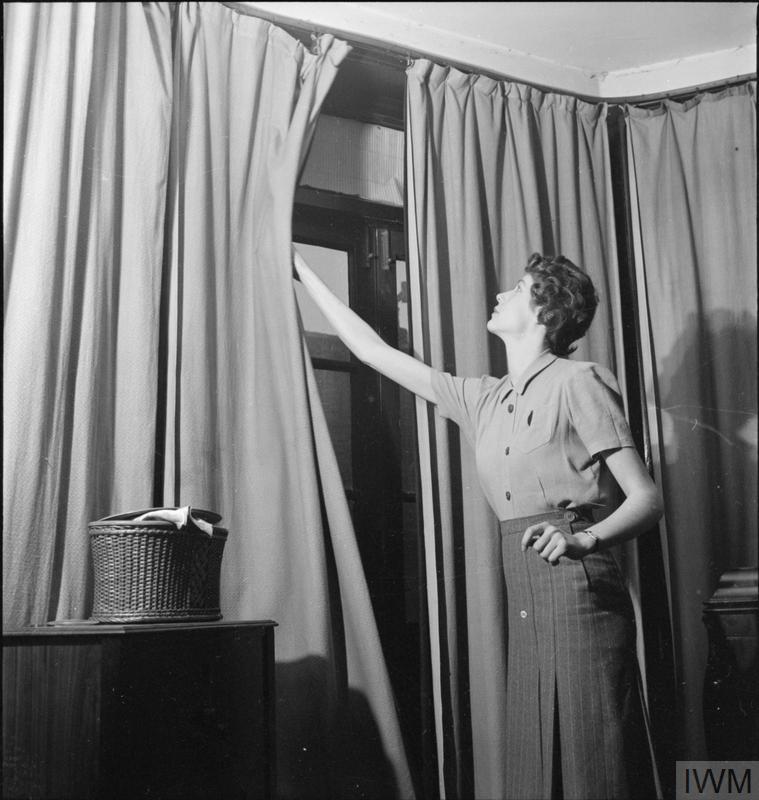
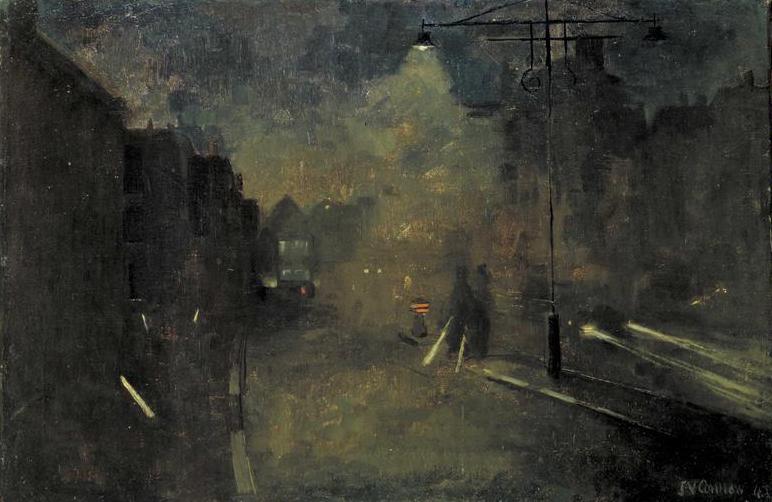
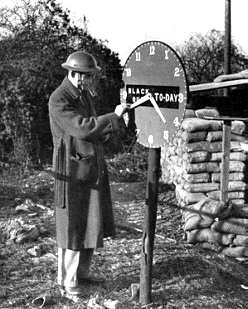
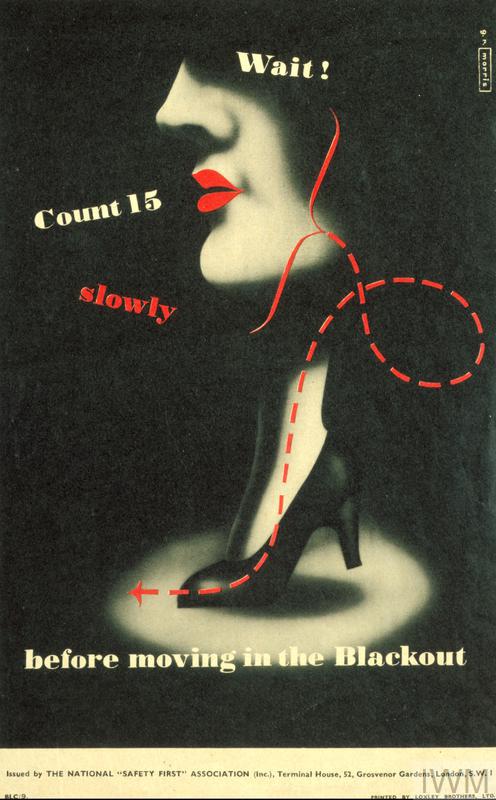


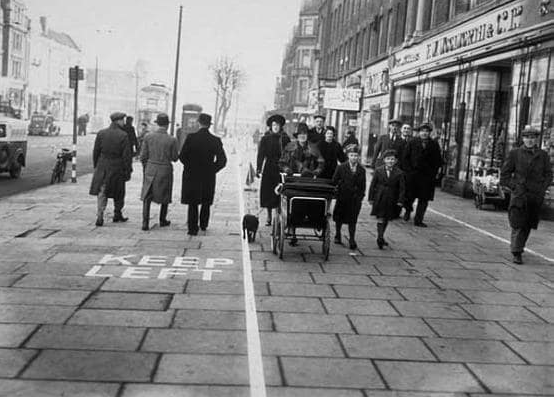
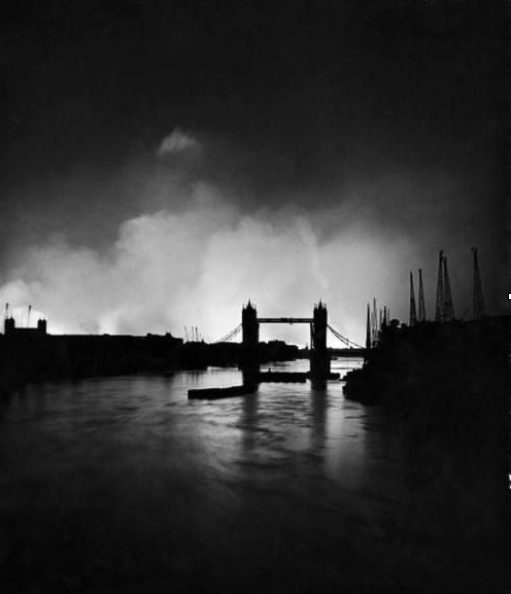

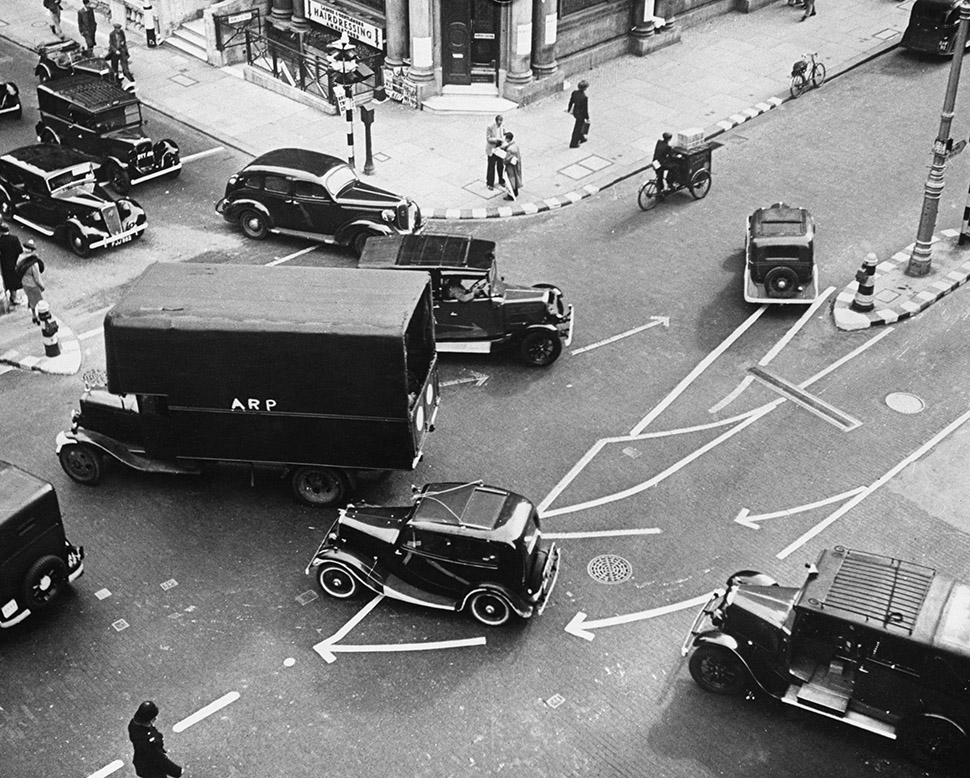
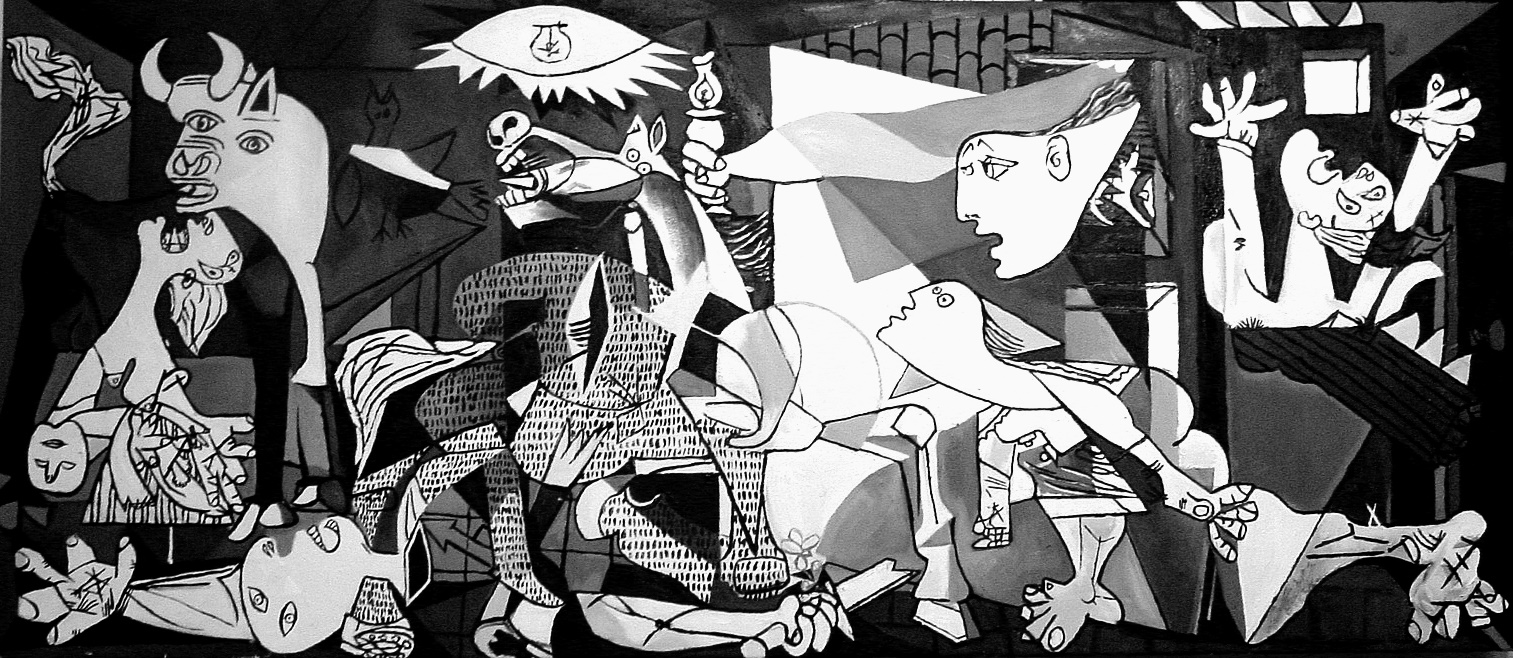
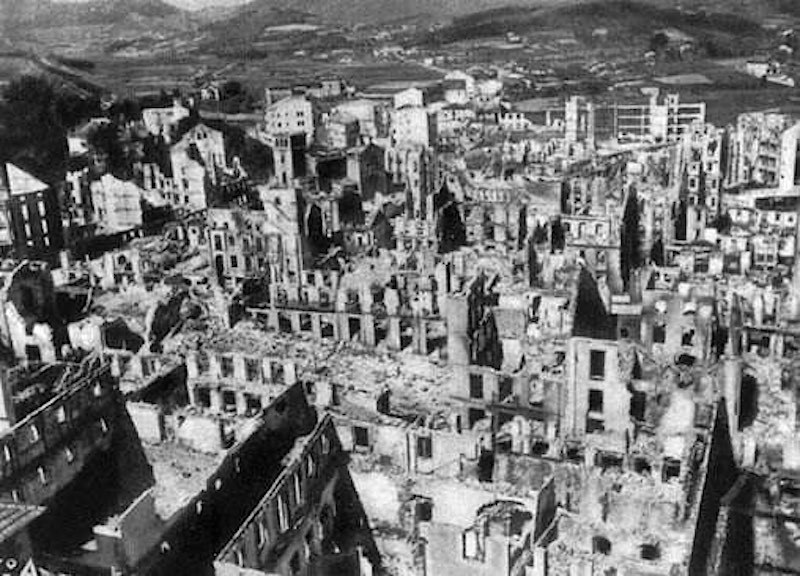
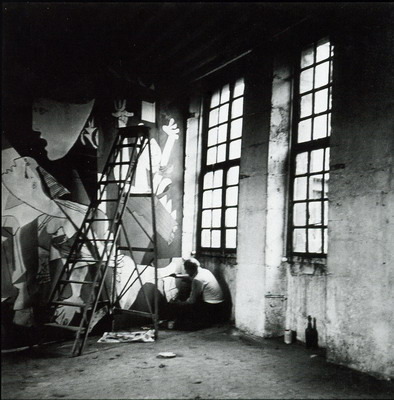
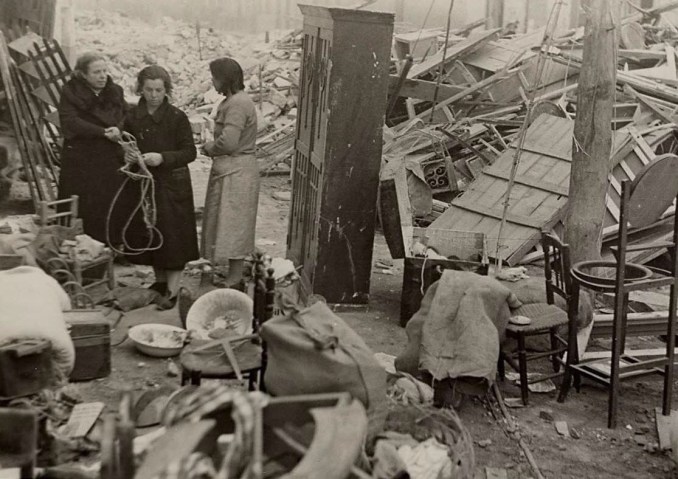

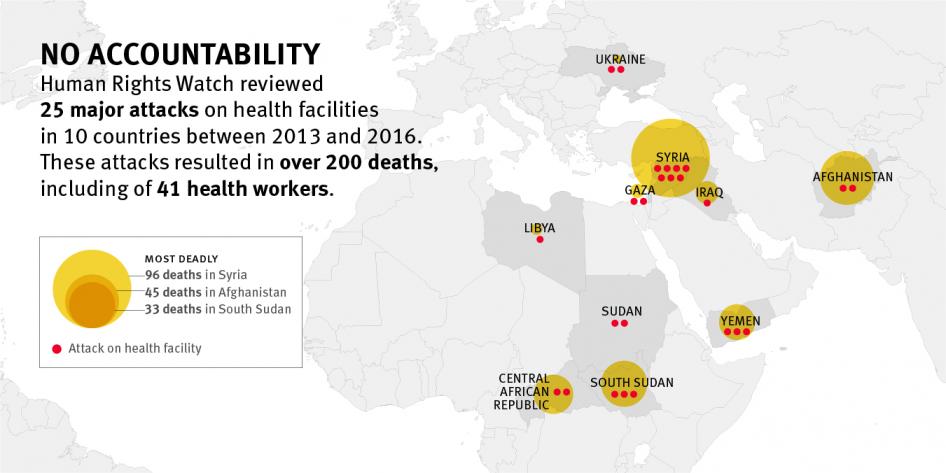
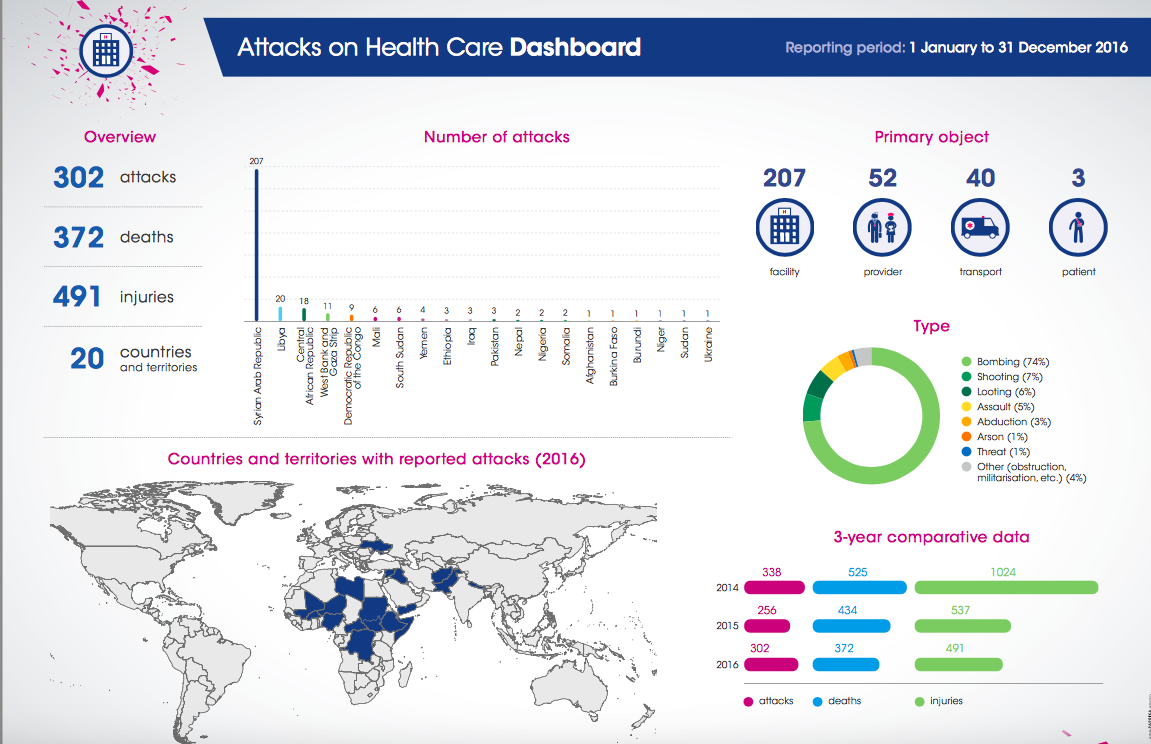
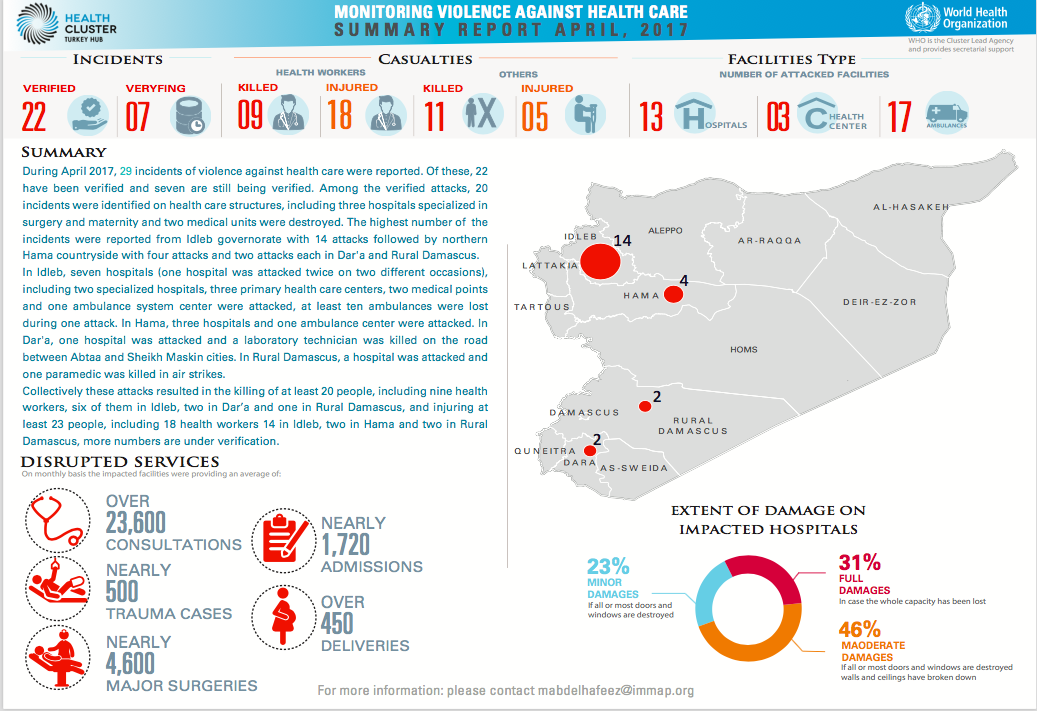
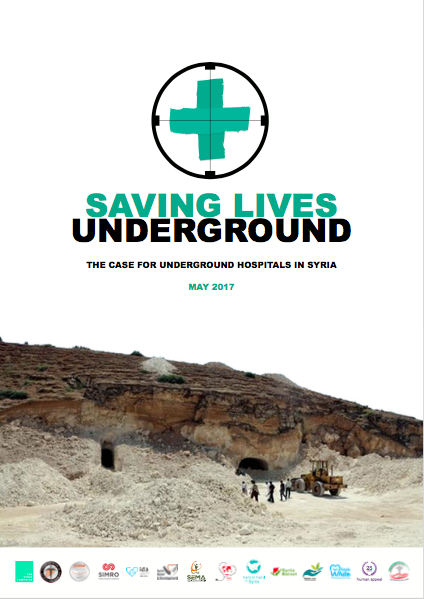
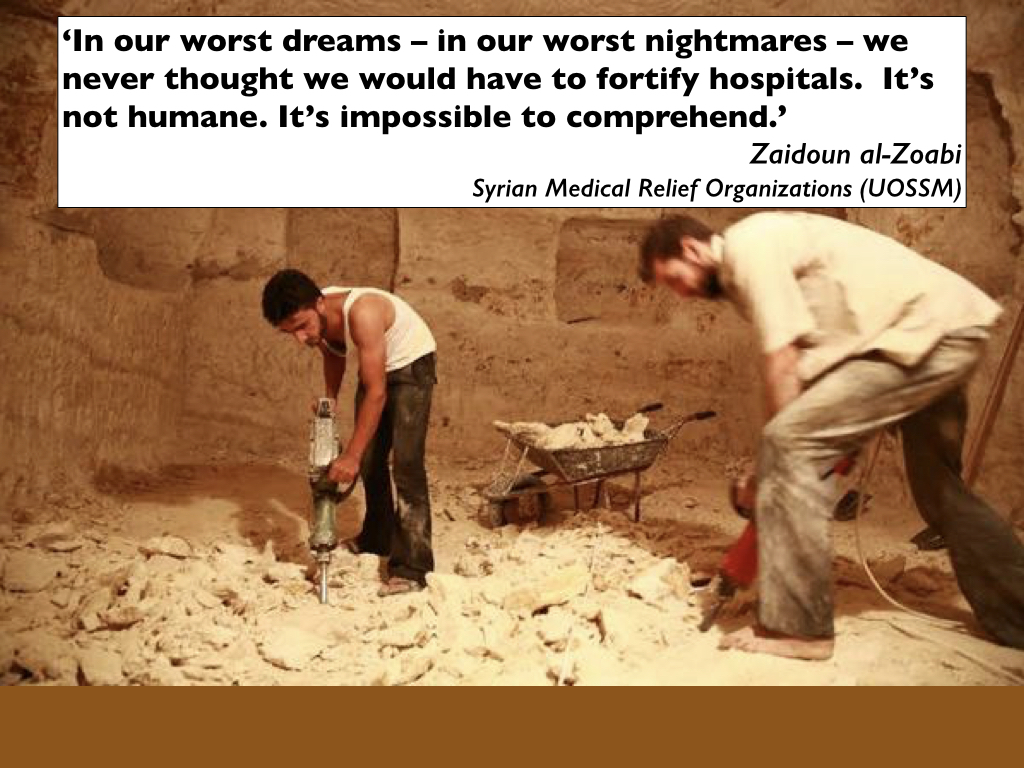
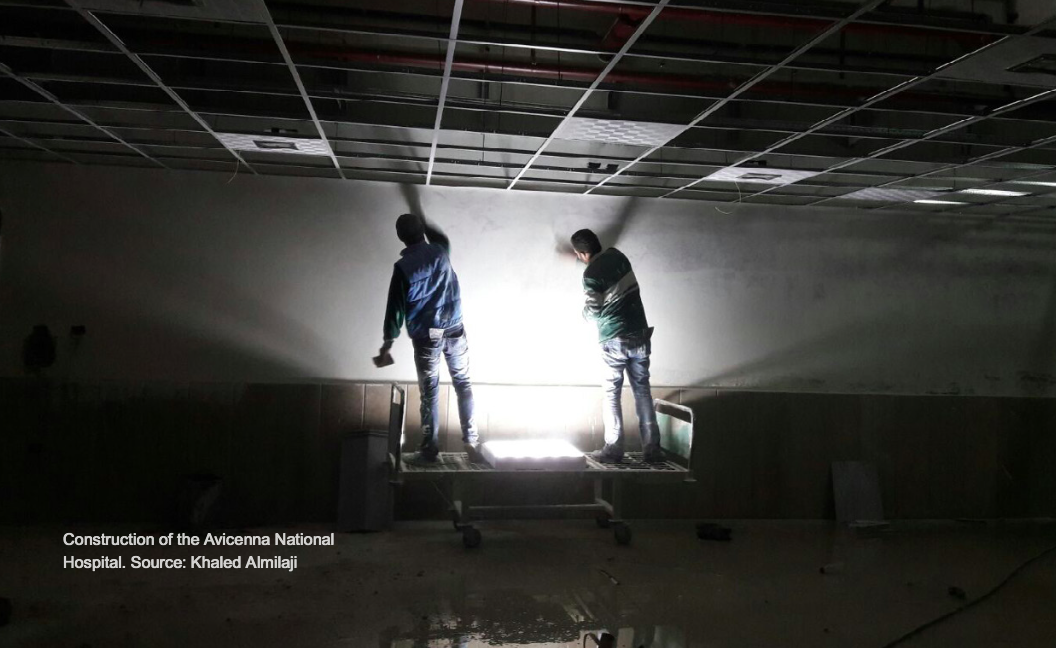
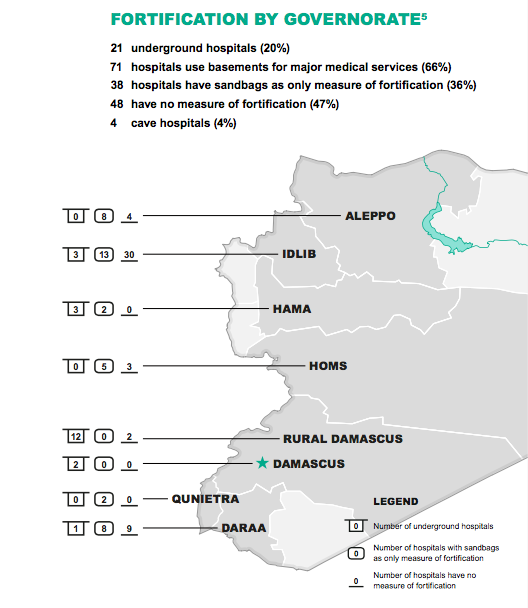
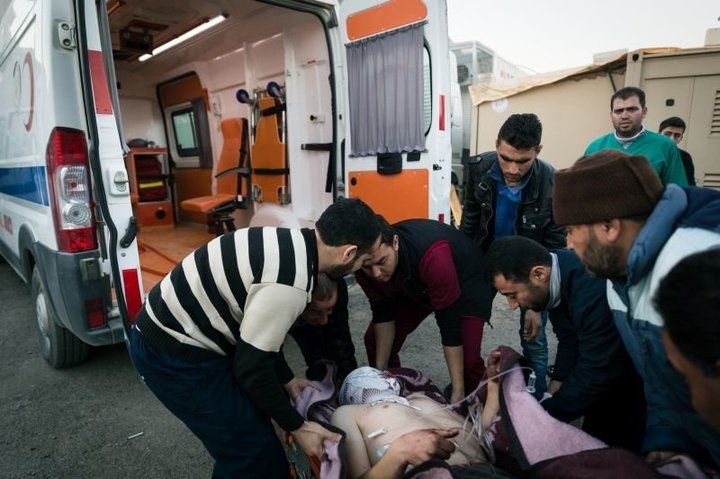
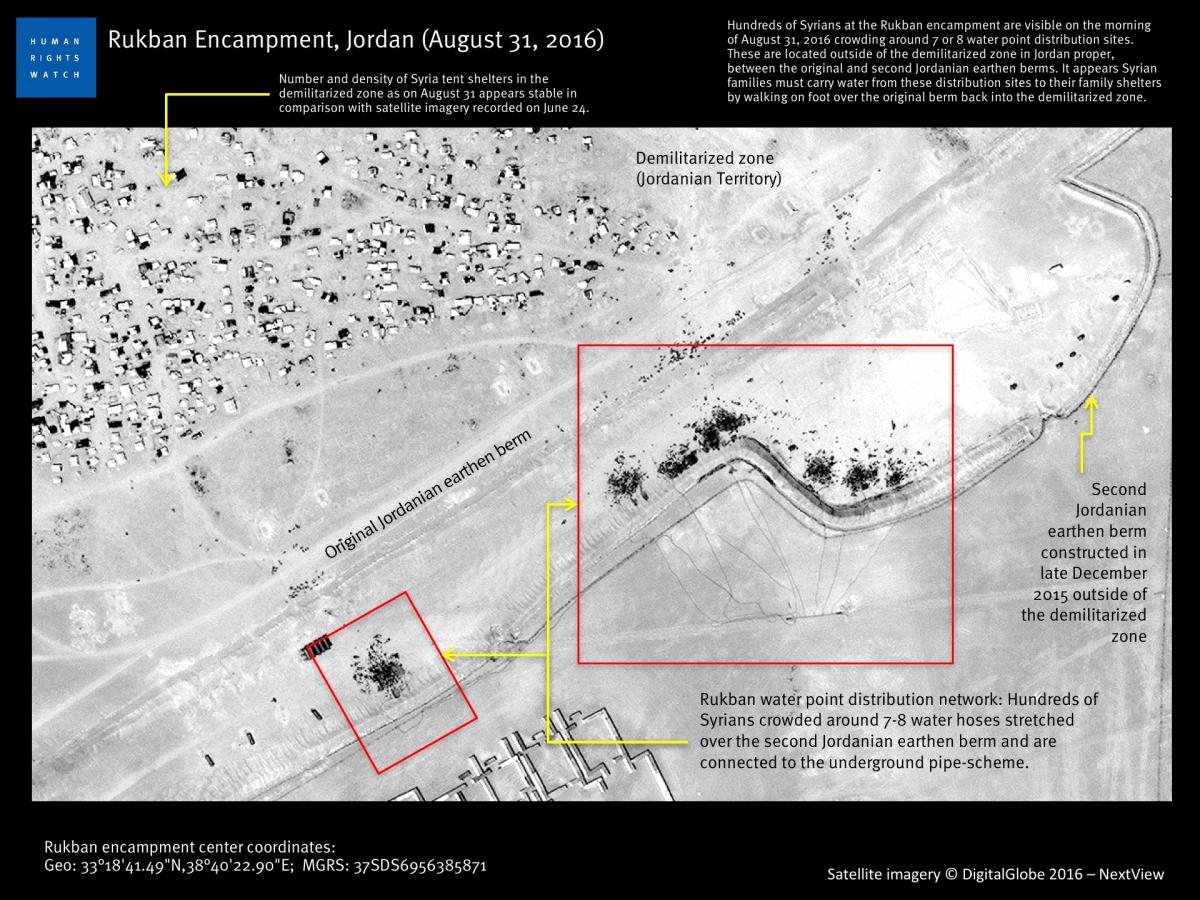
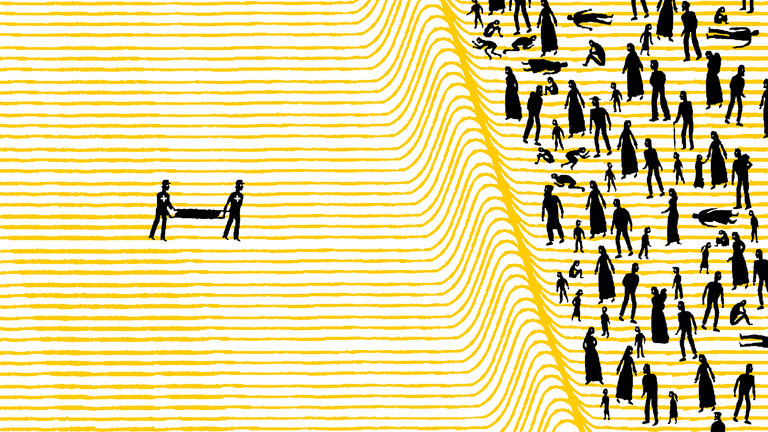
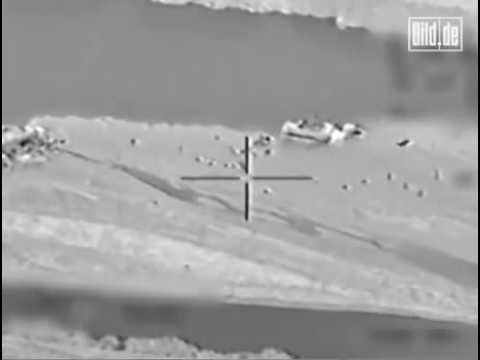
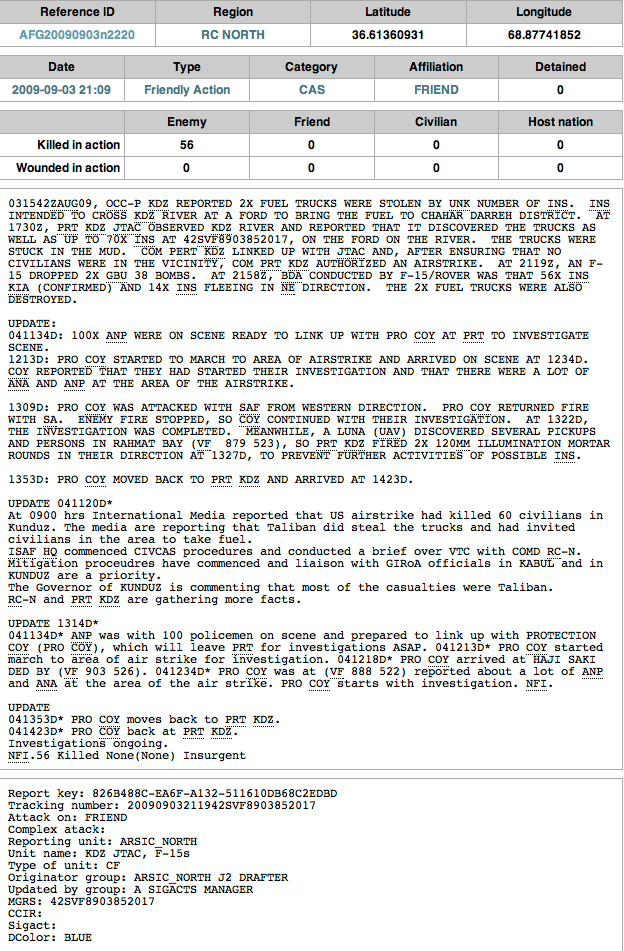
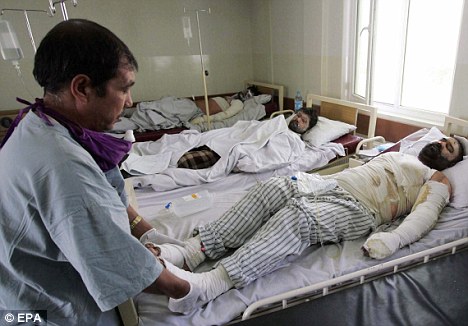
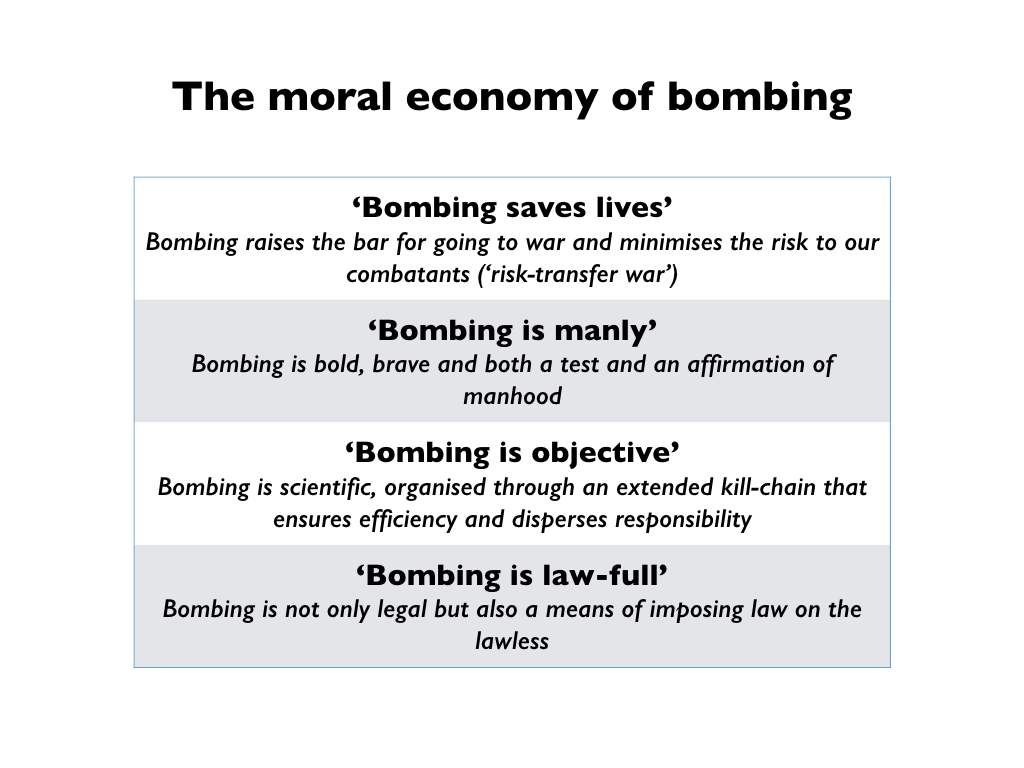
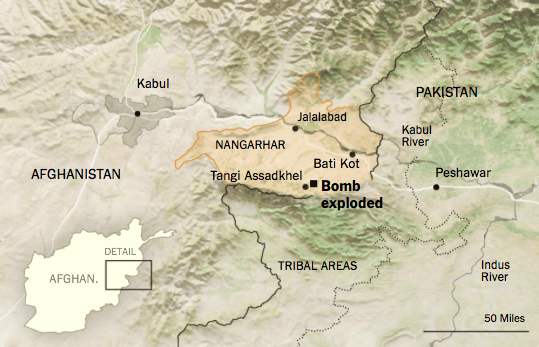
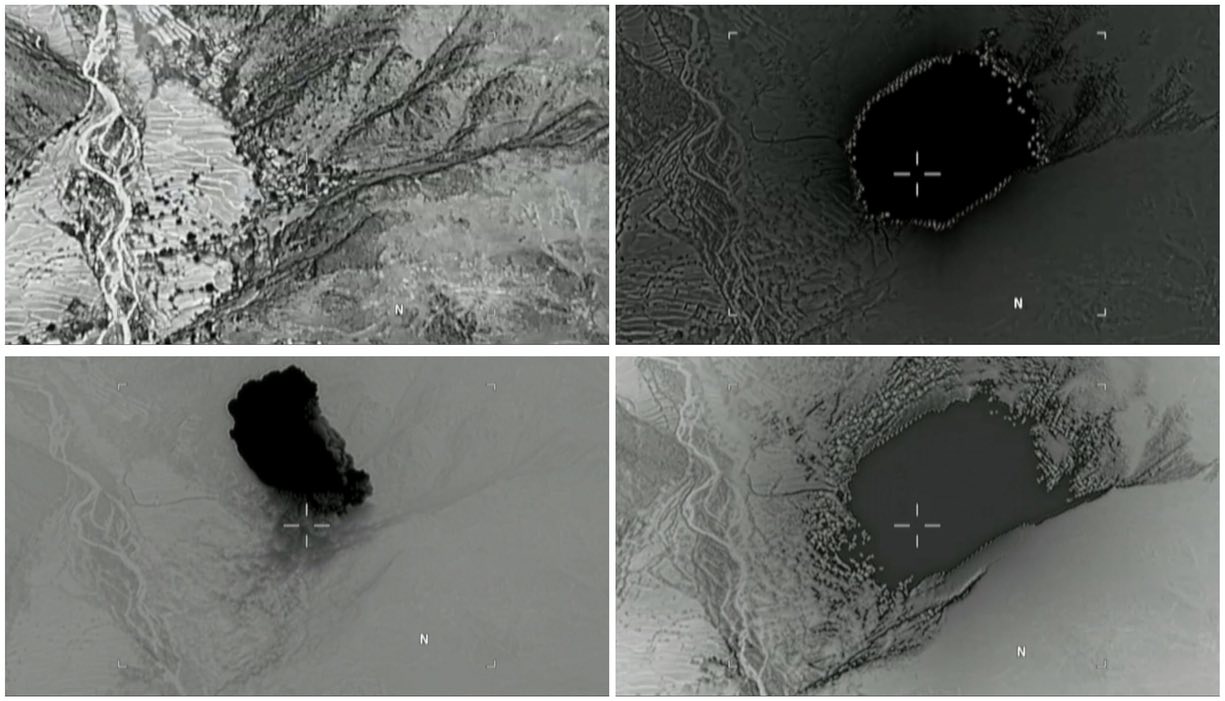
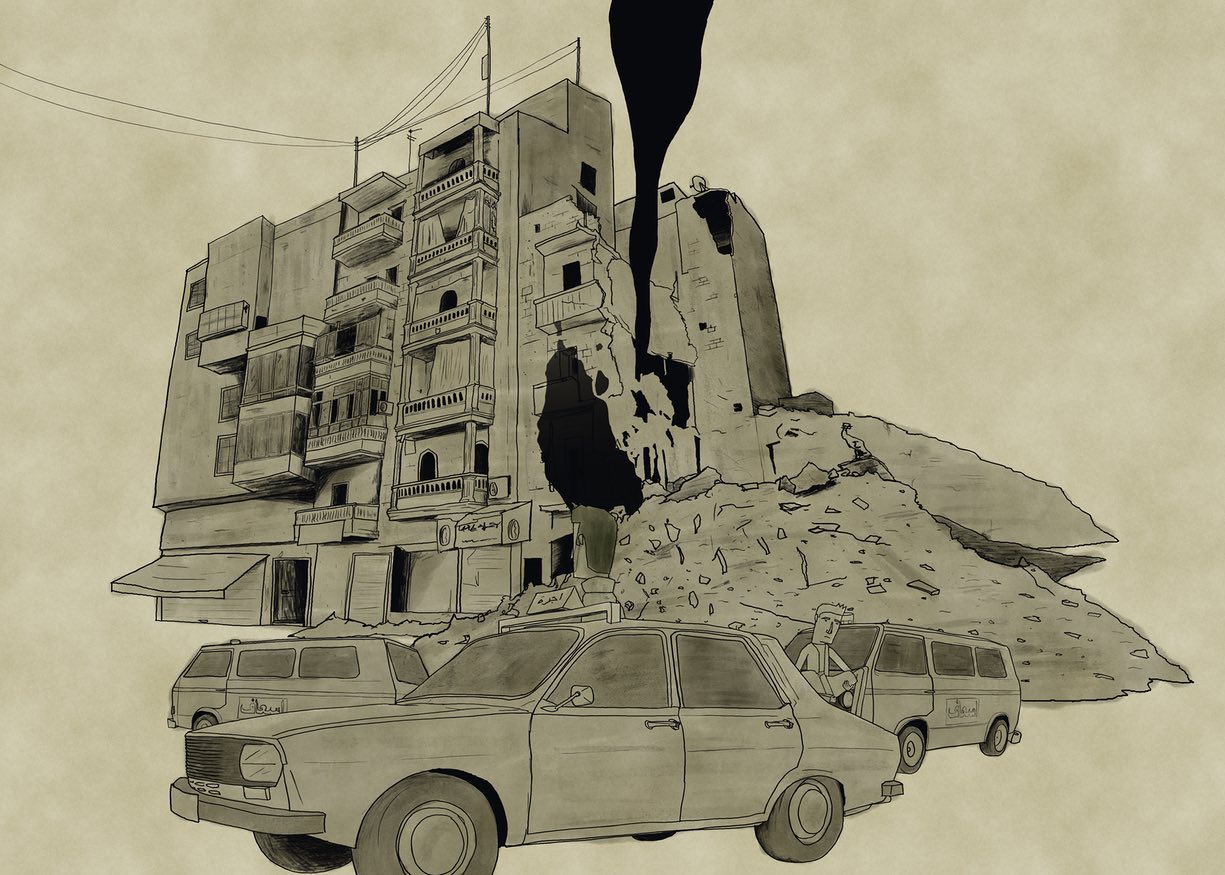
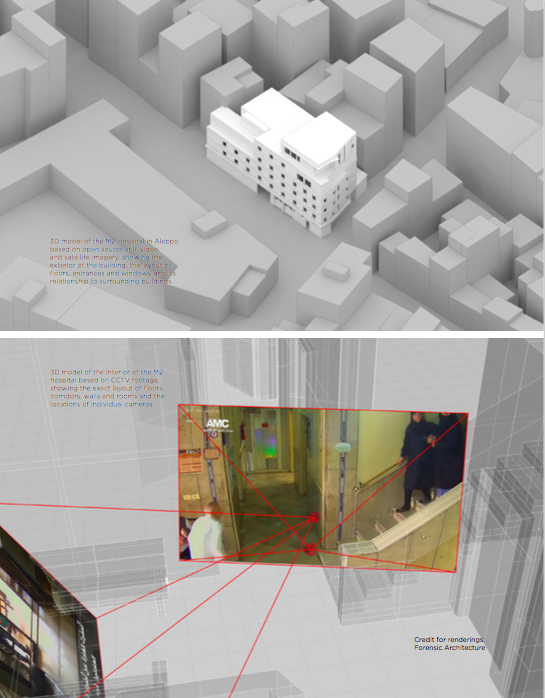
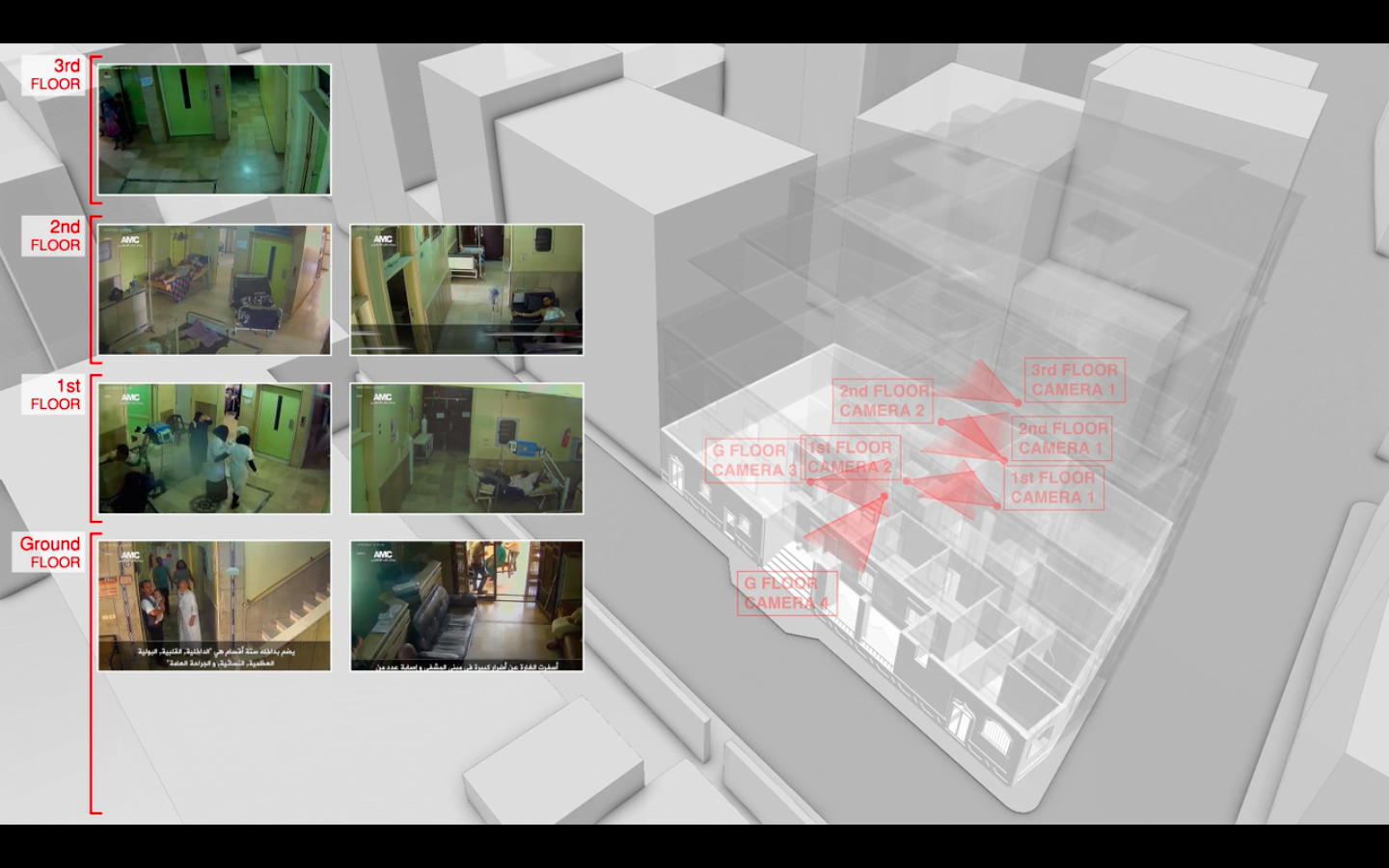
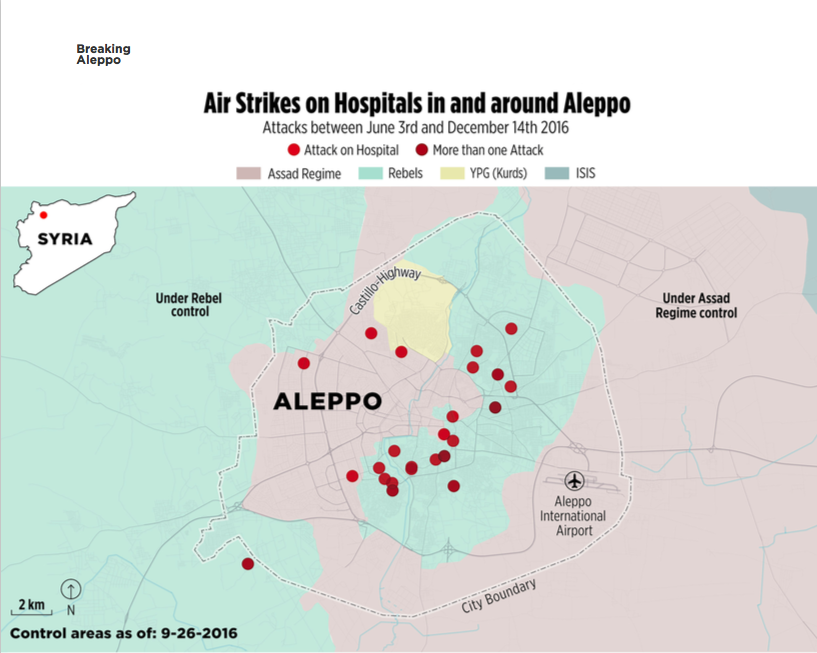
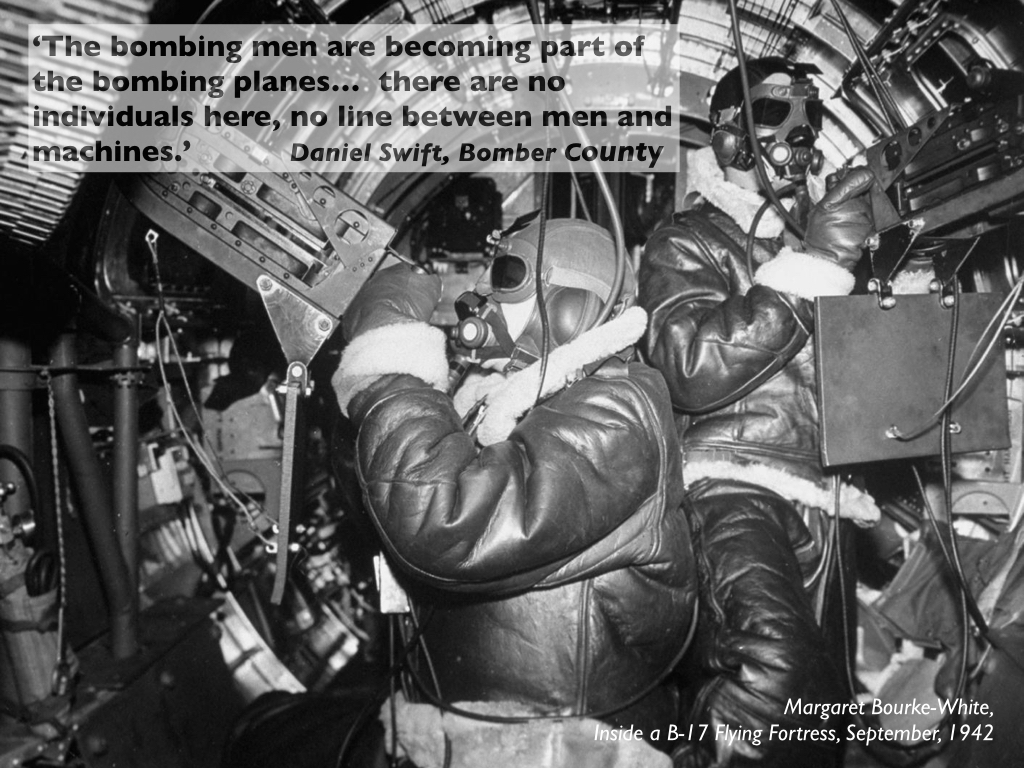
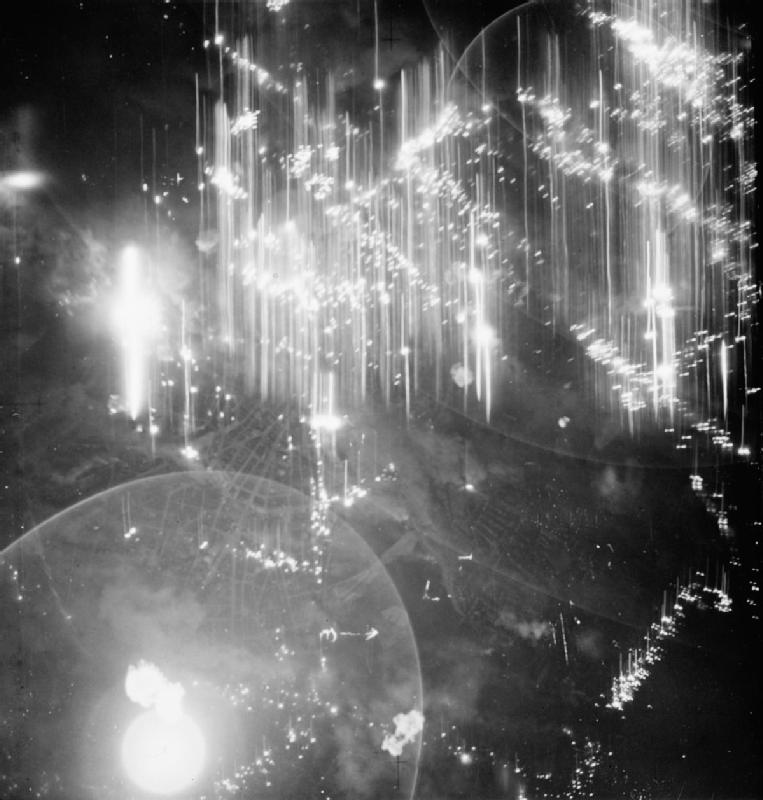
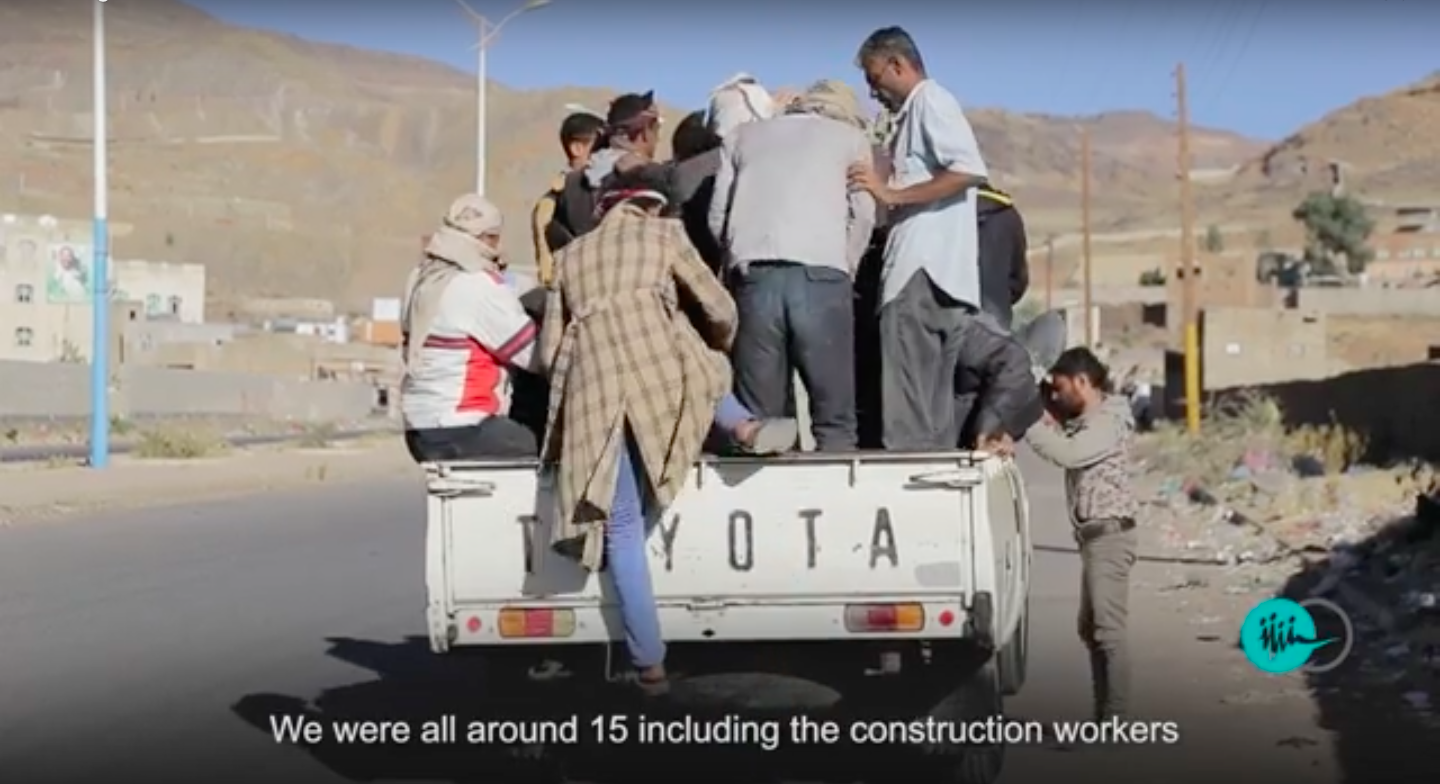
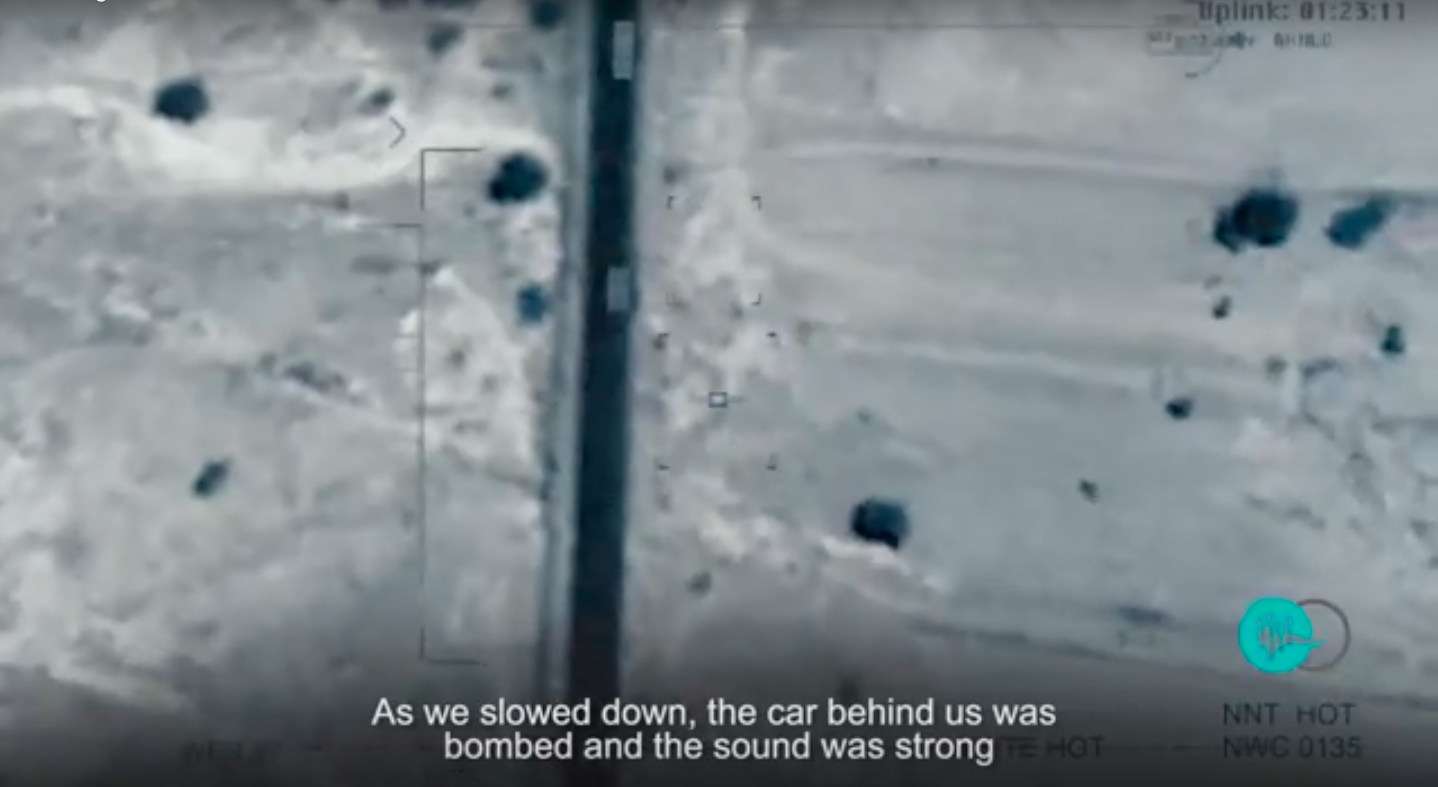
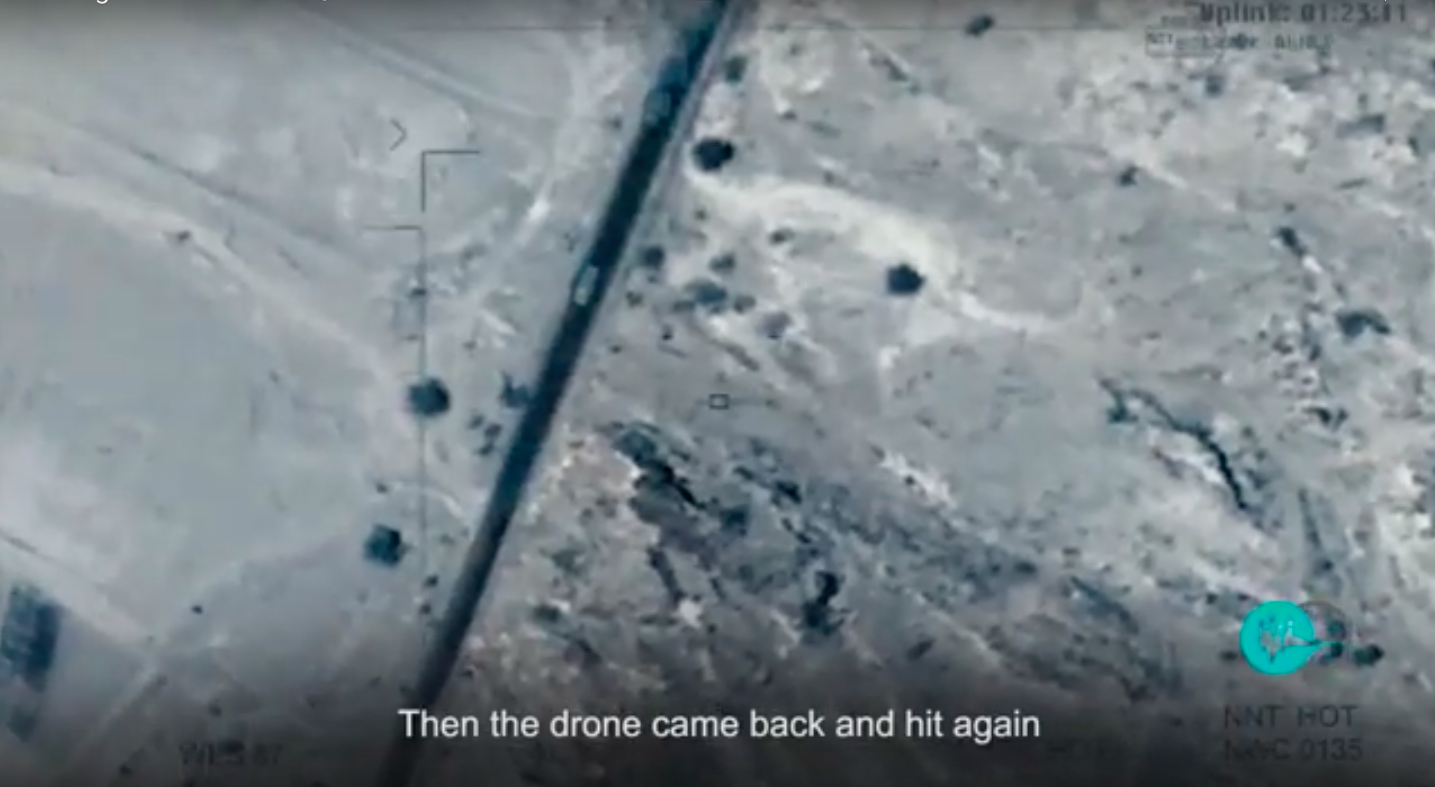
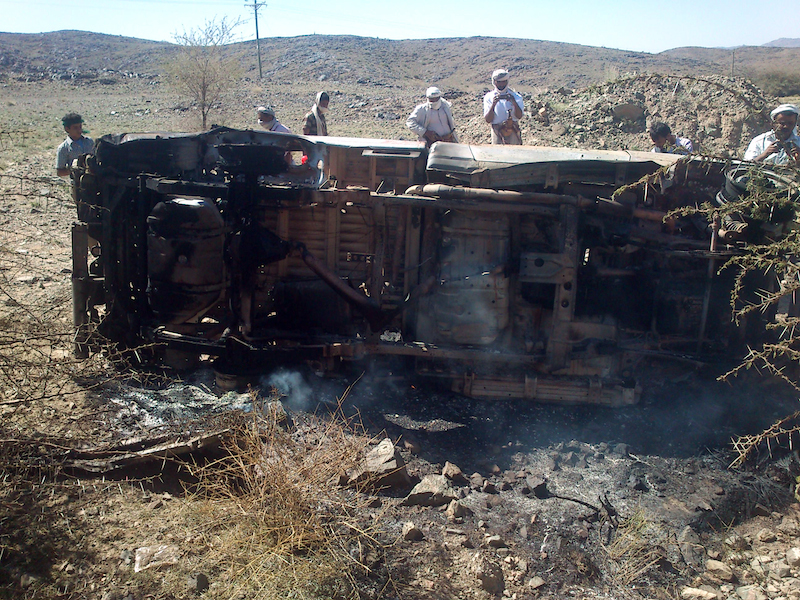
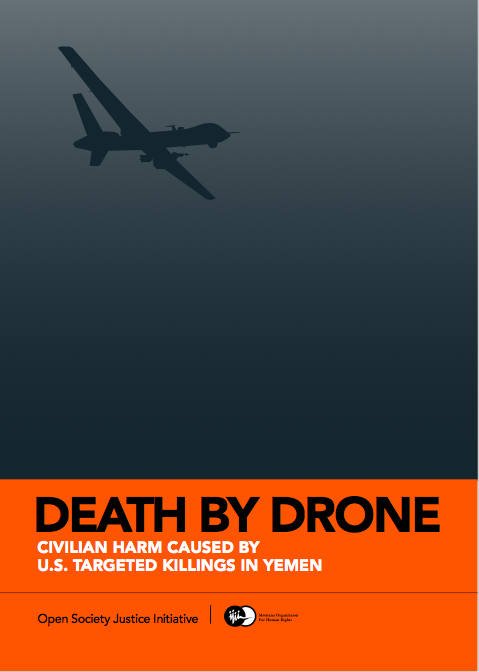
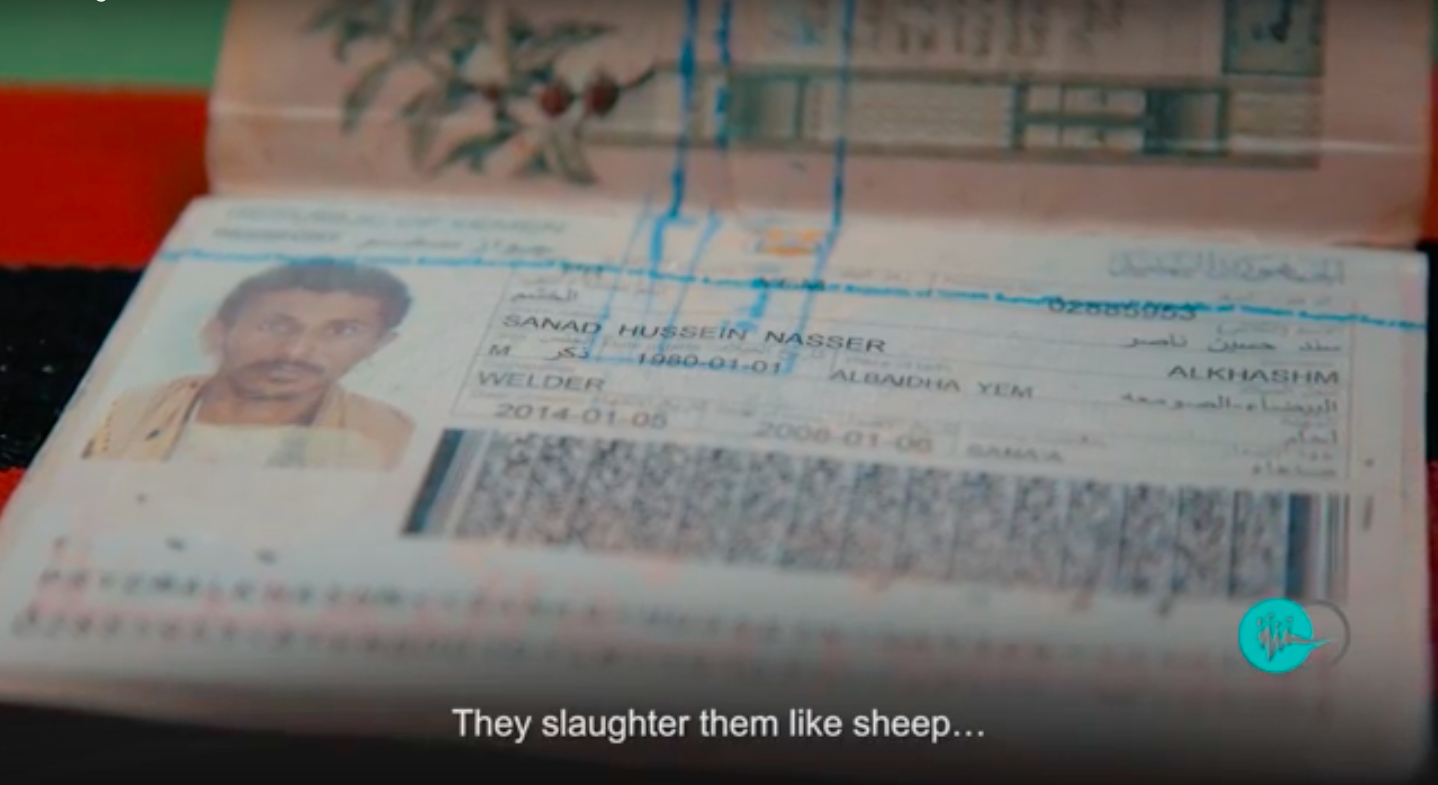
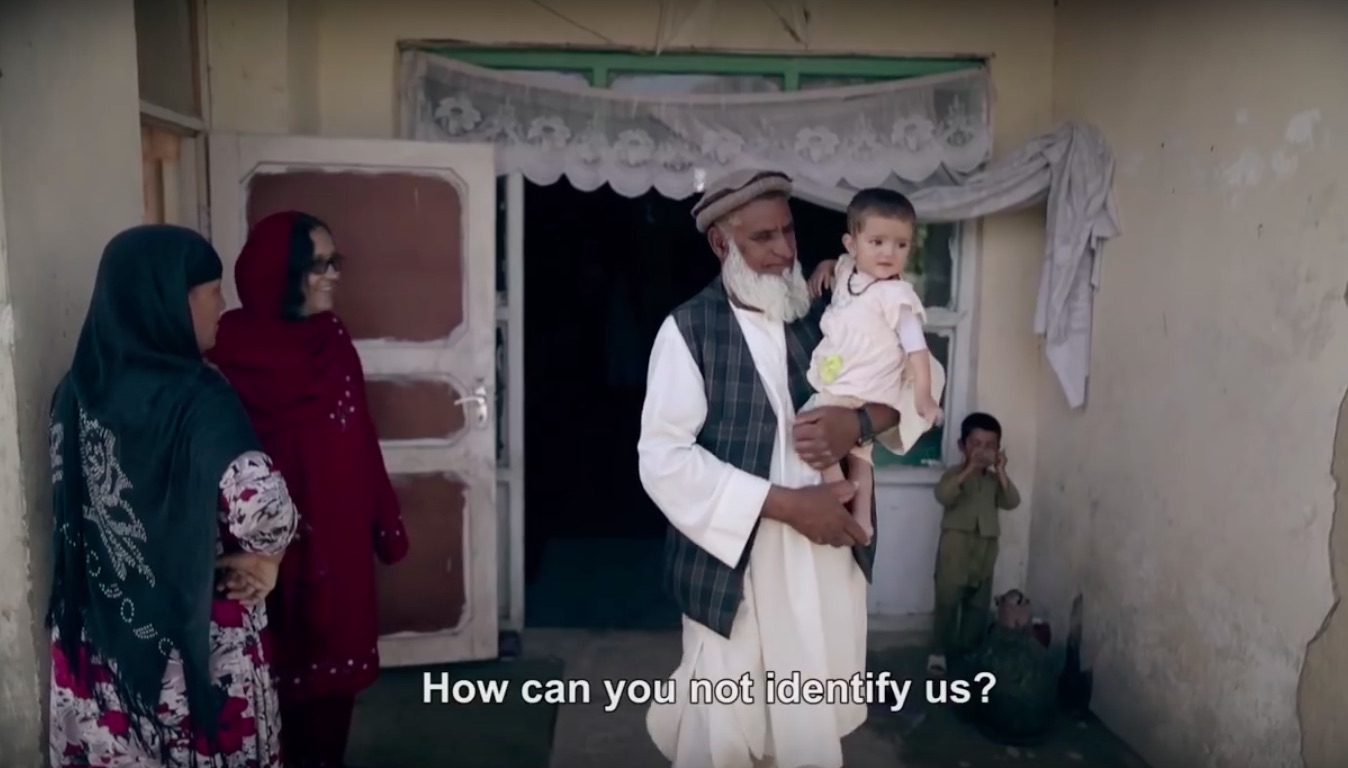
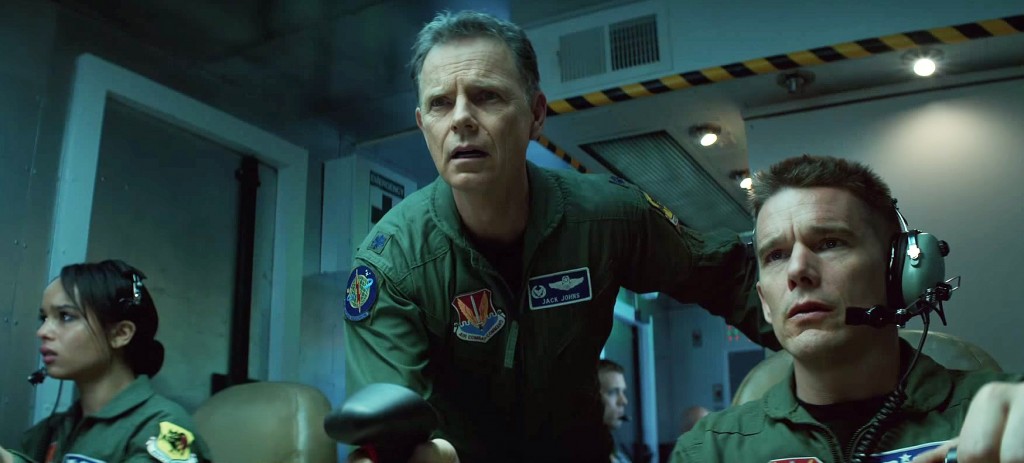
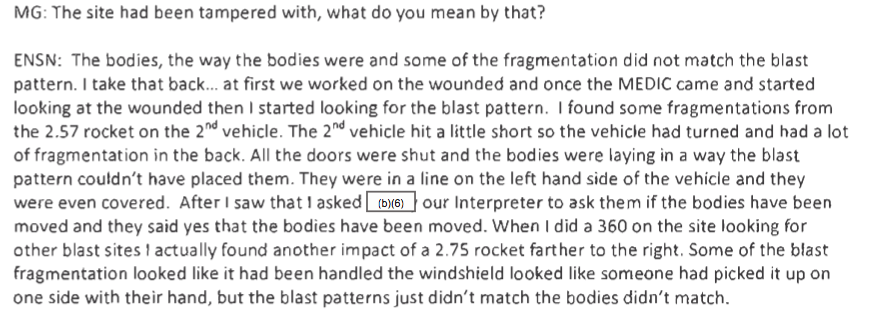
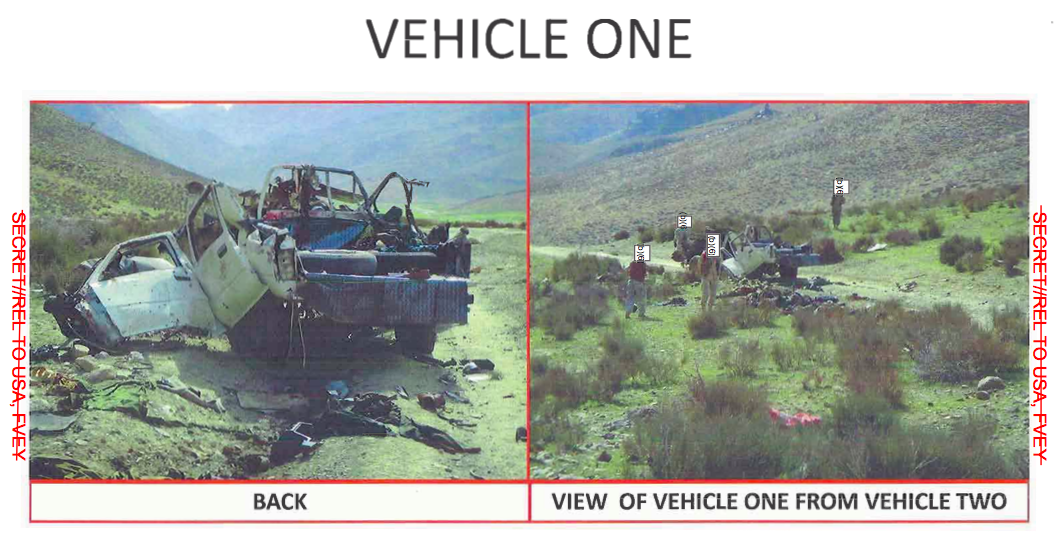
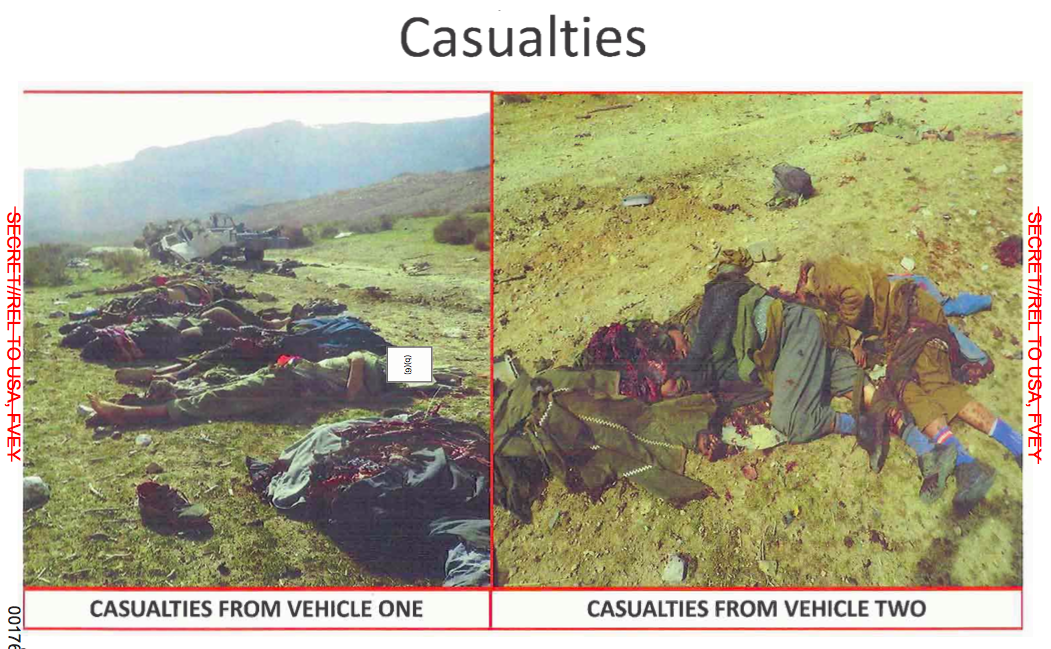
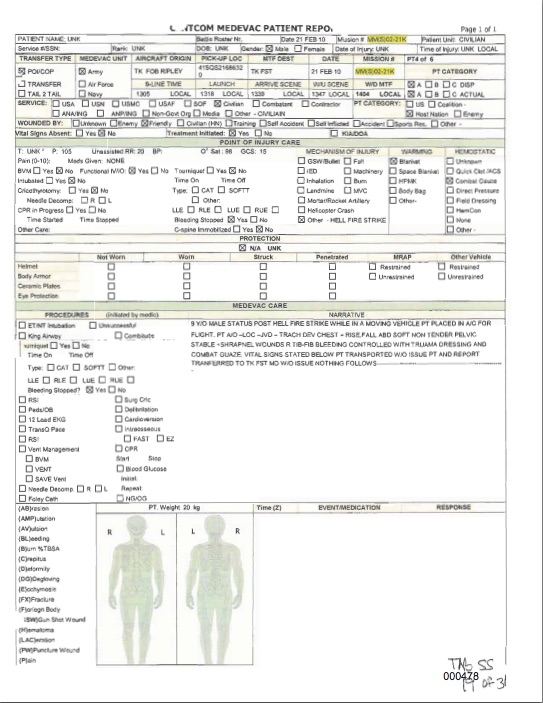
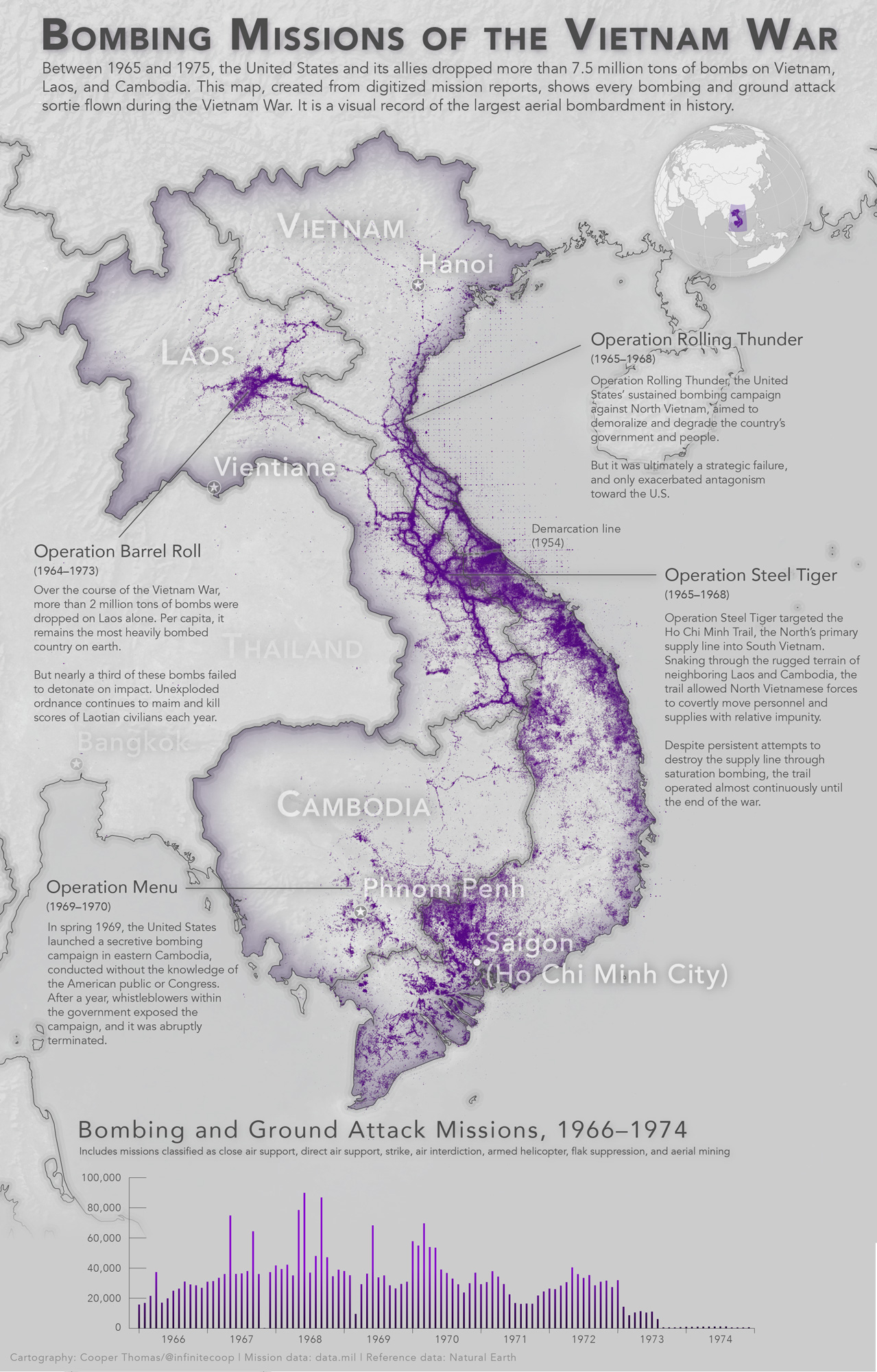
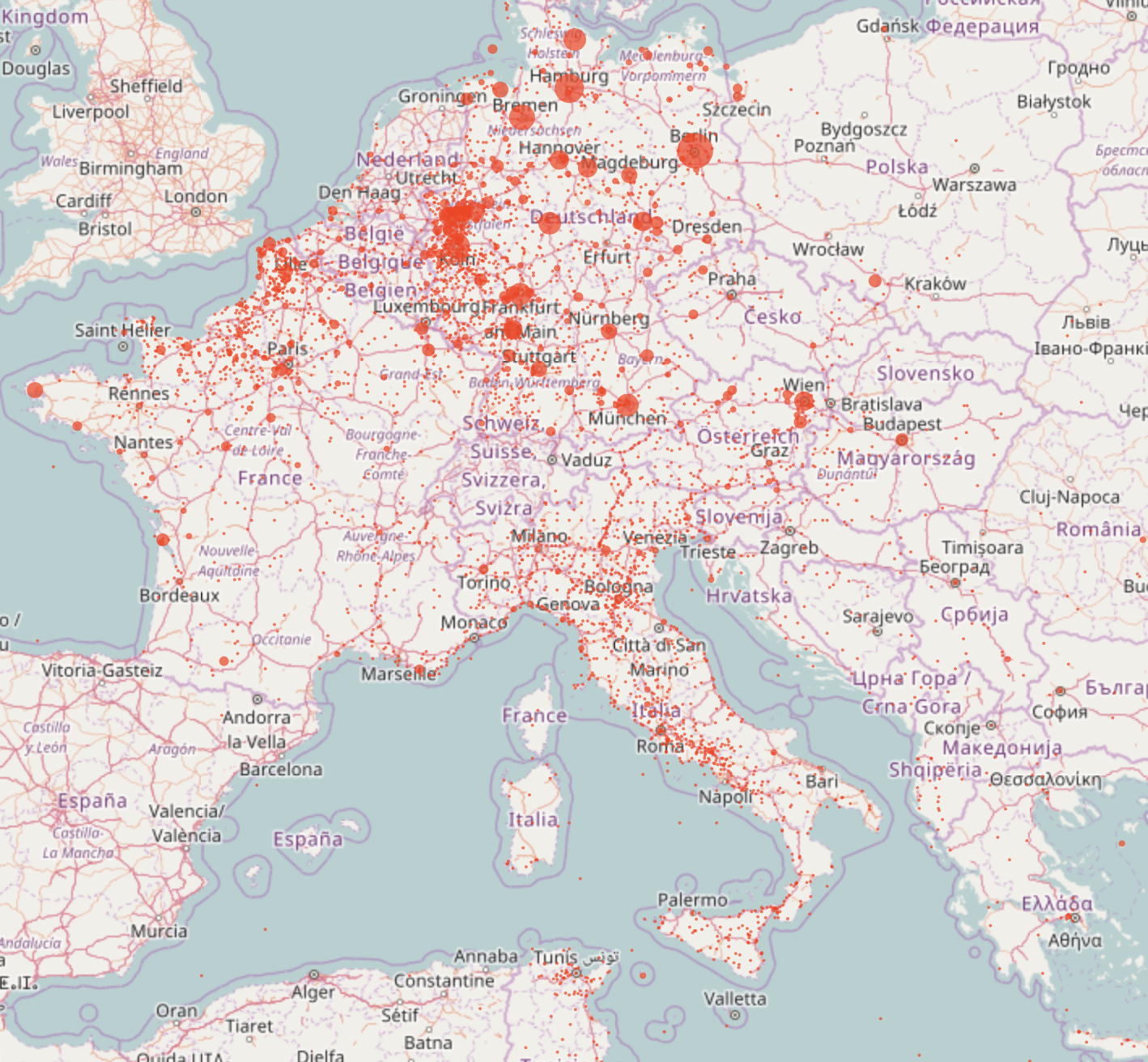
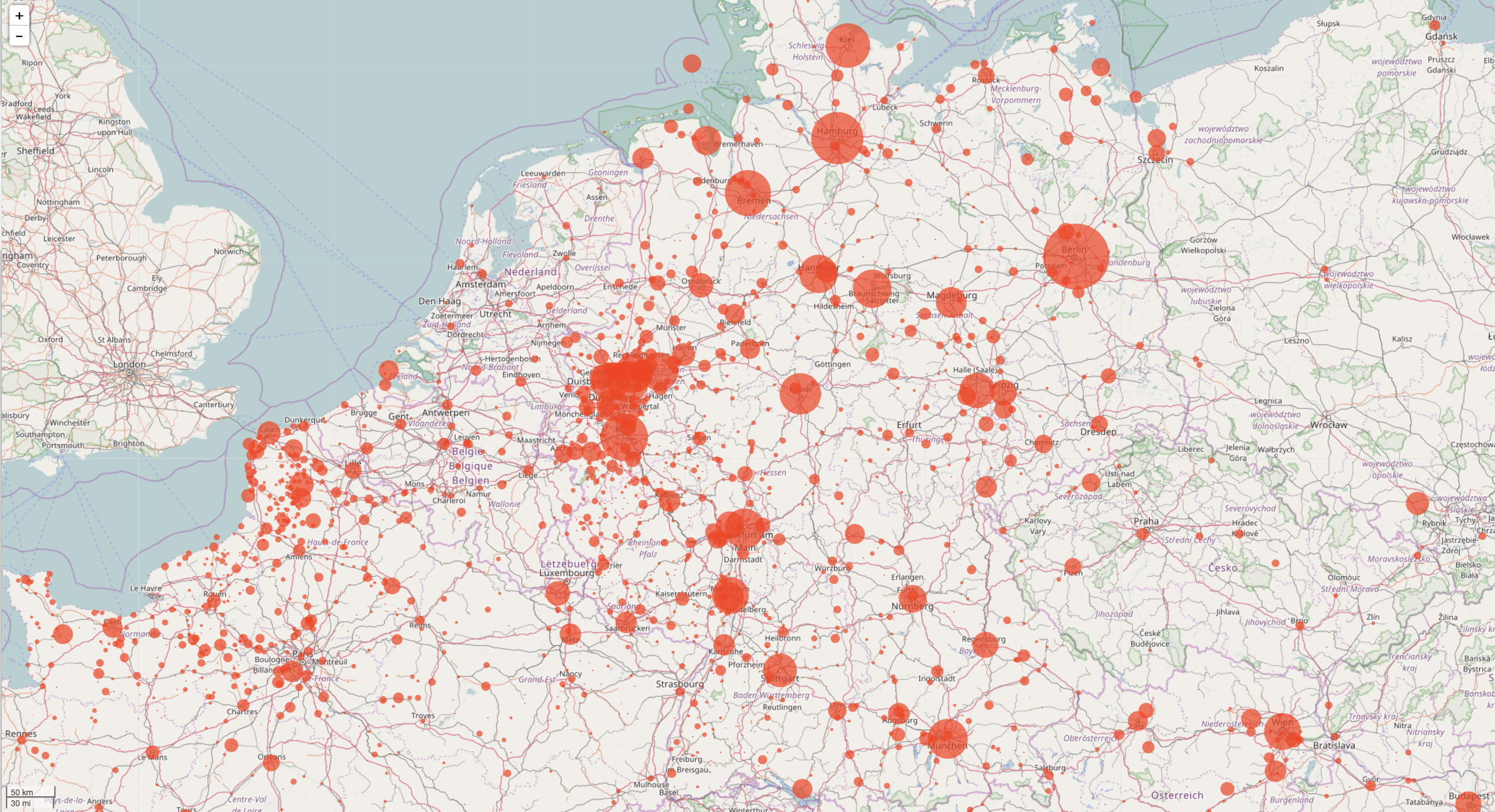
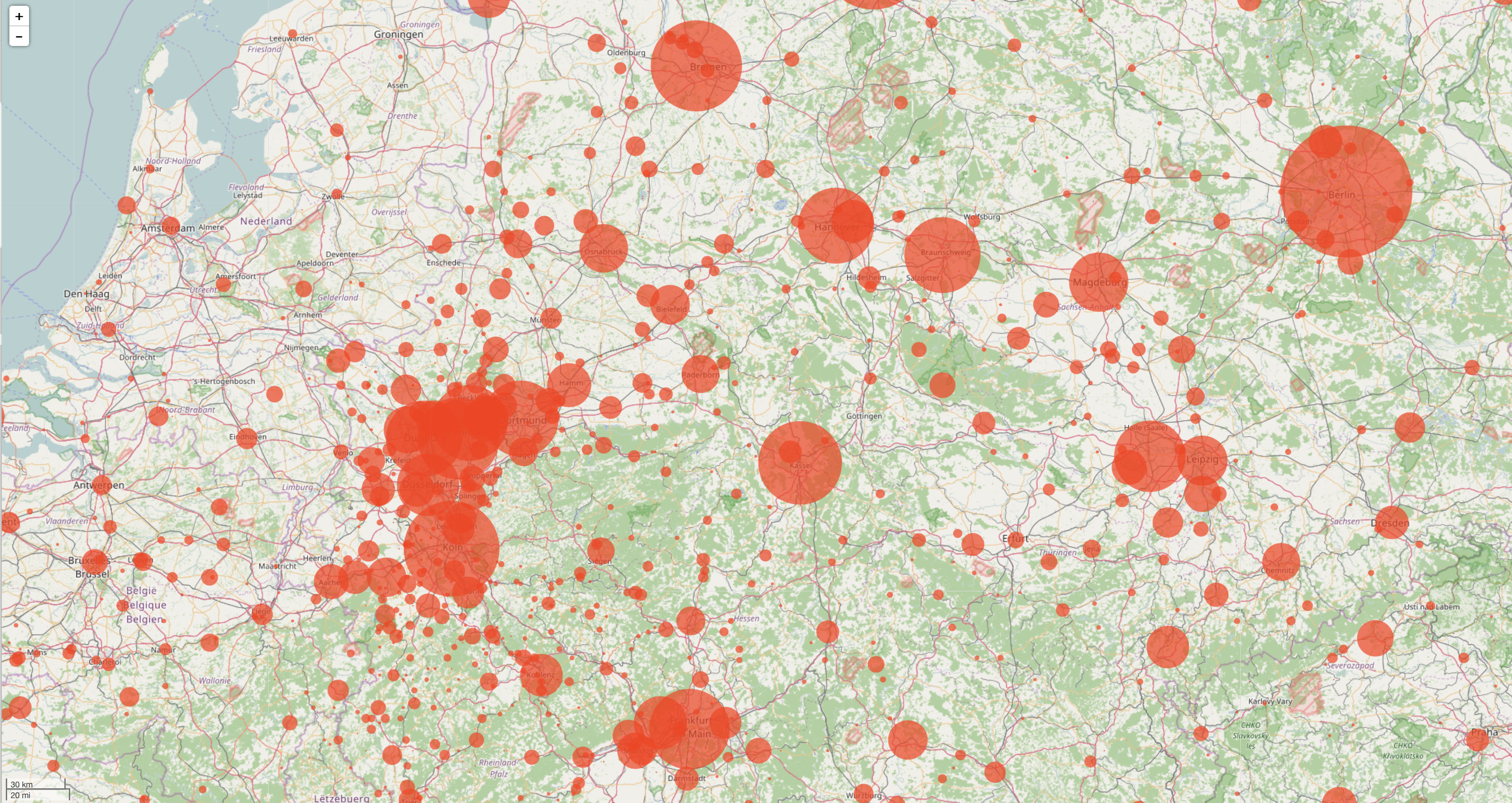
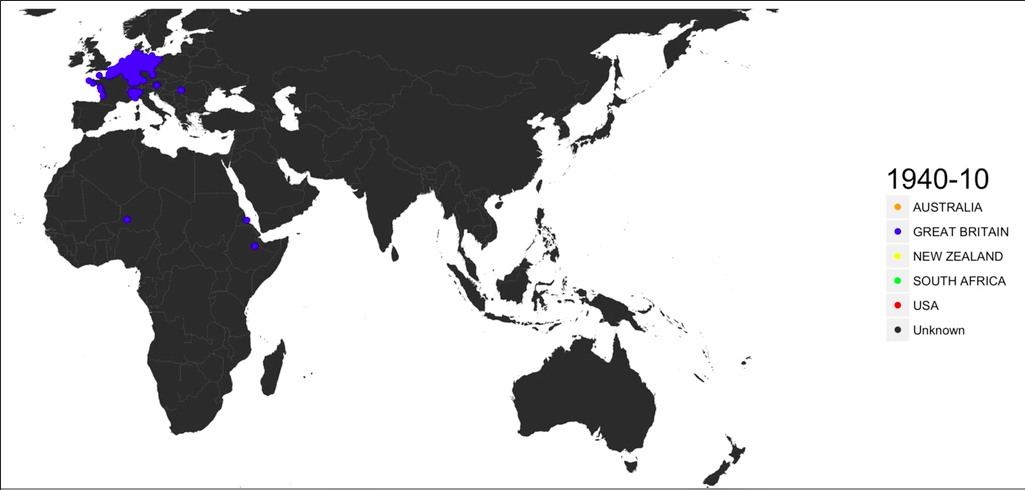

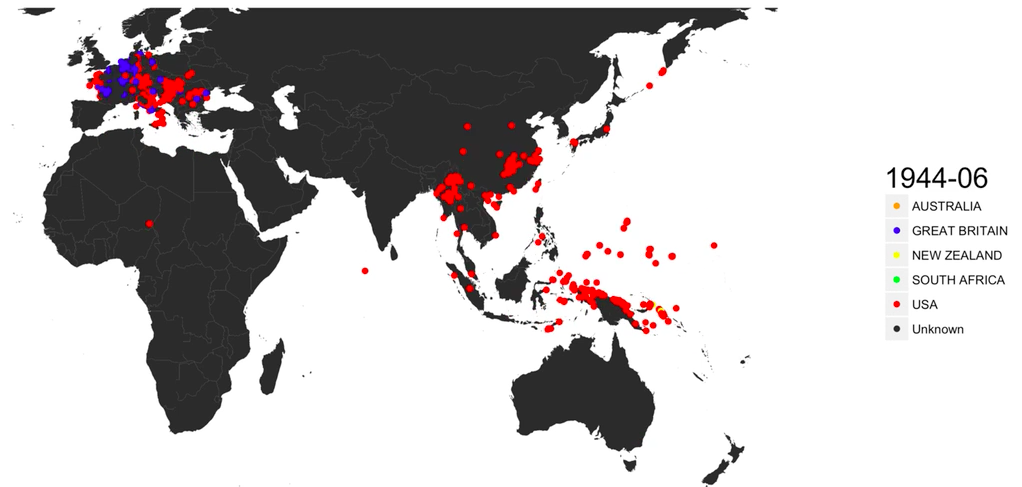
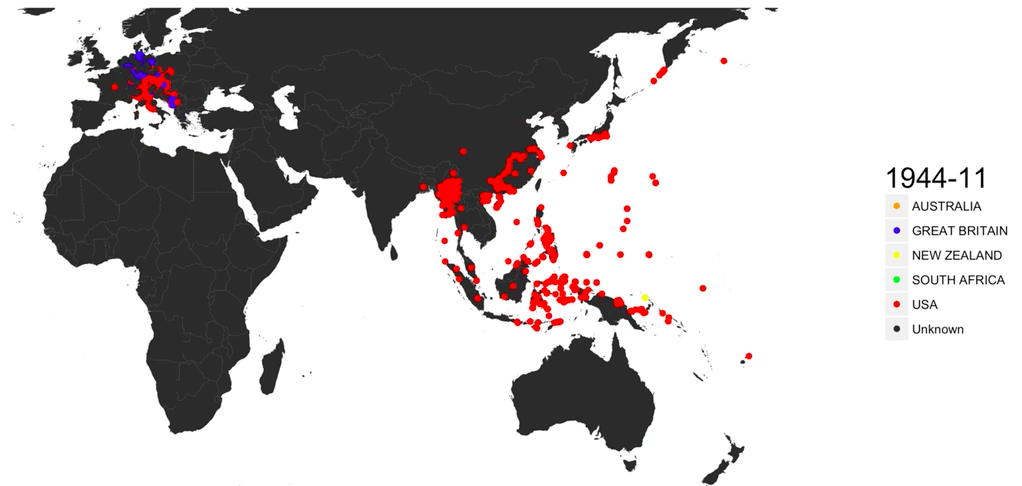
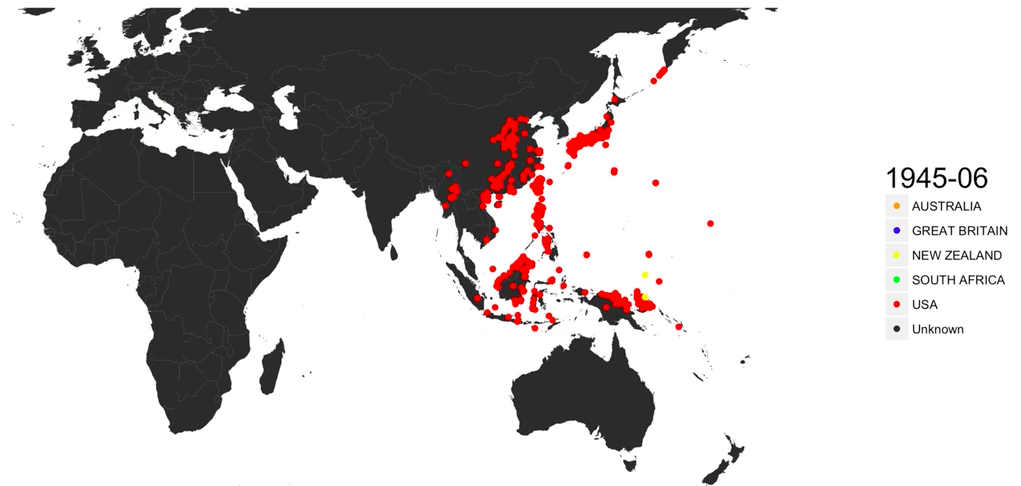
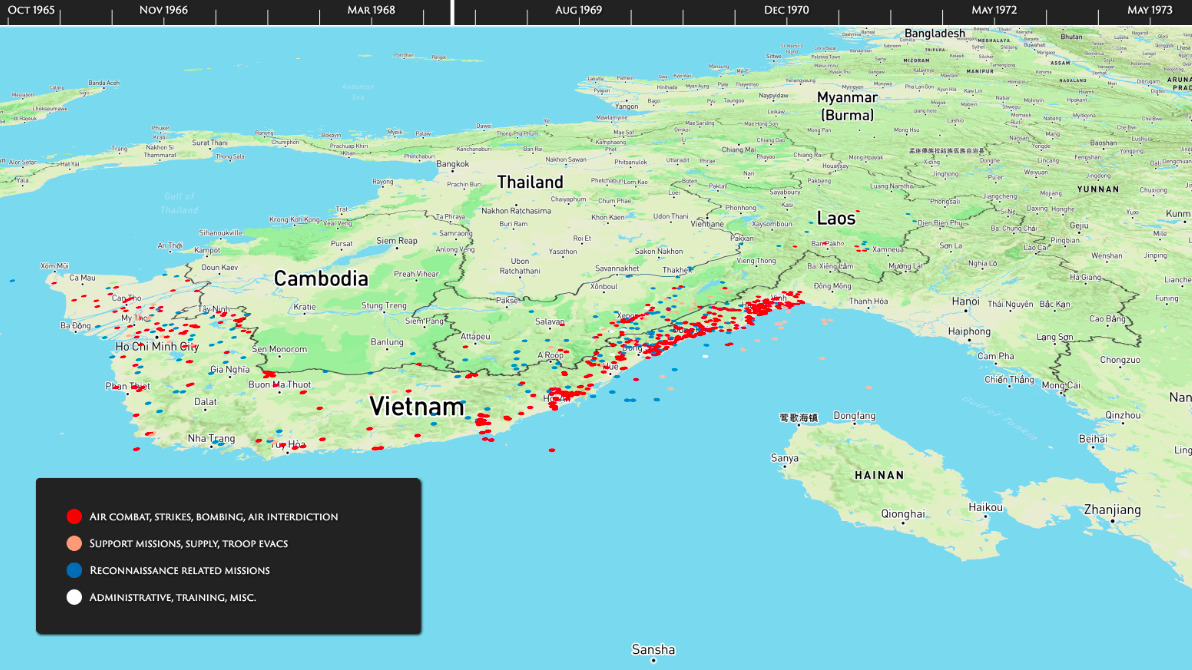
 geographical imaginations