The second of the three recent US air strikes I’ve been looking at took place near Harim [Harem on the map above] in Syria on the night of 5-6 November 2014. The report of the military investigation into allegations of civilian casualties is here.
The aircraft launched multiple strikes against two compounds which had been identified as sites used as meeting places for named (though redacted) terrorists and sites for the manufacture and storage of explosives by the al-Qaeda linked ‘Khorasan Group’ (if the scare-quotes puzzle you, compare here and here).
The compounds each contained several buildings and had previously been on a No Strike List under a category that includes civilian housing; they lost their protected status when ‘they were assessed as being converted to military use’ but ‘other residential and commercial structures were situated around both targets’. An annotated image of the attack on the first compound is shown below:
Although the report argues that ‘the targets were engaged in the early morning hours when the risk to civilians was minimized’ – a strange statement, since most civilians would have been asleep inside those ‘residential structures’ – US Central Command subsequently received open-source reports of from three to six civilian casualties, together with still and video imagery. By the end of December 2014 the Combined Joint Task Force conducting ‘Operation Inherent Resolve’ had completed a preliminary ‘credibility assessment’ of the claims and found sufficient evidence to establish a formal investigation into the allegations of civilian casualties. The investigating officer delivered his final report on 13 February 2015.
He also had access to a report from the Syrian Network for Human Rights that provided a ground-level perspective (including video) unavailable to the US military. Its narrative is different from US Central Command, identifying the targets as being associated with An-Nussra:
The warplanes launched, at first, four missiles that hit three military points, which are located next to each other, in the northeast of the town:
1 – The Agricultural Bank, which is used by An-Nussra front as a center.
2 – The central prison checkpoint, where An-Nussra fighters were stationed.
3 – An ammunition depot in the same area.
The shelling destroyed and burned the Agricultural Bank’s building completely in addition to damaging a number of building nearby. Furthermore, a number of cars were burned while a series of explosions occurred after an explosion in the ammunition depot..
Afterwards, the warplanes targeted a fourth center with two missiles. [This target] was a building by an old deserted gas station located near the industrial school in the south of the town. The shelling destroyed the center completely as well as the gas station in addition to severely damaging the surrounding buildings. Harem residents were aided by the civil-defense teams to save people from underneath the rubble.
SNHR documented the killing of two young girls; one could not be unidentified but the other was Daniya, aged 5, who was killed along with her father who was said to be one of the An-Nussra fighters living in a house near the Agricultural Bank. Daniya’s mother and her brother Saeed, aged 7, were seriously wounded.
The report also included post-strike imagery from YouTube videos and Twitter feeds:
In contrast to the report on the air strike in Iraq I discussed in my previous post, this one includes no details of the attack, nor the procedures through which it was authorised and conducted – though we do know that there is a considerable military bureaucracy behind all these strikes, especially in the administration of what in this case was clearly a pre-planned rather than emergent target. For more on the bureaucratisation of targeting, incidentally, see Astrid Nordin and Dan Öberg, ‘Targeting the ontology of war: From Clausewitz to Baudrillard’, Millennium 43 (2) (2015) 392-410; analytically it’s right on the mark, I think, and I’ll be advancing similar arguments in my Tanner Lectures – though stripped of any reference to Baudrillard…
But there is one revealing sentence in the report. Although the investigating officer had no doubt that the Harim strikes were perfectly legal, everything worked like clockwork and nothing need be changed –
– there is nevertheless a recommendation for ‘sustained ISR [intelligence, surveillance and reconnaissance] whenever practicable based on operational requirements, to ensure that no civilians are entering or exiting a facility.’ The clear implication is that these strikes – pre-planned, remember: these were not fleeting targets of opportunity – were not supported by real-time ISR. When you add to that the reliance placed by the investigation on ground imagery from YouTube and Twitter, you begin to realise how little the US military and its allies must know about many of the targets they strike in Iraq and Syria. (I might add that the US has not been averse to using Twitter feeds for targeting too: see Robert Gregory‘s compelling discussion in Clean bombs and dirty wars: air power in Kosovo and Libya, where he describes the central role played by Twitter feeds from Libyan rebels in identifying targets for the US Air Force and its NATO allies: by the closing months of the campaign France was deriving 80 per cent of its intelligence from social media contacts on the ground).
All this gives the lie to the cheery ‘let ’em have it’ guff from Robert Caruso, commenting on US air strikes in Syria last September:
By relying so heavily on drones in our recent counter-terror campaigns we’ve been fighting with one hand tied behind our back. But a key to the success of Monday’s strikes was the use of manned aircraft with pilots who can seek out enemy targets and make on-the-spot decisions…
it’s time to drop the drone fetish, and the limitations it imposed, and go back to using manned airpower, which is more powerful and better suited to hunting down elusive targets like ISIS.
Regular readers will know that I’m not saying that drones are the answer, or that their ability to provide persistent, real-time, full-motion video feeds in high definition makes the battlespace transparent; on the contrary (see my ‘Angry Eyes’ posts here and especially here: more to come soon).
But the absence of their ISR capability can only make a bad situation worse. In February, the director of the National Counterterrorism Center conceded that that US had not ‘closed the gap on where we need to be in terms of our understanding, with granularity, about what is going on on the ground in Syria.’ Indeed, during the first four months of this year ‘nearly 75 percent of U.S. bombing runs targeting the Islamic State in Iraq and Syria [a total of more than 7,000 sorties] returned to base without firing any weapons’, and reports claimed that aircrews held their fire ‘mainly because of a lack of ground intelligence.’
Full-motion video cannot compensate for that absence, of course, and in any case there are serious limitations on the number of ISR orbits that are possible over Iraq and Syria given the demands for drones over Afghanistan and elsewhere: each orbit requires three to four aircraft to provide 24/7 coverage, and the global maximum the US Air Force can provide using its Predators and Reapers varies between 55 and 65 orbits (or ‘combat air patrols’).
In late August 2014 Obama authorised both manned and unmanned ISR flights over Syria, and since then the United States has been joined by the UK and France in deploying MQ-9 Reapers over Iraq and Syria, where their video feeds have helped to orchestrate missions carried out by conventional strike aircraft (see, for example, here). In August 2015 France claimed that all its air strikes in Iraq had to be validated by ISR provided by a drone:
But that was in August, before Hollande threw caution to the winds and ramped up French air strikes in response to the Paris attacks in November – an escalation that relied on targeting packages supplied by the United States.
In any case, Predators and Reapers are also armed and in their ‘hunter-killer’ role they had executed around one quarter of all airstrikes conducted by the United States in Iraq and Syria by June 2015 and more than half the air strikes conducted by the UK in Iraq. Although the UK only extended its bombing campaign against Islamic State to Syria this month, its Reapers had been entering Syrian airspace in steadily increasing numbers since November 2014 to provide ISR (in part, presumably, to enable the United States to orchestrate its air strikes) and in September 2015 it used one of them to carry out the UK’s first acknowledged targeted killing near Raqqa (see also here and here); the United States has also routinely used the aircraft in the extension of its multi-sited targeted killing program to Syria (see also here).
All this bombing, all this blood: and yet strategically remarkably little to show for it. And all for a lack of intelligence…
I’ve been working away on my Tanner Lectures, which has plunged me back in to my research on air strikes. There is a dismal topicality to the subject, since in the UK the hawks on both right and left are circling the lobbies in the wake of the attacks in Paris (but still not, it seems, those in Beirut) demanding that yet more bombs fall on Syria. They are less than hawk-eyed, however, since they offer no insight into what – precisely (not exactly the right word where bombing is concerned) – this is designed to achieve. They have learned nothing from the 100-odd years of the history of bombing, or even from its more recent effects.
And talking of Beirut: when I delivered a presentation there in 2006, six months after Israel’s devastating air strikes on its southern suburbs, I borrowed my title [‘In another time-zone the bombs fall unsafely’: see DOWNLOADS tab] from Blake Morrison‘s poem ‘Stop’ which was reprinted in an anthology to aid children’s charities in Lebanon:
So let me turn to three recent investigations of civilian casualties caused by US air strikes. In each case it’s difficult to say as much as one ought to be able to say: in the first two cases (in Iraq and Syria) the reports have been heavily redacted, and in the third case (the attack on MSF’s hospital in Kunduz) all we have so far is an extended summary (though Kate Clark, as always, does a brilliant forensic job in filleting it here).
In this post I’ll discuss the report of an investigation into an air strike by two A-10 (‘Warthog’) aircraft on an Islamic State checkpoint near Al Hatra in Iraq on 13 March 2015. On 2 April CENTCOM’s Combined Air Operations Center (CAOC) at Al Udeid Air Base in Qatar was forwarded the following e-mail:
Officers at the CAOC completed an initial ‘Civilian Casualty [CIVCAS] Credibility Assessment’ and agreed that the details in the e-mail were consistent with the known air strike. On 20 April an investigation was established ‘to determine the veracity of the CIVCAS claim’ and, in the event that it was upheld, to review the targeting process ‘to determine if any errors occurred.’ Between 22 April and 1 June the investigating officer interviewed the military personnel involved in the air strike and reviewed intelligence reports and imagery of the target area. This included an examination of the weapons system video (WSV) conducted by an ISR imagery analyst, and a transcript of the associated audio: neither has been released to the public, but you can get a sense of what A-10 imagery can (and cannot) show in this compilation video from Iraq here.
Al Hatra is the site of the ancient fortified city of al Hadr, 2km northwest of the modern settlement (see map above), established under the Seleucids, and after its capture by the Parthians it became one of the major cities of the post-Alexandrian world. Since October, intelligence reports had identified the ruins as an Islamic State training camp, and in March IS announced its intention to level the site and purge it of the ‘symbols of idolatry‘. (In April it released a video showing just that: see the images below, and more here).
The initial target for the air strike on 13 March was an IS checkpoint and ‘enemy personnel’ who were stopping traffic. They had been seen by an A-10 aircraft en route for refuelling – A10s fly sorties lasting between five and nine hours, and can require two or three inflight refuellings – and the information had been passed to the Dynamic Targeting Cell responsible for drawing up a detailed target folder or target package (a ‘Joint Targeting Message’) for all emergent targets: in effect, targets of opportunity.
It must have seemed routine to those on duty in the CAOC (shown below): there had been multiple strikes in the vicinity for several months. The Dynamic Targeting Cell cleared the operation via the Battle Director at Al Udeid with the CAOC director who acted as the ‘Target Engagement Authority’ to sanction the strike, with ultimate responsibility for all lethal strikes against Islamic State in Syria and designated areas of western Iraq.
While this was happening, the same aircraft reported that two vehicles had pulled into the side of the road next to the checkpoint (and within ‘the target area outline’: notice how rapidly individuals disappear from view, contained first within objects and then the objects within an area).
The occupants began to interact with the people manning the checkpoint – the pilot said the two vehicles ‘appeared to be a part of the checkpoint’ but he also made it clear that this was only an ‘opinion’ and that responsibility for the positive identification of the vehicles and passengers as a legitimate target had to rest with superior officers – and the Dynamic Targeting Cell agreed to ‘seek additional authority’. After a short time he radioed back with permission for them to be included as part of the original Joint Targeting Message: ‘You’re cleared to execute Joint Targeting Message [Reference Number] including vehicles and all associated PAX [people/passengers] with PID [Positive Identification].’ The investigating officer evidently thought this perfectly reasonable, agreeing that ‘these vehicles did not display characteristics typical of transient vehicles at checkpoints’; rather than passing through (as seven other vehicles did), they stopped and ‘appeared to be functionally and geospatially tied to the … checkpoint and personnel authorized for strike.’
But this amendment to the original targeting package was never reported up the chain of command to the Target Engagement Authority who only validated the original Joint Targeting Message. He was provided with imagery showing the intended target area, confirmed that it had ‘a single use purpose’, and so had no doubt that the checkpoint and its operators constituted ‘a functionally and geospatially defined object of attack’ and that it was a ‘legitimate military target’ in accordance with international humanitarian law – what the US military prefers to call ‘the law of armed conflict’ – and consistent with the military’s own rules of engagement. The repetition of those qualifiers is vital: the US military defines Positive Identification [PID] as ‘the reasonable certainty that a functionally and geospatially defined object of attack is a legitimate military target’.
The Target Engagement Authority sought no advice from a Judge Advocate, the military lawyer on duty, about the propriety of striking the vehicles and passengers because they were not included in the original package. He testified that ‘at no point was there any discussion of vehicles in association with this strike’: in fact, he explicitly instructed the aircrew ‘to clear for transients [passing vehicles] prior to weapons release.’
The deputy legal adviser to the Combat Operations Division in the CAOC explained that a Judge Advocate was involved in all Dynamic Targeting strikes. The Dynamic Targeting Chief works with the Targets Duty Officer to establish positive identification of the target. The Targets Duty Officer usually spends half of a 12-hour shift on the combat operations floor with the Chief and half with ISR analysts preparing target packages, and it is the responsibility of the Chief to write the ‘5Ws’ – who, what, where, when and why – necessary for any dynamic targeting strike. As the two of them ‘work’ the target, the deputy legal adviser added, they ‘may bring [in] the legal adviser at various times’ throughout the process to provide advice derived from international humanitarian law, the rules of engagement and any special instructions (‘spins’). The Judge Advocate also acts as ‘a second pair of eyes’ scrutinising the co-ordinates of the target and provides legal recommendations to the Target Engagement Authority.
It seems clear, even with the redactions, that in this case the Judge Advocate was not consulted about the (verbal) amendment to the initial targeting package because the procedure was amended as a direct consequence of the incident under investigation. Instead of ‘returning to his or her desk’ once approval had been obtained from the Target Engagement Authority, the Judge Advocate is now required to observe ‘the passing of the Joint Targeting Message and [to] monitor the strike by remaining close to the Dynamic Targeting cell.’
There is also a wider responsibility: the deputy legal adviser made it clear that ‘anyone in the chain or the Dynamic Targeting cell has the responsibility to call an abort on the strike if the conditions change.’ In this case, clearly, they did – but nobody intervened.
The Dynamic Targeting Chief claims he telephoned the Battle Director for permission to extend the original Joint Targeting Message, but the exchange took just 80 seconds. One witness – who may well have been the Battle Director: it’s impossible to know for sure – thought this highly unlikely: 80 seconds would have been ‘very, very quick for [him] to take a call, gather the information, relay it to the Targeting Engagement Authority, get approval, and then relay it back down to [the Dynamic Targeting Cell].’ And the CAOC director was adamant: ‘even if the aviators could identify the vehicles as hostile … there was still no authority to strike without requesting authorization for a Joint Targeting Message change‘ from him.
The A-10’s sensor remained ‘padlocked on these vehicles’ and when the pilot was finally cleared to engage he naturally assumed that the Target Engagement Authority had been satisfied by their inclusion in the target package. Six seconds before they were hit, four people got out; the ISR analyst reviewing the post-strike video concluded that one of them was possibly a child. But the investigating officer emphasised that they were only visible on the weapons system video and only after being played back at slow speed: ‘There is no reasonable expectation that [the pilot] could have seen, assessed and called for ABORT on the strike through real-time viewing of his targeting pod display inflight.’ The A-10 has a targeting pod under one wing which, as Andrew Cockburnreports, ‘ in daylight transmits video images of the ground below, and infrared images at night. This video feed is displayed on the plane’s instrument panel.’ As the pilot approached the target and entered his ‘weapons engagement envelope’ – again, note the geometric disposition – the investigating officer accepts that neither could he have ‘been able to discriminate between combatant and non-combatant personnel’.
The vehicles were attacked with the A-10’s 30mm rotary cannon – ‘a good weapon for reducing collateral damage’, according to one pilot (see the image below!) – and soon after a second A-10 dropped a single GBU-38 bomb and destroyed the guard shack; this is a conventional 500 lb bomb converted into a ‘guided bomb’, a ‘precision munition’, through the incorporation of a GPS/inertial navigation system so that it can attain a circular error probable of between 10 and 30 metres (which means that, assuming a bivariate normal distribution and all other things being equal, then 50% of the time it will land within that radius: which also means that the other half of the time it won’t, even under ideal experimental conditions).
Here is how that same pilot (who was not, so far as I know, flying this mission) characterised these operations against IS to Tom Philpott in April:
A-10 pilots are trained to find a target, seek verification and do on-the-fly targeting and strike. While that sounds like a solo operation, Stohler says “the coalition flying up there is enormous and we work as a team.”
Almost all targets get vetted up to higher command to determine validity. “As you can imagine this is complex,” Stohler says… The most challenging moment “is the weapon employment phase of the flight,” says Stohler. “Our number one focus is to deliver the ordnance on target, on the first pass, while minimizing collateral damage. This takes a great deal of skill that our pilots train to daily back home.”
“I tell our guys this is like trying to drop bombs on bad guys in your hometown. Your goal is not to hurt anyone else, or destroy anything that you don’t have to destroy. It’s a constant challenge to do that and we do it very well.”
But while collateral damage is key it might not be “a showstopper,” says Stohler. “Clearly if the target we need to hit is significant we will employ on it wherever it is – if we have the approval.”
In this case it took under an hour from first observing the checkpoint to striking the target; only eight minutes elapsed between the confirmation of the Joint Targeting Message and the execution of the strike; and it took just three or four seconds ‘from trigger squeeze to impact’. According to the e-mail, at least two women and three children were killed. The military decided not to award the writer of that message any compensation for the destruction of her vehicle and no solatia payments will be made to the families of the deceased since no survivors have come forward to ask for them.
CENTCOM’s press release summarising the investigation is a model of complacency and fails to include any of the qualifications and mis-steps I’ve noted in the previous paragraphs:
Based on the actions being observed, aircrew and CAOC personnel assessed that the checkpoint, additional vehicles, and additional personnel were lawful targets consistent with the Law of Armed Conflict (LOAC) at the time the weapon was released on the target area.
The investigation concluded that the airstrikes resulted in the destruction of the intended target, and that the two vehicles parked at the checkpoint were also hit. Upon further review, it was determined that all ordnance functioned properly and accurately struck the intended target.
The investigation concluded that the airstrikes were conducted in accordance with applicable military authorizations, targeting guidance, and LOAC. The target engaged was a valid military target, and the LOAC principles of military necessity, proportionality, and distinction were observed. All reasonable measures were taken to avoid unintended deaths of or injuries to non-combatants by reviewing the targets thoroughly prior to engagement, relying on accurate assessments of the targets, and engaging the targets when the risk to non-combatants was thought to be minimized.
Micah Zenko has an analysis of this strike here, and he adds these chilling paragraphs:
To intensify the U.S.-led coalition’s war against the Islamic State … the Pentagon is considering further loosening the rules of engagement (ROEs) that are intended to minimize civilian casualties and expanding the target sets that can be bombed…
The first problem with this theory is that large militant armies are not defeated, either exclusively or primarily, with air power. Military and civilian policymakers repeat the mantra that “you can’t kill your way out” of the problem posed by such adversaries, but then continue to call upon air power to do just that. This is despite the fact that all of the militant armies and terrorist groups that have been bombed and droned for the past 14 years have survived. None have been completely destroyed, which is allegedly the strategic objective against the Islamic State. Moreover, the size of the al Qaeda-affiliated groups that the United States claims to be at war with have either stayed flat or grown, while the total number of State Department-designated Foreign Terrorist Organizations has grown from 34 in 2002 to 59 in 2015.
However, the larger concern with this mindset is the assured growth of collateral damage and civilian casualties that will accompany significantly loosened ROEs. Last month, Lt. Gen. Bob Otto, the U.S. Air Force’s deputy chief of staff for intelligence, surveillance, and reconnaissance, observed that the coalition was “challenged in finding enough targets that the airplanes can hit that meet the rules of engagement.” However, he added an important caveat: “If you inadvertently — legally — kill innocent men, women, and children, then there’s a backlash from that. And so we might kill three and create 10 terrorists.”
And yet, as Micah emphasizes, there have been only two military investigations into civilian casualties throughout the air campaign against IS:
8,300 airstrikes, 16,000 Islamic State targets destroyed, more than 20,000 Islamic State fighters killed — and only two claims of collateral damage. Either the U.S.-led coalition is really, really, really good at bombing these days, or they are shooting first and not asking questions later.
More in the same vein from Joseph Trevithickat War is Boringhere. You can access the US Air Force’s own (secret) tabulation of CIVCAS allegations here, which lists 45 separate incidents, far in excess of the two that have been officially acknowledged to date. Joseph notes that most of them were dismissed within 48 hours as ‘not credible’ because there was ‘insufficient evidence’ or ‘insufficient information.’ Al Hatra was number 44:
The Airwars team has provisionally estimated that from 8 August 2014 to 24 November 2015 ‘between 682 and 977 civilian non-combatants are likely to have been killed in 113 incidents where there is fair reporting publicly available of an event, and where Coalition strikes were confirmed in the near vicinity on that date.’ I’ve pasted their map of total claimed civilian casualties in Iraq (to 30 June 2015) below; you can find their full report, Cause for Concern, here.
A gracious note from Antipode prompts me to add that today is also a day to remember the countless others who are victims of war and military/paramilitary violence. And so to a new book due at the end of the month from Frederik Rosén, Collateral Damage: a candid history of a peculiar form of death (Hurst/Oxford University Press):
The dilemmas precipitated by the unintentional killing of civilians in war, or ‘collateral damage’, shape many aspects of military conduct, yet noticeable by its absence has been a methodical examination of the place and role of this phenomenon in modern warfare. This book offers a fresh perspective on a distressing consequence of conflict.
Rosén explains how collateral damage is linked to ideas of authority, thereby anchoring it to the existential riddles of our individual and collective lives, and that this peculiar form of death constitutes an image of what it means to be human.
His investigation of collateral damage is notable too for how the death of non-combatants sheds light on some of today’s critical challenges to war and global governance, such as the growing role of non-state actors, mercenary contractors and the impact of military privatization.
In the ethical realm those who successfully prove that collateral damage has occurred also enter the debate about which institutions may exert authority and thus how a truly decentralized world might be organized. This is why the in many ways underrepresented victims of collateral damage appear on closer inspection to have experienced a most significant form of death.
Contents:
Introduction
1. The Third Category of Death
2. Urban Warfare and Collateral Damage
3. Collateral Damage and the Question of Legal Responsibility
4. Collateral Damage and Compensation
5. Lifting the Fog of War and Collateral Damage
6. How Bad Can Be Good
7. A Death Without Sacrifice
8. Collateral Damage or Accident?
9. A Private Call for Collateral Damage?
10. A Place Between it All
This is a good moment to remember Patricia Owens’ classic and still vitally important essay, ‘Accidents don’t just happen: the liberal politics of high-technology “humanitarian” war’, Millennium 32 (3) (2003) 596-616, and to reflect on what is surely a classic-in-the-making: Emily Gilbert‘s brilliant new essay, ‘The gift of war: cash, counterinsurgency and “collateral damage”‘, Security dialogue (online early).
Then there is the intentional killing of civilians in war….
An update to my post (which I’ve updated several times) on the US air strike on the hospital in Kunduz early last month: MSF has released an internal review of the events that took place that night. It’s only a preliminary report – the inquiry is ongoing – but it makes for grim reading.
MSF opened its Kunduz Trauma Center in August 2011, providing free, high-quality surgical care to all those who needed it (for more on MSF and other medical charities in Afghanistan, see my post on ‘The prosthetics of military violence’ here).
By the end of September 2015 the original 92 beds had grown to 140 as the numbers being treated grew:
MSF is an experienced, highly regarded relief organisation and so it comes as no surprise to learn that it was fully aware of the cardinal principle of medical neutrality and took all possible steps to secure the legal and military foundations on which it operated:
MSF activities in Kunduz were based on a thorough process to reach an agreement with all parties to the conflict to respect the neutrality of our medical facility. In Afghanistan, agreements were reached with the health authorities of both the government of Afghanistan and health authorities affiliated with the relevant armed opposition groups. These agreements contain specific reference to the applicable sections of International Humanitarian Law including:
– Guaranteeing the right to treat all wounded and sick without discrimination
– Protection of patients and staff guaranteeing non-harassment whilst under medical care
– Immunity from prosecution for performing their medical duties for our staff
– Respect for medical and patient confidentiality
– Respect of a ‘no-weapon’ policy within the hospital compound
The report makes it clear that this had been clearly endorsed by all the military and paramilitary parties to the conflict.
Fighting intensified in the week before the air strike. Most of those treated since the Trauma Center opened had been from the Afghan government side, but from Monday 28 September ‘this shifted to primarily wounded Taliban combatants.’ The Afghan government speedily arranged the transfer of all its patients (apart from the most severely wounded cases) to another hospital. By that night the Taliban announced that it was in control of the district.
The next day, as the numbers seeking treatment increased yet again, MSF reconfirmed the GPS co-ordinates of the Trauma Center with both the Afghan authorities and the US military.
On Thursday 1 October MSF was asked by Carter Malkasian, a a special adviser to the Chairman of the Joint Chiefs of Staff, whether the hospital ‘had a large number of Taliban “holed up” and enquired about the safety of [MSF] staff’ and was told that its staff ‘were working at full capacity’ and that the hospital ‘was full of patients including wounded Taliban combatants’. And because the Taliban were hors de combat they were not a legitimate military target: there is absolutely no ambiguity about this.
That same day a UN civilian/military liason ‘advised MSF to remain within the GPS coordinates provided to all parties to the conflict as “bombing is ongoing in Kunduz.”’
On Friday 2 October two large MSF flags were placed on the roof of the hospital. That night the hospital was calm, there was no fighting taking place within the vicinity and MSF insists that there were no armed combatants in the buildings or the grounds of the hospital.
The air strikes began soon after 2 a.m. on Saturday 3 October, and throughout the attack – which lasted for over an hour – MSF made repeated attempts to stop the assault:
And yet, despite everything the US military had been told in advance and despite these repeated attempts to stop the air strikes, an AC-130 gunship made five repeated passes:
A series of multiple, precise and sustained airstrikes targeted the main hospital building, leaving the rest of the buildings in the MSF compound comparatively untouched. This specific building of the hospital correlates exactly with the GPS coordinates provided to the parties to the conflict [my emphasis].
As MSF’s Director concludes,
‘The question remains as to whether our hospital lost its protected status in the eyes of the military forces engaged in this attack – and if so, why. The answer does not lie within the MSF hospital. Those responsible for requesting, ordering and approving the airstrikes hold these answers’.
And, as the report notes, this is the view from the inside: ‘What we lack is the view from outside the hospital – what happened within the military chains of command.’
So far, controlled leaks from the US military investigation have suggested that an Afghan ‘rapid reaction force’ requested the attack, that it had been rushed to Kunduz from elsewhere in Afghanistan, arriving ‘just days before the air strike’, and that it had no experience in working with the US ground troops from the Third Special Forces Group who relayed the request for ‘aerial fires’ to the Joint Operations Center at Kunduz airfield. The Green Berets ‘were aware it was a functioning hospital,’ AP reported, ‘but believed it was under Taliban control.’ The report continues:
The Green Berets had asked for Air Force intelligence-gathering flights over the hospital, and both Green Berets and Air Force personnel were aware it was a protected medical facility, the records show, according to the two people who have seen the documents.
The analysts’ dossier included maps with the hospital circled, along with indications that intelligence agencies were tracking the location of [an] … operative [from Pakistan’s Inter-Services Intelligence directorate who was allegedly co-ordinating Taliban operations in the area] and activity reports based on overhead surveillance, according to a former intelligence official who is familiar with some of the documents. The intelligence suggested the hospital was being used as a Taliban command and control center and may have housed heavy weapons.
… the crew of the AC-130, call sign Hammer, verified their permission to fire twice before engaging the hospital. AC-130Us carry a crew of 14, often including a special forces liaison officer responsible for communicating with ground units.
And the US troops remained in contact with the AC-130 gunship throughout the attacks.
So even if you accept all these unverified claims about the intelligence (or lack of it) behind the air strikes, you surely have to wonder about the studied lack of response to the repeated calls to have the attacks stopped. Bear in mind, too, that the AC-130 has a sophisticated sensor suite on board, including IR and low-light cameras, that the hospital kept its lights on throughout the night (it was one of the few buildings in the city whose electricity was still working), and that MSF staff were advised to remain inside the co-ordinate grid they had given to the military: which turned out to be the very co-ordinates used for the attack. It seems dismally clear that the trauma center was precisely targeted and that it could not have been mistaken for any other building.
Regular readers will know that the US military has repeatedly relied on an elaborate bio-medical discourse to legitimise its actions (for a brilliant recent discussion, see Elke Schwarz‘s ‘Prescription drones: on the techno-biopolitical regimes of contemporary ‘ethical killing’’, online early at Security Dialogue); the most familiar version, hideously ironic given the events in Kunduz, is the claim that the US military has an unprecedented ability to carry out ‘surgical strikes’…
UPDATE: For an excellent analysis, see Kate Clarkat the Afghan Analysts Network here
As promised, I’ve posted the slides from my presentation on “Little Boys and Blue Skies: drones through post-atomic eyes” under the DOWNLOADS tab. Given my previous posts (here and here) these ought to be reasonably self-explanatory, but I’ve added a series of images derived from Matt Farish‘s brilliant presentation “Beneath the bombs” at the same conference and these probably need explanation.
One of the central themes of my presentation was the emphasis placed on American lives by those who planned the attacks on Hiroshima and Nagasaki – which is why the crew of the Enola Gay had to execute such a tight turn to escape the shock waves from the blast – and by American commentators who almost immediately contemplated the possibility of a nuclear attack on the continental United States.
The same was true of those who prepared for subsequent nuclear strikes (which is why the US Air Force experimented with drones to ‘deliver’ the bombs) and by those who orchestrated subsequent nuclear tests in the Marshall Islands and in Nevada (which is why the US Air Force and the US Navy used drones to fly through the atomic clouds to collect samples).
As I showed in the presentation, these same priorities have been extended to today’s use of armed drones by the US Air Force, which repeatedly cites its Predators and Reapers as ‘projecting power without vulnerability’.
All of this will be clear from my slides and posts.
But what I didn’t know was that the US Army and Marine Corps had no such qualms about exposing the bodies of their soldiers and marines to the dangers of atomic tests. Matt described a series of exercises in Nevada – Desert Rock – held between 1951 and 1957 in which ground troops not only watched the tests from a distance (this I did know: see the image above) but were also ordered forward to secure the blast area. Here is an official video (watch from 3.00).
This is a silent film, but if you prefer a video with a jaunty, reassuring commentary you can find one from the Internet Archive here. It’s accompanied by this transcript of an interview between a sergeant and a training officer before a blast:
Question. “How many of your men would volunteer to go up and be in the foxholes?” (one-half mile from ground zero)
Answer. “I guess about half a dozen.”
Question. “It’s quite a loud noise when that bomb goes off … would it do them any harm?”
Answer. “No sir, not the noise, no.”
Question. “How about the radiation? Do you think there is much danger?”
Answer. “Radiation is the least of their worries that the men are thinking about.”
Question. “I think most thought radiation was the greatest danger, didn’t they? Where did they learn differently?”
Answer. “They were, prior to our instructions here. We received a very thorough briefing.”
Part of the purpose of the tests was indeed to show how safe the tests were. As Dr Richard Meiling, the chair of the Armed Forces Medical Policy Council, explained in a memorandum to the Pentagon on 27 June 1951:
‘Fear of radiation … is almost universal among the uninitiated and unless it is overcome in the military forces it could present a most serious problem if atomic weapons are used…. It has been proven repeatedly that persistent ionizing radiation following air bursts does not occur, hence the fear that it presents a dangerous hazard to personnel is groundless.’
Meiling recommended that ‘positive action be taken at the earliest opportunity to demonstrate this fact in a practical manner’, ideally by deploying a Regimental Combat Team ‘approximately twelve miles from the designated ground zero of an air blast and immediately following the explosion . . . they should move into the burst area in fulfillment of a tactical problem.’
In effect, Meiling wanted to conduct an extended psychological experiment in which the Test Site would become a vast human – as much as physical – laboratory.
By means of attitude measurement methods measuring psychological effects of stress, both applied at critical points during the maneuver, an attempt was made:
1. To evaluate effects of atomic indoctrination on troop participants; and
2. To estimate effects of the detonation together with its accompanying affects on performance.
One Army officer, Captain Richard Taffe, provided a remarkably cheery first-hand account for Collier’s on 26 January 1952:
I walked through an atom-bombed area. I didn’t get burned, I didn’t become radioactive, and I didn’t become sterile. And neither did the 5,000 guys with me. Furthermore, I wasn’t scared—either while taking my walk through the blasted miles, or while watching the world’s most feared weapon being exploded seven miles in front of me.
But, I’ve been asked a hundred times since the Desert Rock maneuvers at Yucca Flats in the Nevada atomic test site, “What was it like?”…
Suddenly it came. A gigantic flash of white light, bright as a photoflash bulb exploding in our eyes—even with our backs turned. The order “Turn” screamed over the public address system and 5,000 soldiers spun and stared. As we turned, it was as though someone had opened the door of a blast furnace as the terrific heat reached us. There, suspended over the desert floor, was the fireball which follows the initial flash of an atomic bomb.
Hung there in the sky, the tremendous ball of flame was too blinding to stare at, and suddenly there was much more to see.
Sucked into that fireball were the tons of debris from the desert floor. Almost at once dust clouds climbed hundreds of yards off the ground for miles in each direction. Then the familiar column of dirty gray smoke formed and started to rise.
Up to this point we had seen, but we had not heard and we had not felt, the explosion.
But then came the shock wave. The ground beneath us started to heave and sway. Not back and forth as you might expect, but sideways. The earthquakelike movement of the ground rocked us on our haunches and, had we been standing, it could have knocked us down.
About that time, our heads were snapped back with the force of the terrible blast as the sound finally crossed those seven miles and reached us. The tremendous crack was a louder one than most of us had ever heard before. And right behind it came another crack—there seemed to be some debate as to whether this was an echo or another chain reaction in the fireball.
From the throats of everyone there came noises. Noises, not words. I listened particularly for the first coherent statement, but, like myself, few people could voice normal exclamations. It was not something normal and words just wouldn’t come out—only unintelligible sounds.
The first words I did hear came from a caustic corporal behind me, who said, almost calmly, “Well, I finally located that damned Ground Zero.”
Our roar of laughter broke the tension, but the spectacle was far from over.
The horror turned to beauty. It isn’t difficult to associate the word beautiful with such a lethal exhibition, because from this point on, the atomic blast became just that—beautiful. A column rose from where the fireball had dimmed, crawled through the brown doughnut above the fireball, and boiled skyward. The dirty gray of the stem was rapidly offset by the purple hues and blues of the column. Then came the mushroom—the trade-mark of an atomic bomb.
Capped in pure white, the seething mushroom emitted browns, blood orange, pastel pinks, each fighting its way to the surface only to be sucked to the bottom and then back into the middle of the mass of white. Within minutes, the top was at 30,000 feet and then the huge cloud broke loose from the stem and drifted in the wind toward Las Vegas. . . .
This explosion had three lethal qualities. They were: blast, heat and radiation. The greatest fear the public has today in connection with the atom bomb probably is radiation. People forget that it caused only 15 per cent of the 140,000 deaths at Hiroshima.
One second after an air burst of an atom bomb, 50 per cent of the radiation is gone. All danger of lingering radiation has disappeared after 90 seconds.
As to the other two qualities, blast caused 60 per cent of the deaths at Hiroshima. Heat and the accompanying fires accounted for the other 25 per cent. . . .
As we moved up the road in the trucks, the effects of the blast became more apparent. About two miles from Ground Zero—and incidentally the bomber dropped his lethal egg in the proverbial bucket, right on the target—it became obvious that a terrible force had been at work.
At one of the closest positions we again left the trucks and walked through the charred area. Despite the devastation, there was no doubt that a successful attack could have been made by friendly troops directly through the blasted area—immediately after the explosion.
You can find much more here (scroll way down). The purpose of reports like this was clearly to ‘indoctrinate’ a far wider audience than the US military.
All of this raises two questions. One is about the radical difference between saving the lives of airmen and risking the lives of ground troops; the answer surely lies only partly in the insistence that there was no risk at all – since the Air Force clearly believed otherwise – and so must also lie in a dismal cost-benefit analysis that reckoned the cost (and time) involved in training aircrew against that involved in training ground troops.
The other is about what could possibly have required a ‘successful attack’ on ground zero and what would have been left for those troops to ‘secure’ after the blast…
Note: If you wonder about the long-term effects of the tests on residents of the area around the Nevada Test Site, see Harvey Wasserman and Norman Solomon, Killing our own: the disaster of America’s experiencewith atomic radiation, which is open access here (see chapter 3: ‘Bringing the bombs home’).
The US Advisory Committee on Human Radiation Experiments provided a report on the effects on ground troops in The Human Radiation Experiments (1996) (Ch 10: ‘Atomic veterans: human experimentation in connection with bomb tests’).
I wrote about medical neutrality earlier this year (see here). As I noted then, Physicians for Human Rightsstipulates that medical neutrality requires:
The protection of medical personnel, patients, facilities, and transport from attack or interference;
Unhindered access to medical care and treatment;
The humane treatment of all civilians; and
Nondiscriminatory treatment of the sick and injured.
In the wake of the US air strike on a hospital operated by Médecins Sans Frontières (MSF) in Kunduz on 3 October, that first requirement assumes even greater significance: the obligation is not merely to exempt medical personnel, patients and infrastructure from military and paramilitary violence but to protect them from attack.
MSF provides details and updates on the strike here. As I write, far and away the most substantial commentary on what happened – given what we know so far – is Kate Clark‘s detailed analysis at the Afghan Analysts Networkhere (though Matt Lee‘s angry comparison with an Israeli military attack on a hospital in Gaza is worth reading too). As Kate notes,
Expressing distrust in the US military, NATO or Afghan government to uncover the truth, [MSF] said it wants an investigation by the International Humanitarian Fact-Finding Commission (IHFFC), a body set up by the Additional Protocols of the Geneva Conventions and, says MSF, is the only permanent body set up specifically to investigate violations of international humanitarian law. It has never been used before and, as neither Afghanistan or the United States have formally recognized the Commission, any investigation would have to be voluntary.
The IHFFC issued this statement today:
The International Humanitarian Fact-Finding Commission (IHFFC) has been contacted by Médecins Sans Frontières (MSF, Doctors Without Borders) in relation to the events in Kunduz, Afghanistan, on 3 October 2015.
The IHFFC stands ready to undertake an investigation but can only do so based on the consent of the concerned State or States. The IHFFC has taken appropriate steps and is in contact with MSF. It cannot give any further information at this stage.
Alex Jeffrey has commented briefly on the geopolitics of any investigation by the IHFFC, but there has been little or no commentary on how the US military investigates civilian casualty incidents – and this merits discussion because the Obama administration has insisted that the inquiry already under way by the Pentagon will be ‘transparent’, ‘thorough’ and ‘objective’. And whatever may or may not transpire with respect to the IHFFC, it’s exceptionally unlikely that the US military investigation will be stopped.
I’ve worked through five investigations of so-called ‘CIVCAS’ in Afghanistan that have been released through Freedom of Information Act requests. Each branch of the US military is required to maintain its own digital FOIA Reading Room, so that any documentation supplied in response to these requests is released into the public domain. I should say that you need to be adept at using the search function, and to have a very good idea of what you are looking for before you start (though the Pentagon has been remarkably helpful in responding to my inquiries and questions).
It’s also fair to say that the release of investigation reports is uneven. In the immediate aftermath of an earlier, devastating air strike on two tankers hijacked by the Taliban near Kunduz, called in by the German Bundeswehr but carried out by two US aircraft (see my extended discussion here), the United States repeatedly promised to release the investigation report: but it never did, even to the German Bundestag’s committee of inquiry, and despite repeated requests it remains classified.
There is also considerable variation in the transparency and quality of the reports that have been released: some are so heavily redacted that it is extremely (and no doubt intentionally) difficult to construct a reasonably comprehensive narrative, while others are the product of inquiries that seem to have been, at best, perfunctory.
The report into the airstrike in Uruzgan that I have been using for my analysis of the US air strike in Uruzgan in February 2010 – see ‘Angry Eyes (1)‘ and ‘Angry Eyes (2)‘: more to come – is neither. It has been redacted, presumably for reasons of national, operational or personal security, but its 2,000 pages provide enough detail to reconstruct most of what happened. And the investigation team was remarkably thorough: by turns forensic, sympathetic, exasperated and eventually blisteringly angry at what they found. Whether this provides an indication of what we can expect from the present inquiry I don’t know, but it does provide a benchmark of sorts for what we (and, crucially, MSF) ought to expect. (There are also ongoing investigations by NATO and by the Afghan authorities, but no details have been released about them either).
The strike took place on 21 February 2010, and the very next day General Stanley McChrystal (Commander US Forces – Afghanistan and ISAF, Afghanistan) appointed Major-General Timothy McHale to conduct what the US Army calls ‘an informal investigation’ into the incident that ‘allegedly resulted in the deaths of 12-15 local Afghan nationals and caused injured to others’; McHale was assisted by a team of senior officers, including subject matter experts and legal advisers:
There are two points to note here.
First, this was an investigation conducted by the US Army because the airstrike had been called in by US Special Forces and had been carried out by two US Army helicopter crews. But the strike was orchestrated in large measure by a US Air Force Predator crew from Creech Air Force Base in Nevada; in addition to questioning the soldiers and helicopter crews involved, McHale’s team also questioned the Predator flight crew together with the screeners and video analysts at Air Force Special Operations Command at Hurlburt Field in Florida. McHale’s report triggered a second ‘Commander-Directed Investigation’ by US Air Force Brigadier-General Robert Otto into the actions and assessments of the Predator crew; that report was submitted on 30 June 2010. As I write, it’s not known who is leading the US investigation into the bombing of the hospital in Kunduz. Since (on the fourth telling) the strike appears to have been called in by US Special Forces (at the request of Afghan forces) and carried out by a US Air Force AC-130 gunship this will presumably be a joint investigation.
Second, the term ‘informal investigation’ is a technical one; certainly, on McHale’s watch the conduct of the inquiry was remarkably rigorous. US Army Regulation 15-6 sets out how the Army is to conduct an investigation:
‘The primary function of any investigation or board of officers is to ascertain facts and to report them to the appointing authority. It is the duty of the investigating officer or board to ascertain and consider the evidence on all sides of each issue, thoroughly and impartially, and to make findings and recommendations that are warranted by the facts and that comply with the instructions of the appointing authority.’
Here is the distinction between informal and formal investigations (I’ve taken this summary from a US Army Legal Guide here; the full version, specifying the conduct of an informal investigation, is here and here):
“Informal investigations may be used to investigate any matter, to include individual conduct. The fact that an individual may have an interest in the matter under investigation or that the information may reflect adversely on that individual does not require that the proceedings constitute a hearing for that individual. Even if the purpose of the investigation is to inquire into the conduct or performance of a particular individual, formal procedures are not mandatory unless required by other regulations or by higher authority. Informal investigations provide great flexibility. Generally, only one investigating officer is appointed (though multiple officers could be appointed); there is no formal hearing that is open to the public; statements are taken at informal sessions; and there is no named respondent with a right to counsel (unless required by Art 31(b), UCMJ); right to cross-examine witnesses; etc….
“Generally, formal boards are used to provide a hearing for a named respondent. The board offers extensive due process rights to respondents (notice and time to prepare, right to be present at all open sessions, representation by counsel, ability to challenge members for cause, to present evidence and object to evidence, to cross examine witnesses, and to make argument). Formal boards include a president, voting members, and a recorder who presents evidence on behalf of the government. A Judge Advocate (JA) is normally appointed as recorder but is not a voting member. If a recorder is not appointed, the junior member of the board acts as recorder and is a voting member. Additionally, a non-voting legal advisor may be appointed to the board. Formal AR 15-6 investigations are not normally used unless required by regulation.’
In setting all this out, I should add two riders. In treating MG McHale’s investigation in such detail, I don’t mean to imply that I fully concur with its analysis. This is a judgement call, of course: the redactions make it difficult to press on several key issues, all of which relate to who knew what when and where (more to come on this). And neither do I mean to suggest that any US military investigation into what happened in Kunduz, however probing, would be adequate. As MSF’s Chris Stokeshas said, ‘relying only on an internal investigation by a party to the conflict would be wholly insufficient.’ But if the report is conducted with the same careful attention to detail – and if it is released with minimal redactions – it would provide a necessary resource for all those involved in and affected by this truly appalling incident.
More to come – I hope.
UPDATE (1): The US investigation is headed by Brigadier-General Richard Kim. Nancy Youssefreports that his arrival in Kunduz was delayed ‘because of instability in the northern Afghan city.’ As with the Uruzgan air strike in 2010, the video recording from the AC-130 gunship that carried out the attack, together with audio recordings of conversations between the air crew and ground troops, will be of great importance. According to Youssef, these show that ‘rules of engagement—the guidelines for the use of force—were misapplied.’ (In the Uruzgan case, the radio conversations between the air crew(s) and the Joint Terminal Attack Controller on the ground were released in redacted form in response to a FOIA request; apart from a single image of the strike, however, the video remains classified.)
I’ve previously noted the debate surrounding the Pentagon’s new Law of War manual which was issued in June 2015; since the US has admitted that the strike on the hospital was carried out within the US chain of command, section 7.17 on ‘Civilian hospitals and their personnel’ is particularly relevant (see also the Guardian report here):
During international armed conflict, civilian hospitals organized to give care to the wounded and sick, the infirm, and maternity cases, may in no circumstances be the object of attack, but shall at all times be respected and protected by the parties to the conflict.
7.17.1 Loss of Protection for Civilian Hospitals Used to Commit Acts Harmful to the Enemy. The protection to which civilian hospitals are entitled shall not cease unless they are used to commit, outside their humanitarian duties, acts harmful to the enemy.
7.17.1.1 Acts Harmful to the Enemy. Civilian hospitals must avoid any interference, direct or indirect, in military operations, such as the use of a hospital as a shelter for able-bodied combatants or fugitives, as an arms or ammunition store, as a military observation post, or as a center for liaison with combat forces. However, the fact that sick or wounded members of the armed forces are nursed in these hospitals, or the presence of small arms and ammunition taken from such combatants and not yet handed to the proper service, shall not be considered acts harmful to the enemy.
7.17.1.2 Due Warning Before Cessation of Protection. In addition, protection for civilian hospitals may cease only after due warning has been given, naming, in all appropriate cases, a reasonable time limit, and after such warning has remained unheeded.
The obligation to refrain from use of force against a civilian medical facility acting in violation of its mission and protected status without due warning does not prohibit the exercise of the right of self-defense. There may be cases in which, in the exercise of the right of self- defense, a warning is not “due” or a reasonable time limit is not appropriate. For example, forces receiving heavy fire from a hospital may exercise their right of self-defense and return fire. Such use of force in self-defense against medical units or facilities must be proportionate. For example, a single enemy rifleman firing from a hospital window would warrant a response against the rifleman only, rather than the destruction of the hospital.
MSF has consistently denied that anyone was firing from the hospital; it has also insisted that it received no advance warning of the attack – on the contrary, MSF ensured that all US and Afghan forces had the co-ordinates of the hospital, and made frantic phone calls to try to stop the bombing once it started.
UPDATE (2): A team from the Washington Post has produced a remarkably detailed report, ‘based on multiple interviews in Afghanistan and the United States with U.S. and Afghan military officials, Doctors Without Borders personnel and local Kunduz residents’; it includes maps and a graphic showing exactly what an AC-130 is capable of.
As you can see, the illustration makes much of the aircraft’s concentrated firepower, unleashed as it circles counter-clockwise around the target in a five-mile orbit, but the AC-130 also has an extensive sensor suite on board (see ‘Angry Eyes (1)‘: an AC-130 was involved in the early stages of the Uruzgan incident). The reporters do note that the aircraft is equipped with ‘low-light and thermal sensors that give it a “God’s eye [view]” of the battlefield in almost all weather conditions’ – but, as I’ve tried to show in my posts on Uruzgan (and as we know from other sources!), there’s no such thing as a God’s eye view. Even so, the aircrew can surely have been in no doubt that they were bombing a hospital.
This is the second installment of my analysis of an air strike orchestrated by a Predator in Uruzgan province, Afghanistan on 21 February 2010; the first installment is here.
(4) Command and control?
What was happening in and around Khod was being followed not only by flight crews and image analysts in the continental United States but also by several Special Forces command posts or Operations Centers in Afghanistan. In ascending order these were:
(1) the base from which ODA 3124 had set out at Firebase Tinsley (formerly known as Cobra);
(2) Special Operations Task Force-12 (SOTF-12), based at Kandahar;
(3) Combined Joint Special Operations Task Force – Afghanistan (CJSOTF-A) based at Bagram.
Once the ODA 3124 left the wire, command and support passed to SOTF-12; the OD-B at Tinsley had limited resources and limited (and as it happens intermittent) communications access and could only monitor what was happening.
That was normal, but in fact both higher commands did more or less the same: and the investigating team was clearly appalled. At SOTF-12 all senior (field grade) officers were asleep during the period of ‘highest density of risk and threatening kinetic activity’ (although they had established ‘wake-up criteria’ for emergency situations). The Night Battle Captain had been in post for just three weeks and had been given little training in his role; he received a stream of SALT reports from the Ground Force Commander of ODA 3124 (which detailed Size of enemy force, Activity of enemy force, Location and Time of observation) but simply monitored the developing situation – what one investigating officer characterised as ‘a pretty passive kind of watching’.
The same was true at CJSOTF-A (the staff there monitored 15-25 missions a day, but this was the only active operation that had declared a potential Troops in Contact).
When the more experienced Day Battle Captain entered the Joint Operations Center at Kandahar and was briefed by the Night Battle Captain he was sufficiently concerned to send a runner to ask the Judge Advocate, a military lawyer, to come to the JOC. He believed the occupants of the vehicles were hostile but was not convinced that they posed an immediate threat to troops on the ground: ‘I wanted to hear someone who was extremely smart with the tactical directive and use of CAS [Close Air Support] in a situation I hadn’t seen before’.
This was a smart call for many reasons; the commander of US Special Forces, Brigadier General Edward Reeder, told the inquiry: ‘Honestly I don’t take a shit without one [a JAG], especially in this business’. Significantly, the Safety Observer at Creech testified that there was no ‘operational law attorney’ available onsite for aircrews conducting remote operations; conversely, JAGs were on the operations floor of CENTCOM’s Combined Air and Space Operations Centre at Ul Udeid Air Base and, as this case shows, they were available at operations centers established by subordinate commands in-theatre.
The JAG at Kandahar was not routinely called in for ‘Troops in Contact’ but on this occasion he was told ‘my Legal Opinion [was] needed at the OPCENT and that it wasn’t imminent but they wanted me to rush over there right away…’
Meanwhile up at Bagram Colonel Gus Benton, the commanding officer of CJSOTF-A, was being briefed by his second-in-command who understood that the Ground Force Commander’s intention was to allow the three vehicles to move closer to his position at Khod. He thought that made sound tactical sense.
‘I said that … is what we did, we let them come to us so we can get eyes on them. During my time I never let my guys engage with CAS if they couldn’t see it. I said that is great and COL [Benton] said “that is not fucking great” and left the room.’
At 0820, ten minutes after the JAG entered the JOC at Kandahar, while he was watching the Predator feed, the phone rang: it was Benton. He demanded Lt Colonel Brian Petit, the SOTF-12 commander, be woken up and brought to the phone:
He spectacularly mis-read the situation (not least because he mis-read the Predator feed). It was true that the vehicles were in open country, and not near any compounds or villages; but Benton consistently claimed that the vehicles were ‘travelling towards our objective’ whereas – as MG McHale’s investigating team pointed out to him – they were in fact moving away from Khod.
There had also been some, inconclusive discussion of a possible ‘High Value Target’ when the vehicles were first tracked, but the presence of a pre-approved target on the Joint Prioritised Effects List (Benton’s ‘JPEL moving along this road’) had never been confirmed and the Ground Force Commander had effectively discarded it (‘above my authority’, he said).
Certainly, the JAG at Kandahar read the situation differently:
When Benton rang off, the JAG went over to the Day Battle Captain and Lt Col Petit and recommended an Aerial Vehicle Interdiction (AVI) team be called in for a show of force to stop the vehicles without engaging the occupants in offensive action.
They agreed; in fact another Task Force also watching the Predator feed called to make the same suggestion, and the Fires Officer set about arranging to use their Apache helicopters to conduct an AVI:
The Fires Officer had been responsible for setting up the Restricted Operating Zone for aircraft supporting the ODA – de-conflicting the airspace and establishing what aircraft would be available – but its management was de-centralised:
‘I establish the ROZ, give the initial layout of what assets are going on, and then I pass that to the JTAC [Joint Terminal Attack Controller with the Ground Force Commander at Khod]. I pass the frequencies to the assets and the JTAC controls them from there.’
At 0630, long before all this frantic activity at Kandahar, the two OH-58s had arrived at a short hold location beyond the ‘range of enemy visual and audio detection’, and at 0730 they had left to refuel at Tarin Kowt. The Day Battle Captain and the Fires Officer both thought they were still off station. In fact, the helicopters had returned to hold at Tinsley/Cobra at 0810 and flat pitched to conserve fuel (which means they landed and left the rotor blades spinning but with no lift); thirty minutes later the JTAC called them forward and the Predator began to talk them on to the target.
The Day Battle Captain had another reason for thinking he and his colleagues in the JOC had more time. He maintained that the helicopters had been brought in not to engage the three vehicles but to provide air support if and when the ‘convoy’ reached Khod and the precautionary ‘AirTic’ turned into a real TIC or Troops in Contact:
‘… the CAS brought on station for his [the Ground Force Commander’s] use was not for the vehicles but for what we thought was going to be a large TIC on the objective. The weapons team that was pushed forward to his location was not for the vehicles, it was for the possibility of a large TIC on the objective based on the ICOM chatter that we had.’
That chimes with Benton’s second-in-command at Bagram, who also thought the Ground Force Commander was waiting for the ‘convoy’ to reach Khod, but neither witness explained the basis for their belief. It was presumably a string of transmissions from the JTAC to the Predator crew: at 0538 he told them the Ground Force Commander wanted to ‘keep tracking them and bring them in as close as we can until we have CCA up’ (referring to the Close Combat Attack helicopters, the OH-58s); shortly before 0630 he confirmed that the Ground Force Commander’s intent was to ‘permit the enemy to close, and we’ll engage them closer when they’re all consolidated’; and at 0818 he was still talking about allowing the vehicles to ‘close distance.’
Yet this does not account for the evident urgency with which the Day Battle Captain and the JAG were concerned to establish ‘hostile intent’ and ‘immediate threat’. When the vehicles were first spotted they were 5 km from Khod, and when they were attacked they were 12 km away across broken and difficult terrain: so what was the rush if the Ground Force Commander was continuing to exercise what the Army calls ‘tactical patience’ and wait for the vehicles to reach him and his force?
In fact, the messages from the Ground Force Commander had been mixed; throughout the night the JTAC had also repeatedly made it clear that the ODA commander’s intent was ‘to destroy the vehicles and the personnel’. The Ground Force Commander insisted that ‘sometime between 0820 and 0830’ he sent a SALT report to SOTF-12 to say that he was going to engage the target. Unfortunately there is no way to confirm this, because SOTF’s text records of the verbal SALT reports stopped at 0630 for reasons that were never disclosed (or perhaps never pursued), but it would explain why the JTAC’s log apparently showed the JAG contacting him at 0829 to confirm there were no women and children on the target. It would also account for testimony by one of the screeners, who realised that the helicopters were cleared to engage at 0835, ten minutes before the strike, when the NCO responsible for monitoring the Predator feed at SOTF-12 ‘dropped’ into the ‘ISR’ (I presume the relevant chat room window), and in response:
‘The MC [Mission Intelligence Co-ordinator at Creech] passed that the OH58 were cleared to engage the vehicles. We were all caught off guard… It seemed strange because we had called out that these vehicles were going west. I don’t know how they determined these vehicles to be hostile… I brought up a whisper [private chat] with the MC, I said are you sure, what are the time frames when they will be coming in, and the MC responded saying we don’t know their ETA and at that moment the first vehicle blew up…’
Should those watching the events unfold have been taken aback when the vehicles were attacked? According to the pilot of the Predator, he and his crew were surprised at the rapid escalation of events:
‘The strike ultimately came a little quicker than we expected…. we believed we were going to continue to follow, continue to pass up feeds… When he decided to engage with the helos when they did, it happened very quickly from our standpoint. I don’t have a lot of info or situational awareness of why the JTAC decided to use them when they did. When they actually came up … the JTAC switched me on frequencies. So we weren’t talking on the frequency I was talking to him on a different frequency to coordinate with the helos.
But their surprise was as nothing compared to the reaction of most observers when the first vehicle exploded. The officer in charge of the screeners and imagery analysts who had been scrutinising the Predator feed at Air Force Special Operations Command at Hurlburt Field in Florida couldn’t believe it:
The Day Battle Captain testified:
‘I did not feel that the ground force commander would use any kind of close air support whatsoever to engage those vehicles… Based on the information that I had and looking at the vehicles move away it did not appear that they were moving towards the ground forces…
… as we were watching the Predator feed the first vehicles exploded. And everyone in the OPSCEN was immediately shocked… The amount of time from when that course of action approved by the SOTF commander to when we actually saw the strike occur there was no time, there was not adequate time to inform the ground commander that that was the course of action decided by the CJSOTF commander… I have phones ringing left and right, talking to people, trying to explain things, you know we look up on the screen and it happened…’
The Fires Officer:
‘I don’t think at any time anyone communicated to the GFC [Ground Force Commander] not to strike these vehicles because it is not something that we normally do. We feel that if he is in contact with the Predator and the OH-58s that we sent out to screen which we were not aware of and he is on the ground he generally has a pretty good picture of what is going on. He might be more privy to some conversation that he had with the OH-58 than what we know about. We normally give the GFC pretty big leeway on how they operate and the same with the JTAC because he has control of the assets and I am not going to try to take his assets away.’
In short, the investigation concluded that the Ground Force Commander never knew that an Aerial Vehicle Interdiction was being arranged, and neither of his higher commands were aware that he had cleared the helicopters to attack the three vehicles.
But, as I will show next, what lay behind these failures of communication was a de-centralised, distributed and dispersed geography of militarised vision whose fields of view expanded, contracted and even closed at different locations engaged in the administration of military violence. Far from being a concerted performance of Donna Haraway‘s ‘God-trick’ – the ability to see everything from nowhere – this version of networked war was one in which nobody had a clear and full view of what was happening.
Part of this can be attributed to technical issues – the different fields of view available on different platforms, the low resolution of infra-red imagery (which Andrew Cockburn claims registers a visual acuity of 20/200, ‘the legal definition of blindness in the United States’), transmission interruptions, and the compression of full-colour imagery to accommodate bandwidth pressure. So for example:
But it is also a matter of different interpretive fields. Peter Asarocautions:
‘The fact that the members of this team all have access to high-resolution imagery of the same situation does not mean that they all ‘‘see’’ the same thing. The visual content and interpretation of the visual scene is the product of analysis and negotiation among the team, as well as the context given by the situational awareness, which is itself constructed.’
The point is a sharp one: different visualities jostle and collide, and in the transactions between the observers the possibility of any synoptic ‘God-trick’ disappears. But it needs to be sharpened, because different people have differential access to the distributed stream of visual feeds, mIRC and radio communications. Here the disposition of bodies combines with the techno-cultural capacity to make sense of what was happening to fracture any ‘common operating picture’. As one officer at Kandahar put it:
‘We didn’t have eyes on, minus ISR platform, that we can all see, who watches what? All the discrepancies between who watches what. What I see may be different from what someone else might interpret on the ISR… ISR is not reliable; it is simply a video platform.’
He was talking specifically about the multiple lines of communication (and hence bases for interpretation) within his Operations Center: now multiply that across sites scattered across Afghanistan and the continental United States and it becomes clear that the contemporary ‘fog of war’ may be as much the result of too much information as too little.
I promised to post the notes for my presentation of ‘Angry Eyes: the God-Trick and the geography of militarised vision‘, and this is the first instalment (illuminated by some of the slides from the presentation). This isn’t the final, long-form version – and I would welcome comments and suggestions on these notes – but I hope it will provide something of a guide to where I’m coming from and where I’m going.
In many ways, this is a companion to ‘Dirty Dancing: drones and death in the borderlands’ (I’ll post the full text version of that shortly; until then see here, here and here), but that essay examines aerial violence in the Federally Administered Tribal Areas of Pakistan, tracing the long history of air strikes in the region, from Britain’s colonial ‘air policing’ of its North West Frontier through the repeated incursions by Afghan and Soviet aircraft during the Soviet occupation of Afghanistan (which are missing from most critical accounts) to today’s drone strikes directed by the CIA and air raids conducted by the Pakistan Air Force. ‘Angry Eyes’ focuses instead on a series of US air strikes inside Afghanistan.
(1) Eyes in the Sky
The history of aerial reconnaissance reveals an enduring intimacy between air operations and ground operations. Balloons and aircraft were essential adjuncts to army (and especially artillery) operations; before the First World War most commentator insisted that the primary use of military aircraft would be to act as spotters for artillery, enabling the guns to range on distant targets, and that bombing would never assume a major offensive role. As I’ve noted elsewhere, Orville Wright was among the sceptics: ‘I have never considered bomb-dropping as the most important function of the airplane,’ he told the New York Times in July 1917, ‘and I have no reason to change this opinion now that we have entered the war.’ For him – though he did not altogether discount the importance of striking particular targets, like the Krupp works at Essen – the key role of the aeroplane was reconnaissance (‘scouting’) for ground forces, including artillery: ‘About all that has been accomplished by either side from bomb dropping has been to kill a few non-combatants, and that will have no bearing on the result of the war.’ That was, of course, a short-sighted view – even in the First World War aircraft carried out strikes against targets on and far beyond the battlefield – but the sharper point is that the importance of aerial reconnaissance depended on a version of what today would be called networked war (albeit a desperately imperfect one) (see my ‘Gabriel’s Map [DOWNLOADS tab]; for the pre-war history of bombing, see here; for the bombing of Paris in the First World War see here).
Over the next 50 years the technologies of vision changed dramatically: from direct to indirect observation, from delayed to real-time reporting, and from still to full motion imagery.
And the ligatures between seeing (or sensing) and shooting steadily contracted until these functions were combined in a single platform – notably (but not exclusively) the Predator and the Reaper. Even then, wiring aerial operations to ground manoeuvres often (even usually) remains central:
Remarks like these speak directly to Donna Haraway’s cautionary critique of the ‘God-Trick’: the claim to see everything from nowhere, or at least from a privileged ‘vanishing point’. This has been made explicit by Lauren Wilcox in Bodies of Violence:
… the satellite systems and the drone’s video cameras mean that the bomber’s eye view is the God’s eye view of objectivity… this myth is put into practice in the apparatus of precision bombing, in which the view from above becomes the absolute truth, the view from nowhere.
And – Haraway’s point, which has been sharpened by Wilcox – is that this view from nowhere is, in some substantial sense, a view from no-body (and even of no-body). Here is Owen Sheers in his novel I saw a man:
“A U.S. drone strike.” That was all the press release said. No mention of Creech, screeners, Intel coordinator, an operator, a pilot. It was as if the Predator had been genuinely unmanned. As if there had been no hand behind its flight, no eye behind its cameras.
The appeal to the divine is thus more than a rhetorical device. One Predator pilot admitted that ‘Sometimes I felt like God hurling thunderbolts from afar.’ As Wilcox notes, then,
‘Precision bombing reproduces the illusion of a disembodied subject with not only a privileged view of the world, but the power to destroy all that it sees…. The posthuman bodies of precision bombers, relying on God’s eye, or panoptical, views are produced as masterful, yet benign, subjects, using superior technology to spare civilians from riskier forms of aerial bombardment.’
And yet there have been seemingly endless civilian casualties…
(2) Killing and casualties in Afghanistan
Throughout the US-led occupation of Afghanistan, air strikes have been the overwhelming cause of civilian deaths caused by coalition forces:
As Jason Lyall‘s marvellous work shows (below), air strikes have been concentrated in the south. I should note that the title of his map refers explicitly to ISAF air operations – I’m not sure if this includes those conducted under the aegis of Operation Enduring Freedom, a separate US-UK-Agfghan operation, although a primary source of his data is USAF Central Command’s Airpower Statistics. It makes a difference, for reasons I’ll explain later; the strike that is my primary focus took place in the south (in Uruzgan) but was in support of a Special Forces operation conducted under OEF.
In any event, most of those strikes have been carried out from conventional platforms – strike aircraft or attack helicopters – not drones (though notice how the data on weapons released from Predators and Reapers was rapidly removed from the regular Airpower Statistics issued by US Central Command):
This relates to a specific period, and one might expect drone strikes to become even more important as the numbers of US ground troops in Afghanistan fall. Even so:
in many, perhaps most of those cases drones have provided vital intelligence, surveillance and reconnaissance (ISR) capabilities: in effect, they may well have orchestrated the attacks even if they did not execute them;
according to the Bureau of Investigative Journalism [‘Tracking drone strikes in Afghanistan‘], ‘Afghanistan is the most drone bombed country in the world… Research by the Bureau… has found more than 1,000 drone attacks hit the country from the start of 2008 to the end of October 2012. In the same period, the Bureau has recorded 482 US drone strikes in Pakistan, Yemen, Somalia and Libya’; and
where drones have also carried out the attacks, Larry Lewis’s analysis of classified SIGACT data shows that ‘unmanned platforms [are] ten times more likely to cause civilian casualties than manned platforms’ (see also here)
There have been two main forms of air strike in Afghanistan. First, the US military carries out so-called ‘targeted killing’ there as well as elsewhere in the world; it has its own Joint Prioritized Effects List of people deemed to be legitimate military targets (see here and here), and the supposed capacity of its drones and their crews to put ‘warheads on foreheads’ means that they are often involved in these remote executions.
Even so, these operations have certainly caused the deaths of innocent civilians (see, notably, Kate Clark‘s forensic report on the Takhar attack in September 2010: more here).
Second, the US Air Force also provides close air support to ground troops – and civilian casualties are even more likely to result from these situations, known as ‘Troops in Contact’.
As Marc Garlasconoted when he was working for Human Rights Watch:
“When they have the time to plan things out and use all the collateral damage mitigation techniques and all the tools in their toolbox, they’ve gotten to the point where it is very rare for civilians to be harmed or killed in these attacks. When they have to do it on the fly and they are not able to use all these techniques, then civilians die.”
That said, it is simply wrong to claim that the US military is indifferent to civilian casualties. There have been several major studies of civilian casualties (see also here and here).
In addition, the juridification of later modern war means that military lawyers (JAGs) are closely involved in operational decisions (though the laws of war provide at best a limited shield for civilians and certainly do not outlaw their deaths); Rules of Engagement and Tactical Directives are issued and modified; and investigations into ‘civilian casualty incidents’ (CIVCAS) are established at the commander’s discretion. Of most relevance to my own argument is General Stanley McChrystal‘s Tactical Directive issued on 6 July 2009.
This was not window-dressing. Here is Michael Hastings in his by now infamous profile of McChrystal in Rolling Stone (8 July 2010):
McChrystal has issued some of the strictest directives to avoid civilian casualties that the U.S. military has ever encountered in a war zone. It’s “insurgent math,” as he calls it – for every innocent person you kill, you create 10 new enemies. He has ordered convoys to curtail their reckless driving, put restrictions on the use of air power and severely limited night raids. He regularly apologizes to Hamid Karzai when civilians are killed, and berates commanders responsible for civilian deaths. “For a while,” says one U.S. official, “the most dangerous place to be in Afghanistan was in front of McChrystal after a ‘civ cas’ incident.” The ISAF command has even discussed ways to make not killing into something you can win an award for: There’s talk of creating a new medal for “courageous restraint,” a buzzword that’s unlikely to gain much traction in the gung-ho culture of the U.S. military.
Indeed, McChrystal’s actions were fiercely criticised: see Charles Dunlap here (more here).
(3) Predator View
And so I turn to one of the most extensively documented CIVCAS incidents in Afghanistan: an attack on three vehicles near the village of Shahidi Hassas in Uruzgan province in February 2010, which killed at least 15-16 civilians and injured another 12. This has become the ‘signature strike’ for most critical commentaries on drone operations:
In the early morning of 21 February 2010 a US Special Forces team of 12 soldiers (these are always described as Operational Detachment Alpha: in this case ODA 3124) supported by 30 Afghan National Police officers and 30 Afghan National Army troops flew in on three Chinook helicopters to two locations near the village of Khod. This is an arid, mountainous region but Khod lies in a river valley where an extensive irrigation system has been constructed to create a ‘green zone’:
On a scale from 0 to 2, this was a ‘level 1 CONOPS’, which means that it was judged to pose a ‘medium risk’ to the troops with ‘some potential for political repercussions’. These are usually daylight cordon and search operations with air support. In this case the mission was to search the compounds in and around the village for a suspected IED factory and to disrupt ‘insurgent infrastructure’.
The Taliban clearly knew they were coming. While the troops waited for dawn the scanners on their MBITR radios picked up chatter urging the mujaheddin to gather for an attack, and they passed the frequency to an AC-130 gunship which was providing air support; through their night vision goggles the troops could see figures ducking into the cover provided by the irrigation ditches; and communications intercepted by other support aircraft, including a manned electronic signals intelligence platform referred to only by its call sign ‘Arrow 30’, confirmed a strong Taliban presence.
There were reports of vehicles moving towards the village from the south, and then headlights were detected five kilometres to the north. The AC-130 moved north to investigate. It had an extensive sensor suite on board but its resolution was insufficient for the crew to detect whether the occupants of the vehicles were armed [PID or ‘positive identification’ of a legitimate military target], and so they co-ordinated their surveillance with a Predator that had taken off from Kandahar Air Field and was controlled by a crew (call-sign KIRK 97) at Creech Air Force Base in Nevada. In addition to its Multi-Spectral Targeting System, the Predator was equipped with an ‘Air Handler’ that intercepted and geo-located wireless communications; this raw signals intelligence was handled by an ‘exploitation cell’ (almost certainly operated by a National Security Agency unit at Kandahar) who entered their findings into one of the chat-rooms monitored by the Predator and other operations centres that were involved in the mission.
When the AC-130 started to run low on fuel, the Predator took over ISR for the duration of the mission. The JTAC could not see the trucks from his position on the ground, and neither did he have access to the full-motion video feed from the Predator – the ODA was not equipped with a ruggedised laptop or ROVER [Remote Operational Video Enhanced Receiver] that should have been standard equipment (‘There’s one per base, and if it goes down you’re out of luck’) – and so he had to rely entirely on radio communications with the flight crew.
Throughout the night and into the morning the crew of the Predator interpreted more or less everything they saw on their screens as indicative of hostile intent: the trucks were a ‘convoy’ (at one stage they were referred to as ‘technical trucks’); the occupants were ‘Military Aged Males’ (’12-13 years old with a weapon is just as dangerous’); when they stopped to pray at dawn this was seen as a Taliban signifier (‘I mean, seriously, that’s what they do’); and when the trucks swung west, away from the direct route to Khod, this was interpreted as ‘tactical manoeuvring’ or ‘flanking’.
Eventually the ground force commander with ODA 3124 became convinced of hostile intent, and anticipated an imminent ‘Troops in Contact’. This in turn prompted the declaration of a precautionary ‘AirTIC’ to bring strike aircraft on station since the Predator only had one Hellfire missile onboard. The ground force commander was annoyed when fighter aircraft arrived (call-sign DUDE 01) – ‘I have fast movers over my station, my desire is to have rotary-wing aircraft’ – because he believed the engine noise would warn the target. In fact, the JTAC who had access to intercepts of Taliban radio communication confirmed that ‘as soon as he showed up everyone started talking about stopping movement’; coincidentally, as it happened, the vehicles immediately swung west, heading away from Khod.
Two US Army Kiowa combat helicopters (OH-58s, call-sign BAM-BAM) were now briefed for the attack.
Their situation map (below) confirmed this as a landscape of ever-present threat, and this imaginative geography was instrumental in the reading of the situation and the activation of the strike:
Meanwhile, the Predator’s sensor operator was juggling the image stream, switching from infrared to ‘Day TV’ and trying to sharpen the focus:
The helicopters had their own sensor system – a Mast Mounted Sight (MMS) – but its resolution was low (see below); they were also reluctant to come in low in case this warned the target:
In any case, there were severe limitations to what the pilots could see:
So, for all these reasons, they were reliant on what the Predator crew was telling them (they too had no access to the FMV feed from the Predator). They lined up for the shot, and the Predator crew keenly anticipated being able to ‘play clean up’. ‘As long as you keep somebody that we can shoot in the field of view,’ the Predator pilot told his Sensor Operator, ‘I’m happy.’
Throughout the mission the Predator crew had been communicating not only by radio but also through mIRC (internet relay chat); multiple windows were open during every mission, but KILLCHAIN was typed into the primary chat room to close down all ‘extraneous’ communications during the final run so that the crew could concentrate on executing the strike.
The ground commander through the JTAC cleared the helicopters to engage: ‘Type Three’ on the slide above refers to a control situation in which the JTAC can see neither the target nor the strike aircraft and wishes to authorise multiple attacks within a single engagement. According to the US Air Force’s protocols for terminal control:
Type 3 control does not require the JTAC to visually acquire the aircraft or the target; however, all targeting data must be coordinated through the supported commander’s battle staff (JP 3-09.3). During Type 3 control, JTACs provide attacking aircraft targeting restrictions (e.g., time, geographic boundaries, final attack heading, specific target set, etc.) and then grant a “blanket” weapons release clearance to meet the prescribed restrictions. The JTAC will monitor radio transmissions and other available digital information to maintain control of the engagement.
Hellfire missiles from the helicopters ripped into the trucks, and when the smoke cleared those watching – from the helicopters and on screens at multiple locations in Afghanistan and the continental United States – began to suspect that women and children were clearly in the field of view. A team from ODA 3124 was helicoptered in to co-ordinate the evacuation of casualties and to conduct a ‘sensitive site exploration’.
It turned out that the occupants of the vehicles were all Hazaras who were vehemently anti-Taliban (4,000 Hazara had been massacred by the Taliban at Mazar-i-Sharif in August 1998); they were going to Kandahar for a variety of reasons – shopkeepers going for supplies, a mechanic going to buy spare parts, students returning to school, patients seeking medical treatment, others simply looking for work – and they were travelling together (‘in convoy’) for safety through what they knew was Taliban territory. When civilian casualties were eventually confirmed – which is a story in itself – General McChrystal set up an Informal Investigation.
Most commentators (including me in “From a view to a kill”: DOWNLOADS tab) have endorsed the central conclusion reached by the Army investigation:
But this was not the conclusion reached by the USAF Commander’s Directed Investigation into the actions of the Predator crew (which McChrystal ordered when he received McHale’s report). Major-General Robert Ottoconceded that ‘the Predator crew’s faulty communications clouded the picture on adolescents and allowed them to be transformed into military-aged males’, but he insisted that their actions were otherwise entirely professional:
‘Upon INFIL and throughout the operation, extensive Intercepted Communications (ICOM) chatter correlated with FMV and observed ground movement appeared to indicate a group of over thirty individuals were an insurgent convoy…. Kirk 97 did not display an inappropriate bias to go kinetic beyond the desire to “support the ground commander”. The crew was alert and ready to execute a kinetic operation but there was no resemblance to a “Top Gun” mentality.’
The reference was to a statement made to McHale’s team by a captain at Creech:
Be that as it may, the last clause– the desire ‘to help out and be part of this’ – is, I think, substantial. As I argued in “From a view to a kill”, most Predator and Reaper crews insist that they are not thousands of miles from the battlefield but just eighteen inches away: the distance from eye to screen. There is something profoundly immersive about the combination of full-motion video and live radio communication; perhaps the crews who operate these remote missions over-compensate for the physical distance to the troops on the ground by immersing themselves in a virtual distance that pre-disposes them to interpret so much that appears on their screens as hostile and threatening.
So far, so familiar. But two qualifications impose themselves.
First, virtually all the published accounts that I have read – and the one that I have published – draw on a detailed report by David S. Cloud, ‘Anatomy of an Afghan war tragedy‘, that appeared in the Los Angeles Times on 10 April 2011, which was based on a transcript of radio communications between the Predator crew, the helicopter pilots and a Joint Terminal Attack Controller (JTAC) who was relaying information to and from the ground force commander. But according to Andrew Cockburn, McHale’s original investigation compiled a hand-drawn timeline of events that ran for 66 feet around the four walls of a hangar he had commandeered for his office; his investigation ran to over 2,000 pages of evidence and transcripts. It’s a complicated, composite document: a record of transactions – of conversations, negotiations and interrogations inflected by the chain of command – made at different times, in different places and under different circumstances. Redactions make inference necessarily incomplete, and there are inevitably inconsistencies in the accounts offered by different witnesses. So I need to be cautious about producing a too coherent narrative – this is not the tightly integrated ‘network warfare’ described by Steve Niva in his excellent account of Joint Special Operations Command (‘Disappearing violence: JSOC and the Pentagon’s new cartography of networked warfare’, Security dialogue 44 (2013) 185-202).
Still, when you work through those materials a radically different picture of the administration of military violence emerge. In his important essay on ‘The necropolitics of drones’ (International Political Sociology 9 [2015] 113-127) Jamie Allinson uses McHale’s executive summary to demarcate the kill-chain involved in the incident:
The US military “kill chain” involved in the Uruzgan incident comprised ground troops, referred to in the text as “Operational Detachment Alpha” (ODA), the Predator Drone operators based at Creech Air Force Base in Nevada, the “screeners” processing information from the Predator video feeds at Hurlburt Field Base in Florida, and helicopter gunships known as ‘OH-58D’ in the text. The helicopters fired the actual missiles: but this was on the basis of decision made by drone operators based on their interpretation of what the screeners said.
But – as I’ll show in the second instalment – the kill-chain was far more extensive and included two Special Forces operations centers at Kandahar and Bagram that were responsible for overseeing and supporting the mission of ODA-3124.
The significance of this becomes clearer – my second qualification – if the air strike in Uruzgan is analysed not in isolation but in relation to other air strikes that also produced unintended casualties. As a matter of fact, official military investigations are required to be independent; they are not allowed to refer to previous incidents and, indeed, JAGs who advise on targeting do not routinely invoke what we might think of as a sort of ‘case law’ either. But if this air strike is read in relation to two others – an attack by two F-15E strike aircraft on a tanker hijacked by the Taliban near Kunduz on 4 September 2009, and an attack carried out by a Predator in the Sangin Valley on 6 April 2011 – then revealing parallels come into view. All three were supposed to involve ‘Troops in Contact’; the visual feeds that framed each incident – and through which the targets were constituted as targets – were highly ambiguous and even misleading; and the role of the ground force commander and the operations centers that were supposed to provide support turns out to have been critical in all three cases.
These are very preliminary notes and ideas for my presentation at “Through Post-Atomic Eyes” in Toronto next month: I would really – really – welcome any comments, suggestions or advice. I don’t usually post presentations in advance, and this is still a long way from the finished version, but in this case I am venturing into (irradiated) fields unknown to me until a few months ago…
At first sight, any comparison between America’s nuclear war capability and its drone strikes in Afghanistan, Iraq, Pakistan, Somalia, Syria and Yemen seems fanciful. The scale of investment, the speed and range of the delivery systems, the nature of the targets, the blast radii and precision of the munitions, and the time and space horizons of the effects are so clearly incommensurable. It’s noticeable that the conversation between Noam Chomsky and Andre Vltchek published as On Western Terrorism: from Hiroshima to drone warfare (2013) says virtually nothing about the two terms in its subtitle.
Yet nuclear weapons and drone strikes have both been attended by intense diplomatic, geopolitical and geo-legal manoeuvres, they have both sparked major oppositional campaigns by activist organisations, and they have both had major impacts on popular culture (as the two images below attest).
But there are other coincidences, connections and transformations that also bear close critical examination.
When Paul Tibbets flew the Enola Gay across the blue sky of Hiroshima on 6 August 1945 one of his major concerns was to execute a fast, tight 155 degree turn to escape the effects of the blast from ‘Little Boy’. There is some dispute over the precise escape angle – there’s an exhaustive discussion in the new preface to Paul Nahin‘s Chases and escapes: the mathematics of pursuit and evasion (second edition, 2007) – but the crucial point is the concern for the survival of the aircraft and its crew.
Tibbets successfully made his escape but four years later, when the US Atomic Energy Commission was developing far more powerful bombs, the Air Force became convinced that escape from those blasts would be impossible. And so it implemented Project Brass Ring which was intended to convert B-47 Stratojet bombers into remotely-piloted aircraft capable of delivering atomic bombs without any loss of American lives. (What follows is taken from Delmer Trester, ‘Thermonuclear weapon delivery by unmanned B-47: Project Brass Ring‘; it was included in A history of the Air Force Atomic Energy Program, 1949-1953, which can be downloaded here; you can obtain a quick overview here).
‘It appeared that the Air Force would need some method to deliver a 10,000-pound package over a distance of 4,000 nautical miles with an accuracy of at least two miles from the center of the target. It was expected the package would produce a lethal area so great that, were it released in a normal manner, the carrier would not survive the explosion effects. Although not mentioned by name, the “package” was a thermonuclear device – the hydrogen or H-bomb…
‘The ultimate objective was to fashion a B-47 carrier with completely automatic operation from take-off to bomb drop… The immediate plan included the director B-47A aircraft as a vital part of the mission. Under direction from the mother aircraft, the missile would take off, climb to altitude and establish cruise speed conditions. While still in friendly territory, the crew aboard the director checked out the missile and committed its instruments to automatically accomplish the remainder of the mission. This was all that was required of the director. The missile, once committed, had no provision for returning to its base… either the B-47 became a true missile and dived toward the target … or a mechanism triggered the bomb free, as in a normal bombing run.’
This was a re-run of Operation Aphrodite, a failed series of experiments carried out in the closing stages of the Second World War in Europe, and – as the images below show – after the war the Air Force had continued to experiment with B-17 aircraft remotely piloted from both ‘director aircraft’ [top image; the director aircraft is top right] and ‘ground control units’ [bottom image]. These operated under the aegis of the Air Force’s Pilotless Aircraft Branch which was created in 1946 in an attempt to establish the service’s proprietary rights over missile development.
But the Brass Ring team soon discovered that their original task had swelled far beyond its original, taxing specifications: in October 1951 they were told that ‘the super-bomb’ would weigh 50,000 lbs. They modified their plans (and planes) accordingly, and after a series of setbacks the first test flight was successful:
‘The automatic take-off, climb and cruise sequence was initiated remotely from a ground control station. The aircraft azimuth, during take-off, was controlled by an auxiliary control station at the end of the runway. Subsequent maneuvers, descent and landing (including remote release of a drag parachute and application of brakes) were accomplished from the ground control station. The test was generally satisfactory; however, there were several aspects – certain level flight conditions, turn characteristics and the suitability of the aircraft as a “bombing platform” – which required further investigation.’
This was part of a larger imaginary in which, as Life had commented in its issue of 20 August 1945, echoing USAAF General Henry H. ‘Hap’ Arnold, ‘robot planes … and atomic bombs will do the work today done by fleets of thousands of piloted bombers.’ (Arnold thought this a mixed blessing, and in an essay ghost-written with William Shockley he noted that nuclear weapons had made destruction ‘too cheap and easy’ – one bomb and one aircraft could replace hundreds of bombs and vast fleets of bombers – and a similar concern is often raised by critics of today’s Predators and Reapers who argue that their remote, often covert operations have lowered the threshold for military violence).
Brass Ring was abandoned on 13 March 1953, once the Air Force determined that a manned aircraft could execute the delivery safely (at least, for those on board). It would be decades before another company closely associated with nuclear research – General Atomics (more here) – supplied the US Air Force with its first MQ-1 Predators.
These were originally conceived as unarmed, tactical not strategic platforms, designed to provide intelligence, surveillance and reconnaissance for conventional strike aircraft. But the concern with American lives became a leitmotif of both programs, and one of the foundations for today’s remote operations is the ability (as the USAF has it) to ‘project power without vulnerability’.
The visible effects of bombing Hiroshima and Nagasaki on the Japanese population were the subject of strict censorship – still photographs were never published, while Japanese media and even US military film crews had their documentary footage embargoed – and public attention in the United States was turned more or less immediately towards visualising ‘Hiroshima USA’ (Paul Boyer is particularly good on this; there are also many images and a good discussion here). Even the US Strategic Bombing Survey indulged in the same speculation: ‘What if the target for the bomb had been an American city?’ it asked in its June 1946 report. ‘The casualty rates at Hiroshima and Nagasaki, applied to the massed inhabitants of Manhattan, Brooklyn, and the Bronx, yield a grim conclusion.’ Although the original targets had been Asian cities it was American cities that were designated as future victims. ‘Physically untouched by the war’ (apart from Pearl Harbor), Boyer wrote,
‘the United States at the moment of victory perceived itself as naked and vulnerable. Sole possessors and users of a devastating instrument of mass destruction, Americans envisioned themselves not as a potential threat to other peoples, but as potential victims.’
This was the abiding anxiety instilled by the national security state and orchestrated through its military-industrial-media-entertainment complex throughout the post-war decades. Perhaps the most famous sequence of images – imaginative geographies, I suppose –accompanied an essay by John Lear in Collier’s Magazine in August 1950, ‘Hiroshima USA: Can anything be done about it?‘, showing a series of paintings by Chesley Bonestell and Birney Lettick imagining the effects of a nuclear strike on New York:
Similar sequences, often accompanied by maps, were produced for many other cities (and the simulations continue: see, for example, here). The images below, from Life on 19 November 1945, come from ‘The 36-Hour War’ (see here for a commentary) that envisaged a nuclear attack on multiple cities across the USA, including Washington DC, from (presumably Soviet) ‘rocket-launching sites [built] quickly and secretly in the jungle’ of equatorial Africa:
As it happened, American cities did indeed become targets – for the US Air Force. According to Eric Schlosser, under General Curtis Le May the goal was
to build a Strategic Air Command that could strike the Soviet Union with planes based in the United States and deliver every nuclear weapon at once. SAC bomber crews constantly trained and prepared for that all-out assault. They staged mock attacks on every city in the United States with a population larger than twenty-five thousand, practicing to drop atomic bombs on urban targets in the middle of the night. San Francisco was bombed more than six hundred times within a month.
Tests were also conducted at the Nevada Proving Ground, ‘the most nuclear-bombed place on the planet’, to determine the likely effects. One of the purposes of the Strategic Bombing Survey’s Physical Damage Division had been to document the effects of the bombs on buildings in Hiroshima and Nagasaki – to read them as ‘blueprints for the atomic future‘ – and both Japanese and American medical teams had been sent in shortly after the blasts to record their effects on bodies (from 1947 their work was subsumed under the Atomic Bomb Casualty Commission). It was now imperative bring the two together and to bring their results home. And so, starting in 1953 with ‘Operation Doorstep’, mannequins were placed inside single-family houses at the Nevada site to calculate the prospects for the survival of what Joseph Masco calls the American ‘nuclearised’ family in the event of a nuclear attack; they subsequently went on public exhibition around the country with the tag line:
‘These mannikins could have been real people; in fact, they could have been you.’
In the Second World War experimental bombing runs had been staged against mock German and Japanese targets at the Dugway Proving Ground but – significantly – the buildings had no occupants: as Tom Vanderbilt wryly remarks, now ‘the inhabitants had been rewritten into the picture’ because the objective was to calibrate the lives of Americans.
I have borrowed this image from the mesmerising work of artist Rachele Riley, whose project on The evolution of silence centres on Yucca Flat in the Nevada Test Site and raises a series of sharp questions about both the imagery and the soundscape of the nuclear age.
The power of the image – ‘the nuclear sublime’ – was one of the central objectives of the attacks on Hiroshima and Nagasaki: ‘the weapon’s devastating power had to be seen to be believed,’ as Kyo Maclear observed, and it had to be seen and believed in Moscow as well as in Tokyo. Here the visual economies of nuclear attacks are radically different from drone strikes. In the immediate aftermath there was no shortage of atomic ‘views from the air’ – aerial photographs of the vast cloud towering into the sky and of Hiroshima before and after the bomb. Here is Life (sic) on 20 August 1945:
Yet for the most part, and with some significant exceptions, aerial views are singularly absent from today’s drone wars. To Svea Braeunert (‘Bringing the war home: how visual artists return the drone’s gaze‘) that is all the more remarkable because drone strikes are activated by what video artist Harun Farockicalled operative images: but that is also the reason for the difference. Aerial photographs of Hiroshima or Nagasaki reveal a field of destruction in which bodies are conspicuously absent; the resolution level is too coarse to discern the bomb’s victims.
But the video feeds from a Predator or Reaper, for all their imperfections, are designed to identify (and kill) individuals, and their aerial gaze would – if disclosed – reveal the bodies of their victims. That is precisely why the videos are rarely released (and, according to Eyal Weizman, why satellite imagery used by investigators to reconstruct drone strikes is degraded to a resolution level incapable of registering a human body – which remains ‘hidden in the pixels‘ – and why their forensic visual analysis is forced to focus on buildings not bodies).
One might expect visual artists to fill in the blank. Yet – a further contrast with Hiroshima – apart from projects like Omar Fast’s ‘5,000 Feet is Best’ (above) and Thomas van Houtryve’s ‘Blue Sky Days’ (below) there have been precious few attempts to imagine drone strikes on American soil.
Perhaps this is because they are so unlikely: at present these remote platforms can only be used in uncontested air space, against people or states who are unable (or in the case of Pakistan, unwilling) to defend themselves. But there has been a protracted debate about such strikes on American citizens (notably the case of Anwar al-Awlaki) and a concerted attempt to focus on the rules followed by the CIA and JSOC in their programs of targeted killing (which has artfully diverted public attention to Washington and away from Waziristan).
There is also a visceral, visible continuity between the two: just as in Hiroshima and Nagasaki, there has been little public concern over the victims of drone strikes, the vast majority of whom have once again been Asian.
If the targeting process continues to be racialised, it also continues to be bureaucratised. After the Second World War the US Air Force was determined to speed up its targeting cycle, and in 1946 started to compile a computerised database of potential targets in the Soviet Union; this was soon extended to Soviet satellites and Korea, and by 1960 the Bombing Encyclopedia of the World (now called the ‘Basic Encyclopedia’) contained 80,000 Consolidated Target Intelligence Files. These were harvested to plan Strategic Air Command’s nuclear strikes and to calibrate Damage and Contamination Models. One of the analysts responsible for nominating targets later described the process as ‘the bureaucratisation of homicide’. Similar criticisms have been launched against the ‘disposition matrix’ used by the CIA to nominate individuals authorised for targeted killing (see here and here); most of these are in Pakistan, Somalia, and Yemen, though there are other kill lists, including Joint Prioritised Effects Lists compiled by the US military for war zones in Afghanistan and Iraq. In both cases the target files are in principle global in reach, and both nuclear strikes and targeted killings (outside established war zones) are judged to be sufficiently serious and ‘sensitive’ to require direct Presidential approval.
Speeding up the targeting cycle has involved more than the pre-emptive identification of targets. In contrast to the fixed targets for nuclear strikes, today’s Predators and Reapers are typically directed against mobile targets virtually impossible to locate in advance. Pursuing these fleeting ‘targets of opportunity’ relies on a rapidly changing and expanding suite of sensors to identify and track individuals in near-real time. In 2004 the Defense Science Board recommended the Pentagon establish ‘a “Manhattan Project”-like program for ID/TTI’ [identification, tagging, tracking and locating], and one year later a Technical Advisor working for the National Security Agency’s Target Reconnaissance and Survey Division posed the following question:
The onboard sensor suite in the pod has since become ever more effective in intercepting and monitoring electronic communications as part of a vast system of digital data capture, but Predators had already been armed with Hellfire missiles to compress the kill-chain still further, and to many commentators the most radical innovation in later modern war has been the fusion of sensor and shooter in a single platform. The new integrated systems were first trialled – on a Predator flown by test pilots from General Atomics – in February 2000 at Indian Springs Auxiliary Field. The main objective was to hunt and kill Osama bin Laden, and at the request of the Air Force and the CIA a series of tests was carried out.
First, the Air Force wanted to determine whether the Predator could withstand a missile being fired from beneath its insubstantial wings (a ghostly echo of earlier anxieties over the survivability of the Enola Gay and its successors – though plainly much reduced by the absence of any pilot on board).
Second, the CIA wanted to assess the likely effects of a Hellfire strike on the occupants of a single-storey building like those found in rural Afghanistan (nuclear tests had used mannequins and pigs as human surrogates; these used plywood cut-outs and watermelons).
Both sets of tests were eventually successful (see also here) but, as Richard Whittleshows in consummate detail, a series of legal and diplomatic obstacles remained. In order to secure satellite access over Afghanistan, previous Predator flights to find bin Laden had been flown from a ground control station at Ramstein Air Base in Germany. But using a Predator to kill bin Laden was less straightforward. After protracted debate, US Government lawyers agreed that a Predator armed with a missile would not violate the 1987 Intermediate-Range Nuclear Forces Treaty, which eliminated nuclear and conventional missiles with intermediate ranges but which – unhelpfully for the CIA – defined missiles as ‘unmanned, self-propelled … weapon-delivery vehicles’; the lawyers determined that the Predator was merely a platform and, unlike a cruise missile, had no warhead so that it remained outside the Treaty. But they also insisted that the Status of Forces Agreement with Germany would require Berlin’s consent for the activation of an armed Predator. (The United States stored tactical nuclear warheads at Ramstein until 2005; although the US insisted it retained control over them, in the event of war they were to have been delivered by the Luftwaffe as part of a concerted NATO nuclear strike).
The need to bring Berlin onside (and so potentially compromise the secrecy of the project) was one of the main reasons why the ground control station was relocated to Indian Springs, connected to the satellite link at Ramstein through a fibre-optic cable under the Atlantic:
In fact, since 1952 Indian Springs had been a key portal into the Nevada Test Site – its purpose was to support both US Atomic Energy Commission nuclear testing at the Nevada Proving Grounds and US Air Force operations at the Nellis Air Force Base’s vast Gunnery and Bombing Range – and in June 2005 it morphed into Creech Air Force Base: the main centre from which ‘remote-split’ operations in Afghanistan, Pakistan and elsewhere are flown by USAF pilots. Most of the covert operations are directed by the CIA (some by Joint Special Operations Command), but the Predators and Reapers are used for more than targeted killing; the primary missions are still to provide ISR for conventional strikes and now also close air support for ground troops.
The geographies overlap, coalesce and – even allowing for the differences in scale – conjure up a radically diffuse and dispersed field of military violence. When Tom Vanderbiltdescribed ‘a war with no clear boundaries, no clear battlefields … a war waged in such secrecy that both records and physical locations are often utterly obscured’ he was talking about nuclear war. But exactly the same could be said of today’s drone wars, those versions of later modern war in which the body becomes the battle space (‘warheads on foreheads’) and the hunting ground planetary: another dismal iteration of the ‘everywhere war’ (see here and here).
For all these connections and intersections, a key divide is the issue of civilians and casualties. On 9 August 1945 President Truman (below) described Hiroshima as a ‘military base’ selected ‘because we wished in this first attack to avoid, insofar as possible, the killing of civilians’.
This was simply untrue, and similar – often no less deceptive – formulations are routinely used to justify US drone strikes and to minimise what is now called ‘collateral damage’. Still, the scale of civilian casualties is clearly different: usually dozens rather than hundreds of thousands.
And yet, there is something irredeemably personal and solitary about the response to death from either cause; parents searching for the bodies of their children in the ruins are as alone in Dhatta Khel as they were in Hiroshima. When Yukiko Hayashi [her real name is Sachiko Kawamura] describes the anguish of a young woman and her father finding the remains of their family – the poem, ‘Sky of Hiroshima‘, is autobiographical – it is surely not difficult to transpose its pathos to other children in other places:
Daddy squats down, and digs with his hands
Suddenly, his voice weak with exhaustion, he points
I throw the hoe aside
And dig at the spot with my hands
The tiles have grown warm in the sun
And we dig
With a grim and quiet intent
Oh…
Mommy’s bone
Oh…
When I squeezed it
White powder danced in the wind
Mommy’s bone
When I put it in my mouth
Tasted lonely
The unbearable sorrow
Began to rise in my father and I
Left alone
Screaming, and picking up bones
And putting them into the candy box
Where they made a rustle
My little brother was right beside my mommy
Little more than a skeleton
His insides, not burnt out completely
Lay exposed…
In The Theater of OperationsJoseph Masco draws a series of distinctions between the US national security state inaugurated by the first atomic bombs and the counter-terror state whose organs have proliferated since 9/11.
He properly (and brilliantly) insists on the affects instilled in the American public by the counter-terror state as vital parts of its purpose, logic and practice – yet he says virtually nothing about the affects induced amongst the vulnerable populations forced to ‘live under drones’ and its other modes of military and paramilitary violence.
In Waziristan no air raid sirens warn local people of a strike, no anti-aircraft systems protect them, and no air-raid shelters are available for them to seek refuge.
Hence young Zubair Rehman’s (above, top right) heartbreaking admission after a drone killed his grandmother as she tended the fields in Ghundi Kala in North Waziristan (see here and here):
‘I no longer love blue skies. In fact, I now prefer grey skies. The drones do not fly when the skies are grey.’
I should have drawn attention to these two further, vital resources in my post on Black Friday, Israel’s assault on Rafah during ‘Operation Protective Edge‘.
First, Forensic Architecture‘s wider collaboration with Amnesty International (in association with the Al-Mezan Centre for Human Rights/Palestinian Centre for Human Rights) has produced The Gaza Platform:
The Gaza Platform is an interactive map of attacks by Israeli forces on Gaza between 8 July and 26 August 2014.
It enables its users to explore a vast collection of data, collected on the ground by the Al Mezan Center for Human Rights and the Palestinian Centre for Human Rights (PCHR), as well as Amnesty International, during and after the conflict.
Produced through a year-long collaboration between Forensic Architecture and Amnesty International, the Gaza Platform is a new gateway to this precious, first-hand information: it not only gives access to a large quantity of otherwise dispersed data, but helps make sense of it.
The Gaza Platform is the most comprehensive public repository of information about attacks carried out during the 2014 Gaza conflict to date. At the time of its launch on 8 July 2015, it featured over 2,750 individual events, recording the deaths of more than 2,200 people, including 1,800 civilians and 600 children. As a digital interface, it enables access not only to text reports, but also to photos, videos, audio recordings and satellite imagery documenting the war – all in one place.
It is important to note that the Gaza Platform does not provide a complete record of the impact of Israeli attacks during the 2014 conflict. It does not cover every single attack that took place during the conflict, but only those for which a report is available. Therefore, the total number of casualties presented in the Gaza Platform falls short of the one recorded by the UN across the entire conflict.
However, the Gaza Platform does more than provide overall figures and statistics about the conflict. Each death is linked to a specific event, for which all available details and context are given, thus providing the granular details of each individual event recorded. It also helps to reveal trends by making links between dispersed individual events and detecting patterns of attacks across the 50-day time span of the conflict, thereby contributing to an assessment of the conduct of Israeli forces and its conformity or otherwise with the provisions of international humanitarian law (the laws of war). As such, the Gaza Platform is a tool aimed at uncovering the truth about the attacks on Gaza and contributing to accountability efforts for crimes under international law committed by both sides during the 2014 conflict, the third such conflict in six years.
According to Doug Boltonwriting in the Independent:
Phillip Luther, the Director of Amnesty International‘s Middle East and North Africa programme, said it “has the potential to expose the systematic nature of Israeli violations committed during the conflict.”
He added: “Our aim it for it to become an invaluable resource for human rights investigators pushing for accountability for violations committed during the conflict.”…
Francesco Sebregondi, the director of the project at Forensic Architecture, said the map “exploits the power of new digital tools to shed light on complex events such as the latest war in Gaza.”
“It enables users to move across scales, from the granular details of each incident to the big picture of the overall conflict, by revealing connections between scattered events.”
I’m not going to link to them, but the hysterical response from apologists for the indiscriminate violence of the Israeli assault on Gaza shows that the Gaza Platform has hit a nerve: as it should.
Incidentally, there’s a short article in today’s Guardian about the ongoing transformation of humanities research: the growth of the ‘digital humanities’, ‘tech-savvy’ analysis of large data sets, collaborations with non-academic professionals, and a determination to show how ‘research can benefit society’. The Gaza Platform isn’t mentioned, but it surely exemplifies exactly what the author has in mind.
Second, Max Blumenthal‘s coruscating chronicle of The 51 Day War: ruin and resistance in Gaza, out now from Verso. As Juan Cole put it, ‘Max Blumenthal audaciously takes in-your-face, on-the-ground journalism into the realm of geopolitics.’ You can find Glenn Greenwald‘s interview with Max at The Intercepthere:
What shook me the most was how well I was treated in the rubble. How after interviewing families who would tell me about witnessing their neighbors being destroyed by a missile, that they would beseech me to have lunch with them. I didn’t even know where the lunch would come from. They would chase me down after denouncing my government and insisting that the Obama administration was no better than Netanyahu, and hand me sweets, and tell me that they see a clear difference between the American people and the American government. I mean, that kind of treatment showed me how impeccable the character of these people was, even as they were facing their own immiseration and ruin.
That was kind of deceptive, because I started to adjust, in a weird way, to being in the rubble with these people. Then the bombing started again, and then I had to deal with the terror of night after night of bombings, and naval shelling throughout the day, and drones swooping closely overhead, searching for targets. And I became shell-shocked. So I couldn’t have even imagined going through 51 days of that, especially as a child under the age of seven.
We have to recognize that the Gaza Strip is a ghetto of children. The majority of the people in the Gaza strip are under age 18, and a substantial percentage of those under 18 are under the age of seven, which means they have known nothing in their lives but these three atrocious wars, which have left almost 20 percent of the entire area of the Gaza Strip in ruins.
What’s on those children’s mind? What kind of lives can they have? Can they ever be normal as they go through life without therapy, without relief, without recourse and without justice, with continuous traumatic stress disorder?
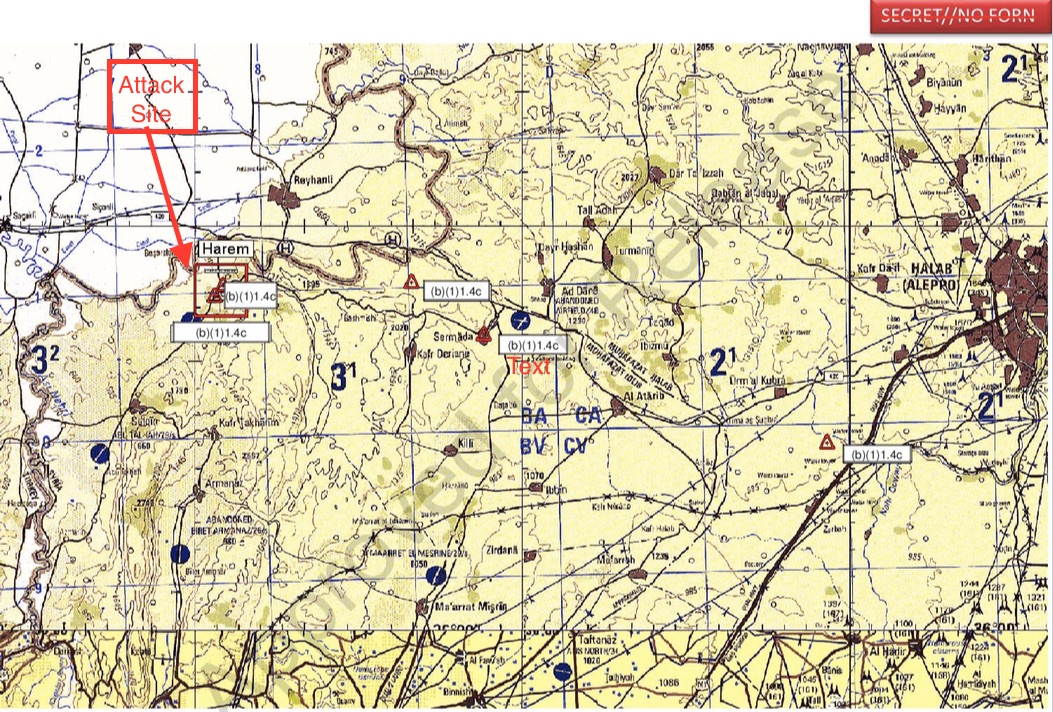
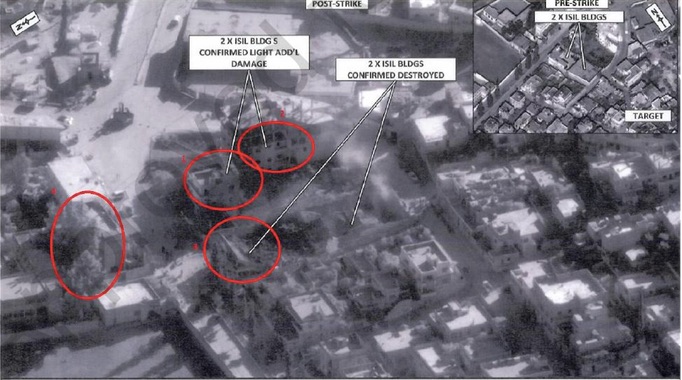
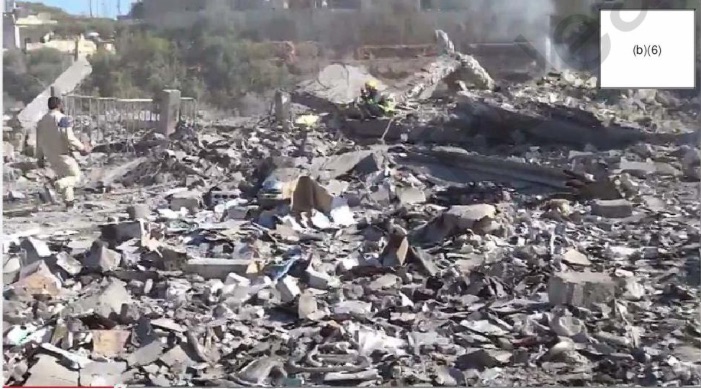
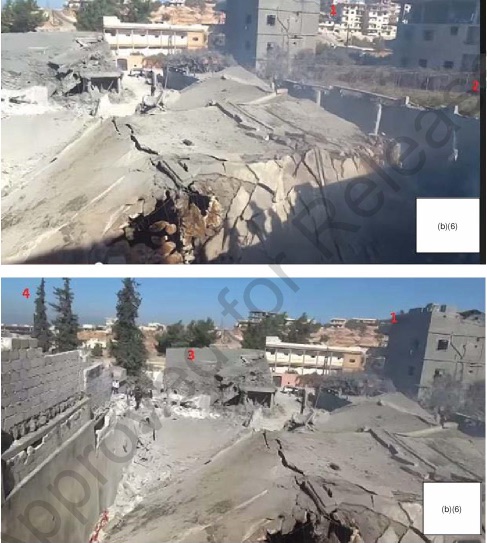
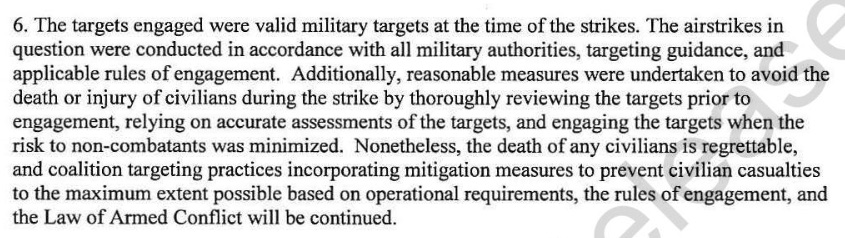
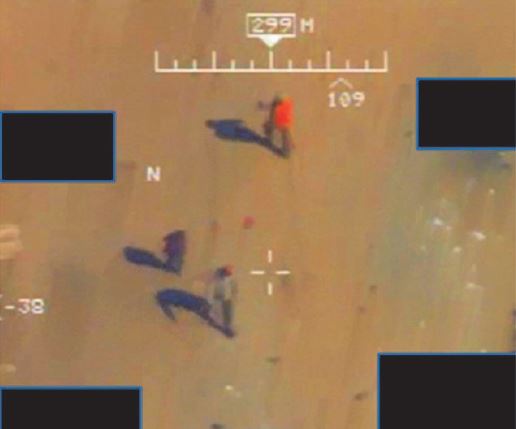
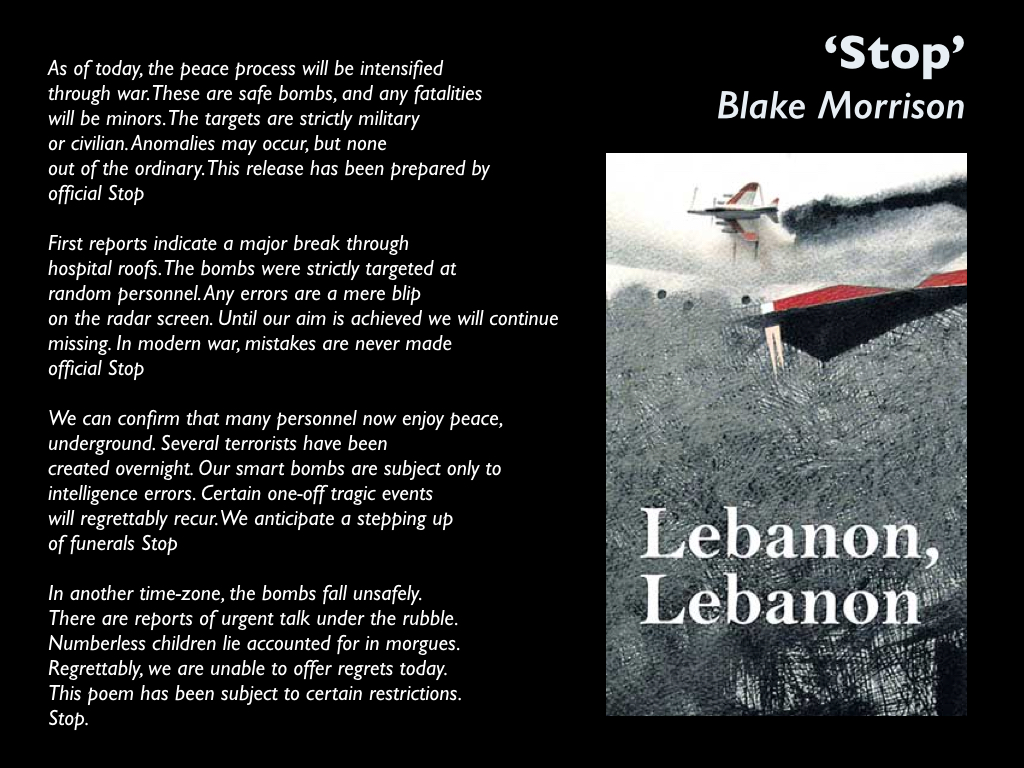
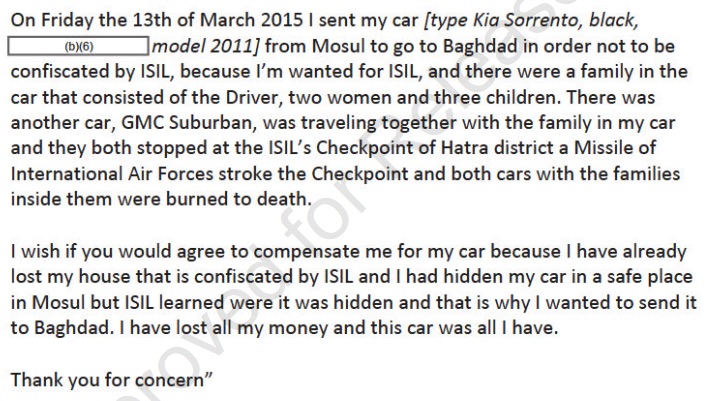
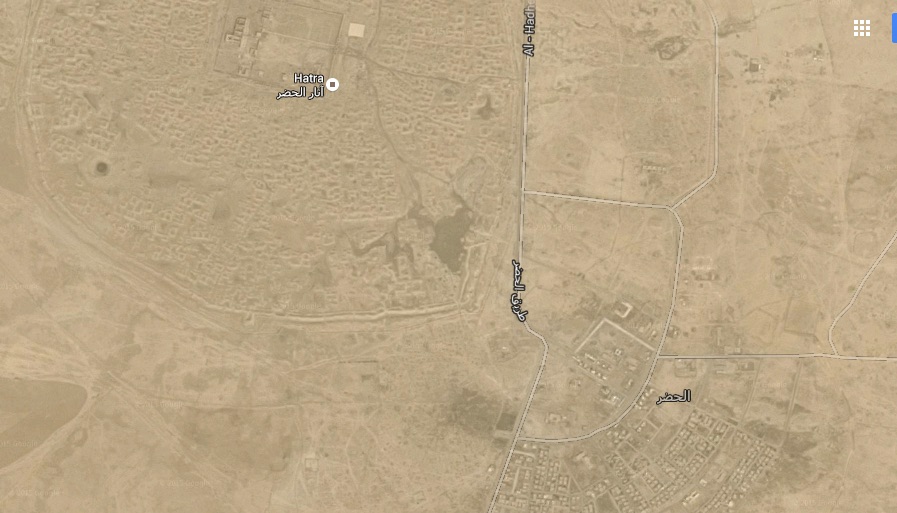
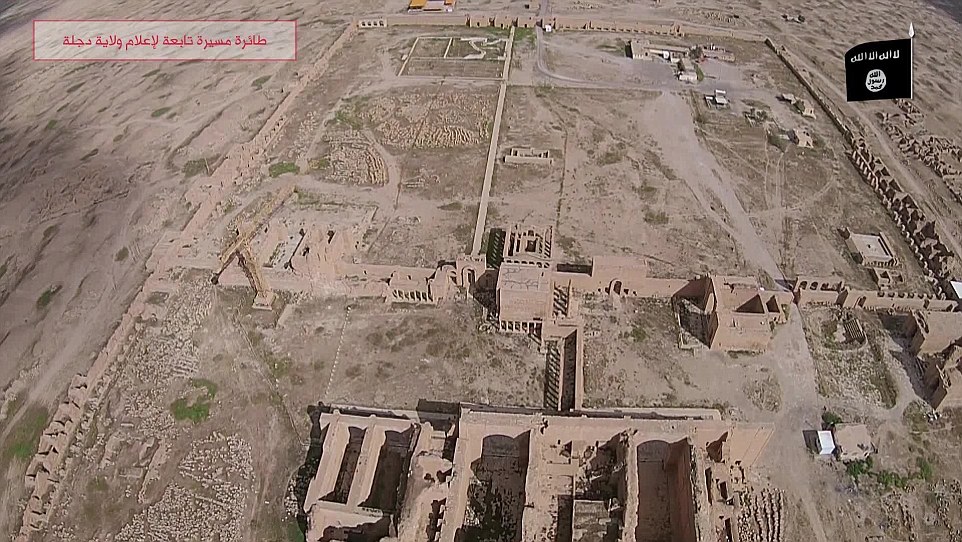
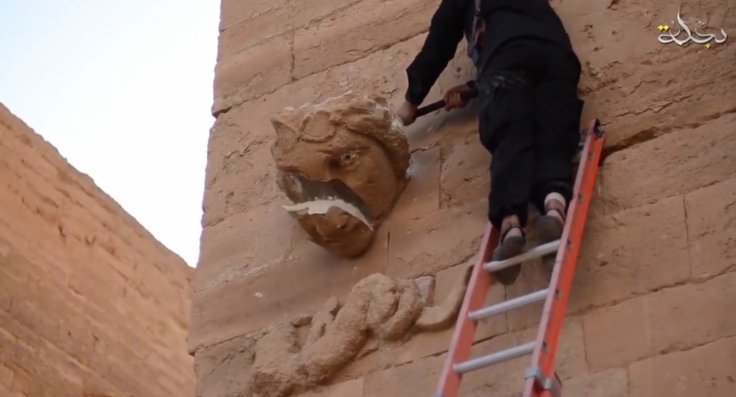
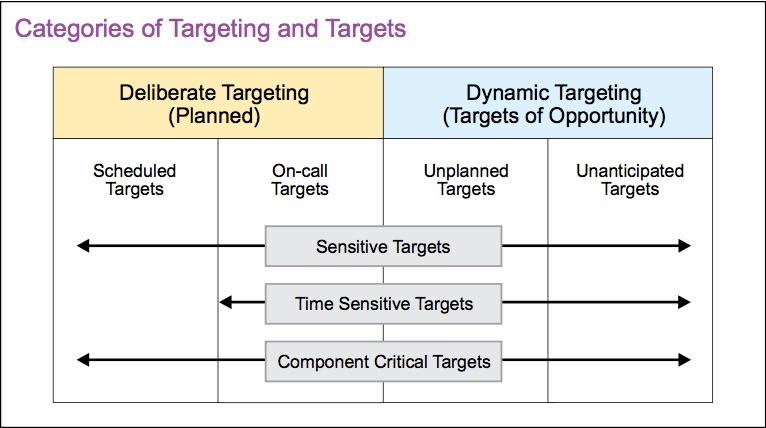
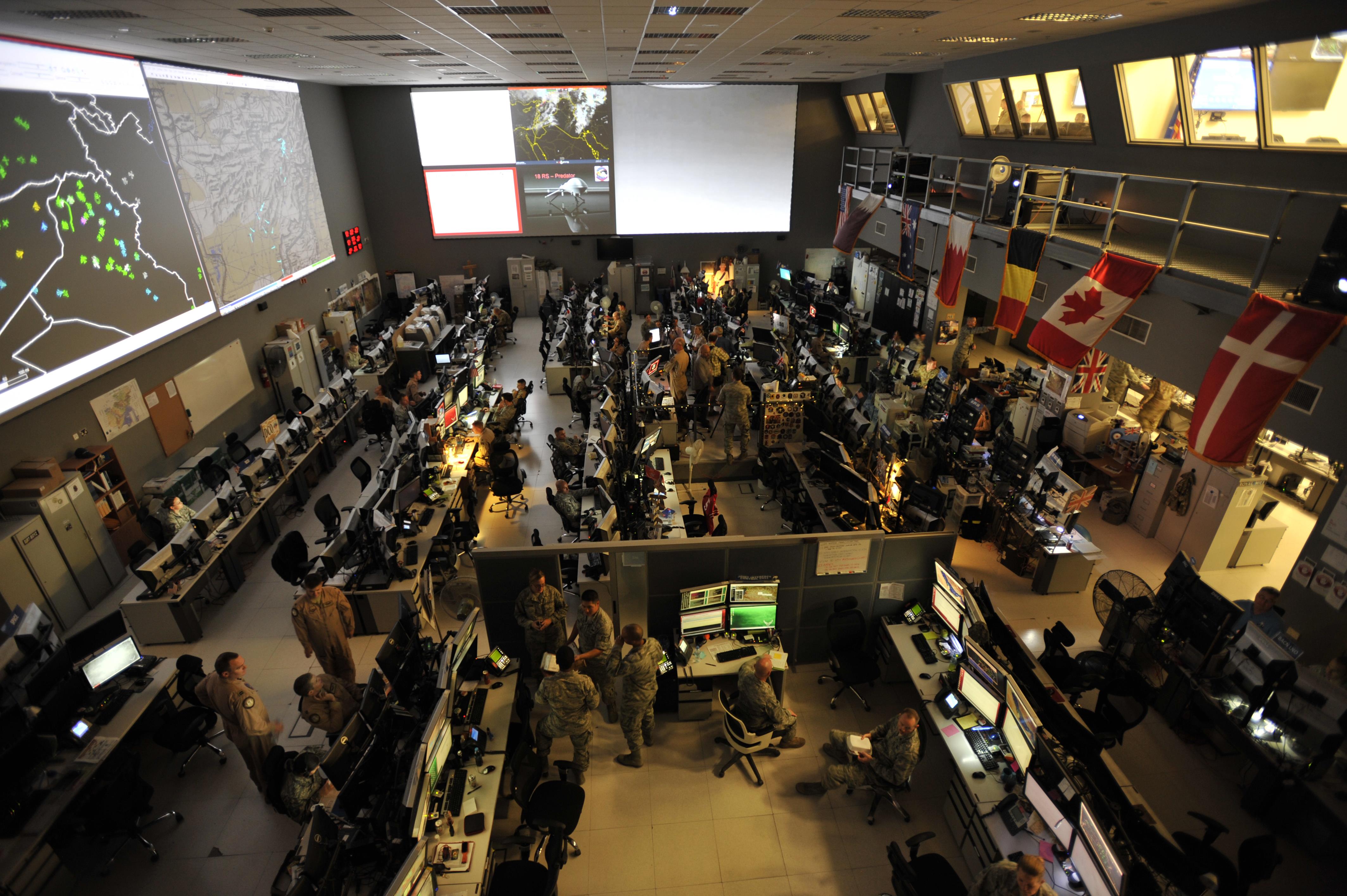
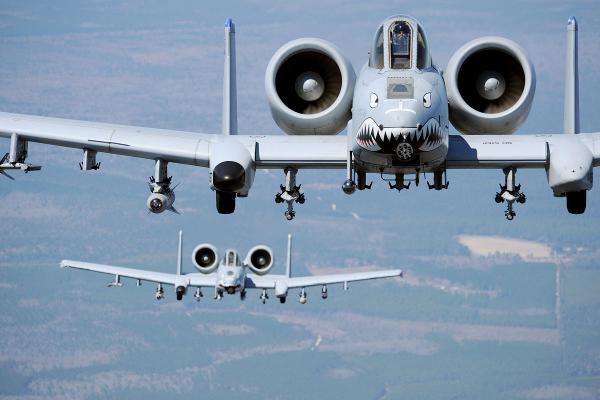
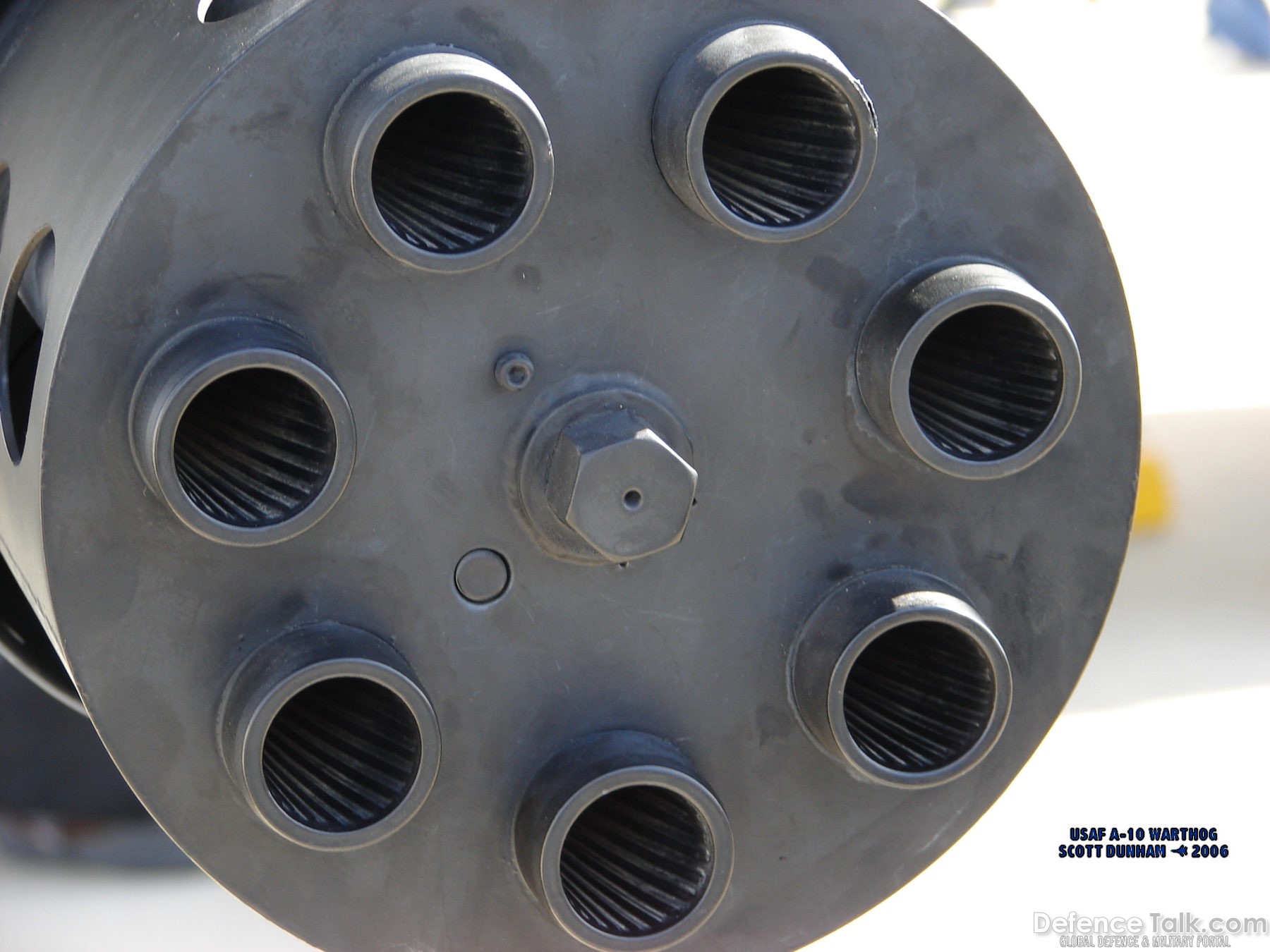
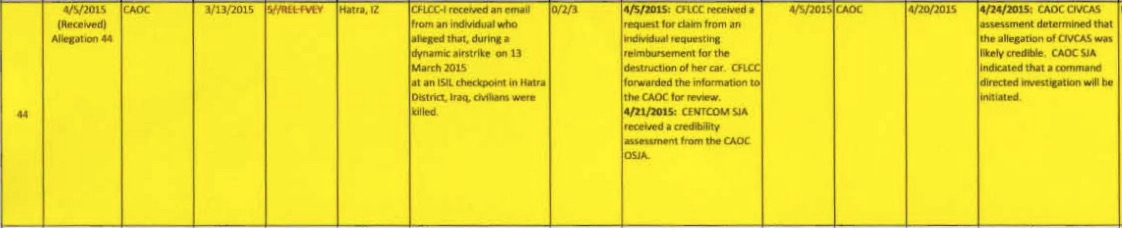
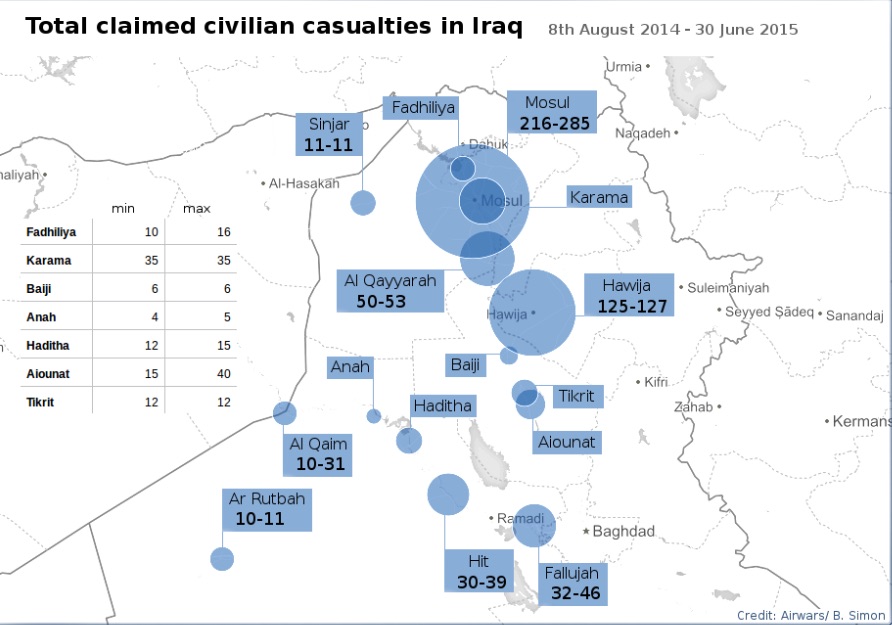
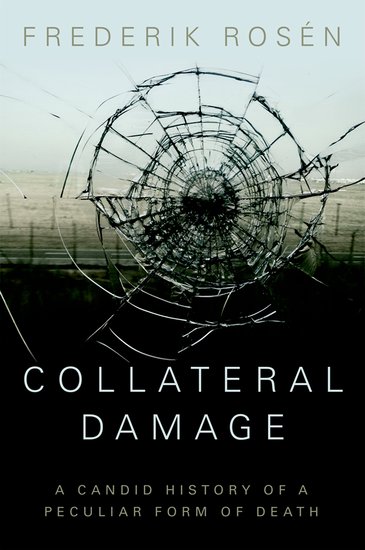
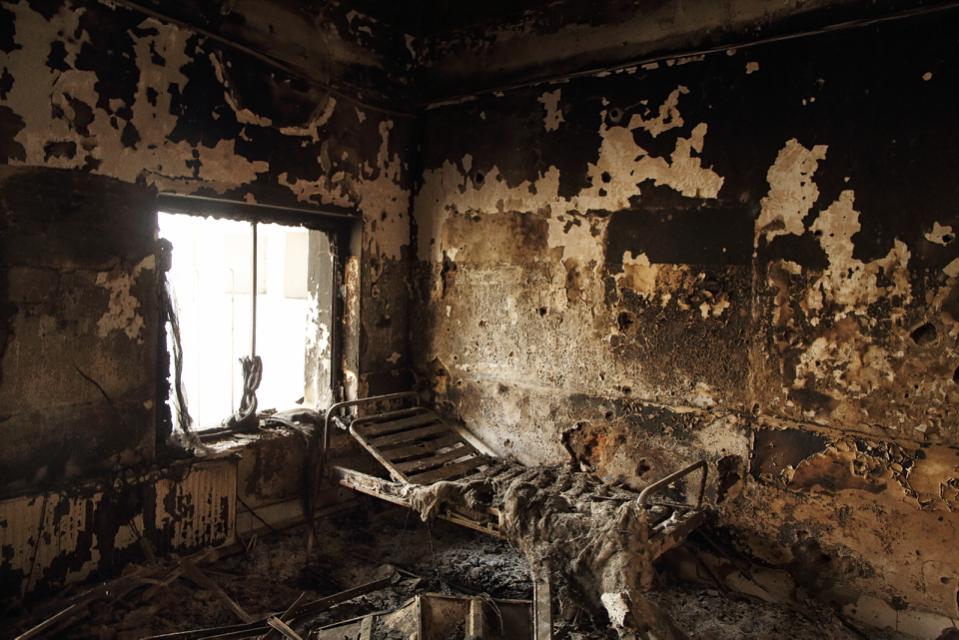
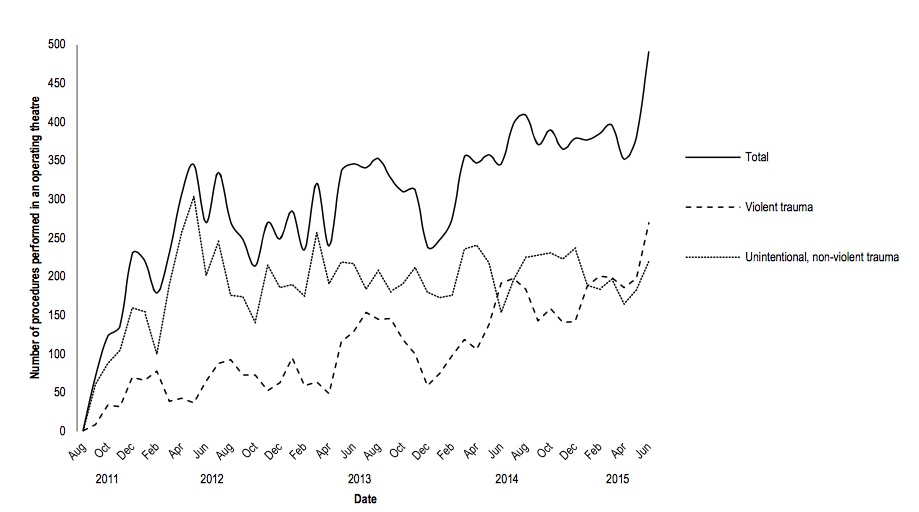
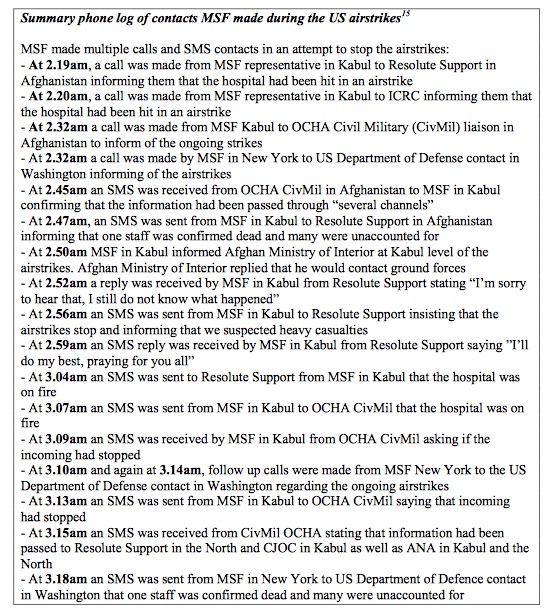

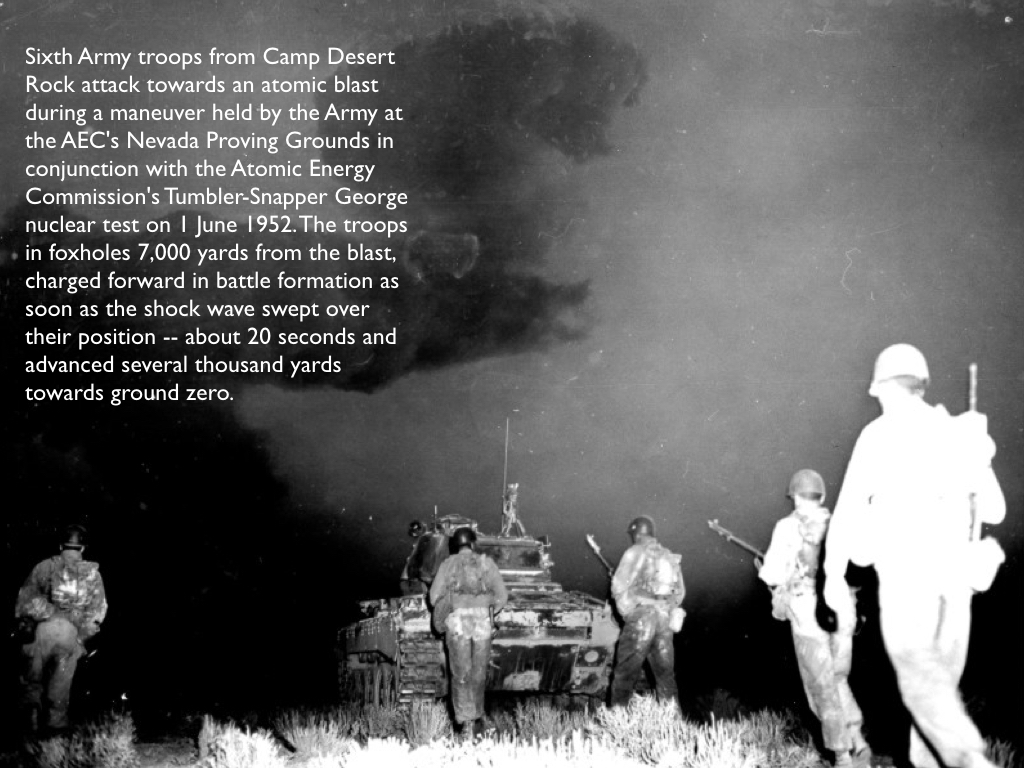
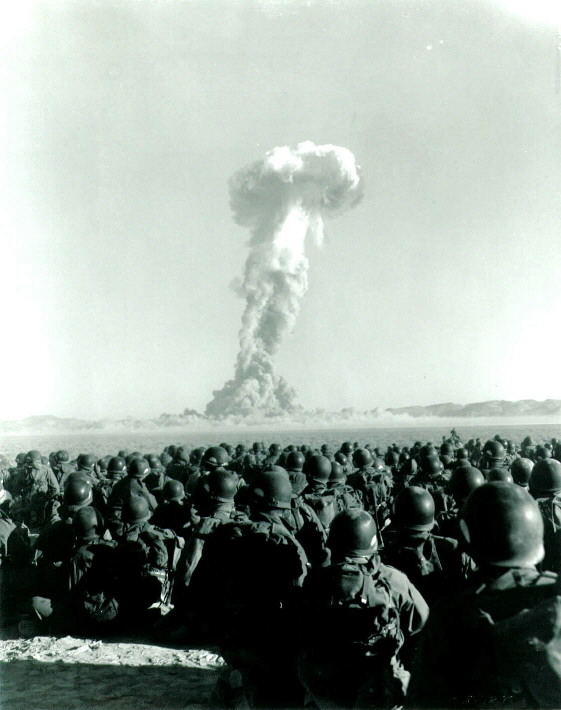

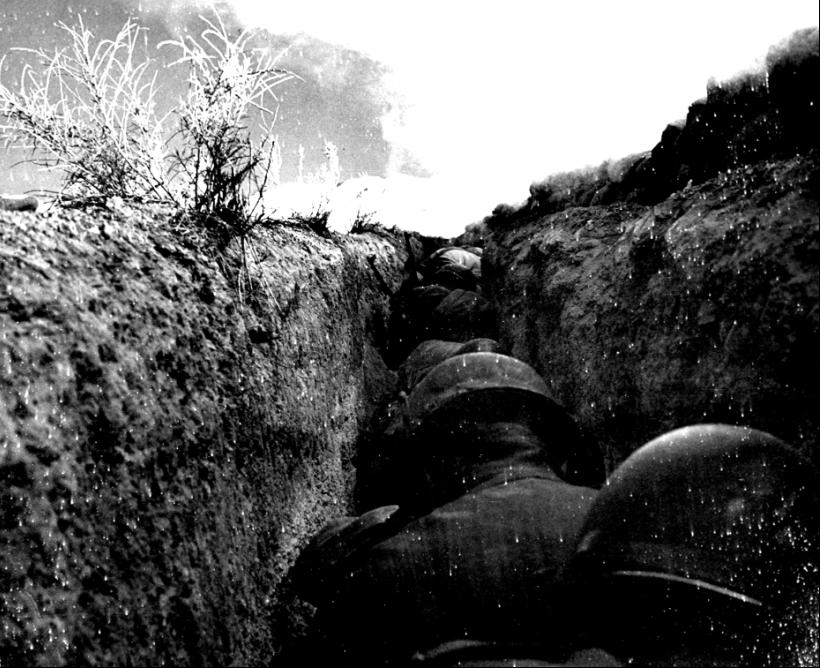



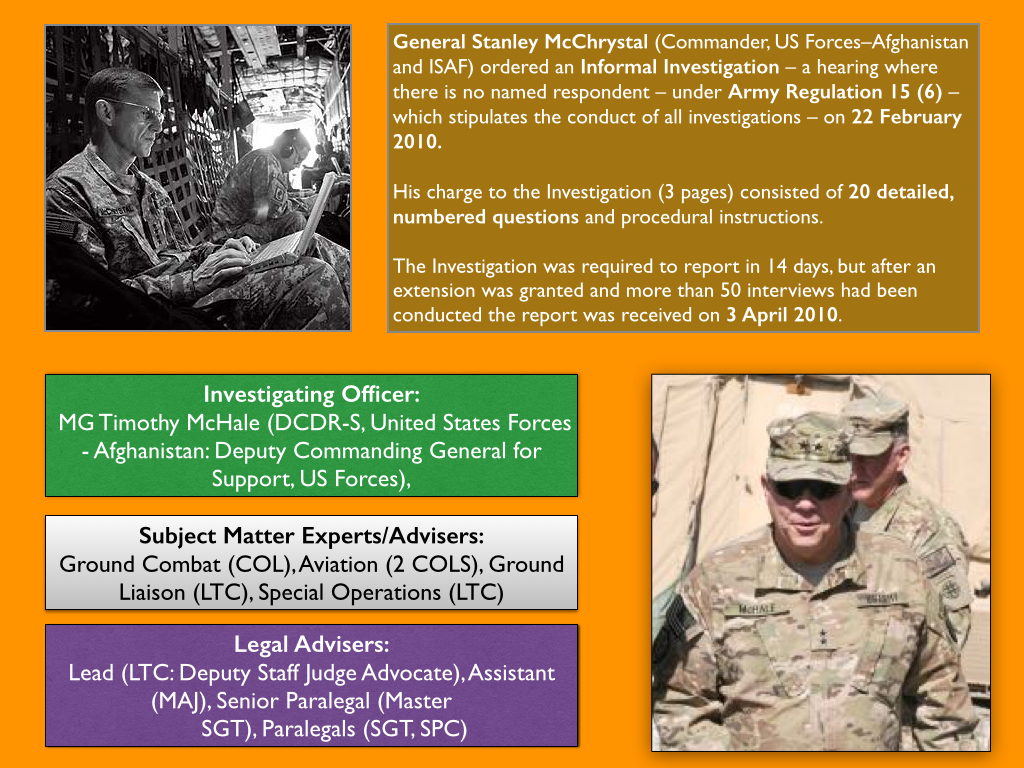
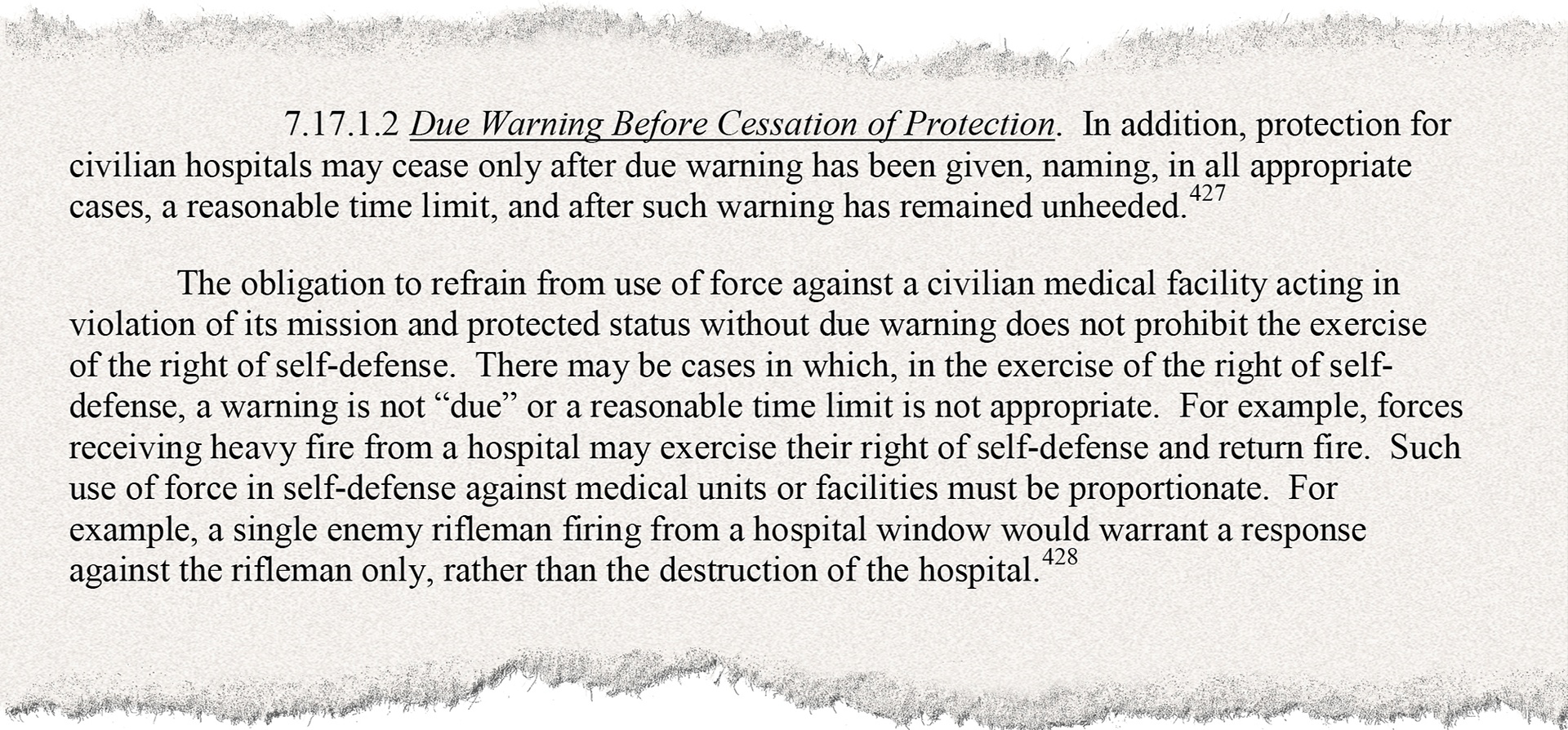
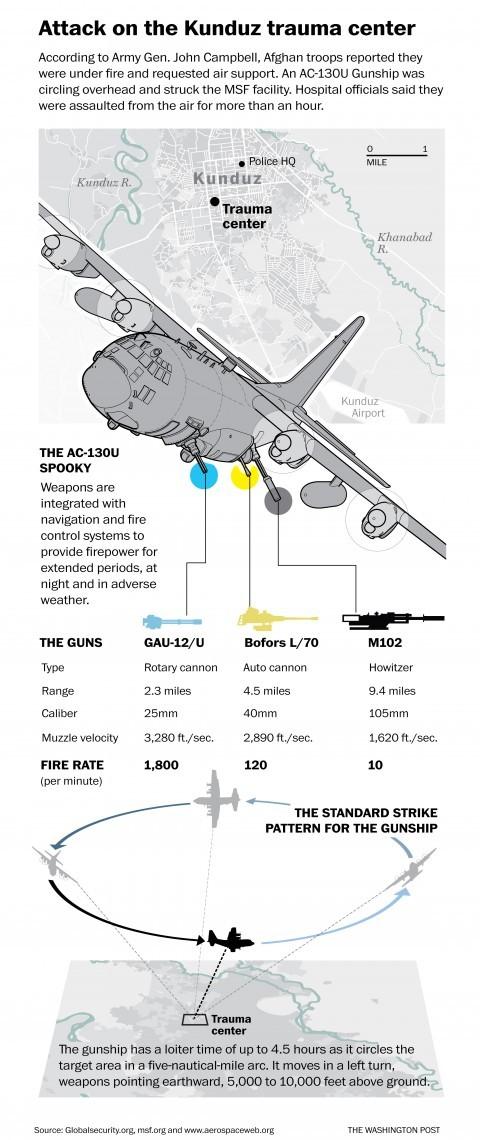
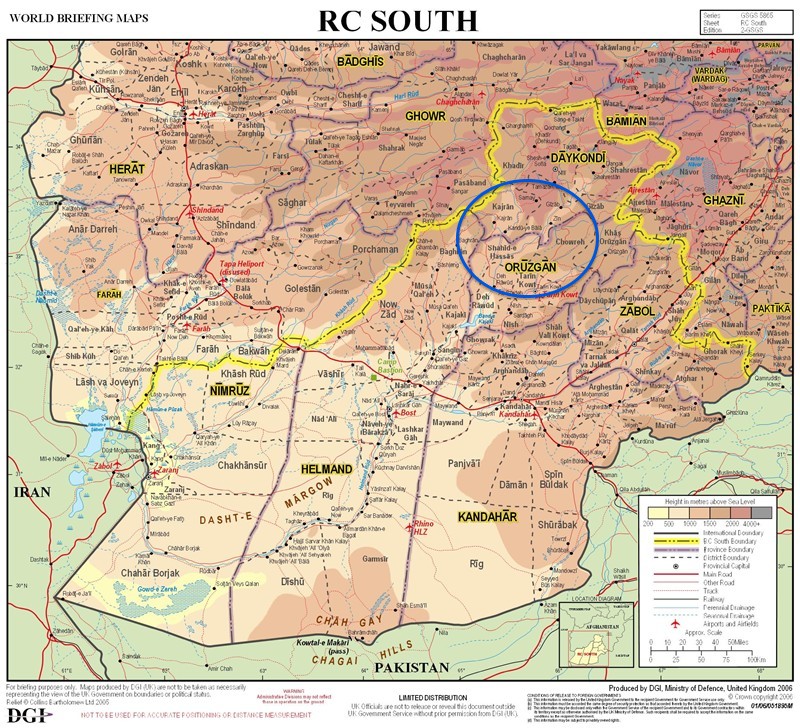
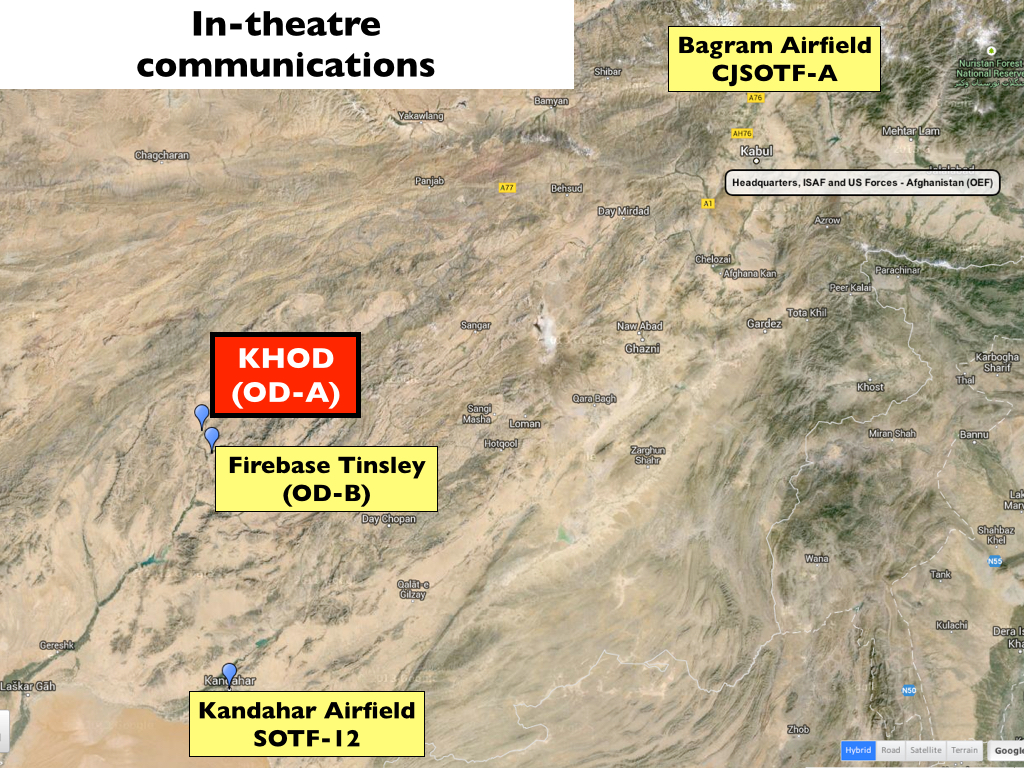
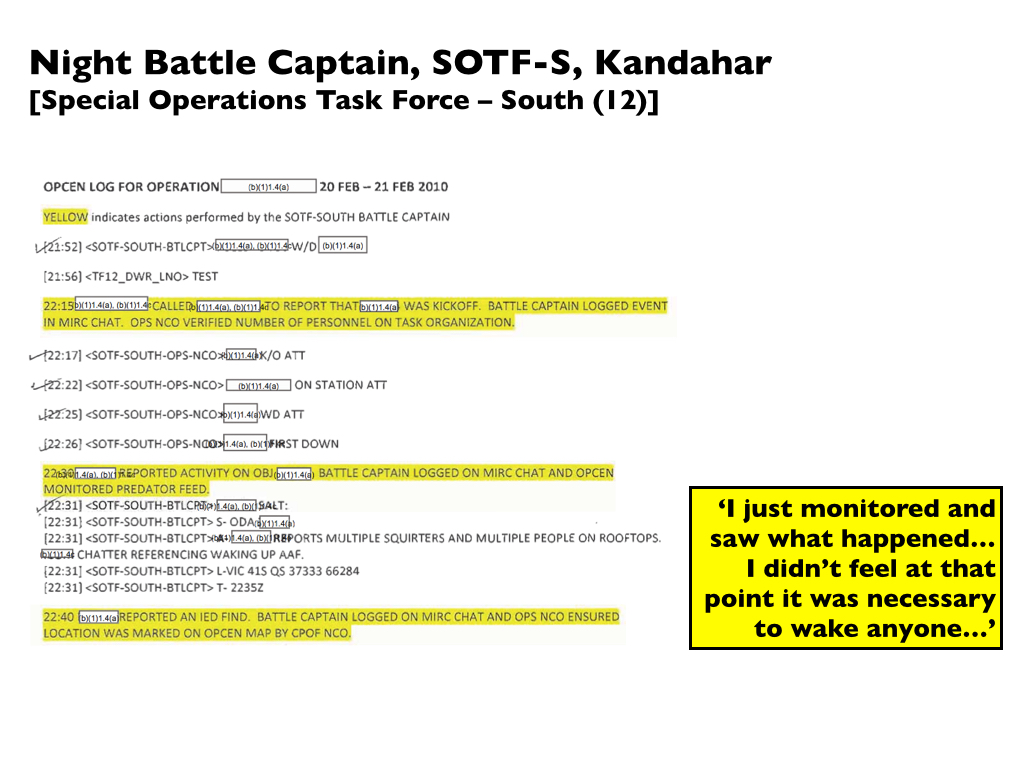
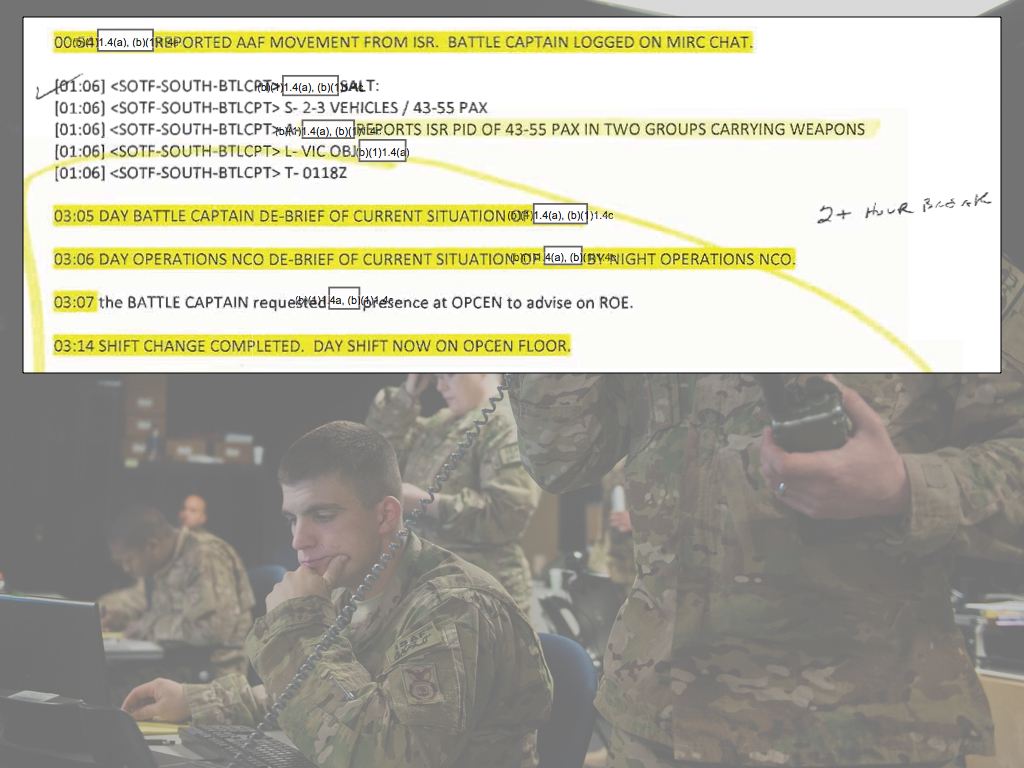
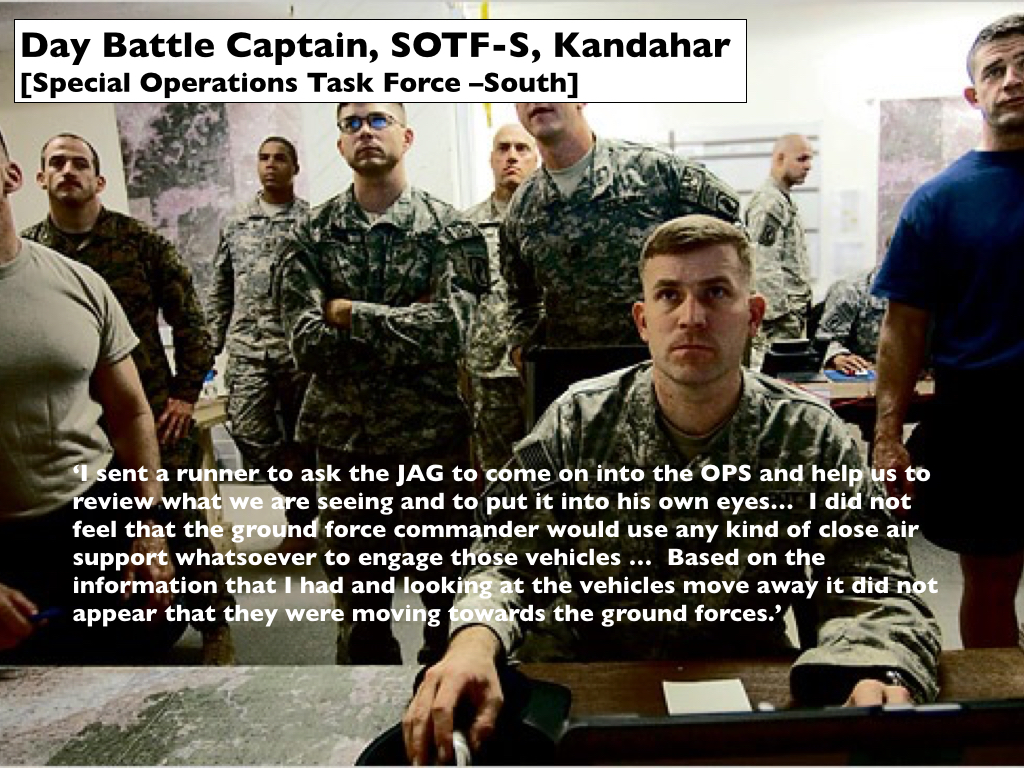
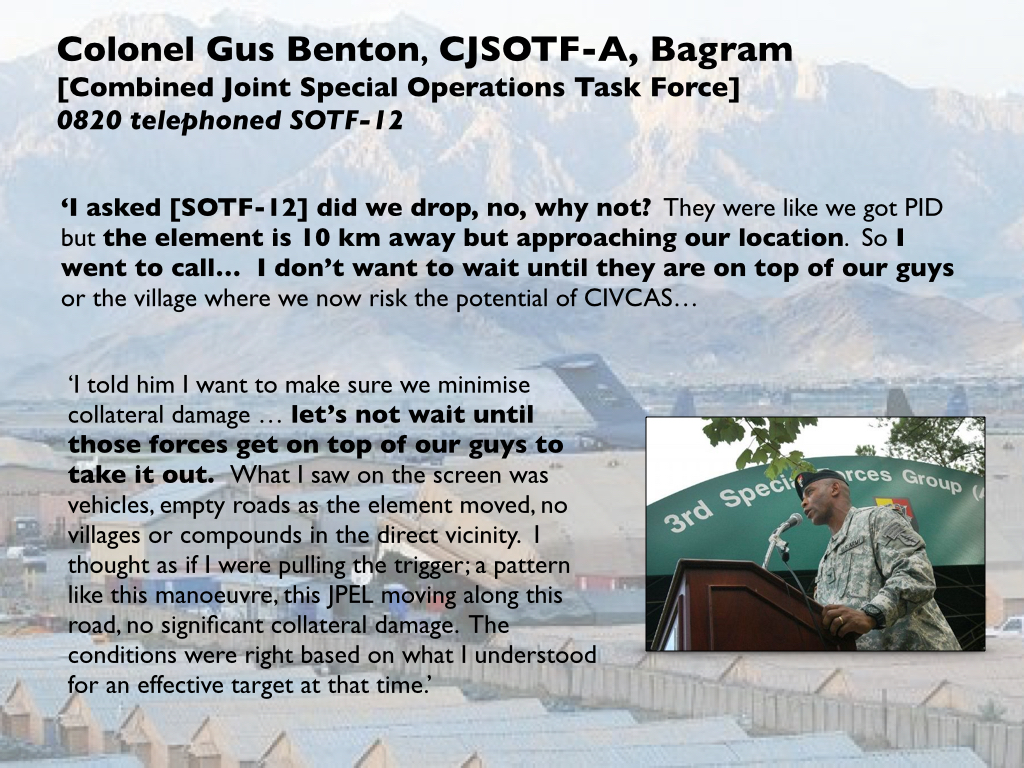
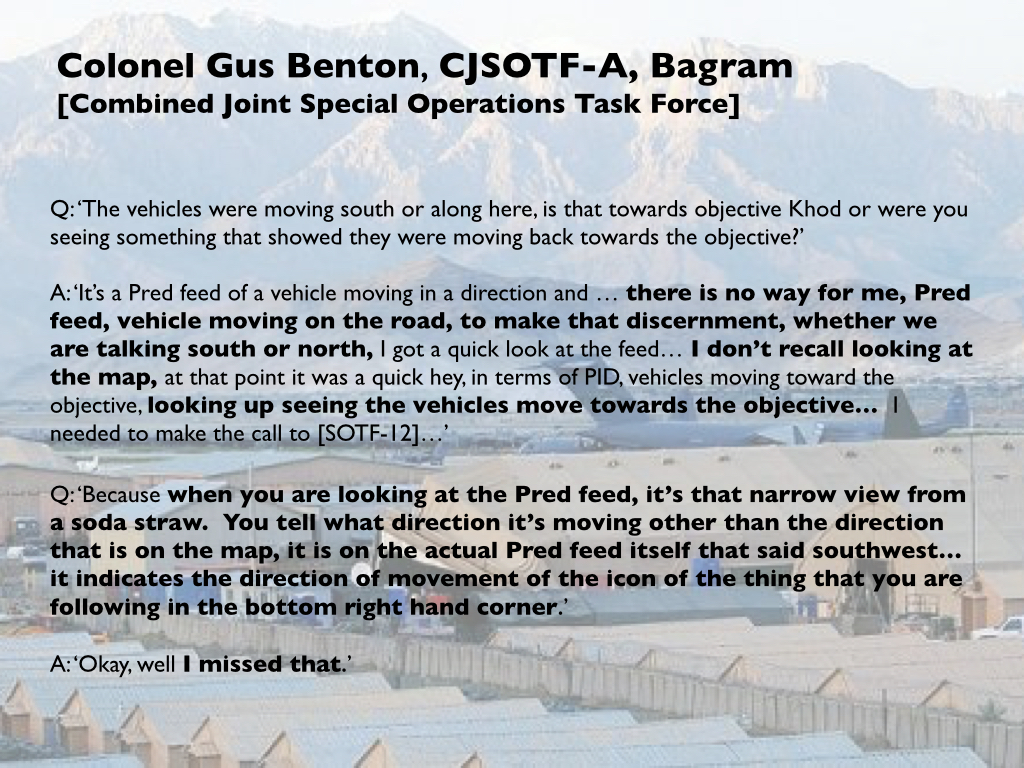
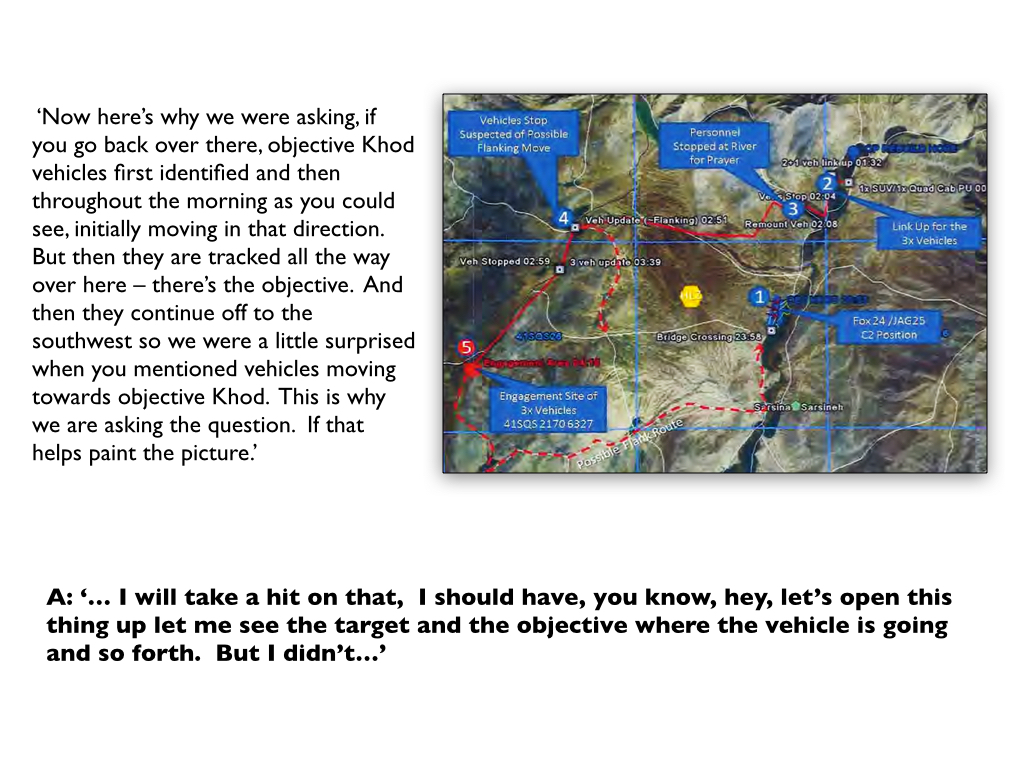
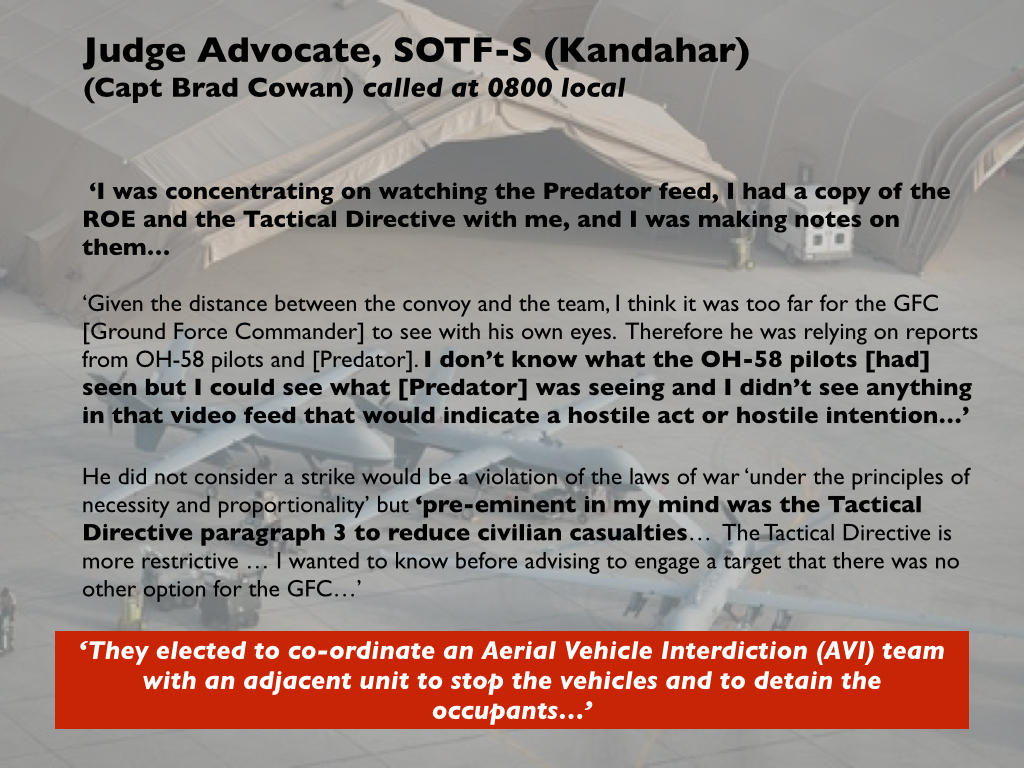
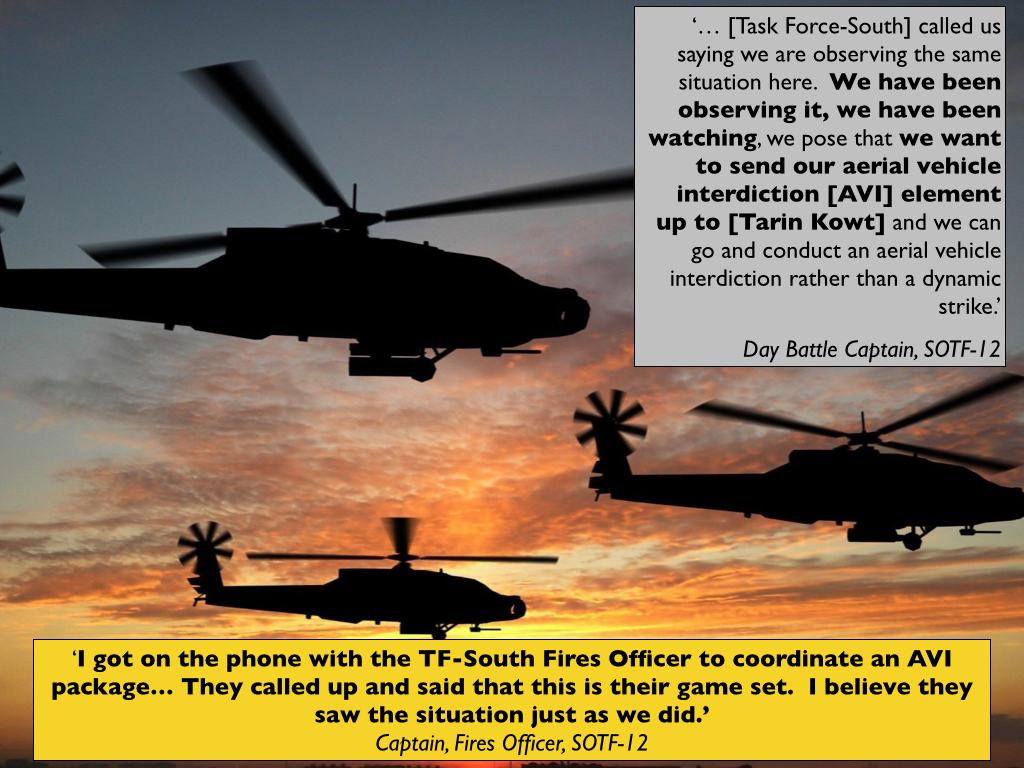
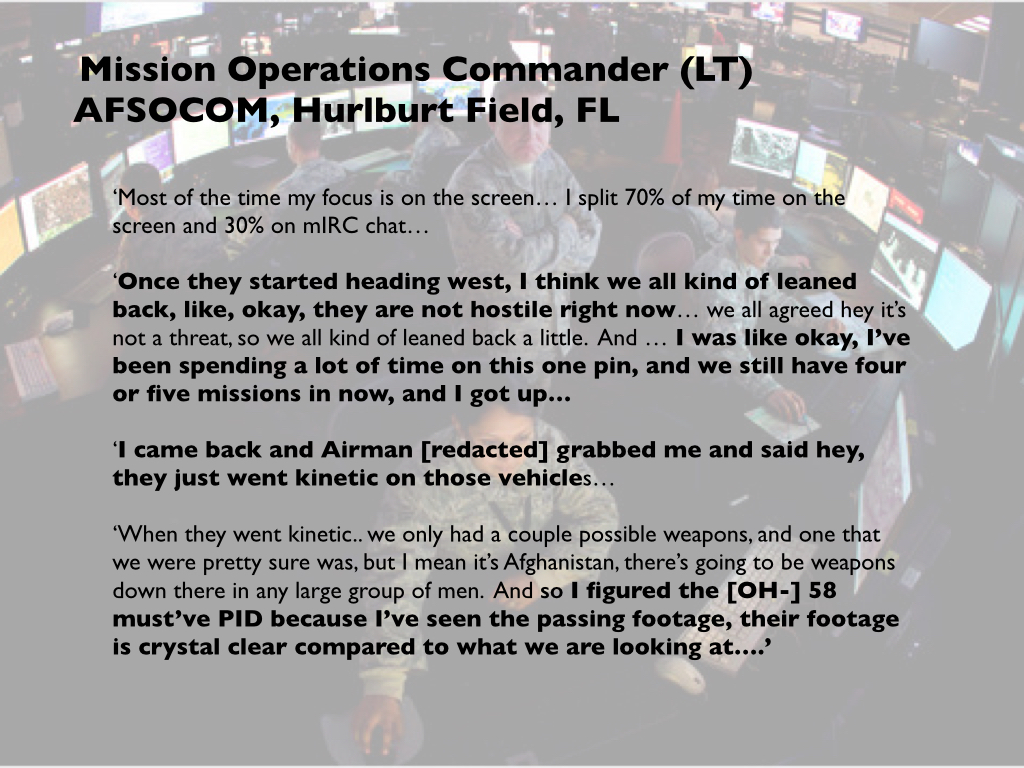
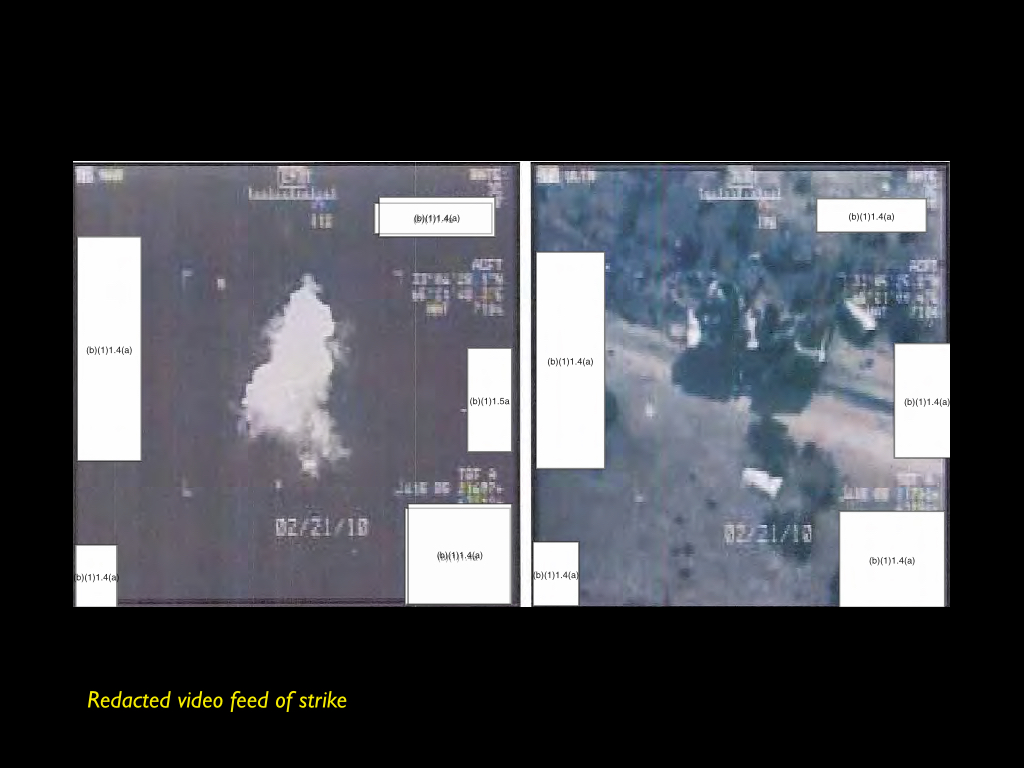
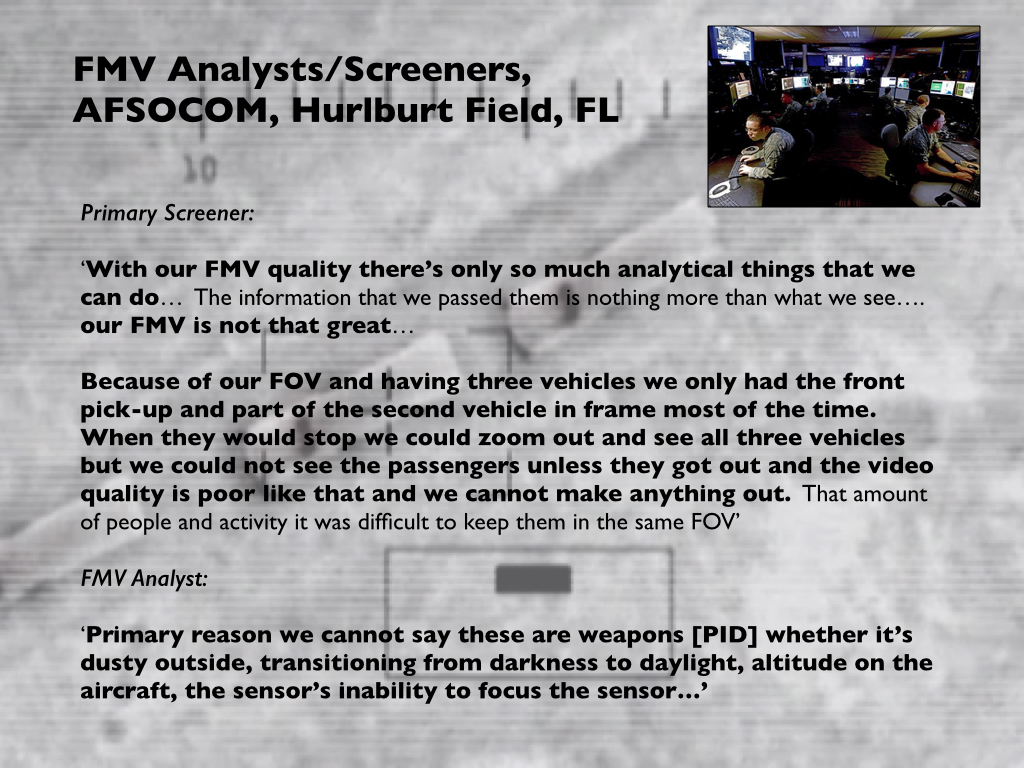
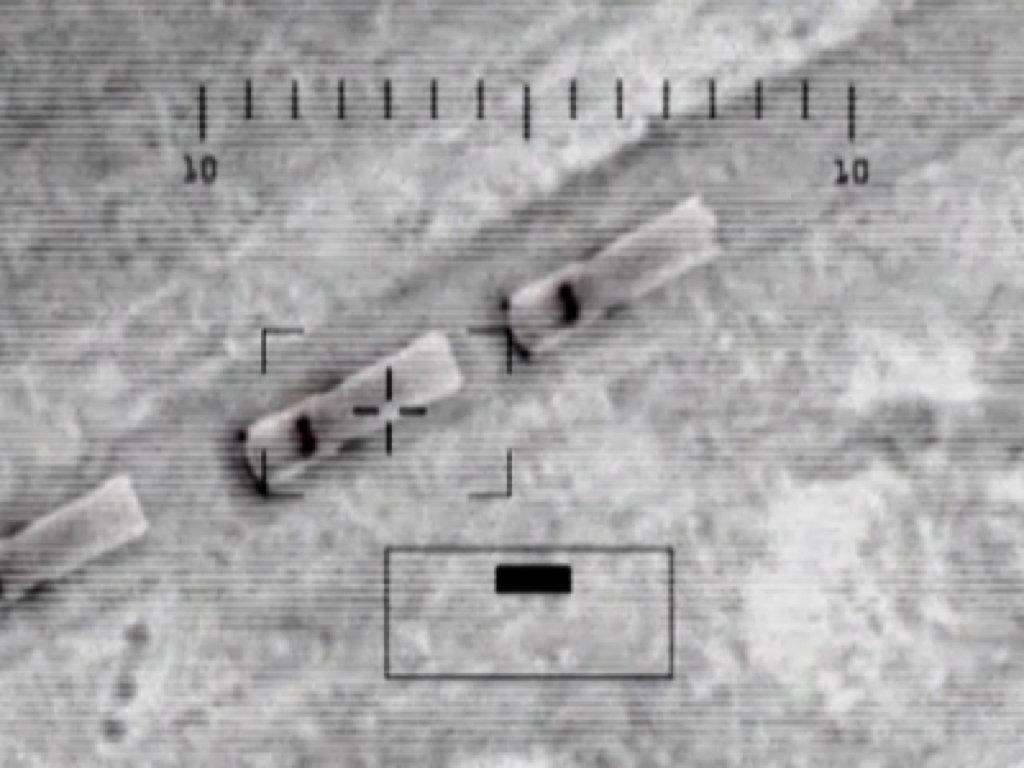
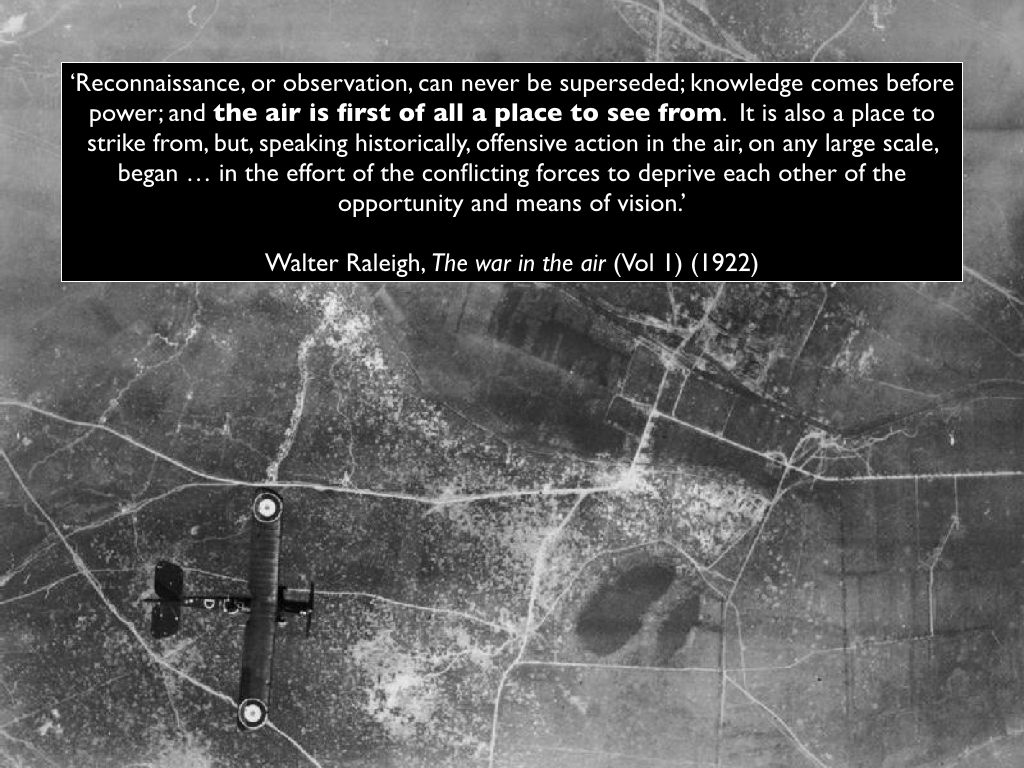
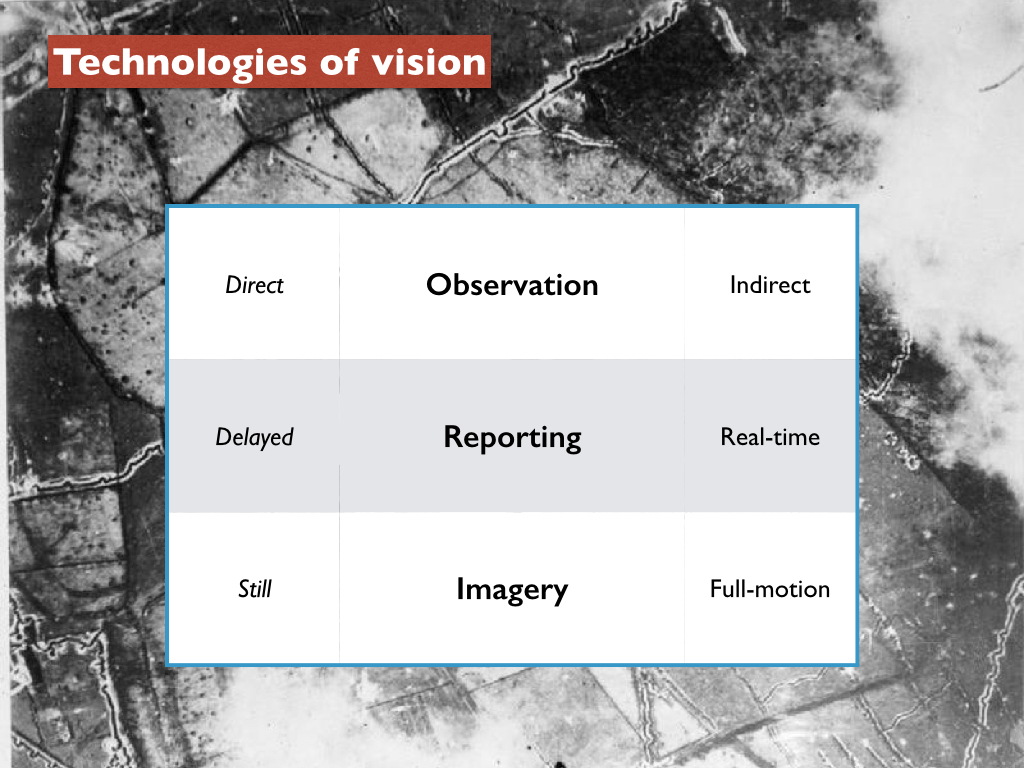
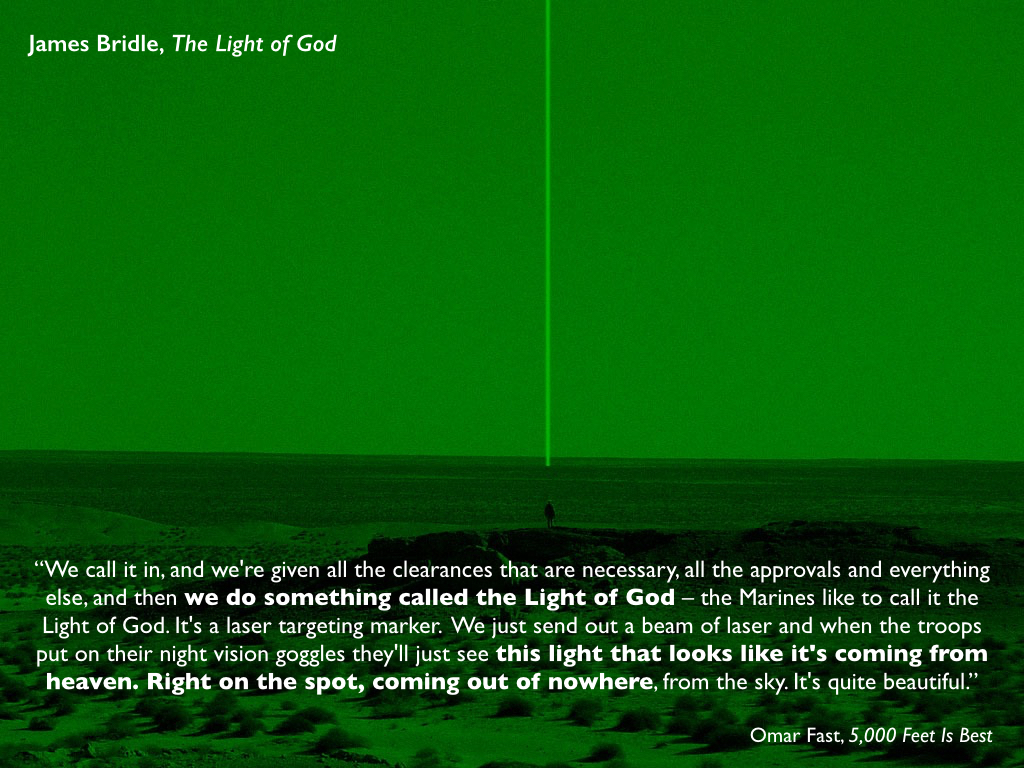

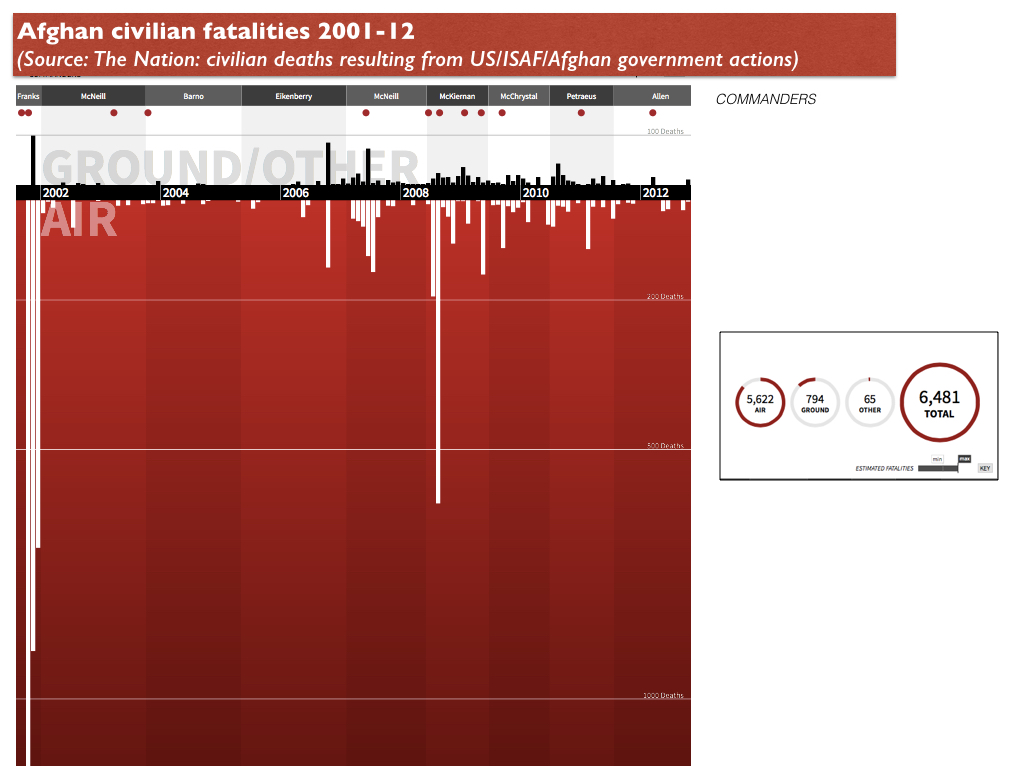
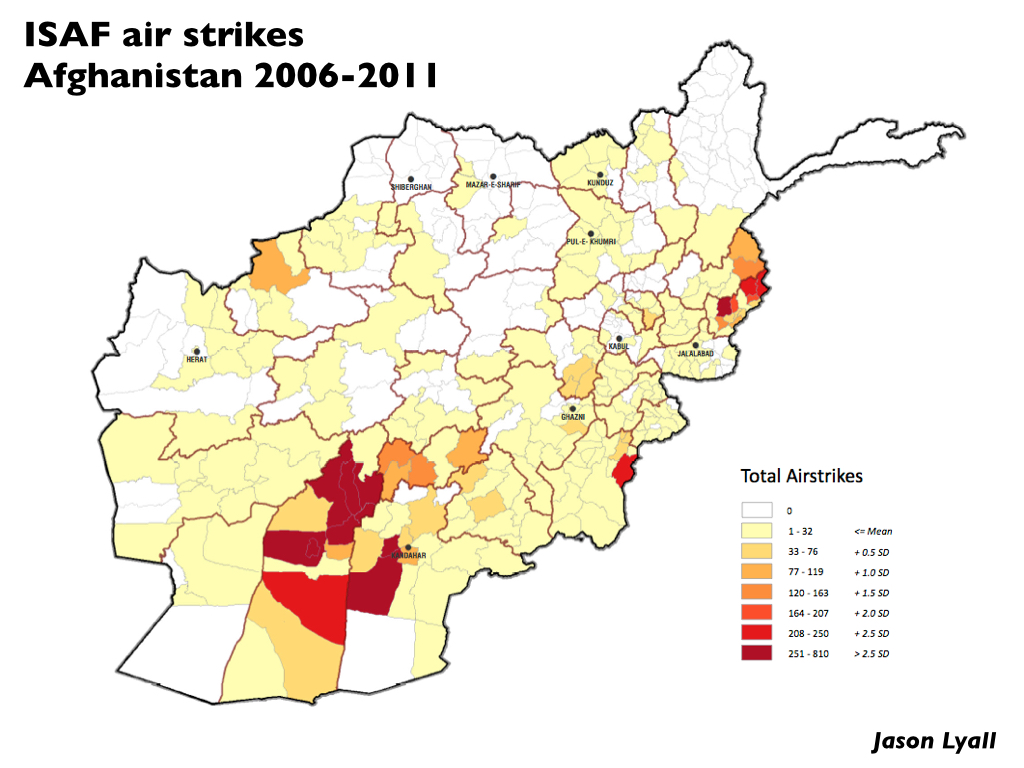
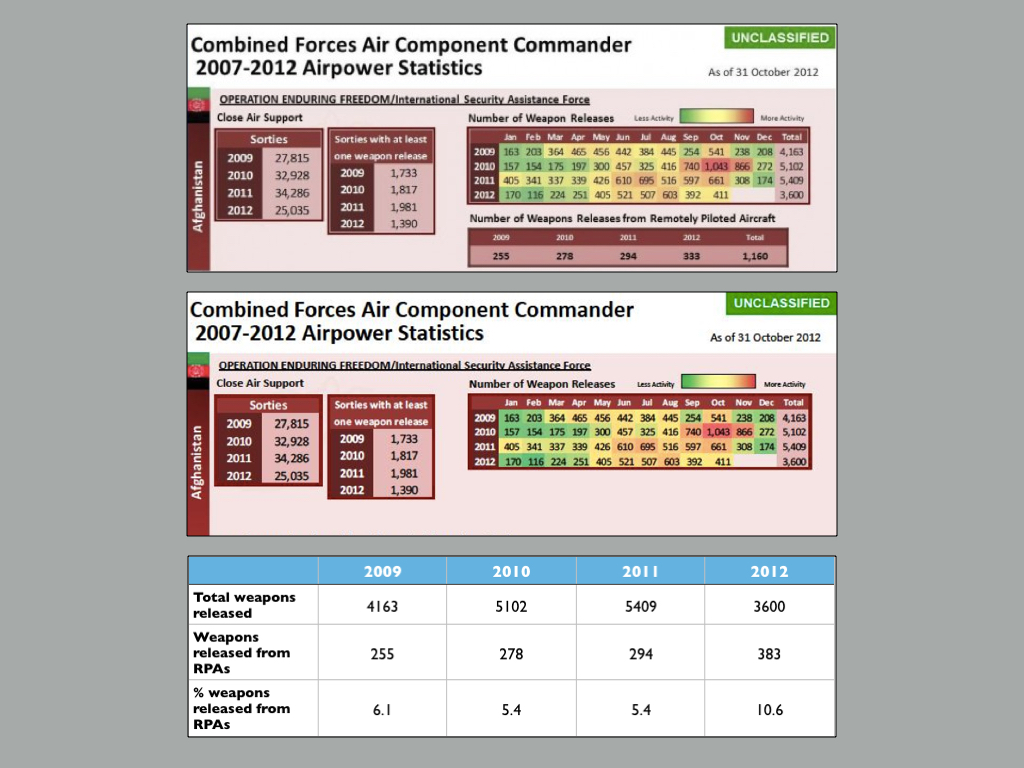
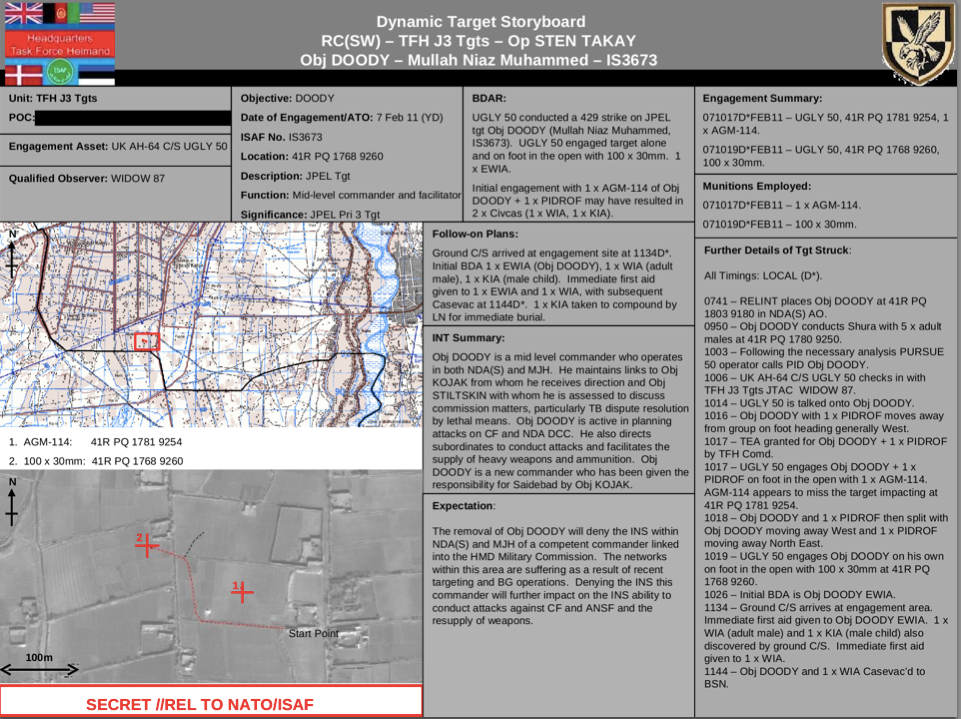

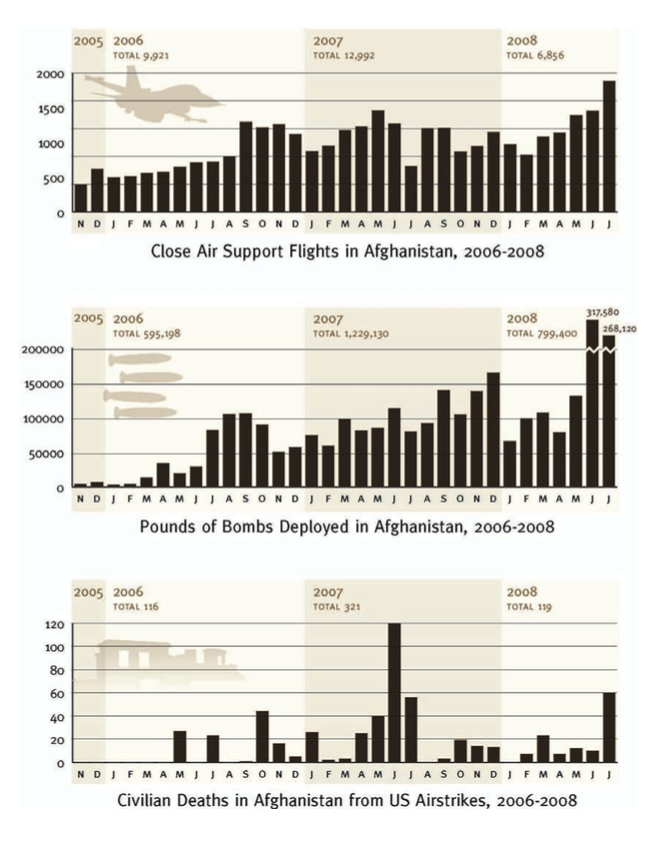
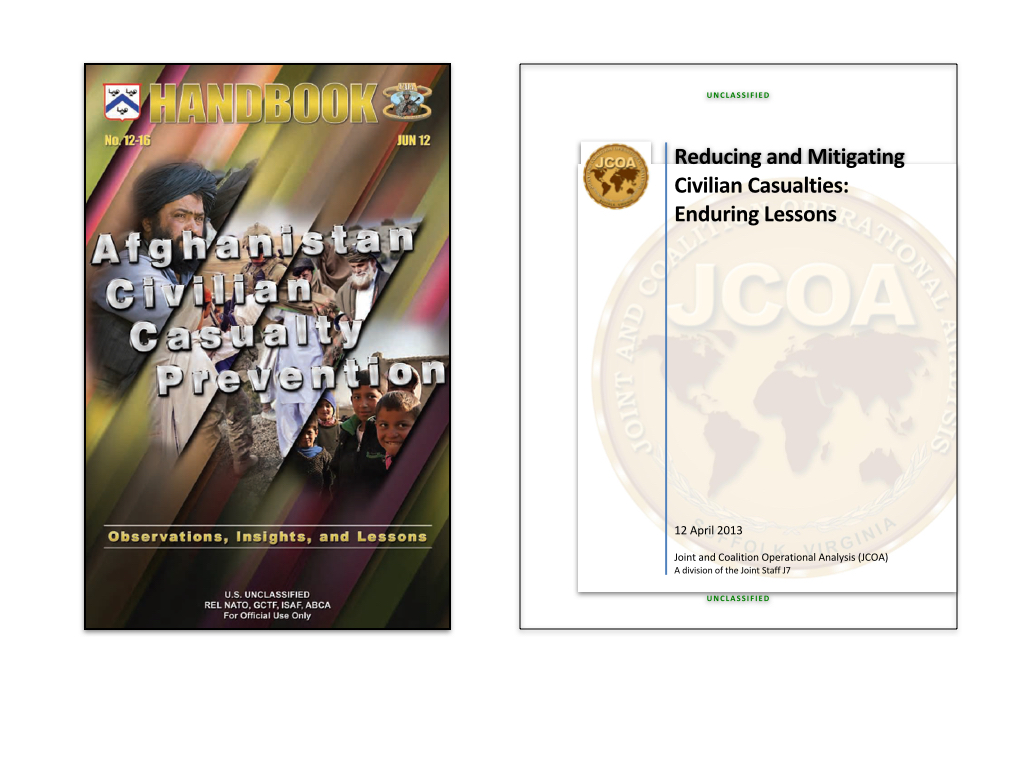
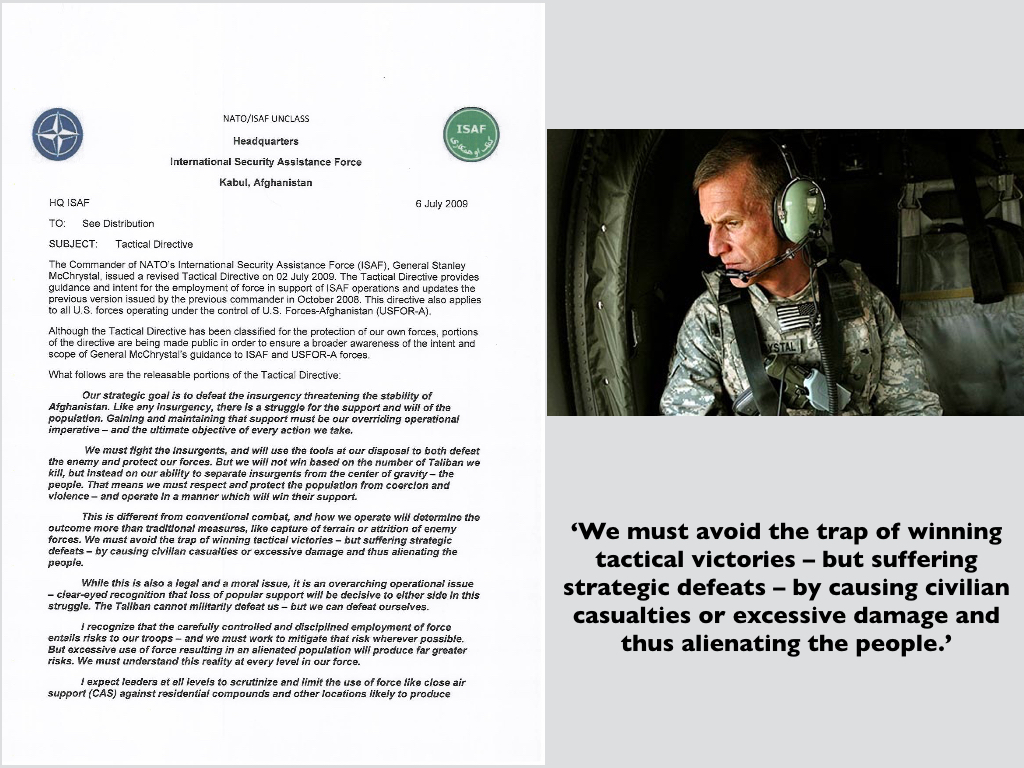
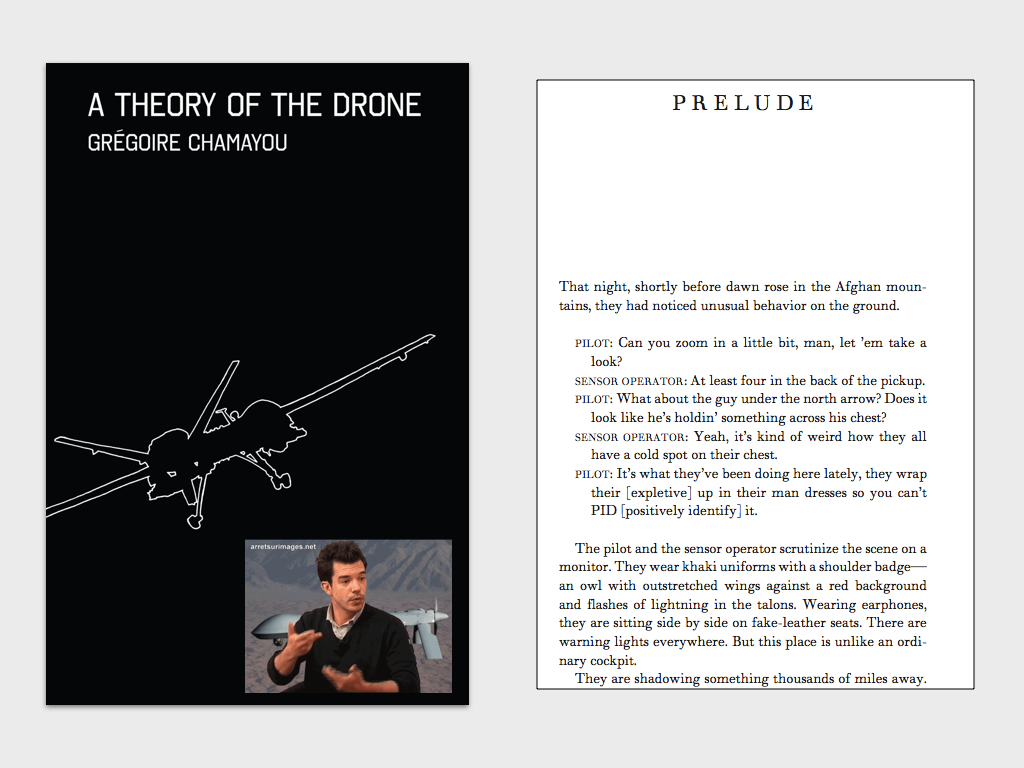
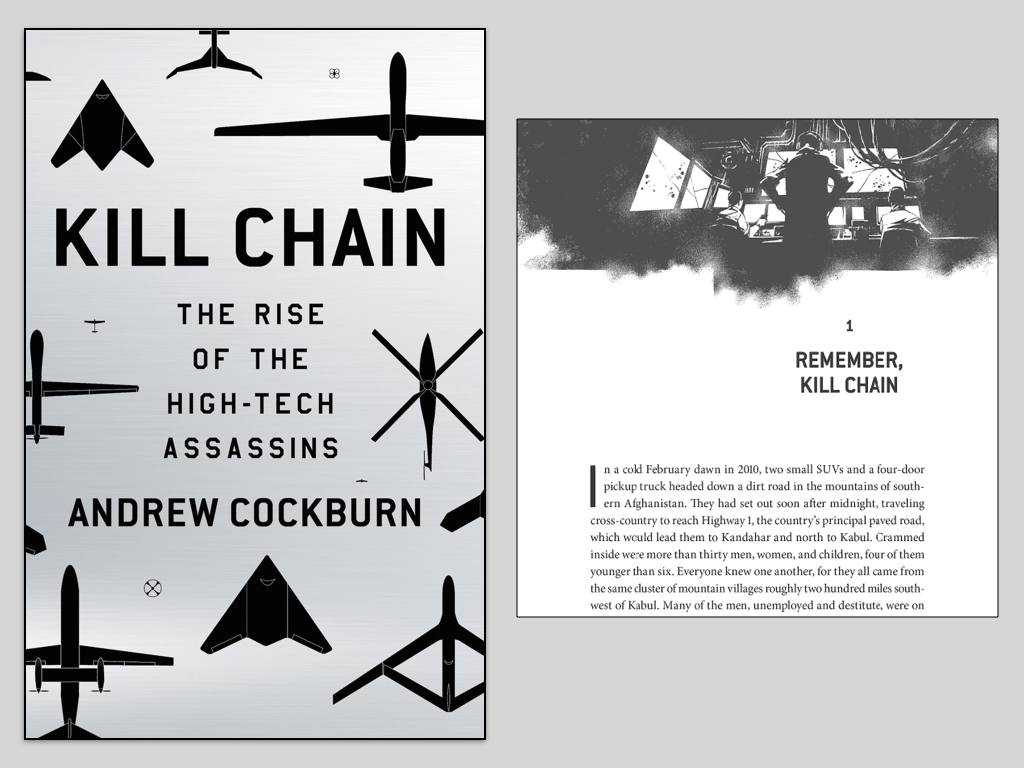
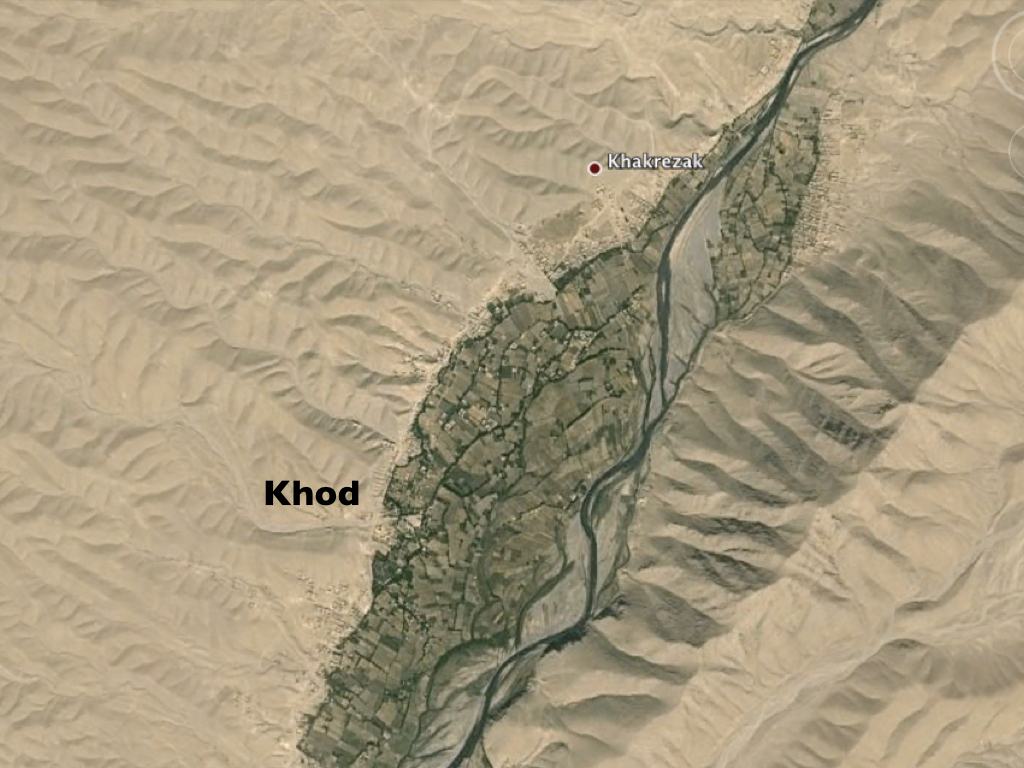
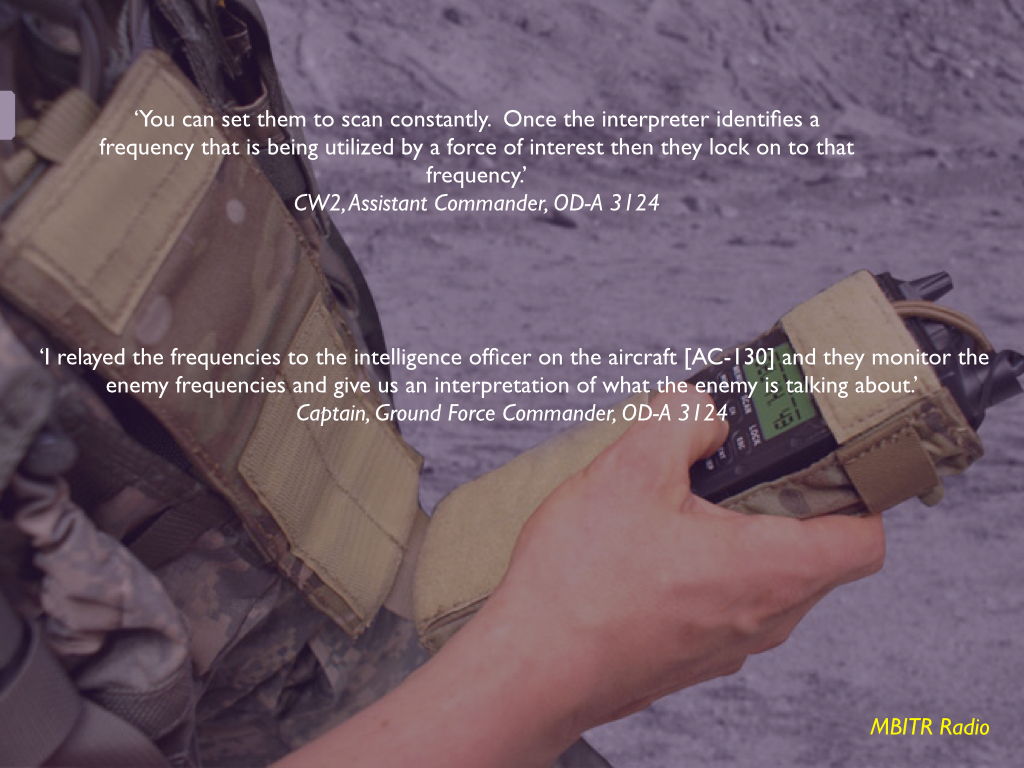
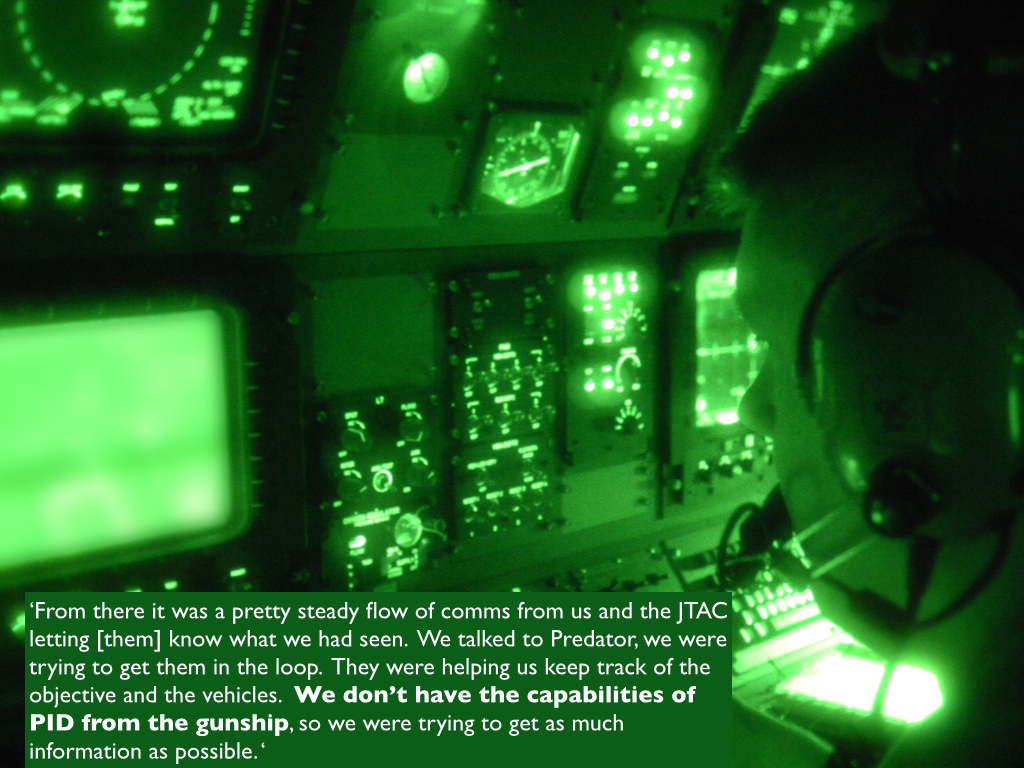
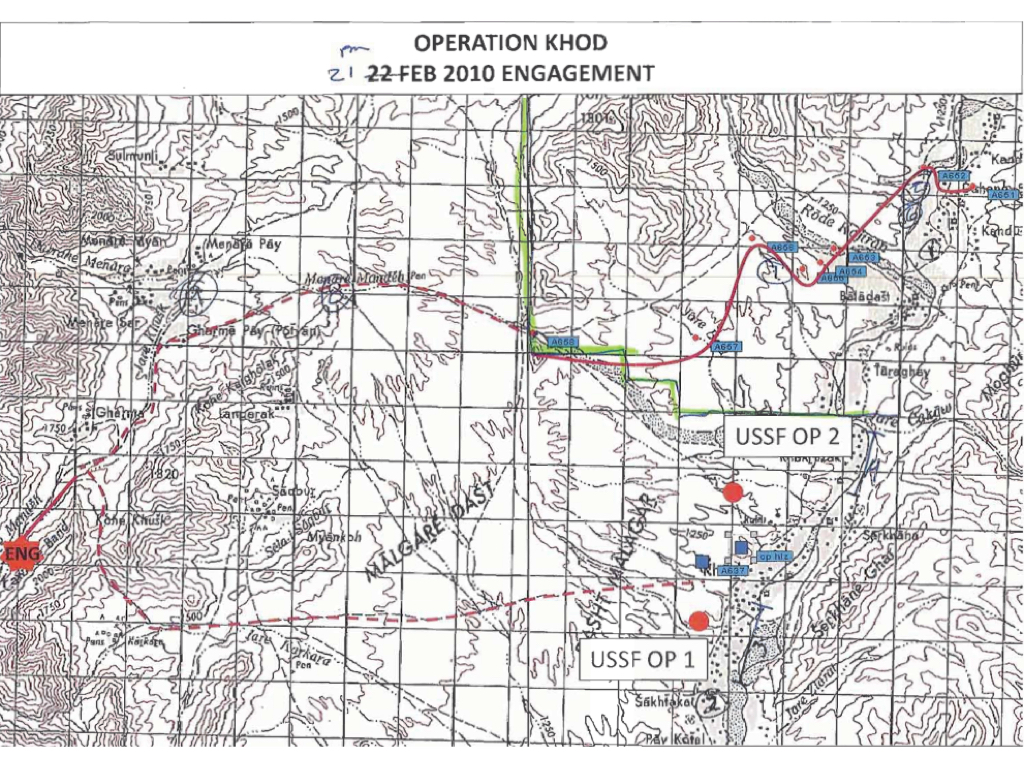
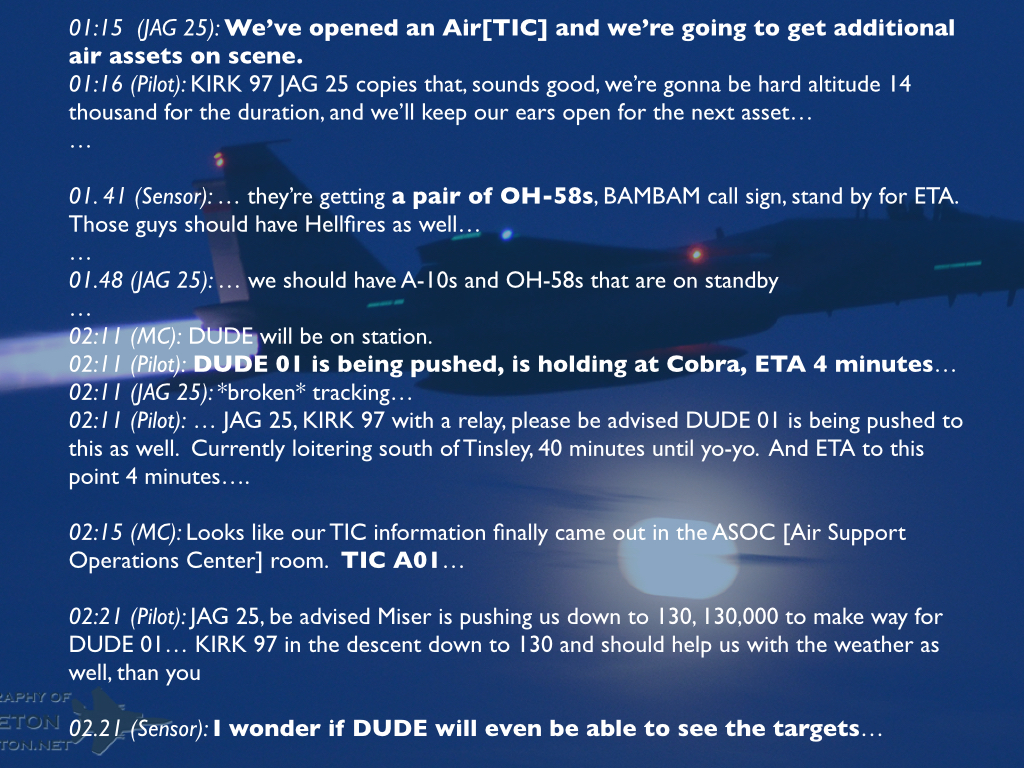
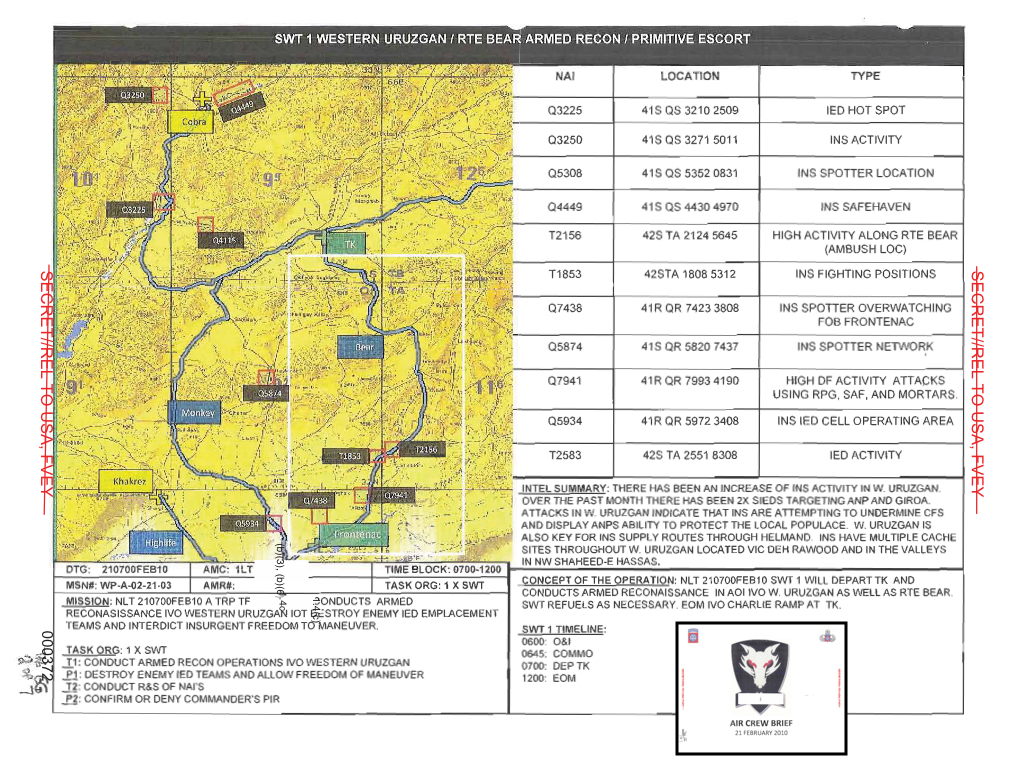
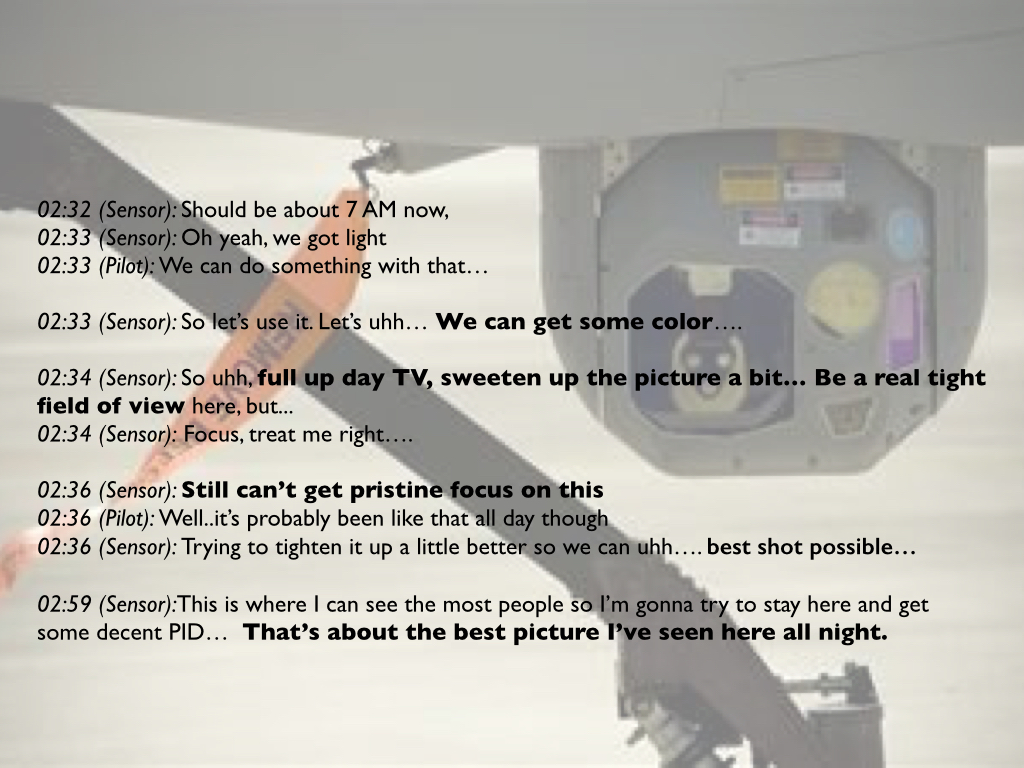
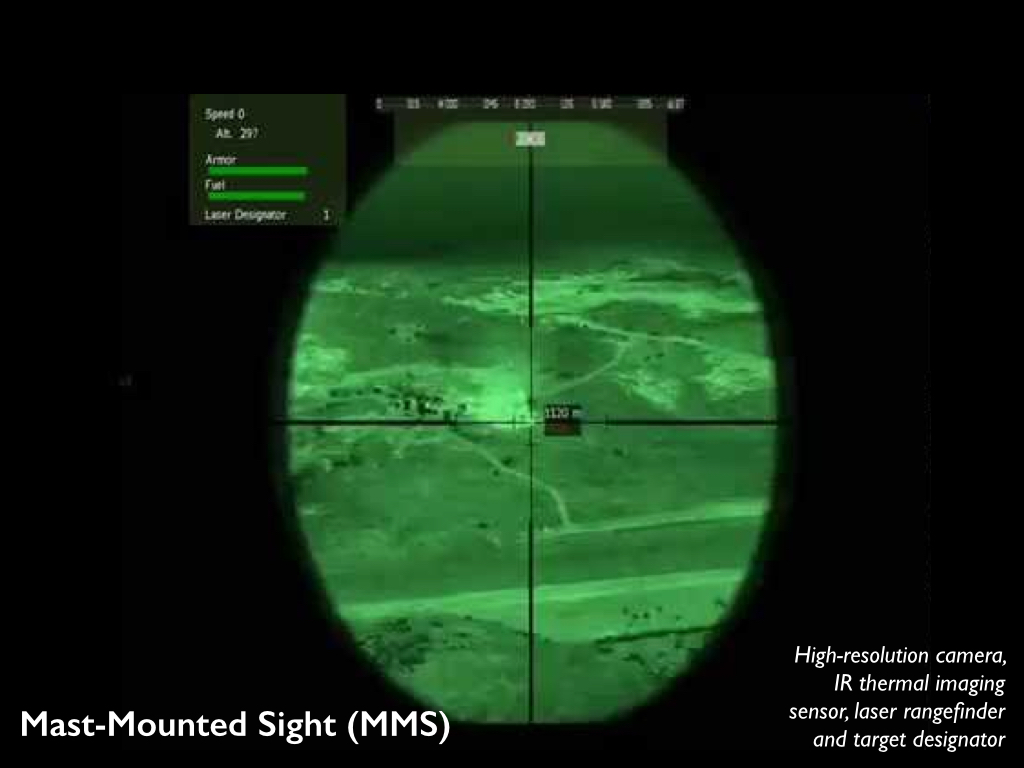
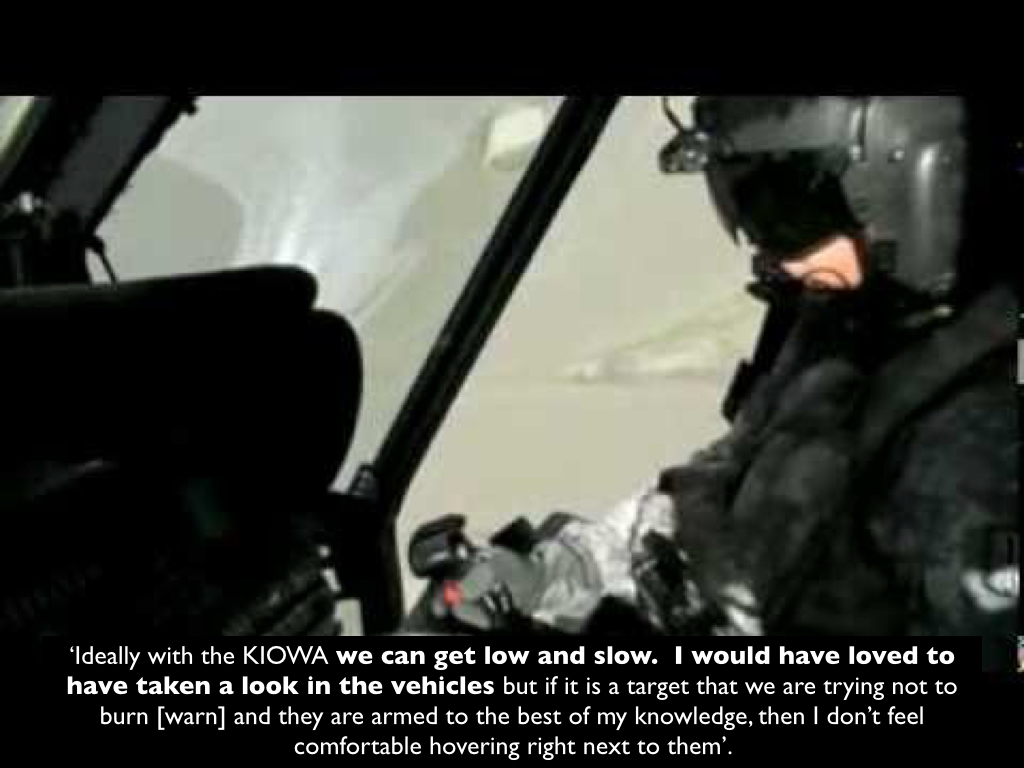
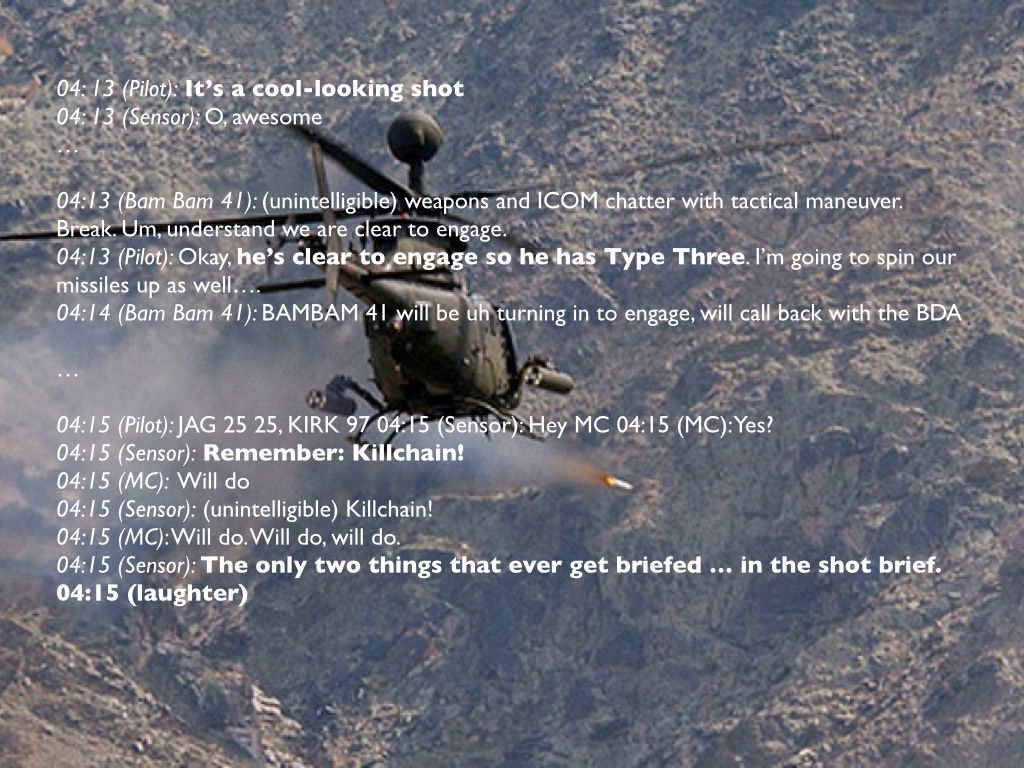
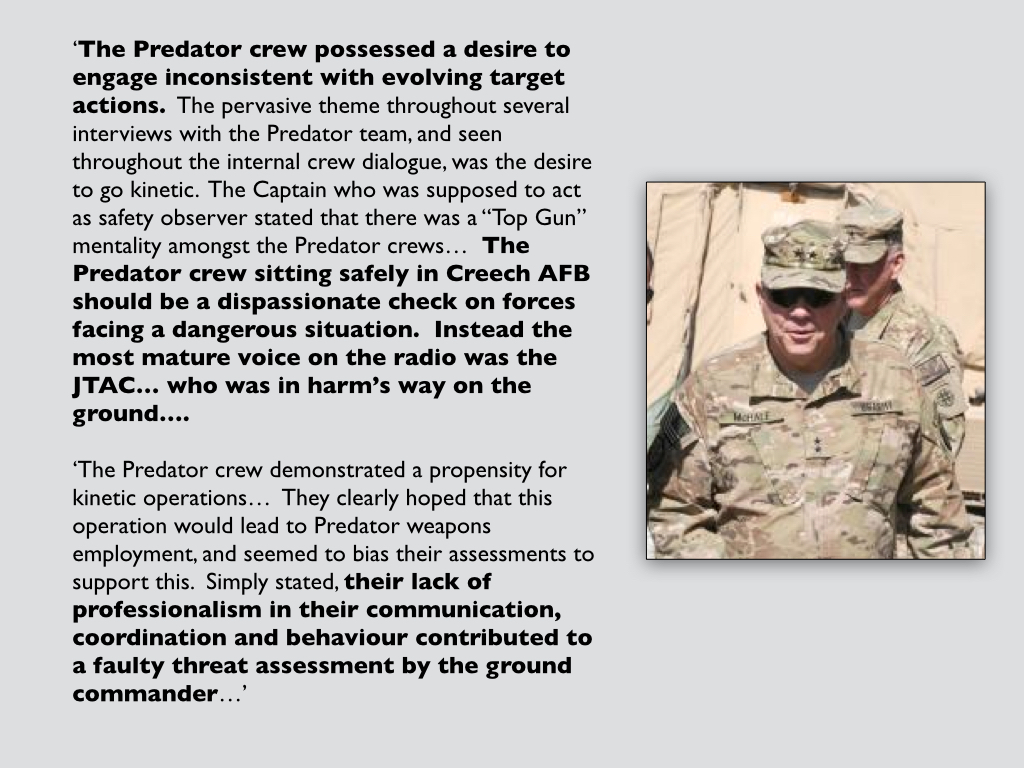
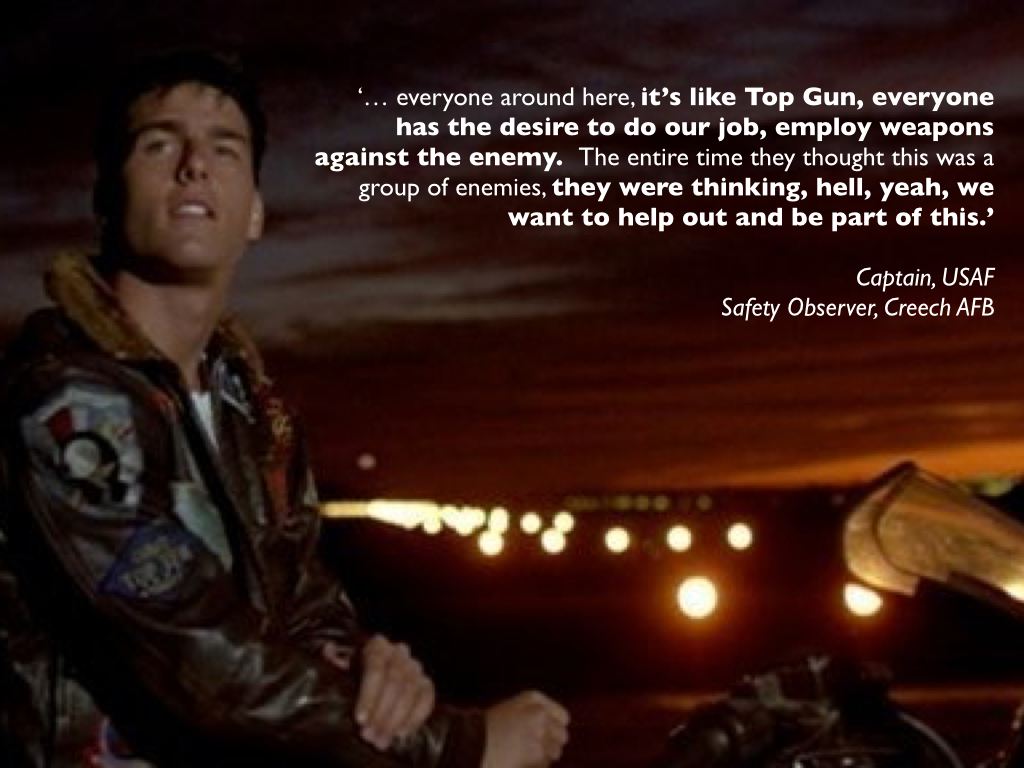
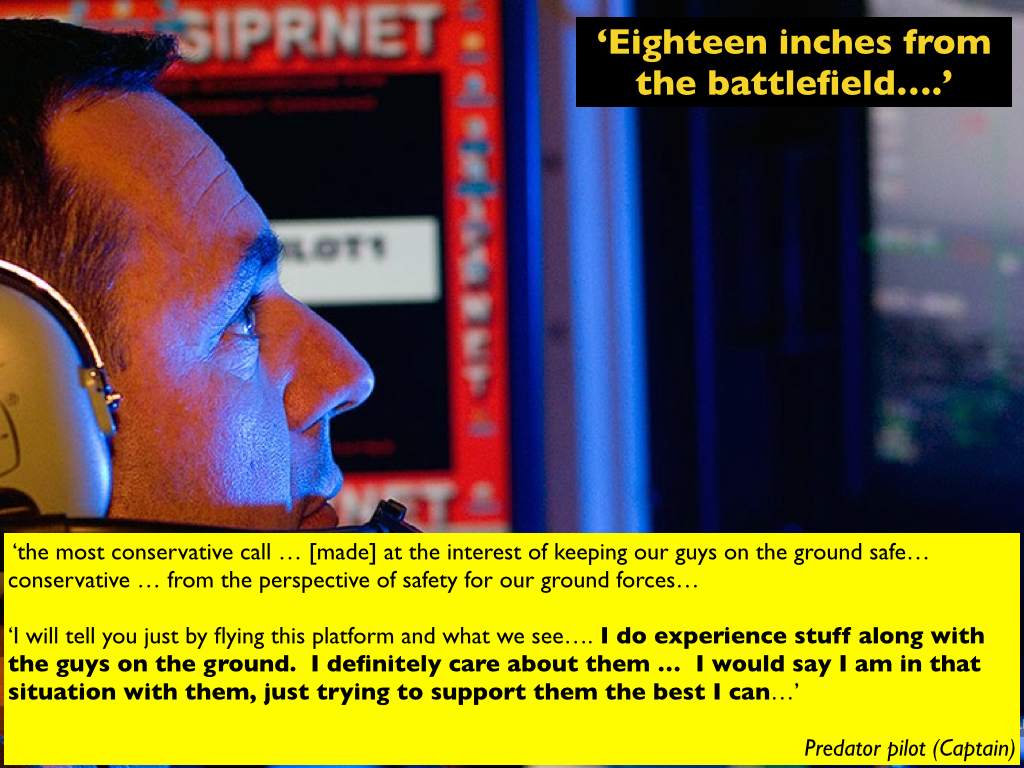
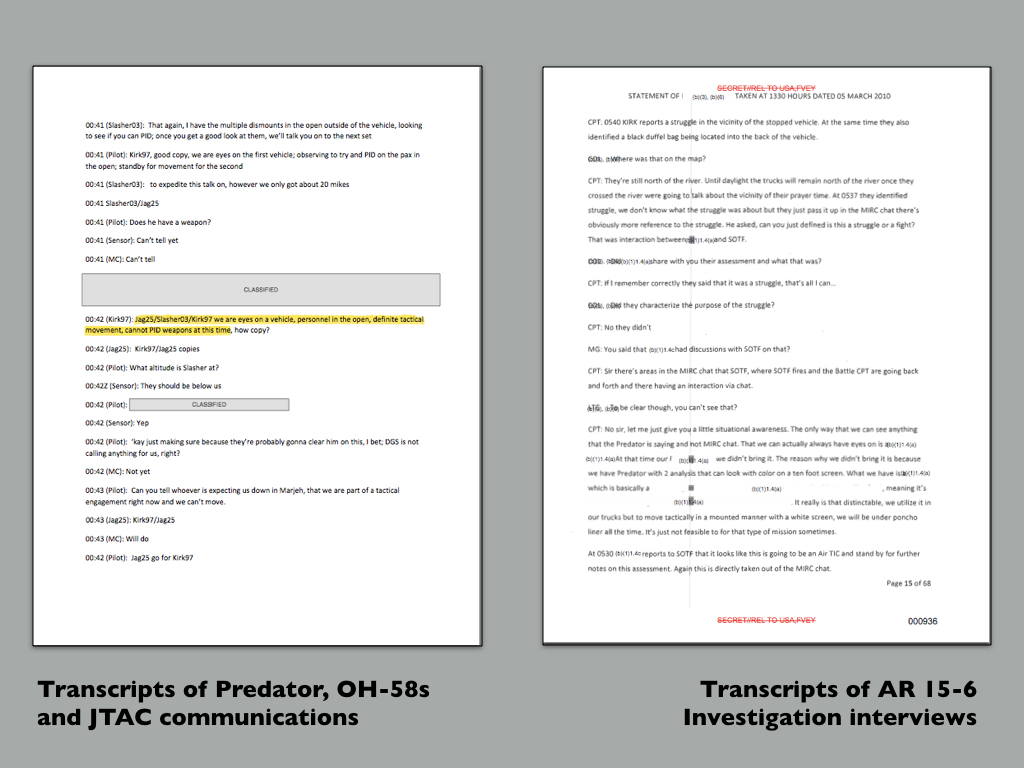
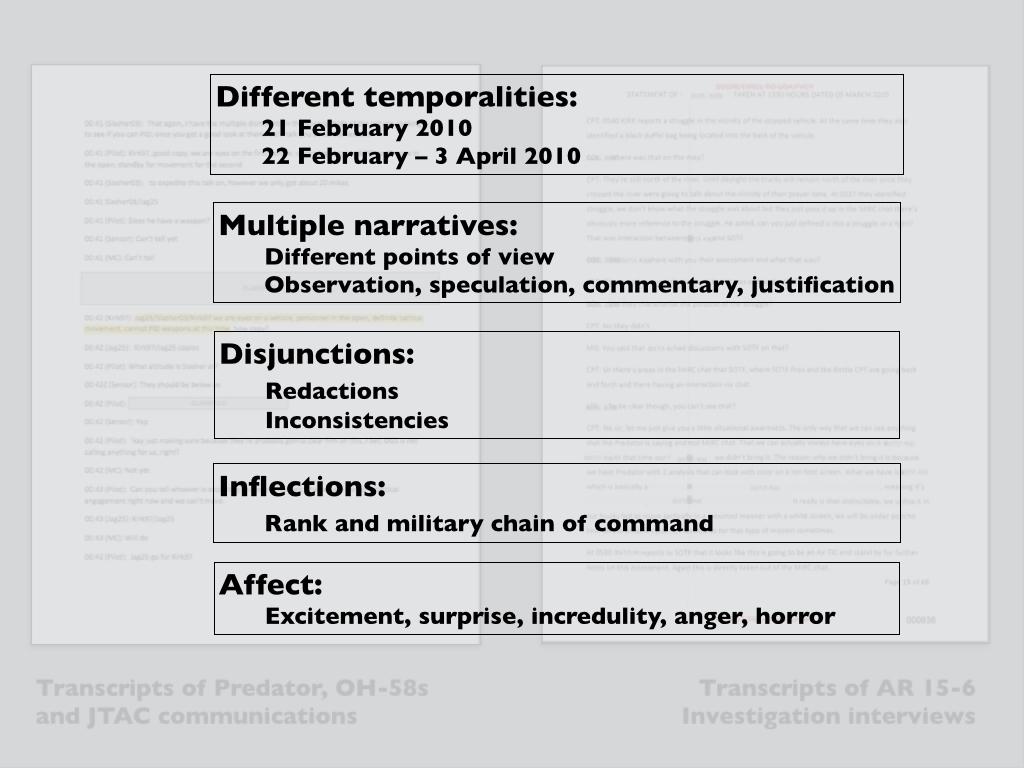
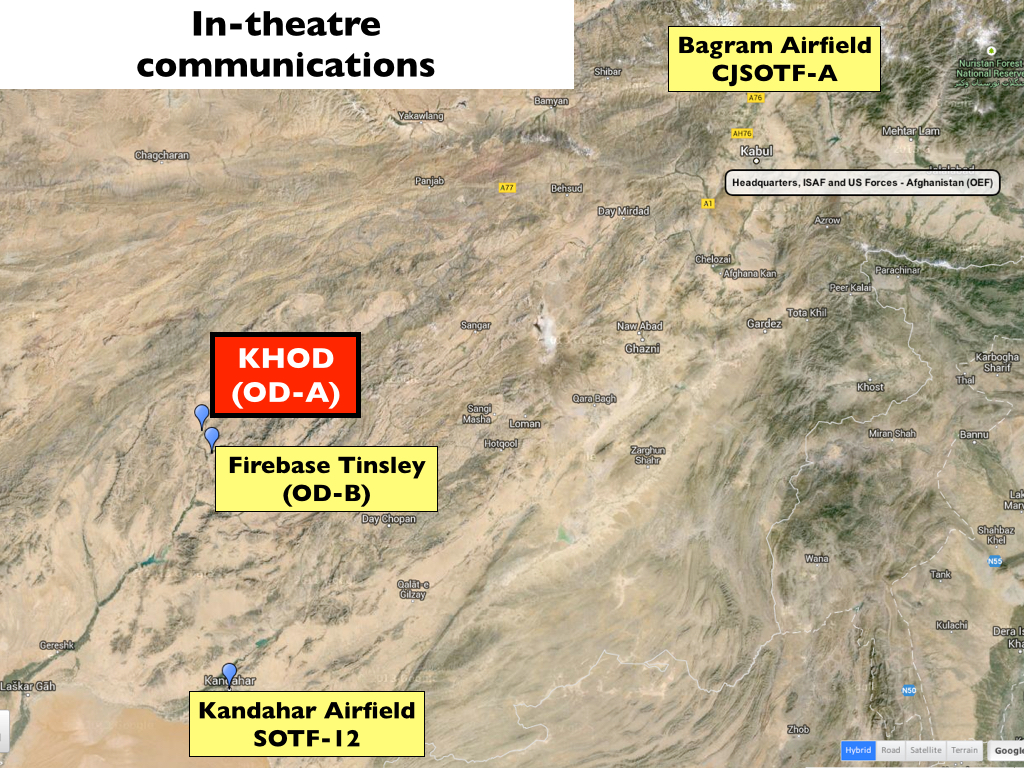

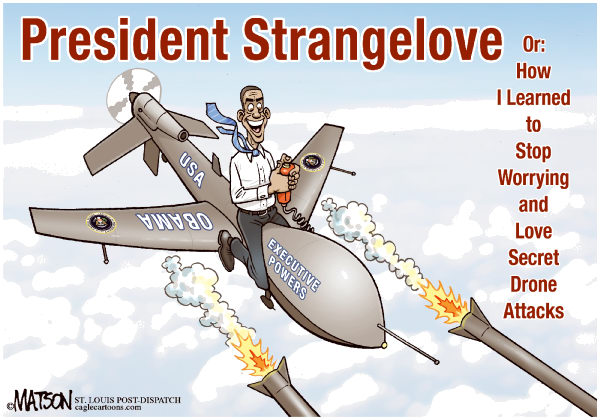
![Enola Gay co-pilot [Robert Lewis]'s sketch after briefing of approach and 155 turn by the B-29s weaponeer William Parsons, 4 August 1945](https://geographicalimaginations.com/wp-content/uploads/2015/09/enola-gay-co-pilot-robert-lewiss-sketch-after-briefing-of-approach-and-155-turn-by-the-b-29s-weaponeer-william-parsons-4-august-1945.jpg)

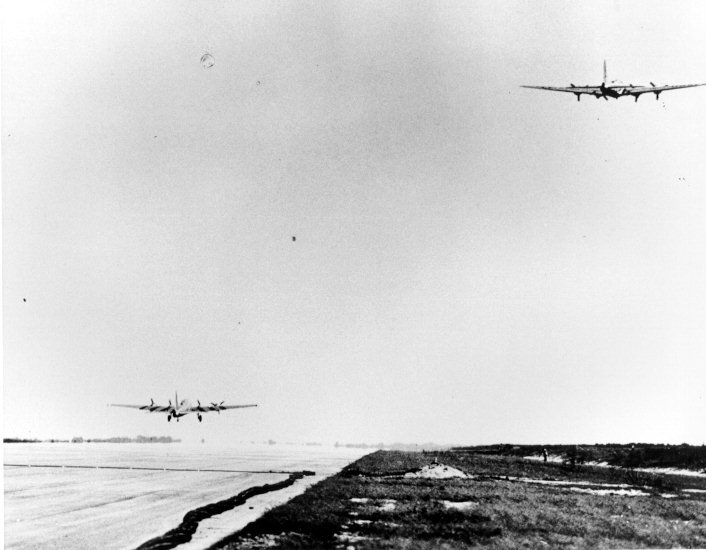
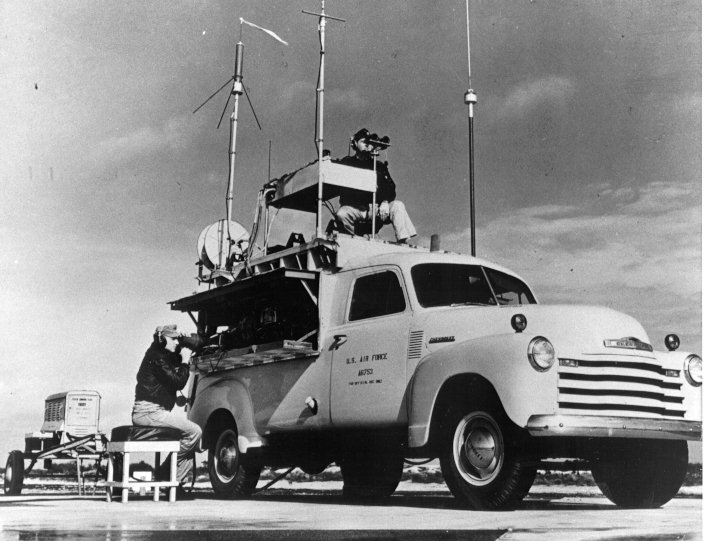
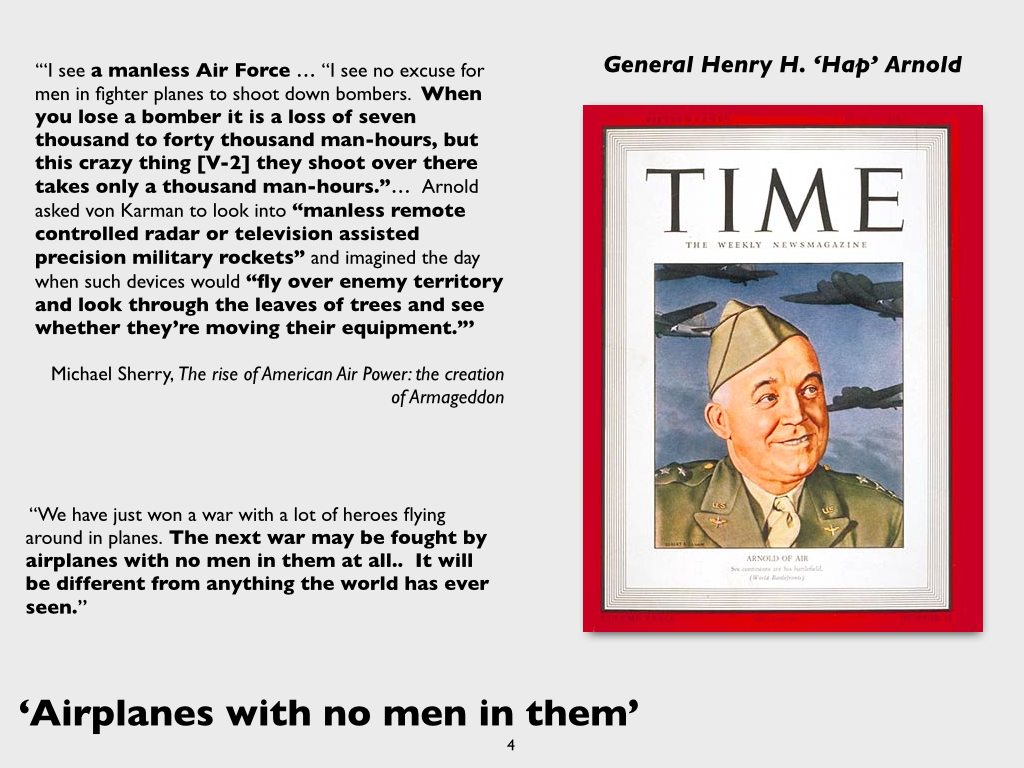
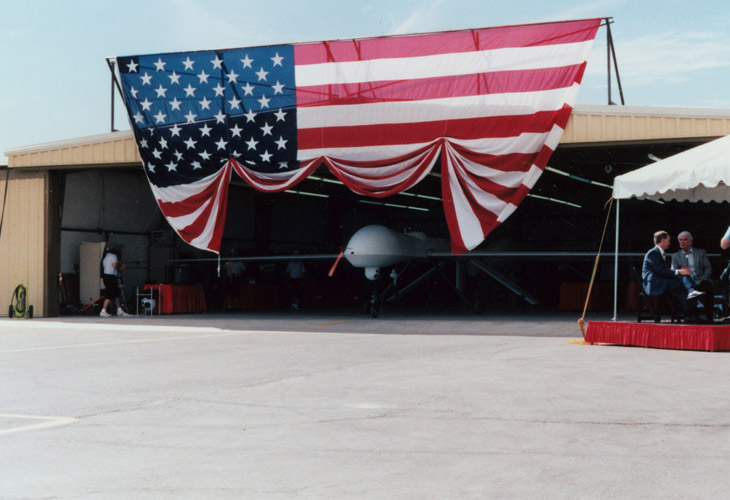


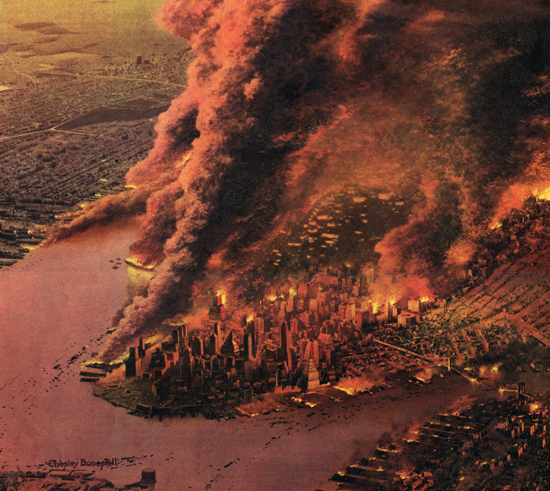
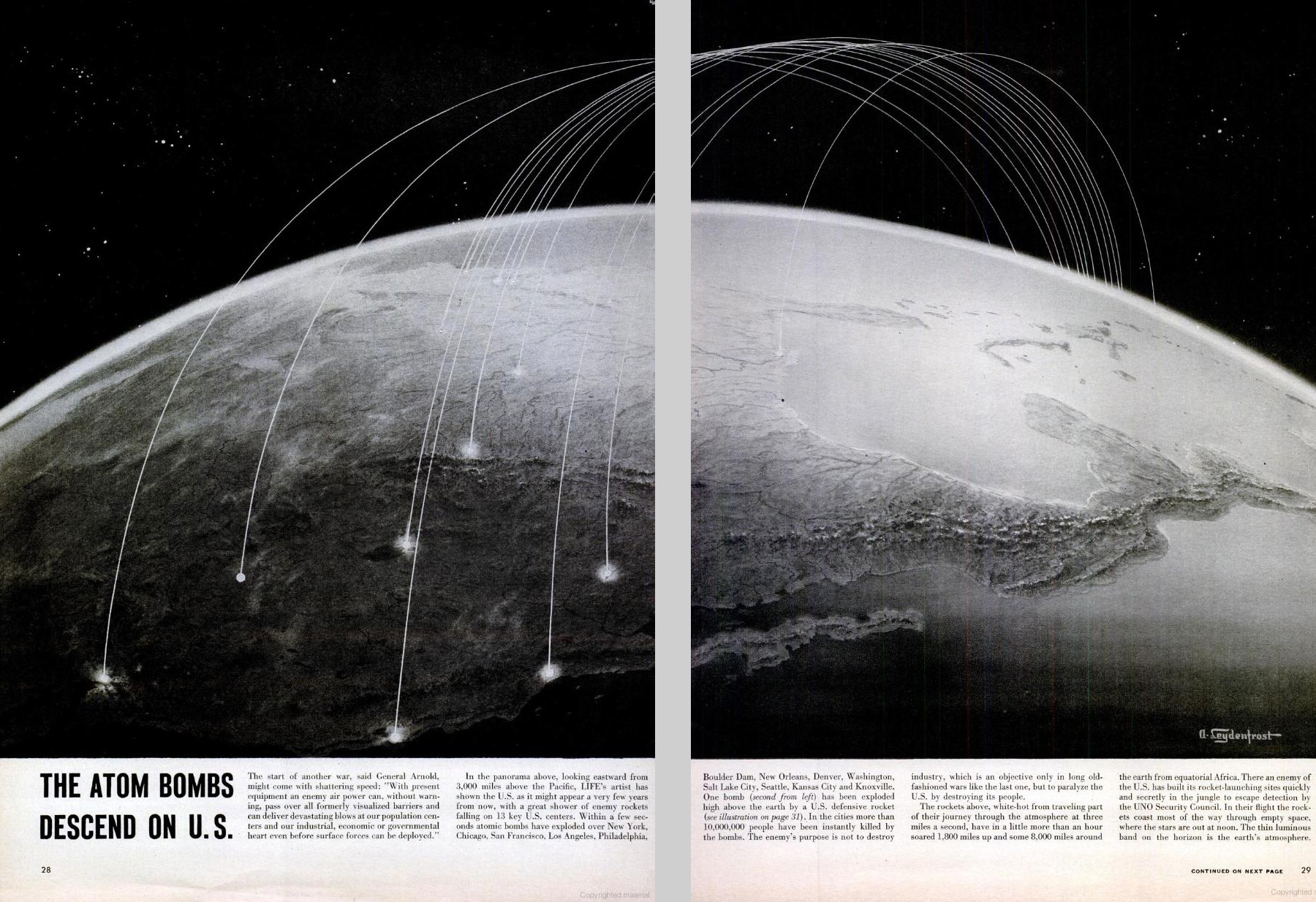



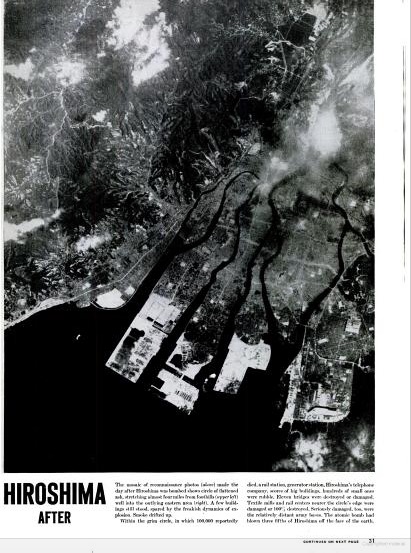

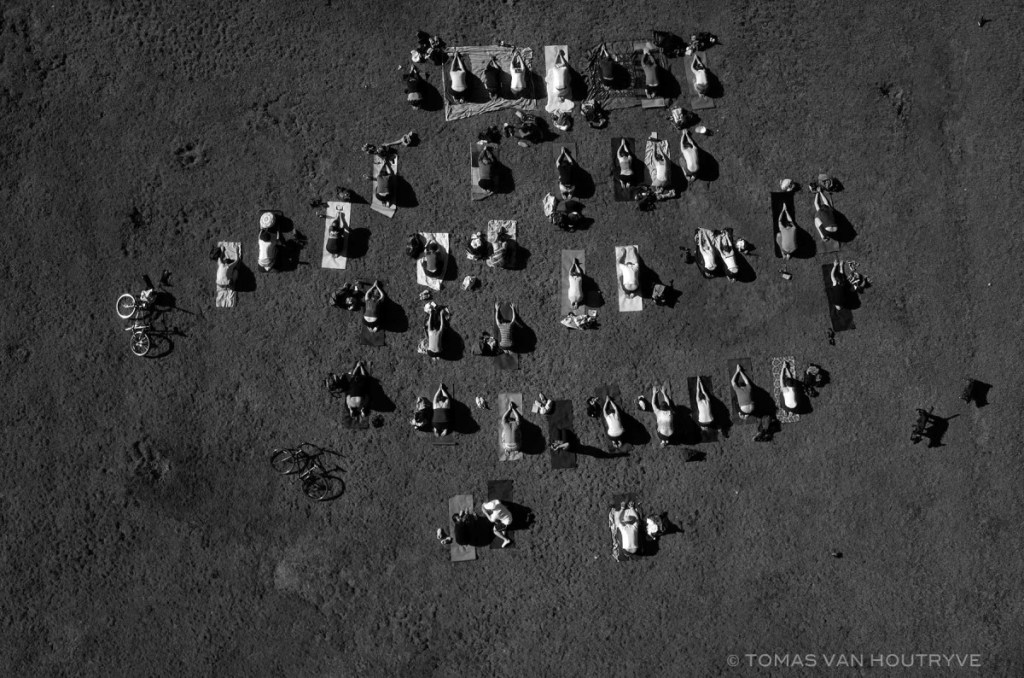
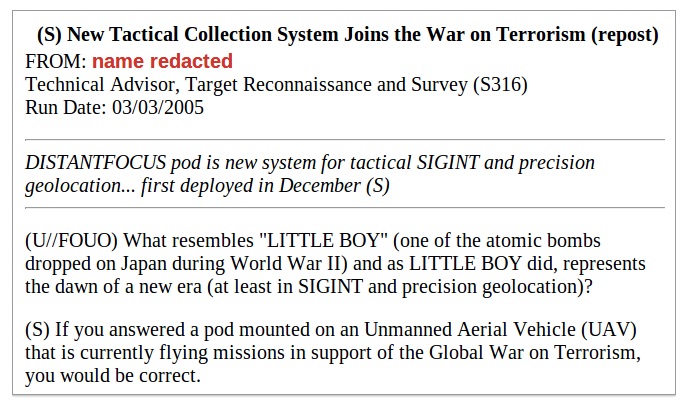
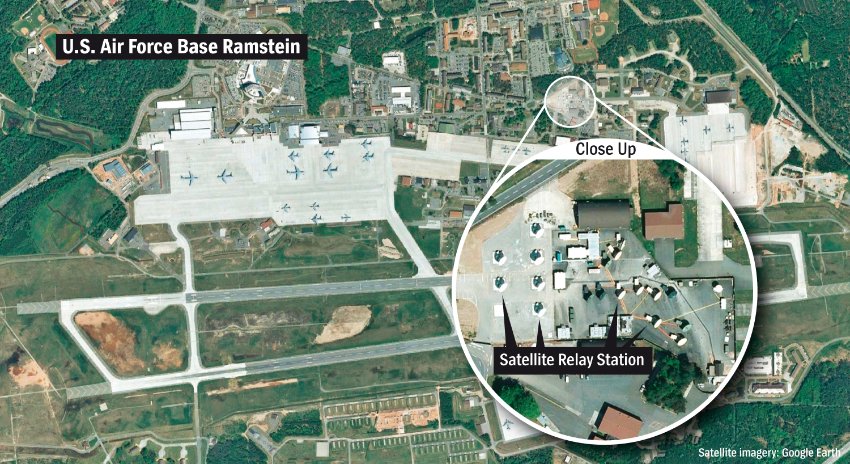
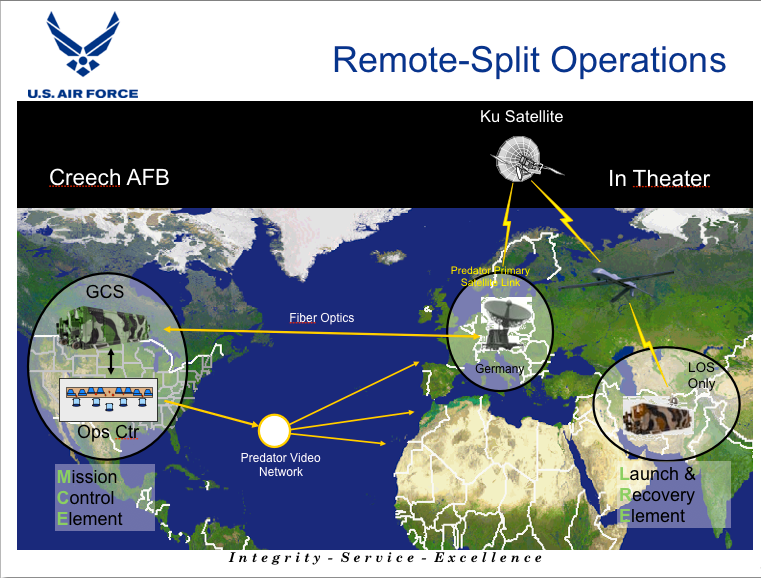
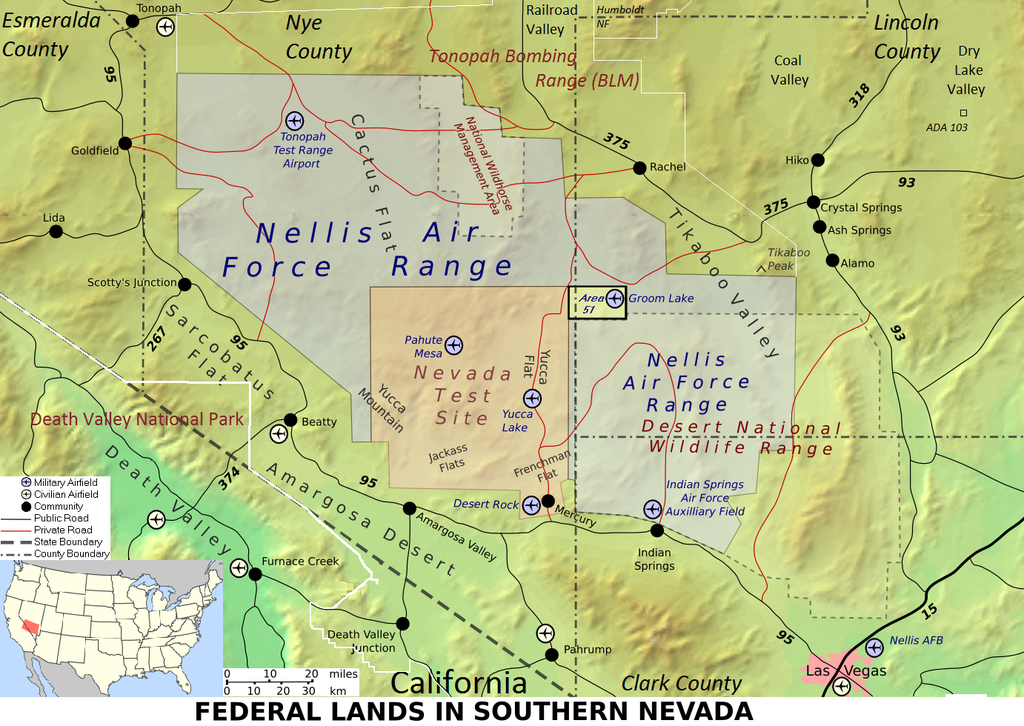
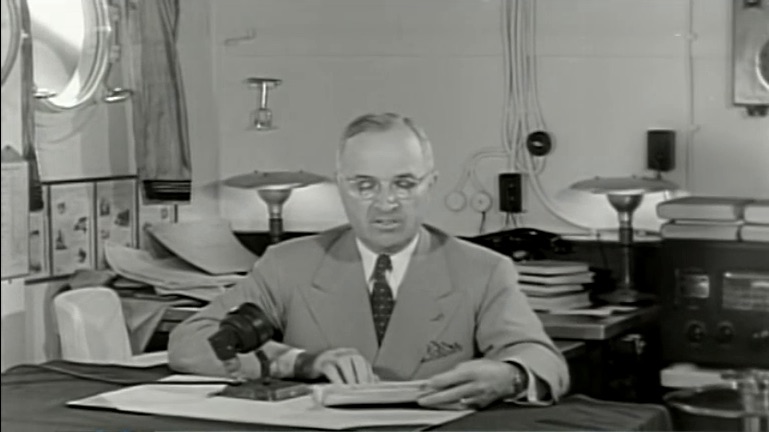
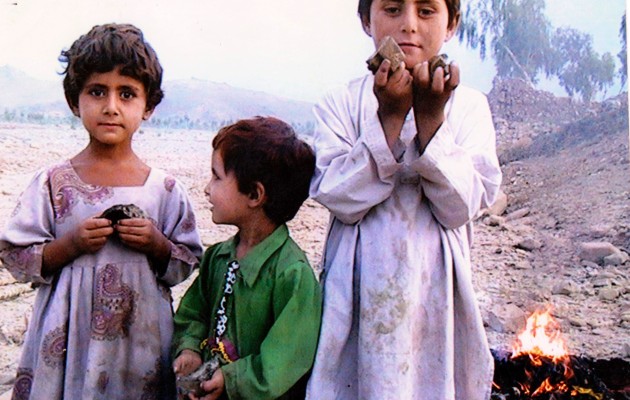
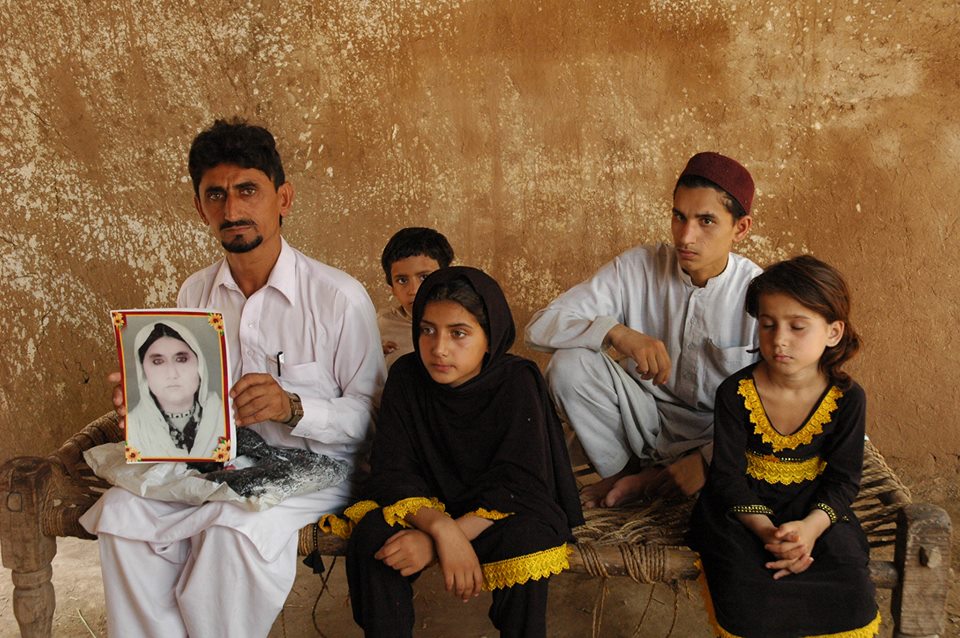
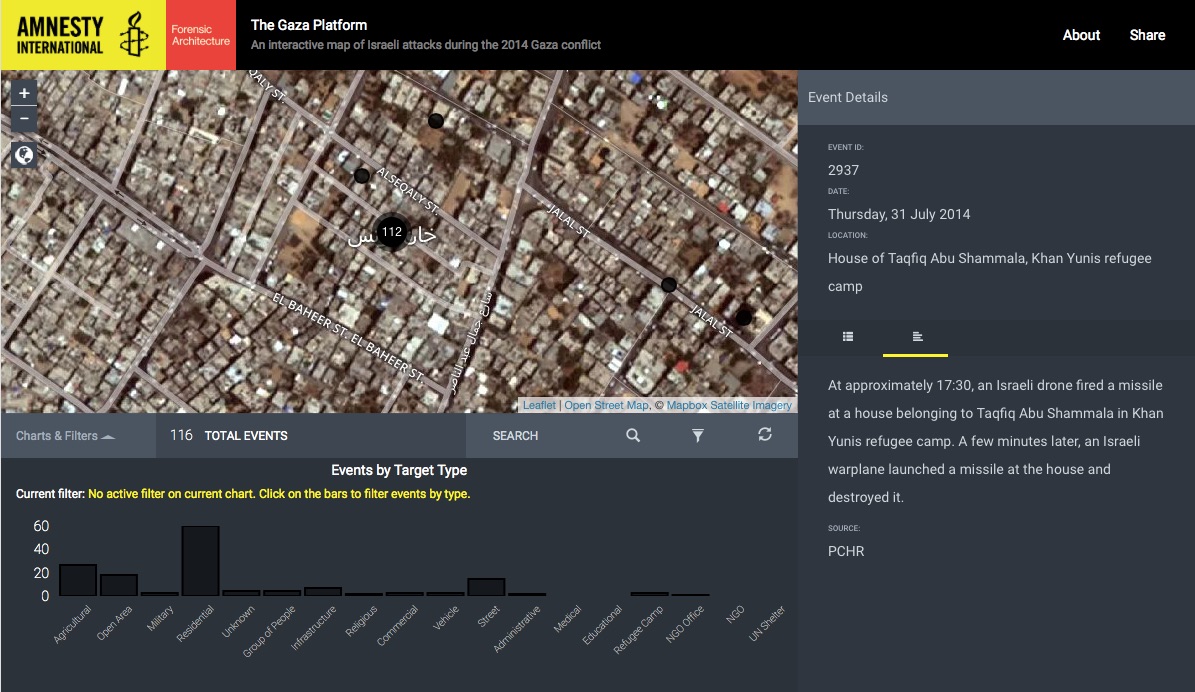
 geographical imaginations