It’s an original, compelling and immensely important analysis of a US air strike on two tankers hijacked by the Taliban and beached on a river crossing near Kunduz (Afghanistan) in September 2009. The strike was called in by a Bundeswehr officer who claimed – falsely – that he was facing what the military call ‘troops in contact’ which required immediate action; the two American pilots of the F-15s repeatedly questioned his decision but to no avail, and when the smoke cleared somewhere between 26 and 147 civilians who had been siphoning petrol from the stranded tankers had been killed.
I published a preliminary analysis of the attack, ‘Seeing like a military‘, and subsequently heard Christiane give an early version of her own argument at a conference in Lancaster in May 2014; we’ve had a lively dialogue about the strike since then. Here is the abstract:
While the distinction between civilians and combatants is fundamental to international law, it is contested and complicated in practice. How do North Atlantic Treaty Organization (NATO) officers see civilians in Afghanistan? Focusing on 2009 air strike in Kunduz, this article argues that the professional vision of NATO officers relies not only on recent military technologies that allow for aerial surveillance, thermal imaging, and precise targeting but also on the assumptions, vocabularies, modes of attention, and hierarchies of knowledges that the officers bring to the interpretation of aerial surveillance images. Professional vision is socially situated and fre- quently contested with communities of practice. In the case of the Kunduz air strike, the aerial vantage point and the military visual technologies cannot fully determine what would be seen. Instead, the officers’ assumptions about Afghanistan, threats, and the gender of the civilian inform the vocabulary they use for coding people and places as civilian or noncivilian. Civilians are not simply “found,” they are produced through specific forms of professional vision.
And here is her key conclusion which clearly resonates far beyond Kunduz (see, for example, here and here; I’ve radically reworked the presentation from which those two posts derive, and you can get some sense of where I’m heading here):
In Afghanistan and in situations of armed conflict more generally, the distinction between civilians and noncivilians is a crucial dimension of seeing, intervening in, and responding to violence. The protection of civi- lians is an almost universally proclaimed goal; it is the centerpiece of the ISAF 2009 Tactical Directive. Yet without a reliable understanding of who counts as a civilian and how they can be recognized, the promise of civilian protection rings hollow. The category of the civilian, derived from specific Eurocentric understandings of armed conflict, had been grafted onto Afgha- nistan and Afghans who had to negotiate their security amidst conflict. Yet it is not clear what Afghans should do or avoid in order to be recognized as civilians. Those who shared the aerial viewpoint could not agree on the civilian status of the people near the trucks and neither could those who had extensive personal knowledge of the local social structures. Thus, a shift in perspective did not solve the problem that civilians are not clearly recogniz- able to those who have a mission to spare and protect them. At a deeper level, the lack of consensus about visually identifying civilians indicates a lack of agreement about who counts as a civilian. NATO officers consistently try to stabilize and shrink the category of civilian by juxtaposing it with a capacious category of noncivilians: insurgents, militants, supporters, and Taliban…
Yet civilians don’t simply exist. They are enacted and produced by, among other sites, socially situated interpretation of images produced with the aid of visual technologies. Sociocultural prisms of visibility not only produce counts of legitimate civilians but also legitimize the category of civilian as a workable and meaningful foundation of international law. The people who would like to be regarded as civilians bear the burden of distinguishing themselves from putative noncivilians according to criteria that they can never fully grasp because they don’t know which background knowledges and epistemes will be mobilized by those in charge of distinguishing civilians from combatants.
And – please note – this is not about drone strikes; not only have the vast majority of strikes in Afghanistan been carried out by conventional strike aircraft (why do so many of those who campaign against drones ignore other forms of aerial violence?) but no drones were involved in this particular attack either; the sharp point that Christiane makes applies to all airstrikes – and indeed, to militarised vision more generally.
I’ve drawn attention to Harry Parker‘s Anatomy of a soldier before: see here and here (and especially ‘Object lessons’: DOWNLOADS tab). Most of the reviews of the novel were highly favourable, applauding Parker’s experimental attempt to tell the story of a soldier seriously wounded by an IED in Afghanistan through the objects with which he becomess entangled.
But writing in The SpectatorLouis Amis saw it as an object lesson in ‘How not to tell a soldier’s story‘. He complained that Parker’s device produced a narrative
‘as if the war were composed only of its inanimate processes, either accidental or inevitable. It’s a different planet to the bloody, profane, outlaw Iraq of [Phil] Klay’s Redeployment, radiating shame, PTSD and suicide, and the unbearable awkwardness of transmitting such truths to an alienated civilian world.
Parker’s device gestures aptly towards a spreading out of consciousness, a transmutation, the scattering of the individual along some plane at the threshold of death; the sensations of depersonalisation and hyper-perceptivity associated with traumatic experience; and the soothing quiddity of simple objects, as opposed to abstract thought, for a recovering victim. But it is also a method of averting the gaze from a war’s futility and waste, and worse — and probably, therefore, too, from the true nature of any saving grace.’
I do think Parker’s narrative accomplishes more than Amis allows. It succeeds in making the war in Afghanistan at once strange and familiar; and its strangeness comes not from the people of Afghanistan, that ‘exotic tableau of queerness’ exhibited in so many conventional accounts, but through the activation of objects saturated with the soldier’s sweat, blood and flesh. It’s also instructive to read the novel alongside Jane Bennett‘s Vibrant matter: a political ecology of things or Robert Esposito‘s Persons and things, as I’ve done elsewhere, and to think through the corpo-materialities of modern war and its production of the battle space as an object-space: but neither of these has much to say about how their suggestive ideas might be turned to substantive account.
Still, Amis’s point remains a sharp one; Scottt Beauchampsays something very similar:
Harry Parker goes further than [Tim] O’Brien [in The things they carried] in giving equal narrative play to nonhuman things. Not only do they make the plot of Parker’s novel possible, they also bear semiconscious witness to our shared reality, corroborating it. Their inability to pass moral judgment comes off as a silent accusation. If this ontological shift toward objects is the most honest way we have of talking about war, it’s still limiting: it turned its weakness—its inability to fully articulate the moral significance of war—into a defining characteristic.
But I haven’t been able to let Parker’s experiment go. So, for one of my presentations in Durham last month – on the parallels and differences between combat medical care and casualty evacuation on the Western Front in the First World War and Afghanistan a century later – I sketched out an Anatomy of another soldier. It’s based on my ongoing archival work; earlier in the presentation I had used diaries, letters, memoirs, sketches and photographs to describe what Emily Mayhewcalls the ‘precarious journey’ of British and colonial troops through the evacuation chain – you can see a preliminary version in ‘Divisions of life’ here – so this experiment was a supplement not a substitute. But I wanted to see where it would take me.
So here are the slides; they ought to be self-explanatory – or at any rate, sufficiently clear – but I’ve added some additional notes. I should probably also explain that in each case the object in question appeared on the slide at the end of its associated narrative.
***
I discuss aerial photography and trench mapping on the Western Front – and the difficulty of navigating the shattered landscapes of trench warfare – in ‘Gabriel’s map: cartography and corpography in modern war’ (DOWNLOADS tab).
You can find a short account of the synchronisation of officers’ watches on the Western Front in ‘Homogeneous (war) time’ here.
A shortage of cotton (combined with its relatively high cost) together with the extraordinary demand for wound dressings prompted the War Office to use sphagnum moss – the British were years behind the Germans and the French in appreciating its antiseptic and absorbent qualities, which also required dressings to be changed less often. You can get the full story from Peter Ayres, ‘Wound dressing in World War I: the kindly sphagnum moss’, Field Bryology 110 (2013) 27-34 here.
But one RAMC veteran [in ‘Field Ambulance Sketches’, published in 1919] insisted on the restorative power of the white bandage, administered not by regimental stretcher bearers but by the experts of the Royal Army Medical Corps’s Field Ambulance:
The brown first field dressing, admirable as it is from a scientific point of view, always looks a desperate measure; and if it slips, as it generally does on a leg wound, it becomes for the patient merely a depressing reminder of his plight. A clean white dressing, though it may not be nearly so satisfactory in the surgeon’s eyes, seems to reassure a wounded man strangely. It makes him feel that he is being taken care of, gives him a kind of status, and stimulates his sense of personal responsibility. With a white bandage wound in a neat spiral round his leg, he will walk a distance which five minutes earlier, under the dismal suggestion of a first field dressing, he has declared to be utterly beyond his powers.
I borrowed the white maggots (and some of the other details of the wounds) from John Stafford‘s extraordinary, detailed recollection of being wounded on the Somme in August 1916 available here.
Carrying a stretcher across a mud-splattered, shell-blasted landscape was immensely tiring and it was all too easy to lose one’s bearings. From ‘A stretcher-Bearer’s Diary’, 17 September 1916:
‘The shell fire, and the mud, are simply beyond description, and it is a miracle that any escape being hit. We have to carry the wounded shoulder high, the only way it can be done, because of the mud. Our shoulders are made raw by the chafing of the stretcher handles, although we wear folded sandbags under our shoulder straps. Sweat runs into our eyes, until we can hardly see. When a barrage comes we must keep on and take no notice, as even if we could find cover, there is none for the man on the stretcher….
‘…The rain has made the ground a sea of mud, and we have to carry the wounded three miles to the Dressing Stations, as the wheeled stretchers cannot be used at all. Two men using stretcher slings could not carry a man thirty yards, and I have seen four bearers up to their knees in mud, unable to move without further assistance.
By the time of the 3rd Battle of Ypres, it could take eight men to carry a stretcher half a mile to an aid post – and it could take them two hours to do it.
Even in ideal circumstances, manoeuvering a stretcher down a narrow, crowded trench was extremely difficult, ‘like trying to move a piano down an avenue of turnstiles.’ During major offensives a one-way system was in operation, and stretcher bearers were supposed to use only the ‘down’ trenches. From the Aid Posts the RAMC stretcher-bearers of the Field Ambulance would take over from the regimental stretcher-bearers. Here is one young novice, Private A.F. Young with the 2n3/4th London Field Ambulance:
Step by step we picked our way over the duckboards. It is useless to try and maintain the regulation broken step to avoid swaying the stretcher. Slowly we wind our way along the trenches, our only guide our feet, forcing ourselves through the black wall of night and helped occasionally by the flash of the torch in front. Soon our arms begin to grow tired and the whole weight is thrown on to the slings, which begin to bite into our shoulders; our shoulders sag forward, the sling finds its way on to the back of our necks; we feel half-suffocated. A twelve-stone man, rolled up in several blankets on a stretcher, is no mean load to carry, and on that very first trip we found that the job had little to do with the disciplined stretcher-bearing we had spent so many weary hours practising. We are automatons wound up and propelled by one fixed idea, the necessity of struggling forward. The form on the stretcher makes not a sound; the jolts, the shakings seem to have no effect on him. An injection of morphine has drawn the veil. Lucky for him.
Stretcher-bearers changed – they worked in relays close to the front – but the stretcher remained the same. Ideally the wounded soldier would remain on his stretcher only as far as the Casualty Clearing Station, from where used stretchers would be returned to dressing stations and aid posts by now empty ambulances.
Twelve stretchers were supposed to be kept at every Regimental Aid Post, but supplies could easily run out. When Major Sidney Greenfield was wounded, he remembered:
… the call ‘stretcher-bearers’, ‘stretcher-bearers’, the reply ‘No stretchers’. ‘Find one, it’s an officer.’
And it was not uncommon for those evacuated ‘in a rush’ to remain on their stretcher until the base hospital; and since ambulance trains heading to the coast were less urgent than troop trains and supply trains heading in the opposite direction the journey was usually a slow one. If the nearest hospital turned out to be full, a not uncommon occurrence, the train would be sent on to the next available one, thus prolonging the journey still more.
H.G. Hartnett recalled the sheer pleasure of finally being put to bed at the base hospital at Wimereux:
After being washed and changed into clean pyjamas I was lifted off the stretcher on which I had lain for five days and nights into a soft bed—between sheets.
The contrast, of course, was not only with the canvas stretcher but with sleeping in the trenches wrapped in a groundsheet.
Before the widespread introduction of the Thomas splint (above), ordinary or even improvised splints were used. Here is Sister Kate Luard on board an ambulance train in October 1914:
The compound-fractured femurs were put up with rifles and pick-handles for splints, padded with bits of kilts and straw; nearly all the men had more than one wound – some had ten; one man with a huge compound fracture above the elbow had tied on a bit of string with a bullet in it as a tourniquet above the wound himself.
A fractured femur would turn out to be one of the most common injuries, described by Robert Jones as ‘the tragedy of the war’: if fractures were not properly splinted the soldier would arrive at the Casualty Clearing Station in a state of shock caused by excessive blood loss and pain:
‘These men required radical surgery to save their limbs and lives… Entry and exit wounds would have to be extended widely, removing all dead skin and fat… The bone ends of the femur at the fracture site would then have to be pulled out of the wound and be inspected directly [for loose fragments of bone, clothing and debris]… Wounded soldiers arriving at casualty clearing stations with a weak pulse and low blood pressure secondary to excess blood loss due to inadequately splinted fractures would be unlikely to survive the major procedure’ – let alone the amputations that were often administered.
Mortality rates in such circumstances were around 50 per cent. The Thomas splint was specifically designed to immobilise a fractured femur, and by April/May 1917 its use during the battle of Arras had reduced the mortality rate to 15 per cent, and far fewer men lost their legs: see Thomas Scotland, ‘Developments in orthopaedic surgery’, in Thomas Scotland and Stephen Heys(eds) War surgery 1914-1918.
Stretcher bearers were trained to apply the splint in the field, as in this case, but one senior officer made it clear that in any event it had to be applied no later than the Regimental Aid Post:
The Thomas thigh splint should be applied with the boot and trousers on, the latter being cut at the seam to enable the wound to be dressed. The method of obtaining extension by means of a triangular bandage has been sketched and circulated to all MOs in the Divn. After the splint is adjusted it should be suspended both at the foot and at the ring by two tapes at either end tied to the iron supports one of which is fitted to the stretcher opposite the foot and one opposite the hip.
More information on this truly vital innovation: P.M. Robinson and M. J. O’Meara, ‘The Thomas splint: its origins and use in trauma’, Journal of bone and joint surgery 91 (2009) 540-3: never in my wildest dreams did I imagine reading or referencing such a journal – but it is an excellent and thoroughly accessible account. See for yourself here.
It was vital not to leave a tourniquet on for long. Here is one RAMC officer, Captain Maberly Esler, recalling his service on the Somme in June 1915:
If a limb had been virtually shot off and they were bleeding profusely you could stop the whole thing by putting a tourniquet on, but you couldn’t keep it on longer than an hour without them losing the leg altogether. So it was necessary to get the field ambulance as soon as possible so they could ligature the vessels, and the quicker that was done the better.
Lt Col Henderson‘s pencilled notes on the treatment of the wounded (1916-16) urged stretcher bearers to make every effort to stop bleeding with a compress or bandage: ‘ A tourniquet should only be applied if this response fails and where a tourniquet is applied the [Regimental Medical Officer] should be at once informed on the arrival of the case at the [Regimental Aid Post].’ By May 1916 Medical Officers were being warned ‘against too frequent use of the tourniquet, on the grounds that the dreaded gas bacillus (perfringens) is most likely to thrive in closed tissues.’
A tourniquet could aggravate damaged tissues and did indeed increase the risk of gangrene; 80 per cent of those whose limbs had a tourniquet applied for more than three hours required amputation.
This was a major responsibility; sometimes the card was filled in at a Dressing Station, sometimes at the Casualty Clearing Station. George Carter‘s diary entry for 31 August 1915 explains its importance:
‘My work consists of nailing every patient and getting his number, rank, name, initial, service, service in France, age, religion, battalion and company. That is usually fairly plain sailing, I find, but entails a certain amount of searching [extracting paybook or diary, for example] when a patient is too ill to be bothered with questions. Then I have to find out what is the matter with him, what treatment he has had, and what is going to be done with him… The reason for taking these particulars and making out forms is to prevent any man being lost sight of, whatever happens to him. If he finishes in England after taking a week on the journey, he has got all his partics on him, everywhere he has stopped, the RAMC have been able to see at a glance all about him and can turn up all about him if called on.’
But things could easily go awry. Here is one young soldier, Henry Ogle:
I think it must have been here [at the CCS] that orderlies tied Casualty Labels on our top tunic buttons, and got mine wrong, though it may have been at Louvencourt or even Hébuterne. Wherever it had happened, it was here that I first noticed it and called the attention of an orderly to it. I had been wounded in the right calf by part of a rifle bullet which penetrated deeply and remained in but I had been labelled for superficial something or other, while Frank Wallsgrove was GSW for gunshot wound. I said, ‘Mine’s wrong, for we two were hit by the same bullet.’ ‘Can’t alter your label, chum. Anyhow it doesn’t matter. It’ll get proper attention.’ We were already being packed into a train so nothing could be done and I didn’t worry about it.
At the base hospital he tried again:
An orderly came along (it was then dark night) and threw a nightgown and a towel at me. ‘Bathroom. Down that passage. On the right. Any of them.’ ‘Don’t think I can get there. Can’t walk.’ ‘Let’s see your label.’ ‘Label’s wrong.’ ‘What do you know about that? Go on.’ ‘I know a bloody sight more about it than you do, chum, but I’ll see what I can do.’ It was not easy as the leg was quite out of action and my orderly friend had no time to watch… On crawling back I found Frank tucked into bed. Our case-sheets were clipped to boards which hung on the wall behind our beds and, so far, the items from our tunic labels had been copied out on the case-sheets. The next morning the customary round of visits was made by the Medical Officer on duty with Matron and Sister of Ward and an orderly or two. I tried to explain that my label was wrong and Frank backed me up but we were simply ignored. My wound was dressed as a surface wound.
It was only after the swelling of his leg alarmed Matron that Henry was shipped off for an X-ray that revealed the need for an operation to remove the bullet.
‘T’ for anti-tetanus serum. In the first weeks of the war tetanus threatened to become a serious problem: on 19 October 1915 Sister Kate Luardrecorded ‘a great many deaths from tetanus’ in her diary, but two months later she was able to note ‘The anti-tetanus serum injection that every wounded man gets with his first dressing has done a great deal to keep the tetanus under.’ In A Surgeon in Khaki, published in 1915, Arthur Andersen Martin confirmed that ‘every man wounded in France or Flanders today gets an injection of this serum within twenty-four hours of the receipt of the wound’ – at least, if he had been recovered in that time – and ‘no deaths from tetanus have occurred since these measures were adopted.’
More information: Peter Cornelis Wever and Leo van Bergen, ‘Prevention of tetanus during the First World War’, Medical Humanities 38 (2012) 78-82.
Morphine was administered for pain relief, but it still awaits its medical-military historian (unless I’ve missed something).
This was Boyle’s anaesthetic apparatus, but before the widespread availability of these machines a variety of systems was in use and, in the heat of the moment, the administration of anaesthesia was often far removed from the clinical, calibrated procedures the machine made possible. Here is a chaplain who served at No 44 Casualty Clearing Station:
I spent most of my time giving anaesthetics. I had no right to be doing this, of course, but we were simply so rushed. We couldn’t get the wounded into the hospital quickly enough, and the journey from the battlefield was terrible for these poor lads. It was a question of operating as quickly as possible. If they had had to wait their turn in the normal way, until the surgeon was able to perform an operation with another doctor giving the anaesthetic, it would have been too late for many of them. As it was, many died.
The most fortunate patients were those who had little or no recollection of the procedure. Here is H.G. Hartnett on his experience at No 15 Casualty Clearing Station (the second occasion he was wounded):
I was destined for surgery and lay in agony on my stretcher until near 9.00 pm, when orderlies carried me into a brilliantly lit operating theatre. I was placed on the centre one of three operating tables where I lay watching doctors and nurses completing an operation on another patient only a few feet from where I lay. When my turn came my wound was uncovered and a doctor placed a mask over my face. Then he asked me the name of the colonel of my battalion as he administered the anaesthetic. I remember no more about the operation or the theatre. When I returned to brief consciousness about 4.00 am the next morning I was lying on a stretcher on the ground in a large canvas marquee, in the third position on my side of it. Others had been carried in during the night, all from the operating theatre. The fumes of the anaesthetic from their clothes and blankets continued to put us off to sleep again. The day was well advanced when I finally returned to full consciousness.
In the early years of the war anaesthesia was not a recognised speciality – and chloroform was the most widely used agent – but as the tide of wounded surged, operative care became more demanding and Casualty Clearing Stations assumed an increasing operative load so it became necessary to refine both its application and the skills of those who administered it. In the British Army advances in anaesthesia were pioneered by Captain Geoffrey Marshall at No 17 Casualty Clearing Station at Remy Siding near Ypres from 1915. By then nitrous oxide and oxygen were commonly used for short operations (which did not mean they were minor: they included guillotine amputations) but longer procedures typically relied on chloroform and ether. A crucial disadvantage of chloroform was that it lowered blood pressure in patients who had often already lost a lot of blood. ‘If chloroform be used,’ Marshall warned, ‘the patient’s condition will deteriorate during the administration, and he will not rally afterwards.’ And while ether would often produce an improvement during the operation, this was typically temporary: ‘the after-collapse [would be] more profound and more often fatal.’ His achievement was to show that a combination of nitrous oxide, oxygen and ether significantly improved survival rates for complex procedures – from 10 per cent to 75 per cent for leg amputations – and to have a machine made to regulate the combination of the three agents. His design was copied and modified by Captain Henry Boyle, whose name became attached to the device.
More information: Geoffrey Marshall, ‘The administration of anaesthetics at the front’, in British medicine in the war, 1914-1917; N.H. Metcalfe, ‘The effect of the First World War (1914-1918) on the development of British anaesthesia’, European Journal of Anaesthesiology 24 (2007) 649-57; E. Ann Robertson, ‘Anaesthesia, shock and resuscitation’, in Thomas Scotland and Steven Heys(eds) War surgery, 1914-1918.
Bovril was advertised in all these ways; the company used a sketch of the Gallipoli campaign to claim that Bovril would ‘give strength to win’ and that it was a ‘bodybuilder of astonishing power’. In 1916 the company even published an extract from a letter purported to come from the Western Front, accompanied by an image of an RAMC Field Ambulance tending a wounded soldier:
But for a plentiful supply of Bovril I don’t know what we should have done. During Neuve Chapelle and other engagements we had big cauldrons going over log fires, and as we collected and brought in the wounded we gave each man a good drink of hot Bovril and I cannot tell you how grateful they were.
Oxo seems to have been less popular, and least for any supposed medicinal or restorative properties, but it was often sent to soldiers by their families at home. One advertising campaign enjoined them to ‘be sure to send Oxo’, and in one ad a Tommy writes home to say that when he returned to his billet to find the parcel, ‘the first thing I did was to make a cup of OXO and I and my chums declared on the spot this cup of OXO was the best drink we had ever tasted.’
The image shows a surgeon using a fluoroscope to locate the fragments of the bullet:
An early Crookes x-ray tube visible under the table emits a beam of x-rays vertically through the patient’s body. The surgeon wears a large fluoroscope on his face, a screen coated with a fluorescent chemical such as calcium tungstate which glows when x-rays strike it. The x-ray image of the patient’s body appears on the screen, with the bullet fragments appearing dark.
The ‘partner’ referred to was the Hirtz compass (visible on the left of the image). According to one standard military-medical history:
The essential feature of the H[i]rtz compass is the possibility of adjustment of the movable legs that support the instrument, so that when resting on fixed marks on the body of the patient the foreign body will be at the center of asphere, a meridian arc of which is carried by the compass. This arc is capable of adjustment in any position about a central axis. An indicating rod passes through a slider attached to the movable arc in such a way as to coincide in all positions with a radius of the sphere, and whether it actually reaches the center or not it is always directed toward that point. If its movement to the center of the sphere is obstructed by the body of the patient, the amount it lacks of reaching the center will be the depth of the projectile in the direction indicated by the pointer.
The value of the compass lies in its wide possibility as a surgical guide, in that it does not confine the attention of the surgeon to a single point marked on the skin, with a possible uncertainty as to the direction in which he should proceed in order to reach the projectile, but gives him a wide latitude of approach and explicit information as to depth in a direction of his own selection.
The compass built on Gaston Contremoulins‘ attempts at ‘radiographic stereotaxis’; it could usually locate foreign objects to within 1-2 mm: much more than you could possibly want here.
The reassuring scientificity of all this is tempered by a cautionary observation from a wounded officer, Major Sidney Greenfield, who was X-rayed at a Casualty Clearing Station:
My next recollection was the x-ray machine and two young fellows who were operating it. Apparently the operator had been killed the previous night by a bomb on the site and these two were standing in with little or no experience of an x-ray machine. Their conversation was far from encouraging and was roughly like this: ‘Now we have got to find where it is … is it this knob?’ ‘No.’ ‘Try that one.’ ‘Try turning that one.’ ‘No, that doesn’t seem to be right.’ ‘Ah, There it is.’ ‘Where’s the pencil. We must mark where it is. Now we have to find out how deep it is.’ After some time they seemed to be satisfied. In my condition and knowing little about electrical machines such as x-ray I wondered whether I should be electrocuted and was more relaxed when I was taken back to bed.
Incidentally, X-rays were called Roentgen rays (after the scientist Wilhelm Roentgen who discovered them in 1895) but the British antipathy towards all things German saw them re-named ‘X-rays’ from 1915: Alexander MacDonald, ‘X-Rays during the Great War’, in Thomas Scotland and Steven Heys(eds) War surgery, 1914-1918.
In addition to these terse communications, nurses and chaplains usually wrote to relatives on behalf of their patients. It was seen as a sacred duty, but it often seemed to be a never-ending task. On 1 August 1917 Sister Kate Luard confided in her diary: ‘I don’t see how the “break-the-news” letters are going to be written, because the moment for sitting down literally never comes from 7 a.m. to midnight.’ In the case shown here, Sister Kathleen Mary Latham had written to Lt Hopkins’s wife on 12 November 1917 from a Casualty Clearing Station to say that
‘your husband has been brought to this hospital with wounds of the legs, arms, hand and face. He has had an operation and is going on well. Unfortunately it was found necessary to remove the left eye as it was badly damaged, but he can see with the other though the lid is swollen and he cannot use it yet. No bones are broken. It will not be advisable for you to write to this address as he will probably be going on to the base in a day or two.’
The telegram from the War Office is dated three days later, by which time Hopkins had reached the base hospital at Le Touquet. Sister Latham’s earlier account of her work at Casualty Clearing Station No. 3 at Poperinghe in 1915 is here.
***
In Durham, Louise Amoore pressed me on the anthropomorphism that seems inescapable in a narrative like this; it worries me too (I’ve always been leery of Bruno Latour‘s Aramis for that very reason). I tried removing the ‘I’ and substituting an ‘it’ but I found doing so destroyed both the operative agency of the objects and, perhaps more important, the transient, enforced intimacy between them and the soldier’s body. That intimacy was more than physical, I think. I’ve already cited the reassurance provided by the prick of a needle, the whiteness of a new bandage; but the mundanity of objects could also be disorientating, intensifying an already intense sur-reality. Here, for example, is Gabriel Chevallier recalling the moment when he and his comrades went over the top:
The feeling of being suddenly naked, the feeling that there is nothing to protect you. A rumbling vastness, a dark ocean with waves of earth and fire, chemical clouds that suffocate. Through it can be seen ordinary, everyday objects, a rifle, a mess tin, ammunition belts, a fence post, inexplicable presences in this zone of unreality.
Aramis also alerted me to another, and perhaps even more debilitating dilemma: a latent functionalism in which everything that is pressed into service works to carry the soldier through the evacuation chain. That seems unavoidable in a narrative whose telos is precisely the base hospital and Blighty beyond. Yet we know that, for all the Taylorist efficiency that was supposed to orchestrate the evacuation system in this profoundly industrial war, in many cases the chain was broken, another life was lost or permanently, devastatingly transformed. As you can see, I’ve tried to do something about that with some of the objects I’ve selected.
I’ll probably add more objects: this is very much a work in progress, and I’m not sure where it will go – so as always, I’d welcome any constructive comments or suggestions. Any written version would involve longer descriptions, I think, and would probably dispense with most of the scaffolding of notes I’ve erected here (though some of it could and probably should be incorporated into the descriptions).
I picked up a copy of The Raqqa Diaries while I was in the UK; you can read extracts here and here, but they were originally broadcast on BBC Radio 4’s Today program and you can find more extracts (and videos) here and here.
The diaries were written by a young man, a member of an activist group, who courageously describes the horrors and humiliations inflicted by Islamic State on ordinary people. He explains:
I had the idea just before the revolution began, when the Arab Spring started unfolding. Syrian people knew that the winds of change were approaching, but the idea truly manifested itself after Islamic State took over Raqqa. Diaries are normally private, and are mostly only read after the passing of the diarist. But, as I detail in my diaries, because of the crimes and oppression that Isis were committing against our people, I felt I had to fight back by telling the world what they are continuing to do to us.
But those who cheer the war from the air might also reflect on this passage:
My brothers, sisters and I had planned a small party for Mother’s Day. It was a cold March morning and I heard the sound of warplanes. I immediately set out for home.
As the taxi got closer, clouds of smoke filled the air. The regime’s planes had hit our street. Our neighbour’s roof had collapsed on to ours. There were ambulances everywhere, and people running around carrying the dead and the injured.
One of my neighbours told me that my parents were hurt and had been taken to the general hospital. The feeling I had was indescribable. Judging by the way our house looked, I was expecting the worst. The top floor was completely destroyed and much of the ground floor was badly damaged too. Our neighbour’s house was in a similar state.
When my brothers, sisters and I arrived at the hospital, the smell of blood and death filled the place. We were asked to look at the bodies laid out in front of us to see if our parents were among them.
I was in such a state of shock at that moment that I suddenly couldn’t remember anything. As I stood beside my father, it was like nothing that had happened before that moment mattered. There was my dad. His body was littered with injuries. They had covered most of his corpse with a white sheet, but his face was still showing. I could see blood seeping through the sheet from numerous cuts. The telltale sign of shrapnel wounds.
I was overwhelmed with a sense of absolute loneliness and collapsed on the floor. I had lost my mentor, my guide in life, the man who always had an answer to everything. This was one of the darkest moments of my life. My father’s death has continued to haunt me. It’s changed something in me.
“Your mother is being treated in here,” a voice said quietly, “but don’t go in yet.” Two hours passed and finally a doctor came out. I told him that I was her son. “I’ve managed to save her life, but she’s very sick,” he said.
Samer describes a raid by the Syrian Arab Air Force but, as one exile now living in Turkey told the Guardian in November 2015:
“Can someone really be happy if his city is bombed by everyone? No,” Abu Ahmad said, with the bleak humour that many exiles share. “Everybody bombed Raqqa. Anyone who was just annoyed by their wife decided to come and bomb Raqqa. Jordan, UAE, US, Russia, France.”
NOTE: My cascade of posts on Syria does not mean I’m ignoring the unremitting Us-led coalition airstrikes on Mosul and their civilian toll: I’ll post on that as soon as I can.
Emily Mayhew‘s Wounded was one of the catalysts for my present research project on medical care and casualty evacuation in war zones. The original idea was to complete four case studies – the Western Front in the First World War, the deserts of North Africa in the Second, Vietnam and Afghanistan – but since then it has expanded to include a detailed analysis of attacks on hospitals and healthcare in Syria and elsewhere. But running throughout these investigations is an interest in what Emily called ‘precarious journeys‘ – and a determination to break away from the usual academic voice (see here) – so an announcement of her new book is extremely welcome.
What happens when you reach the threshold of life and death – and come back? As long as humans have lived together on the planet, there have been wars, and injured soldiers and civilians. But today, as we engage in wars across the globe with increasingly sophisticated technology, we are able to bring people back from ever closer encounters with death. But how do we do it, and what happens next? Here, historian Emily Mayhew explores the modern reality of medicine and injury in wartime, from the trenches of World War One to the dusty plains of Afghanistan and the rehabilitation wards of Headley Court in Surrey. Mixing vivid and compelling stories of unexpected survival and giving astonishing insights into the frontline of medicine, A Heavy Reckoning is a book about how far we have come in saving, healing and restoring the human body. But what are the costs involved in this hardest of journeys back from the brink? From the plastic surgeon battling to restore function to a blasted hand to the double amputee learning to walk again on prosthetic legs, Mayhew gives us a new understanding of the limits of human life and the extraordinary costs paid both physically and mentally by casualties all over the world in the twenty-first century.
The book is published in conjunction with the Wellcome Collection, and I should note that Emily has also co-curated the current exhibition Wounded: Conflict, Casualties and Care at London’s Science Museum (more information here and here). I spent a fascinated couple of hours there when I was in London last month – it is well worth a visit, though the parallels it draws between the Western Front and Afghanistan were too abbreviated for me.
I’ve been reading the chapter in Pierre Bélanger and Alexander Arroyo‘s Ecologies of Power that provides a commentary on what has become the canonical US air strike in Uruzgan, Afghanistan in February 2010 (‘Unmanned Aerial Systems: Sensing the ecology of remote operational environments’, pp. 267-320). In my own analysis of the strike I emphasised the production of
a de-centralised, distributed and dispersed geography of militarised vision whose fields of view expanded, contracted and even closed at different locations engaged in the administration of military violence. Far from being a concerted performance of Donna Haraway‘s ‘God-trick’ – the ability to see everything from nowhere – this version of networked war was one in which nobody had a clear and full view of what was happening.
Part of this can be attributed to technical issues – the different fields of view available on different platforms, the low resolution of infra-red imagery (which Andrew Cockburn claims registers a visual acuity of 20/200, ‘the legal definition of blindness in the United States’), transmission interruptions, and the compression of full-colour imagery to accommodate bandwidth pressure…
But it is also a matter of different interpretive fields. Peter Asaro cautions:
‘The fact that the members of this team all have access to high-resolution imagery of the same situation does not mean that they all ‘‘see’’ the same thing. The visual content and interpretation of the visual scene is the product of analysis and negotiation among the team, as well as the context given by the situational awareness, which is itself constructed.’
The point is a sharp one: different visualities jostle and collide, and in the transactions between the observers the possibility of any synoptic ‘God-trick’ disappears. But it needs to be sharpened, because different people have differential access to the distributed stream of visual feeds, mIRC and radio communications. Here the disposition of bodies combines with the techno-cultural capacity to make sense of what was happening to fracture any ‘common operating picture’.
Pierre and Alexander’s aim is to ‘disentangle’ the Electromagnetic Environment (EME), ‘the space and time in which communications occur and transmissions take place’, as a Hertzian landscape. The term is, I think, William J. Mitchell‘s in Me++:
‘Every point on the surface of the earth is now part of the Hertzian landscape – the product of innumerable transmissions and of the reflections and obstructions of those transmissions… The electronic terrain that we have constructed is an intricate, invisible landscape.’
(Other writers – and artists – describe what Anthony Dunne called Hertzian space).
The Hertzian landscape is often advertised – I use the world deliberately – as an isotropic plane. Here, for example, is how one commercial company describes its activations (and its own product placement within that landscape) in a scenario that, in part, parallels the Uruzgan strike:
A bobcat growls over the speaker, and Airmen from the 71st Expeditionary Air Control Squadron [at Al Udeid Air Base in Qatar] spring into action within the darkened confines of the Battlespace Command and Control (C2) Center, better known as ‘Pyramid Control.’
This single audio cue alerts the Weapons Director that an unplanned engagement with hostile force – referred to as Troops in Contact, or TIC – has occurred somewhere in Afghanistan. On the Weapons Director’s computer monitor a chat room window ashes to distinguish itself from the dozens of rooms he monitors continuously.
More than a thousand kilometers away, a Joint Terminal Attack Controller on the ground has called for a Close Air Support (CAS) aircraft to assist the friendly forces now under assault. The Weapons Director has minutes to move remotely piloted vehicles away from the CAS aircraft’s ight path, to de-conict the air support and ground re from other aircraft, and to provide an update on hostile activity to all concerned.
The Weapons Director has numerous communication methods at his disposal, including VoIP and tactical radio to quickly get the critical information to operators throughout southwest Asia and across the world, including communicating across differently classied networks. This enables key participants to assess the situation and to commence their portions of the mission in parallel.
You can find the US military’s view of the 71st here – it called the Squadron, since deactivated, its ‘eyes in the sky’ – and on YouTube here.
In practice, the Hertzian landscape is no isotropic plane. Its heterogeneous in space and inconstant in time, and it has multiple, variable and even mobile terrestrial anchor points: some highly sophisticated and centralised (like the Combined Air Operations Center at Al Udeid), others improvisational, even jerry-rigged (see above), and yet others wholly absent (in the Uruzgan case the Joint Terminal Attack Controller with the Special Forces Detachment had no ROVER, a militarized laptop, and so he was unable to receive the video stream from the Predator).
Pierre and Alexander provide an ‘inventory of interferences’ that affected the Uruzgan strike:
‘Saturating the battlefield with multiple electro-magnetic signals from multiple sources, a Hertzian landscape begins to emerge in relief. In this sense, it is interference – rather than clarity of signal – that best describes a synoptic and saturated environment according to the full repertoire of agencies and affects through which it is dynamically composed, transformed and reconstituted.’ (p. 276)
In fact, they don’t work with the ‘full repertoire of agencies’ because, like most commentators, their analysis is confined to the transcript of radio communications between the aircrews tracking the vehicles and the Joint Terminal Attack Controller on the ground. Although this excludes testimony from the ground staff in superior command posts (‘operations centres’) in Kandahar and Bagram and from those analysing the video feeds in the continental United States, these actors were subject to the same interferences: but their effects were none the less different. The catastrophic air strike, as Mitchell almost said, was ‘smeared across multiple sites’… a ‘smearing’ because the time and space in which it was produced was indistinct and inconstant, fractured and febrile.
Here, in summary form, are the interferences Pierre and Alexander identify, an inventory which they claim ‘renders the seemingly invisible and neutral space of the electromagnetic environment extremely social and deeply spatial’ (p. 319). It does that for sure, but the the exchanges they extract from the transcripts do not always align with the general interferences they enumerate – and, as you’ll see, I’m not sure that all of them constitute ‘interferences’.
(1) Thermal interference: The Predator started tracking the three vehicles while it was still dark and relied on infrared imagery to do so (so did the AC-130 which preceded them: see the images above). Movement turns out to be ‘the key signature that differentiates an intensive landscape of thermal patterns into distinct contours and forces’, but it was not only the movement of the vehicles that mattered. The crew also strained to identify the occupants of the vehicles and any possible weapons – hence the Sensor Operator’s complaint that ‘the only way I’ve ever been able to see a rifle is if they move them around when they’re holding them’ – and the interpretation of the imagery introduced ‘novel semiotic complexities, discontinuities and indeterminacies’ (p. 280).
(2) Temporal interference: Times throughout the radio exchanges were standardised to GMT (‘Zulu time’), though this was neither the time at Creech Air Force Base in Nevada (-8 hours) nor in Uruzgan (+4 1/2 hours). Hence all of those involved were juggling between multiple time zones, and the Sensor Operator flipped between IR and ‘full Day TV’. ‘Yet this technical daylighting of the world [the recourse to Zulu time] is not always a smooth operation, always smuggling back in local, contingent temporalities into universal time from all sides’ (p. 281).
(3) Electromagnetic interference: The participants were juggling multiple forms of communication too – the troops on the ground used multi-band radios (MBITRs), for example, while the aircrew had access to secure military chatrooms (mIRC) to communicate with bases in the continental United States and in Afghanistan and with other aircraft but not with the troops on the ground, while the screeners analysing the video stream had no access to the radio communications between the Ground Force Commander and the Predator crew – and the transcripts reveal multiple occasions when it proved impossible to maintain ‘multiple lines of communication across the spectrum against possible comms failure.’ But this was not simply a matter of interruption: it was also, crucially, a matter of information in one medium not being made available in another (though at one point, long before the strike, the Predator pilot thought he was on the same page as the screeners: ‘I’ll make a radio call and I’ll look over [at the chatroom] and they will have said the same thing.’)
(4) Informational interference: The transcript reveals multiple points of view on what was being seen – and once the analysis is extended beyond the transcript to those other operations centres the information overload (sometimes called ‘helmet fire’) is compounded.
(5) Altitudinal, meteorologic interference: The Predator’s altitude was not a constant but was changed to deconflict the airspace as other aircraft were moved into and out of the area; those changes were also designed to improve flight operations (remote platforms are notoriously vulnerable to changing weather conditions) and image quality. There were thus ‘highly choreographed negotiations of and between contingently constituted spatial volumes – airspace – and [electro-magnetic] spectral spaces, both exploiting and avoiding the thickened electromagnetic atmospheres of communications systems and storms alike’ (p. 288).
(6) Sensorial interference: When two strike aircraft (‘fast movers’) were sent to support the Special Forces, the Ground Force Commander ordered them out of the area in case they ‘burn’ (warn) the target; similarly, the OH-158 helicopters did not move in ‘low and slow’ to observe the three vehicles more closely in case that alerted their occupants.
‘While the acoustic space of [the Predator] personnel is characterised by speech and static, the occupation of spectral space generates another acoustic space for surface-bound targets of surveillance. Each aircraft bears a particular acoustic signature … [and] in the absence of visual contact the whines, whirs and wails of encroaching aircraft warn targets of the content of communications… These disparate acoustic spaces reveal the asymmetry of sensory perception and heightened awareness between the graphic (visual) and acoustic channels’ (p. 289).
That asymmetry was accentuated because, as Nasser Hussain so brilliantly observed, the video feeds from the Predator were silent movies: none of those watching had access to the conversations between the occupants of the vehicles, and the only soundtrack was provided by those watching from afar.
(7) Orbital interference: The crowded space of competing communications requires ‘specific orbital coordinations between patterns of “orbiting” (circling) aircraft and satellites’ (p. 292), but this is of necessity improvisational, involving multiple relays and frequently imperfect – as this exchange cited by Pierre and Alexander indicates (it also speaks directly to (3) above):
02:27 (Mission Intelligence Coordinator MIC): Alright we need to relay that.
02:27 (Pilot): Jag that Serpent 12 can hear Fox 24 on sat in (muffled) flying
02:27 (Pilot): Jag 25 [JTAC on the ground], Kirk97 [Predator callsign]
02:27 (Unknown):..Low thirties, I don’t care if you burn it
02:27 (Sensor): “I don’t care if you burn it”? That really must have been the other guys talking [presumably the ‘fast movers’]
02:27 (JAG 25): Kirk 97, Jag 25
02:28 (Pilot): Kirk 97, go ahead
02:28 (Pilot): Jag 25, Kirk 97
02:28 (JAG 25):(static) Are you trying to contact me, over?
0228 (Pilot): Jag 25, Kirk97, affirm, have a relay from SOTF KAF [Special Operations Task Force at Kandahar Airfield] fires [Fires Officer], he wants you to know that he uhh cannot talk on SAT 102. Serpent 12 can hear Fox 24 on SATCOM, and is trying to reply. Also ,the AWT [Aerial Weapons Team] is spooling up, and ready for the engagement. How copy?
02:28 (JAG 25): Jag copies all
02:28(Pilot):K. Good.
02:29(Pilot): Can’t wait till this actually happens, with all this coordination and *expletive*
(agreement noises from crew)
02:29 (Pilot): Thanks for the help, you’re doing a good job relaying everything in (muffled), MC. Appreciate it
(8) Semantic interference: To expedite communications the military relies on a series of acronyms and shorthands (‘brevity codes’), but as these proliferate they can obstruct communication and even provoke discussion about their meaning and implication (hence the Mission Intelligence Controller: ‘God, I forget all my acronyms’); sometimes, too, non-standard terms are introduced that add to the confusion and uncertainty.
(9) Strategic, tactical interference: Different aerial platforms have different operational envelopes and these both conform to and extend ‘a strategic stratigraphy of airspace and spectral space alike’ (p. 296). I confess I don’t see how this constitutes ‘interference’.
(10) Occupational interference: The knowledge those viewing the Full Motion Video feeds bring to the screen is not confined to their professional competences but extends into vernacular knowledges (about the identification of the three vehicles, for example): ‘The casual fluency with which particular visuals signals are discussed, interpreted and mined for cultural information shows a broad base of vernacular technical knowledge’ (p. 297). The example Pierre and Alexander give relates to a discussion over the makes of the vehicles they are tracking, but again I don’t see how this constitutes ‘interference’ – unless that vernacular knowledge collides with professional competences. The most obvious examples of such a collision are not technical at all but reside in the assumptions and prejudices the crew brought to bear on the actions of those they were observing. Some were ostensibly tactical – the investigation report noted that the crew ‘made or changed key assessments [about the intentions of those they were observing] that influenced the decision to destroy the vehicles’ and yet they had ‘neither the training nor the tactical expertise to make these assessments’ – while others were cultural (notably, a marked Orientalism).
(11) Physiological interference: Here Pierre and Alexander cite the corporeality of those operating the Predator: the stresses of working long shifts (and the boredom), the rest breaks that interrupt the ‘unblinking stare’, and the like.
(12) Organizational interference: At one point the Sensor Operator fantasised about having ‘a whole fleet of Preds up here… ripple firing missiles right and left’ but – seriously, ironically, grumpily: who knows? – adds ‘we’re not killers, we are ISR.’
Pierre and Alexander see a jibing of these two missions (though whether that justifies calling this ‘interference’ is another question):‘Despite the blurry, hairline differences between [Intelligence, Surveillance and Reconnaissance] and kill-chain operations, the ontologies of informational and kinetic environments make for different occupational worlds altogether’ (p. 301). I’m not sure about that; one of the key roles of Predators – as in this case – has been to mediate strikes carried out by other aircraft, and while those mediations are frequently complicated and fractured (as Pierre and Alexander’s inventory shows) I don’t think this amounts to occupying ‘different occupational worlds’ let alone provoking ‘interference’ between them.
(13) Geographic, altitudinal interference: This refers to the problems of a crowded airspace and the need for deconfliction (hence the pilot’s call: ‘I got us new airspace so even if they do keep heading west we can track them’).
(14) Cognitive interference: Remote operations are characterised by long, uneventful periods of watching the screen interrupted by shorter periods of intense, focused strike activity – a cyclical process that Pierre and Alexander characterise as an ‘orbital tension of acceleration and deceleration [that] lies at the heart of the killchain’ that profoundly affects ‘cognitive processing in and of the volatile operational environment’ (p. 305). For them, this is epitomised when the Mission Intelligence Coordinator typed ‘Killchain’ into mIRC and immediately cleared the chat window for all but essential, strike-related communications.
(15) Topographic, organizational interference: Pierre and Alexander claim that ‘the complex relief of the ground, that is terrain and topography, is magnified in remote-split operations’ – this is presumably a reference to the restricted field of view of those flying the platforms – and that this is paralleled by the different levels of command and control to which the crews are required to respond: ‘navigating competing command pyramids is taken in stride with maneuvering around mountains’ (p. 308). These are important observations, but I don’t see what is gained by the juxtaposition; in the Uruzgan case the Predator was navigating mountainous terrain (‘You got a mountain coming into view,’ the Safety Observer advises, ‘keep it in a turn’) but the crew was not responding to directives from multiple operations centres. In fact, that was part of the problem: until the eleventh hour staff officers were content to watch and record but made no attempt to intervene in the operation.
(16) Demographic, physiologic interference: Here Pierre and Alexander cite both the composition of the crews operating the remote platforms – predominantly young white men who, so they say, exhibit different inclinations to those of ‘conventional’ Air Force pilots – and the repeated identification of the occupants of the suspect vehicles as ‘Military-Aged Males (‘statistical stereotyping’) (p. 309).
(17) Motile interference: Pierre and Alexander treat the crew’s transition from a gung-ho desire to strike and an absolute confidence in target identification to confusion and disquiet once the possibility of civilian casualties dawns on them as a disjunctive moment in which they struggle to regain analytical and affective control: ‘The revelation of misinterpretation exposes the persistence of interference all along, and generates its own form of cognitive shock’ (p. 312). This feeds directly into:
(18) Operational, ecological interference: As the crew absorbed new information from the pilots of the attack helicopters about the presence of women and children in the vehicles they registered the possibility of a (catastrophic) mistake, and so returned to their ISR mission – taking refuge in their sensors, what they could and could not have seen, and bracketing the strike itself – in an attempt to screen out the discordant information: ‘The optic that initially occasioned the first identifiable instances of misinterpretation is re-activated as a kind of prosthetic inducer of cognitive distance’ (p. 313). The exchange below (beautifully dissected by Lorraine de Volo) captures this almost therapeutic recalibration perfectly:
(19) Political, epistemological interference: Here the target is the cascade of redactions that runs through the unclassified version of the transcripts (and, by extension, the investigation report as a whole). ‘That redaction and the strategic project it serves – secrecy in the form of classification – is not necessarily deployed electromagnetically does not mean its effects are limited to analog media’ since the objective is to command and control a whole ‘ecology of communication'(p. 316) (see my posts here and here).
This inventory is derived from a limited set of transactions, as I’ve said, but it’s also limited by the sensing and communication technology that was available to the participants at the time, so some caution is necessary in extrapolating these findings. But the general (and immensely important) argument Pierre and Alexander make is that the catastrophic strike cannot be attributed to ‘miscommunication’ – or at any rate, not to miscommunication considered as somehow apart from and opposed to communication. Hence their focus on interference:
‘Defined by moments of incoherence or interruption of a dominant signal that is itself a form of interference, interferences can take on different and often banal forms such as radio static, garbled signals, forgotten acronyms, misread gestures or even time lapses, which in the remote operational theaters of military missions result in disastrous actions. Moreover, interference indexes the common media, forms, processes, and spaces connecting apparently disparate communication and signals across distinct material and operational environments.
In this sense, interference is not a subversion of communication but rather a constitutive and essential part of it. Interference is thus both inhibitor and instigator. Interference makes lines of communication read, alternatively, as field of interactions. In this expanded field, interference may complexify by cancelling out communications, blocking or distorting signals, but conversely it may also amplify and augment both the content of sensed information and sensory receptions of the environment of communications. Interference is what makes sensing ecologies make sense.’ (p. 318)
They also emphasise, more than most of us, that the ‘networks’ that enable drone strikes are three-dimensional (so reducing them to a planar map does considerable violence to the violence), that the connections and communications on which they rely are imperfect and inconstant in time and space, and that these extend far beyond any conventional (or even unconventional) ‘landscape’. In general, I think, the critical analysis of drone warfare needs to be thickened in at least two directions: to address what happens on the ground, including the preparation of the ground, so to speak; and to reconstruct the fraught geopolitics of satellite communications and bandwidth that so materially shapes what is seen and not seen and what is heard and not heard. More to come on both.
Next month I’ll be in Sweden and the UK doing all sorts of things – one of them is an updated presentation of my arguments about attacks on hospitals, medical workers and patients in Afghanistan and Syria. Here’s the poster for its outing in Cambridge on 6 March, and – given my commentary on Meatspace? – I’m very much looking forward to Lauren Wilcox‘s response and a lively conversation afterwards.
The Atlantic Council has issued a new report, Breaking Aleppo, which uses satellite imagery, CCTV clips, social media and video from the Russian Ministry of Defence and the RT network to explore the siege of eastern Aleppo and in particular attacks on civilian targets and infrastructure.
It includes an analysis by Forensic Architecture of the bombing of the ‘M2’ hospital in the Maadi district of Aleppo on 16 July 2016.
Here is part of that analysis employing Forensic Architecture’s signature methodology:
One strike [on M2] was reported on July 14; on July 16, another attack was reported, again with CCTV footage showing the moment of the attack from multiple angles. In this incident, photographs and videos from the attack allowed locations in the photographs to be firmly identified, allowing analysts to confirm that the locations featured were indeed M2 Hospital. To begin this process, a photograph taken outside the hospital after the attack, showing debris and damaged vehicles, was geolocated.
A video published by the Aleppo Media Center (AMC) showed the aftermath of the attack, with patients being evacuated to another medical center. During the video, a sequence showed one patient being transported through the building into an ambulance waiting outside the building. It was possible to match the balcony visible in the geolocated photograph to a balcony in the background of the exterior shot in the Aleppo Media Center video.
By following the journey of the patient in the AMC video back to its starting point inside the hospital building, it was then possible to match the route to CCTV footage showing the moment of the attack, also posted on YouTube by AMC.
This CCTV footage, from the same cameras that captured the June 24 bombing, clearly shows that the building was damaged on July 16; parts of the video show the explosion throwing debris through the air with civilians, sta , and patients caught in the attack. The images show the moment a civilian is hit by a large piece of material flung through the air by the explosive force of the attack….
Taken together, these images from multiple sources over a period of several months confirm that the M2 hospital was repeatedly struck between June and December 2016.
But this doesn’t do justice to Forensic Architecture’s analysis of the strikes on M2; for that, you can go here and also watch the video here (its privacy settings prevent me from embedding it):
From June to December 2016, according to the Syrian American Medical Society (SAMS), the Omar Bin Abdul Aziz Hospital, also known as M2, has been subject to 14 strikes by pro-government forces. The strikes have been predominantly by air to surface missiles, but also included illegal cluster munitions, barrel bombs, naval mines, and artillery. The hospital sustained significant damage in this 6 month period which has put it out of service numerous times.
Photographs and videos taken in and around the hospital allow us to analyze some of the consequences of the strikes. Each piece of footage captures only a small part of the building, but composing and cross referencing them allows us to reconstruct the architecture of the building as a 3D model and locate the images of the bombings and their damage.The model becomes the medium through which we can navigate between the different images and videos of the incidents.
There are a number of CCTV cameras in the hospital that are continuously on, capturing every strike. We locate each camera and its orientation in the building. We integrate footage from the CCTV cameras, handheld videos, and photographs within virtual space. Locating each video clip in space provides a tangible link between them, verifying their place and constructing their relation to each other.
One essential video which moves from inside-outside becomes a hinge to the geolocation of the hospital. By analyzing what we can see in the video we can demonstrate a common disposition of the built environment in satellite imagery. Due to the spatial link we created, we are able to anchor all footage to this exact location. We therefore establish the location and multiplicity of strikes and as a result raise questions about intent.
The video embeds a series of video clips and CCTV footage within the model of the hospital. It concludes with a grim roll call of the strikes on M2 – 14 strikes in six months. Remember that this was just one hospital attacked repeatedly – and as the map from Breaking Aleppo below shows, it was but one of many hospitals targeted.
The report takes the scale and systematicity of the attacks together with the Assad government’s ‘intimate knowledge of the terrain’ and its regular confiscation of medical supplies from humanitarian aid convoys to opposition-controlled areas across Syria as evidence that hospitals were being deliberately targeted ‘as part of a strategy intended to break the will and infrastructure of the resistance.’
You can find a version of the report with video embeds here.
Here is its key summary:
According to the Syrian Network for Human Rights (SNHR), Aleppo was hit by 4,045 barrel bombs in 2016, with 225 falling in December alone. A record of attacks compiled by the first responder organization Syrian Civil Defence, known as the ‘White Helmets’, covering the period from September 19, 2016 until the evacuation in mid-December showed 823 distinct reported incidents, ranging from cluster-munition attacks to barrel bombs. By comparing satellite images of the east of the city taken on October 18 with those taken on September 19, HRW was able to identify 950 new distinct impact sites—an average of more than one blast an hour, day and night, for a month.
Over the course of the year, the SNHR recorded 506 civilian fatalities from barrel bomb attacks, including 140 children and 63 women. Separately, the Violations Documentation Center recorded the death by military action of 3,497 civilians in Aleppo from June to mid-December 2016.
This evidence was gathered by multiple, independent witnesses using a variety of sources, from on-the-ground contacts up to satellite photographs. The sources reinforce and corroborate one another. They reveal a collage of thousands of mostly indiscriminate attacks, and their devastating impact on life and death in Aleppo during the siege.
The scale of attacks on Aleppo makes it almost impossible to compile a robust and verified record of every attack on the city. But drawing on a broad range of information, it is possible to see that an extensive aerial campaign was waged in Aleppo, and that a high proportion of the munitions deployed against the city and its population were indiscriminate.
The indiscriminate strikes were not one-sided: armed opposition groups also engaged in rocket attacks on civilians in western, government-held Aleppo. Casualty numbers are more difficult to find, but the SNHR reported sixty-four civilian deaths during the period from April 20 to April 29, 2016, and the Syrian Observatory for Human Rights recorded seventy-four civilian deaths during the opposition offensive to break the siege of Aleppo in late October 2016. The indiscriminate nature of the attacks is equally disturbing, and subject to analysis and judgement under the same international laws as any other attack on civilians in the conflict. However, there is little equivalence between the two sides when considering the scale and resources employed in the conflict.
The report insists that
Aleppo was not broken in the darkness. Numerous witnesses provided evidence, some of it conflicting but much of it consistent, to substantiate claims of chemical attacks, barrel bombs, air strikes on hospitals and schools, and the deaths of thousands of civilians.
Its authors summarise an extraordinary campaign of disinformation that has three prongs: ‘denying the deeds’; ‘militarizing the victims’; and ‘attacking the witnesses’. I was astonished at the extent – and the mendacity – of this ‘campaign against the evidence’, as Breaking Aleppo calls it, when I first encountered it while analysing attacks on hospitals and medical workers in Syria. It was (is) by no means confined to the alt.right and the devotees of Trump’s ‘alternative facts’ but reaches across to the far left, including an uncomfortable number of academics who have been willing to forego any critical understanding in order to absolve Russia and Syria of any and all culpability.
You can find my own arguments in previous posts here and here.
Human Rights Watch has also just issued a report on co-ordinated chemical attacks – illegal under international law – conducted by Syrian government forces as they advanced into eastern Aleppo between 17 November and 13 December 2016.
In Lucy Suchman‘s marvellous essay on ‘Situational Awareness’ in remote operations she calls attention to what she calls bioconvergence:
A corollary to the configuration of “their” bodies as targets to be killed is the specific way in which “our” bodies are incorporated into war fighting assemblages as operating agents, at the same time that the locus of agency becomes increasingly ambiguous and diffuse. These are twin forms of contemporary bioconvergence, as all bodies are locked together within a wider apparatus characterized by troubling lacunae and unruly contingencies.
In the wake of her work, there has been a cascade of essays insisting on the embodiment of air strikes carried out by Predators and Reapers – the bodies of the pilots, sensor operators and the legion of others who carry out these remote operations, and the bodies of their victims – and on what Lauren Wilcox calls the embodied and embodying nature of drone warfare (‘Embodying algorithmic war: Gender, race, and the posthuman in drone warfare’ in Security dialogue, 2016; see also Lorraine Bayard de Volo, ‘Unmanned? Gender recalibrations and the rise of drone warfare’, Politics and gender, 2015). Lauren distinguishes between visual, algorithmic and affective modes of embodiment, and draws on the transcript of what has become a canonical air strike in Uruzgan province (Afghanistan) on 21 February 2010 to develop her claims (more on this in a moment).
And yet it’s a strange sort of embodying because within the targeting process these three registers also produce an estrangement and ultimately an effacement. The corporeal is transformed into the calculative: a moving target, a data stream, an imminent threat. If this is still a body at all, it’s radically different from ‘our’ bodies. As I write these words, I realise I’m not convinced by the passage in George Brant‘s play Grounded in which the face of a little girl on the screen, the daughter of a ‘High Value Target’, becomes the face of the Predator pilot’s own daughter. For a digital Orientalism is at work through those modes of embodiment that interpellates those watching as spectators of what Edward Said once called ‘a living tableau of queerness’ that in so many cases will become a dead tableau of bodies which remain irredeemably Other.
There is a history to the embodiment of air strikes, as my image above shows. Aerial violence in all its different guises has almost invariably involved an asymmetriceffacement. The lives – and the bodies – of those who flew the first bombing missions over the Western Front in the First World War; the young men who sacrificed their lives during the Combined Bomber Offensive in the Second World War; and even the tribulations and traumas encountered by the men and women conducting remote operations over Afghanistan and elsewhere have all been documented in fact and in fiction.
And yet, while others – notably social historians, investigative journalists and artists – have sought to bring into view the lives shattered by aerial violence, its administration has long mobilised an affective distance between bomber and bombed. As I showed in ‘Doors into nowhere’ and ‘Lines of descent’ (DOWNLOADS tab), the bodies of those crouching beneath the bombs are transformed into abstract co-ordinates, coloured lights and target boxes. Here is Charles Lindbergh talking about the air war in the Pacific in May 1944:
You press a button and death flies down. One second the bomb is hanging harmlessly in your racks, completely under your control. The next it is hurtling through the air, and nothing in your power can revoke what you have done… How can there be writhing, mangled bodies? How can this air around you be filled with unseen projectiles? It is like listening to a radio account of a battle on the other side of the earth. It is too far away, too separated to hold reality.
Or Frank Musgrave, a navigator with RAF Bomber Command, writing about missions over Germany that same year:
These German cities were simply coordinates on a map of Europe, the first relatively near, involving around six hours of flying, the second depressingly distant, involving some eight or nine hours of flying. Both sets of coordinates were at the centre of areas shaded deep red on our maps to indicate heavy defences. For me ‘Dortmund’ and ‘Leipzig’ had no further substance or concrete reality.
Harold Nash, another navigator:
It was black, and then suddenly in the distance you saw lights on the floor, the fires burning. As you drew near, they looked like sparkling diamonds on a black satin background… [T]hey weren’t people to me, just the target. It’s the distance and the blindness which enabled you to do these things.
One last example – Peter Johnson, a Group Captain who served with distinction with RAF Bomber Command:
Targets were now marked by the Pathfinder Force … and these instructions, to bomb a marker, introduced a curiously impersonal factor into the act of dropping huge quantities of bombs. I came to realize that crews were simply bored by a lot of information about the target. What concerned them were the details of route and navigation, which colour Target Indicator they were to bomb… In the glare of searchlights, with the continual winking of anti-aircraft shells, the occasional thud when one came close and left its vile smell, what we had to do was search for coloured lights dropped by our own people, aim our bombs at them and get away.
The airspace through which the bomber stream flew was a viscerally biophysical realm, in which the crews’ bodies registered the noise of the engines, the shifts in course and elevation, the sound and stink of the flak, the abrupt lift of the aircraft once the bombs were released. They were also acutely aware of their own bodies: fingers numbed by the freezing cold, faces encased in rubbery oxygen masks, and frantic fumblings over the Elsan. But the physicality of the space far below them was reduced to the optical play of distant lights and flames, and the crushed, asphyxiated and broken bodies appeared – if they appeared at all – only in their nightmares.
These apprehensions were threaded into what I’ve called a ‘moral economy of bombing’ that sought (in different ways and at different times) to legitimise aerial violence by lionising its agents and marginalising its victims (see here: scroll down).
But remote operations threaten to transform this calculus. Those who control Predators and Reapers sit at consoles in air-conditioned containers, which denies them the physical sensations of flight. Yet in one, as it happens acutely optical sense they are much closer to the devastation they cause: eighteen inches away, they usually say, the distance from eye to screen. And the strikes they execute are typically against individuals or small groups of people (rather than objects or areas), and they rely on full-motion video feeds that show the situation both before and after in detail (however imperfectly). Faced with this highly conditional intimacy, as Lauren shows, the bodies that appear in the cross-hairs are produced as killable bodies through a process of somatic abstraction – leaving the fleshy body behind – that is abruptly reversed once the missile is released.
Thus in the coda to the original version of ‘Dirty Dancing’ (DOWNLOADS tab) – and which I’ve since excised from what was a very long essay; reworked, it will appear in a revised formas ‘The territory of the screen’ – I described how
intelligence agencies produce and reproduce the [Federally Administered Tribal Areas in Pakistan] as a data field that is systematically mined to expose seams of information and selectively sown with explosives to be rematerialised as a killing field. The screens on which and through which the strikes are animated are mediations in an extended sequence in which bodies moving into, through and out from the FATA are tracked and turned into targets in a process that Ian Hacking describes more generally as ‘making people up’: except that in this scenario the targets are not so much ‘people’ as digital traces. The scattered actions and interactions of individuals are registered by remote sensors, removed from the fleshiness of human bodies and reassembled as what Grégoire Chamayou calls ‘schematic bodies’. They are given codenames (‘Objective x’) and index numbers, they are tracked on screens and their danse macabre is plotted on time-space grids and followed by drones. But as soon as the Hellfire missiles are released the transformations that have produced the target over the preceding weeks and months cascade back into the human body: in an instant virtuality becomes corporeality and traces turn into remains.
There are two difficulties in operationalising that last sentence. One is bound up with evidence – and in particular with reading what Oliver Kearns calls the ‘residue’ of covert strikes (see his ‘Secrecy and absence in the residue of covert drone strikes’, Political Geography, 2016) – and the other is one that I want to address here.
To do so, let me turn from the FATA to Yemen. The Mwatana Organisation for Human Rights in Sa’ana has released a short documentary, Waiting for Justice, that details the effects of a US drone strike on civilians:
If the embedded version doesn’t work, you can find it on YouTube.
At 6 a.m. on 19 April 2014 a group of men – mainly construction workers, plus one young father hitching a ride to catch a bus into Saudi Arabia – set off from from their villages in al-Sawma’ah to drive to al-Baidha city; 20 to 30 metres behind their Toyota Hilux, it turned out, was a Toyota Land Cruiser carrying suspected members of Al Qaeda in the Arabian Peninsula.
That car was being tracked by a drone: it fired a Hellfire missile, striking the car and killing the occupants, and shrapnel hit the Hilux. Some of the civilians sought refuge in an abandoned water canal, when the drone (or its companion) returned for a second strike.
Four of them were killed – Sanad Hussein Nasser al-Khushum(30), Yasser Abed Rabbo al-Azzani (18), Ahmed Saleh Abu Bakr(65) and Abdullah Nasser Abu Bakr al-Khushu– and five were injured: the driver, Nasser Mohammed Nasser (35), Abdulrahman Hussein al-Khushum (22), Najib Hassan Nayef(35 years), Salem Nasser al-Khushum (40) and Bassam Ahmed Salem Breim (20).
The film draws on Death by Drone: civilian harm caused by US targeted killing in Yemen, a collaborative investigation carried out by the Open Society Justice Initiative in the United States and Mwatana in Yemen into nine drone strikes: one of them (see pp. 42-48) is the basis of the documentary; the strike is also detailed by the Bureau of Investigative Journalism as YEM159 here.
That report, together with the interview and reconstruction for the documentary, have much to tell us about witnesses and residues.
In addition the father of one of the victims, describing the strike in the film, says ‘They slaughter them like sheep‘…
… and, as Joe Pugliese shows in a remarkable new essay, that phrase contains a violent, visceral truth.
Joe describes a number of other US strikes in Yemen – by cruise missiles and by Hellfire missiles fired from drones (on which see here; scroll down) – in which survivors and rescuers confronted a horrific aftermath in which the incinerated flesh of dead animals and the flesh of dead human beings became indistinguishable. This is a radically different, post-strike bioconvergence that Joe calls a geobiomorphology:
The bodies of humans and animals are here compelled to enflesh the world through the violence of war in a brutally literal manner: the dismembered and melted flesh becomes the ‘tissue of things’ as it geobiomorphologically enfolds the contours of trees and rocks. What we witness in this scene of carnage is the transliteration of metadata algorithms to flesh. The abstracting and decorporealising operations of metadata ‘without content’ are, in these contexts of militarised slaughter of humans and animals, geobiomorphologically realised and grounded in the trammelled lands of the Global South.
Indeed, he’s adamant that it is no longer possible to speak of the corporeal in the presence of such ineffable horror:
One can no longer talk of corporeality here. Post the blast of a drone Hellfire missile, the corpora of animals-humans are rendered into shredded carnality. In other words, operative here is the dehiscence of the body through the violence of an explosive centripetality that disseminates flesh. The moment of lethal violence transmutes flesh into unidentifiable biological substance that is violently compelled geobiomorphologically to assume the topographical contours of the debris field.
By these means, he concludes,
the subjects of the Global South [are rendered] as non-human animals captivated in their lawlessness and inhuman savagery and deficient in everything that defines the human-rights-bearing subject. In contradistinction to the individuating singularity of the Western subject as named person, they embody the anonymous genericity of the animal and the seriality of the undifferentiated and fungible carcass. As subjects incapable of embodying the figure of “the human,” they are animals who, when killed by drone attacks, do not die but only come to an end.
You can read the essay, ‘Death by Metadata: The bioinformationalisation of life and the transliteration of algorithms to flesh’, in Holly Randell-Moon and Ryan Tippet (eds) Security, race, biopower: essays on technology and corporeality (London: Palgrave, 2016) 3-20.
It’s an arresting, truly shocking argument. You might protest that the incidents described in the essay are about ordnance not platform – that a cruise missile fired from a ship or a Hellfire missile fired from an attack helicopter would produce the same effects. And so they have. But Joe’s point is that where Predators and Reapers are used to execute targeted killings they rely on the extraction of metadata and its algorithmic manipulation to transform individualised, embodied life into a stream of data – a process that many of us have sought to recover – but that in the very moment of execution those transformations are not simply, suddenly reversed but displaced into a generic flesh. (And there is, I think, a clear implication that those displacements are pre-figured in the original de-corporealisation – the somatic abstraction – of the target).
Joe’s discussion is clearly not intended to be limited to those (literal) instances where animals are caught up in a strike; it is, instead, a sort of limit-argument designed to disclose the bio-racialisation of targeted killing in the global South. It reappears time and time again. Here is a sensor operator, a woman nicknamed “Sparkle”, describing the aftermath of a strike in Afghanistan conducted from Creech Air Force Base in Nevada:
Sparkle could see a bunch of hot spots all over the ground, which were likely body parts. The target was dead, but that isn’t always the case. The Hellfire missile only has 12 pounds of explosives, so making sure the target is in the “frag pattern,” hit by shrapnel, is key.
As the other Reaper flew home to refuel and rearm, Spade stayed above the target, watching as villagers ran to the smoldering motorbike. Soon a truck arrived. Spade and Sparkle watched as they picked up the target’s blasted body.
“It’s just a dead body,” Sparkle said. “I grew up elbows deep in dead deer. We do what we needed to do. He’s dead. Now we’re going to watch him get buried.”
The passage I’ve emphasised repeats the imaginary described by the strike survivor in Yemen – but from the other side of the screen.
Seen thus, Joe’s argument speaks directly to the anguished question asked by one of the survivors of the Uruzgan killings in Afghanistan:
How can you not identify us? (The question – and the still above – are taken from the reconstruction in the documentary National Bird). We might add: How do you identify us? These twin questions intersect with a vital argument developed by Christiane Wilke, who is deeply concerned that civilians now ‘have to establish, perform and confirm their civilianhood by establishing and maintaining legible patterns of everyday life, by conforming to gendered and racialized expectations of mobility, and by not ever being out of place, out of time’ (see her chapter, ‘The optics of war’, in Sheryl Hamilton, Diana Majury, Dawn Moore, Neil Sargent and Christiane Wilke, eds., Sensing Law [2017] pp 257-79: 278). As she wrote to me:
I’m really disturbed by the ways in which the burden of making oneself legible to the eyes in the sky is distributed: we don’t have to do any of that here, but the people to whom we’re bringing the war have to perform civilian-ness without fail.
Asymmetry again. Actors required to perform their civilian-ness in a play they haven’t devised before an audience they can’t see – and which all too readily misunderstands the plot. And if they fail they become killable bodies.
But embodying does not end there; its terminus is the apprehension of injured and dead bodies. So let me add two riders to the arguments developed by Lauren and Joe. I’ll do so by returning to the Uruzgan strike.
I should say at once that this is a complicated case (see my previous discussions here and here). In the early morning three vehicles moving down dusty roads and tracks were monitored for several hours by a Predator controlled by a flight crew at Creech Air Force Base in Nevada; to the south a detachment of US Special Forces was conducting a search operation around the village of Khod, supported by Afghan troops and police; and when the Ground Force Commander determined that this was a ‘convoy’ of Taliban that posed a threat to his men he called in an air strike executed by two OH-58 attack helicopters that killed 15 or 16 people and wounded a dozen others. All of the victims were civilians. This was not a targeted killing, and there is little sign of the harvesting of metadata or the mobilisation of algorithms – though there was some unsubstantiated talk of the possible presence of a ‘High-Value Individual’ in one of the vehicles, referred to both by name and by the codename assigned to him on the Joint Prioritised Effects List, and while the evidence for this seems to have been largely derived from chatter on short-wave radios picked up by the Special Forces on the ground it is possible that a forward-deployed NASA team at Bagram was also involved in communications intercepts. Still, there was no geo-locational fixing, no clear link between these radio communications and the three vehicles, and ultimately it was the visual construction of their movement and behaviour as a ‘hostile’ pattern of life that provoked what was, in effect, a signature strike. But this was not conventional Close Air Support either: the Ground Force Commander declared first a precautionary ‘Air TIC’ (Troops In Contact) so that strike aircraft could be ready on station to come to his defence – according to the investigation report, this created ‘a false sense of urgency’ – and then ‘Troops in Contact’. Yet when the attack helicopters fired their missiles no engagement had taken place and the vehicles were moving away from Khod (indeed, they were further away than when they were first observed). This was (mis)read as ‘tactical maneuvering’.
My first rider is that the process is not invariably the coldly, calculating sequence conjured by the emphasis on metadata and algorithms – what Dan McQuillancalls ‘algorithmic seeing’ – or the shrug-your-shouders attitude of Sparkle. This is why the affective is so important, but it is multidimensional. I doubt that it is only in films like Good Kill (below) or Eye in the Sky that pilots and sensor operators are uncomfortable, even upset at what they do. Not all sensor operators are Brandon Bryant – but they aren’t all Sparkle either.
All commentaries on the Uruzgan strike – including my own – draw attention to how the pilot, sensor operator and mission intelligence coordinator watching the three vehicles from thousands of miles away were predisposed to interpret every action as hostile. The crew was neither dispassionate nor detached; on the contrary, they were eager to move in for the kill. At least some of those in the skies above Uruzgan had a similar view. The lead pilot of the two attack helicopters that carried out the strike was clearly invested in treating the occupants of the vehicles as killable bodies. He had worked with the Special Operations detachment before, knew them very well, and – like the pilot of the Predator – believed they were ‘about to get rolled up and I wanted to go and help them out… [They] were about to get a whole lot of guys in their face.’
Immediately after the strike the Predator crew convinced themselves that the bodies were all men (‘military-aged males’):
08:53 (Safety Observer): Are they wearing burqas?
08:53 (Sensor): That’s what it looks like.
08:53 (Pilot): They were all PIDed as males, though. No females in the group.
08:53 (Sensor): That guy looks like he’s wearing jewelry and stuff like a girl, but he ain’t … if he’s a girl, he’s a big one.
Reassured, the crew relaxed and their conversation became more disparaging:
09:02 (Mission Intelligence Coordinator (MC)): There’s one guy sitting down.
09:02 (Sensor): What you playing with? (Talking to individual on ground.)
09:02 (MC): His bone.
….
09:04 (Sensor): Yeah, see there’s…that guy just sat up.
09:04 (Safety Observer): Yeah.
09:04 (Sensor): So, it looks like those lumps are probably all people.
09:04 (Safety Observer): Yep.
09:04 (MC): I think the most lumps are on the lead vehicle because everybody got… the Hellfire got…
….
09:06 (MC): Is that two? One guy’s tending the other guy?
09:06 (Safety Observer): Looks like it.
09:06 (Sensor): Looks like it, yeah.
09:06 (MC): Self‐Aid Buddy Care to the rescue.
09:06 (Safety Observer): I forget, how do you treat a sucking gut wound?
09:06 (Sensor): Don’t push it back in. Wrap it in a towel. That’ll work.
The corporeality of the victims flickers into view in these exchanges, but in a flippantly anatomical register (‘playing with … his bone’; ‘Don’t push it back in. Wrap it in a towel..’).
But the helicopter pilots reported the possible presence of women, identified only by their brightly coloured dresses, and soon after (at 09:10) the Mission Intelligence Coordinator said he saw ‘Women and children’, which was confirmed by the screeners. The earlier certainty, the desire to kill, gave way to uncertainty, disquiet.
These were not the only eyes in the sky and the sequence was not closed around them. Others watching the video feed – the analysts and screeners at Hurlburt Field in Florida, the staff at the Special Operations Task Force Operations Centre in Kandahar – read the imagery more circumspectly. Many of them were unconvinced that these were killable bodies – when the shift changed in the Operations Centre the Day Battle Captain called in a military lawyer for advice, and the staff agreed to call in another helicopter team to force the vehicles to stop and determine their status and purpose – and many of them were clearly taken aback by the strike. Those military observers who were most affected by the strike were the troops on the ground. The commander who had cleared the attack helicopters to engage was ferried to the scene to conduct a ‘Sensitive Site Exploitation’. What he found, he testified, was ‘horrific’: ‘I was upset physically and emotionally’.
My second rider is that war provides – and also provokes – multiple apprehensions of the injured or dead body. They are not limited to the corpo-reality of a human being and its displacement and dismemberment into what Joe calls ‘carcass’. In the Uruzgan case the process of embodying did not end with the strike and the continued racialization and gendering of its victims by the crew of the Predator described by Lauren.
The Sensitive Site Exploitation – the term was rescinded in June 2010; the US Army now prefers simply ‘site exploitation‘, referring to the systematic search for and collection of ‘information, material, and persons from a designated location and analyzing them to answer information requirements, facilitate subsequent operations, or support criminal prosecution’ – was first and foremost a forensic exercise. Even in death, the bodies were suspicious bodies. A priority was to establish a security perimeter and conduct a search of the site. The troops were looking for survivors but they were also searching for weapons, for evidence that those killed were insurgents and for any intelligence that could be gleaned from their remains and their possessions. This mattered: the basis for the attack had been the prior identification of weapons from the Predator’s video feed and a (highly suspect) inference of hostile intent. But it took three and a half hours for the team to arrive at the engagement site by helicopter, and a naval expert on IEDs and unexploded ordnance who was part of the Special Forces detachment was immediately convinced that the site had been ‘tampered with’. The bodies had been moved, presumably by people from a nearby village who had come to help:
The bodies had been lined up and had been covered… somebody else was on the scene prior to us … The scene was contaminated [sic] before we got there.
He explained to MG Timothy McHale, who lead the subsequent inquiry, what he meant:
The Ground Force Commander reported that he ‘wouldn’t take photos of the KIA [Killed in Action] – but of the strike’, yet it proved impossible to maintain a clinical distinction between them (see the right hand panel below; he also reported finding bodies still trapped in and under the vehicles).
His photographs of the three vehicles were annotated by the investigation team to show points of impact, but the bodies of some of the dead were photographed too. These still photographs presumably also had evidentiary value – though unlike conventional crime scene imagery they were not, so far I can tell, subject to any rigorous analysis. In any case: what evidentiary value? Or, less obliquely, whose crime? Was the disposition of the bodies intended to confirm they had been moved, the scene ‘contaminated’ – the investigator’s comments on the photograph note ‘Bodies from Vehicle Two did not match blast pattern’ – so that any traces of insurgent involvement could have been erased? (There is another story here, because the investigation uncovered evidence that staff in the Operations Centres refused to accept the first reports of civilian casualties, and there is a strong suspicion that initial storyboards were manipulated to conceal that fact). Or do the shattered corpses driven into metal and rock silently confirm the scale of the incident and the seriousness of any violation of the laws of war and the rules of engagement?
The Ground Force Commander also had his medics treat the surviving casualties, and called in a 9-line request (‘urgent one priority’) for medical evacuation (MEDEVAC). Military helicopters took the injured to US and Dutch military hospitals at Tarin Kowt, and en route they became the objects of a biomedical gaze that rendered their bodies as a series of visible wounds and vital signs that were distributed among the boxes of standard MEDEVAC report forms:
At that stage none of the injured was identified by name (see the first box on the top left); six of the cases – as they had become – were recorded as having been injured by ‘friendly’ forces, but five of them mark ‘wounded by’ as ‘unknown’. Once in hospital they were identified, and the investigation team later visited them and questioned them about the incident and their injuries (which they photographed).
These photographs and forms are dispassionate abstractions of mutilated and pain-bearing bodies, but it would be wrong to conclude from these framings that those producing them – the troops on the ground, the medics and EMTs – were not affected by what they saw.
And it would also be wrong to conclude that military bodies are immune from these framings. Most obviously, these are standard forms used for all MEDEVAC casualties, civilian or military, and all patients are routinely reduced to an object-space (even as they also remain so much more than that: there are multiple, co-existing apprehensions of the human body).
Yet I have in mind something more unsettling. Ken MacLeish reminds us that
for the soldier, there is no neat division between what gore might mean for a perpetrator and what it might mean for a victim, because he is both at once. He is stuck in the middle of this relation, because this relation is the empty, undetermined center of the play of sovereign violence: sometimes the terror is meant for the soldier, sometimes he is merely an incidental witness to it, and sometimes he, or his side, is the one responsible for it.
If there is no neat division there is no neat symmetry either; not only is there a spectacular difference between the vulnerability of pilots and sensor operators in the continental United States and their troops on the ground – a distance which I’ve argued intensifies the desire of some remote crews to strike whenever troops are in danger – but there can also be a substantial difference between the treatment of fallen friends and foe: occasional differences in the respect accorded to dead bodies and systematic differences in the (long-term) care of injured ones.
But let’s stay with Ken. He continues:
Soldiers say that a body that has been blown up looks like spaghetti. I heard this again and again – the word conjures texture, sheen, and abject, undifferentiated mass, forms that clump into knots or collapse into loose bits.
He wonders where this comes from:
Does it domesticate the violence and loss? Is it a critique? Gallows humor? Is it a reminder, perhaps, that you are ultimately nothing more than the dumb matter that you eat, made whole and held together only by changeable circumstance? Despite all the armor, the body is open to a hostile world and can collapse into bits in the blink of an eye, at the speed of radio waves, electrons, pressure plate springs, and hot metal. The pasta and red sauce are reminders that nothing is normal and everything has become possible. Some body—one’s own body—has been placed in a position where it is allowed to die. More than this, though, it has been made into a thing…
One soldier described recovering his friend’s body after his tank had been hit by an IED:
… everything above his knees was turned into fucking spaghetti. Whatever was left, it popped the top hatch, where the driver sits, it popped it off and it spewed whatever was left of him all over the front slope. And I don’t know if you know … not too many people get to see a body like that, and it, and it…
We went up there, and I can remember climbing up on the slope, and we were trying to get everybody out, ’cause the tank was on fire and it was smoking. And I kept slipping on – I didn’t know what I was slipping on, ’cause it was all over me, it was real slippery. And we were trying to get the hatch open, to try to get Chris out. My gunner, he reached in, reached in and grabbed, and he pulled hisself back. And he was like, “Holy shit!” I mean, “Holy shit,” that was all he could say. And he had cut his hand. Well, what he cut his hand on was the spinal cord. The spine had poked through his hand and cut his hand on it, ’cause there was pieces of it left in there. And we were trying to get up, and I reached down and pushed my hand down to get up, and I reached up and looked up, and his goddamn eyeball was sitting in my hand. It had splattered all up underneath the turret. It was all over me, it was all over everybody, trying to get him out of there…
I think Ken’s commentary on this passage provides another, compelling perspective on the horror so deeply embedded in Joe’s essay:
There is nothing comic or subversive here; only horror. Even in the middle of the event, it’s insensible, unspeakable: and it, and it …, I didn’t know what I was slipping on. The person is still there, and you have to “get him out of there,” but he’s everywhere and he’s gone at the same time. The whole is gone, and the parts – the eye, the spine, and everything else – aren’t where they should be. A person reduced to a thing: it was slippery, it was all over, that was what we sent home. He wasn’t simply killed; he was literally destroyed. Through a grisly physics, there was somehow less of him than there had been before, transformed from person into dumb and impersonal matter.
‘Gore,’ he concludes, ‘is about the horror of a person being replaced by stuff that just a moment ago was a person.’ Explosive violence ruptures the integrity of the contained body – splattered over rocks or metal surfaces in a catastrophic bioconvergence.
I hope it will be obvious that none of this is intended to substitute any sort of equivalence for the asymmetries that I have emphasised throughout this commentary. I hope, too, that I’ve provided a provisional supplement to some of the current work on metadata, algorithms and aerial violence – hence my title. As Linda McDowell remarked an age ago – in Working Bodies (pp. 223-4) – the term ‘meatspace’ is offensive in all sorts of ways (its origins lie in cyberpunk where it connoted the opposite to cyberspace, but I concede the opposition is too raw). Still, it is surely important to recover the ways in which later modern war and militarised violence (even in its digital incarnations) is indeed obdurately, viscerally offensive – for all of the attempts to efface what Huw Lemmey once called its ‘devastation in meatspace‘.
The Resolution had the urgent support of a host of humanitarian NGOs; it was co-sponsored by more than 80 member states, and it was adopted unanimously by the Security Council. At the time the UN Secretary-General Ban Ki-Moon described attacks on hospitals as a war crime, and declared:
When so-called surgical strikes are hitting surgical wards, something is deeply wrong… Even wars have rules… The Council and all Member States must do more than condemn such attacks. They must use every ounce of influence to press parties to respect their obligations.
And yet this is what SAMS found in Syria:
In 2015, the rate of targeting of medical facilities and personnel was one attack every four days.
In October 2015, following Russia’s intervention in support of the Syrian government, this rate doubled to one attack every 48 hours.
In November 2016 the rate virtually doubled again to one attack every 29 hours.
SAMS estimates that there were 252 attacks on medical facilities and personnel in 2016; 199 of them took place after the passage of UNSC Resolution 2286.
Between June and December SAMS identified 172 attacks (all detailed in an appendix to the report): 168 of them were carried out by the Syrian government and its allies; one by non-state opposition forces; one by Islamic State; and two by unidentified parties. Aleppo and Idlib were the principal targets: eastern Aleppo alone received a numbing 42 per cent of all attacks.
In case you are wondering about the sources for these claims, the report explains:
SAMS maintains rigid documentation standards in collaboration with partners in the WHO Health Cluster in Turkey and the Johns Hopkins University Bloomberg School of Public Health’s Center for Health and Human Rights. Our reporters on the ground rely on rst- hand testimony and photo documentation from medical sta and record the date, time, location, damages, casualties, impact on service delivery, weapon(s) used, and perpetrator of each incident. Any other source of information is not considered.
Dr Ahmad Tarakji, President of SAMS, reaches this bleak and compelling conclusion:
The failure of the international community to hold the perpetrators of these attacks accountable sends a dangerous message: that there are no lines, no limits, and no boundaries to the atrocities that are being committed against the Syrian people.
You can find more details about the targeting of doctors and hospitals in my post on the weaponisation of healthcare in Syria here; there is also a response to the passage of UNSC Resolution 2286 and its implementation by the Safeguarding Health in Conflict coalition (in September 2016) here.
Meanwhile Chris Woods‘ Airwars team has just released its preliminary assessment of civilian casualties from air strikes carried out by the US-led coalition and by Syrian/Russian air forces:
Syria’s civilians were under constant threat from Coalition air strikes throughout 2016, with 38% more casualty events reported in Syria than Iraq over the year. This may however reflect improved local reporting by Syrian monitors.
Overall, minimum likely civilian deaths in Syrian incidents graded by Airwars as Fair or Confirmed doubled in 2016. Across 136 incidents, between 654 and 1,058 civilians were claimed killed in total. Airwars estimates that a minimum of 818 civilians were likely injured in Fair and Confirmed events in Syria alone.
There were major spikes in February, in June and July (the Manbij campaign) and November the Raqqa campaign), all of them focused on areas held by Islamic State.
As for Syrian/Russian air strikes:
Airstrikes carried out by Moscow pummeled rebel-held areas of Syria throughout 2016, with many hundreds of civilians credibly reported killed.
Overall, there were 1,452 separate claimed civilian casualty events allegedly carried out by Russia during 2016. Between 6,228 and 8,172 civilians reportedly died in these events. Many of these incidents are likely to have been the result of actions by the Assad regime. Even so, civilian deaths from Russian strikes in 2016 far outpaced those from Coalition actions.
The pattern of civilian casualties from Russian air strikes:
But at least three caveats are necessary. First, these are provisional calculations: ‘With so many allegations to assess, Airwars has a significant case backlog’, and the team has so far only completed a detailed analysis of the first four months of 2016.
Second, the report provides no separate listing of air strikes carried out by the Syrian Arab Air Force. The Airwars team concedes a ‘very high level of confusion – especially between Russia and the regime’. Here is Kinda Haddad: ‘For many incidents we have some sources blaming the regime and others Russia – and we can’t really tell who is responsible as they use similar planes and weaponry.’ One major exception to that must be the use of barrel bombs dropped by the SAAF’s helicopters.
Third, these tabulations identify immediate casualties from the strikes: one of the reasons for attacking doctors and hospitals, as I explained previously, is to multiply subsequent and distant casualties – to deny those wounded (or simply sick) life-saving medical treatment. So these casualty lists are minima – and not only as a result of the general problems of casualty accounting in conflict zones.
In my analysis of CIA-directed drone strikes in Pakistan’s Federally Administered Tribal Areas (see ‘Dirty Dancing’: DOWNLOADS tab) I drew upon the tabulations provided by the Bureau of Investigative Journalism and Chris Herwig‘s cartographic animation of casualties between 2004 and 2013: see my discussion here and the maps here.
Quartz’s CityLab is now running a week-long series on Borders (‘stories about places on the edge’) and it includes a new series of interactive maps showing civilian casualties from drone strikes in the FATA (this series also ends in 2013). Here’s a screenshot:
There’s not much geographical analysis – apart from noting the focus on North and South Waziristan – and, as I argued before, I think it a mistake to isolate drone strikes from the wider matrix of military and paramilitary violence in the borderlands (including air strikes by the Pakistan Air Force). And there are obvious problems in disentangling civilian casualties – the US Air Force has the greatest difficulty in identifying civilians in the first place.
It’s difficult to put all this together – and particularly to hear the voices of those caught up in a matrix of such extensive violence that, as Madiha Tahir puts it so well, ‘war has lacerated the land into stillness.’ In an exquisite essay in Public Culture 29 (1) (2017) Madiha reflects on that difficulty and the ‘spatial stories’ local people struggle to tell. Her title – ‘The ground was always in play’ – is borrowed from Michael Herr‘s despatches from Vietnam, but the full quotation explains how aerial violence echoes across this shattered land:
‘The ground was always in play, always being swept. Under the ground was his, above it was ours. We had the air.’
But the ‘we’ in the FATA is plural – a product of the ‘dirty dancing’ between Washington and Islamabad – and so we come to the story Madiha pieces together:
The story Mir Azad came to tell is this [and, as Madiha shows, he had travelled 500 difficult miles across South and North Waziristan to tell it]. In July 2015, American drones bombed and killed two of his cousins, Gul Rehman Khan and Mohammad Khandan. After Zarb-e-Azb began in June 2014, thousands of Waziris fled in all directions, businesspeople, farmers, militants, and students, including to the Pakistani villages in Barmal, and there the drones followed. The military operation and the “surgical” operation, carpet bombing and “precision strikes,” coordinated maybe, intentionally or not, they worked together to redraw the lines of movement, new containment zones, a shockwave that could start with ground troops in North Waziristan and end with a drone bombing a car in Barmal [in Paktika province, on the border with North Waziristan].
My extract can’t do justice to the essay: do read it if you can.
Since I completed the original version of ‘Dirty Dancing’ a number of new reports from Waziristan have provided more details of the co-ordination of air/ground operations. Over the summer AFP reported that the Pakistani military had removed the roofs of houses to provide a better ‘aerial view’:
“(The) military has removed the roofs of the houses to have a better aerial view and stop militants taking refuge in these abundant, fort-like mud houses,” the official told reporters. From the helicopter journalists could see scores of homes with no roofs but appearing otherwise intact, their interiors exposed to the elements.
But in many cases – especially in North Waziristan – those ordered by the military to leave their homes have returned to find them reduced to rubble.
Earlier this month Ihsan Dawarreported from North Waziristan on ‘Life on the debris of wrecked houses’:
Murtaza Dawar sat with his children and cousins on the debris of his house. Behind him the setting sun was a ball of fire in the sky, reducing him and his family to silhouettes, the shards of glass in the wreck of his house catching the light and winking in the gathering dark of an early evening.
Coming back home to Mirali in North Waziristan has been a bittersweet experience for Dawar, 48. Sweet because he and his family has returned home after more than two years of displacement. Bitter, because they have come back to wreckage where their home was.
“We have nothing to do with militancy or Talibanization but our house has been demolished,” says Dawar, taking a break from pitching a tent. “There is not a single room intact. I don’t know where to take my family to protect them from the terrible cold.”
Dawar’s is not the only house that was razed during the military operation Zarb-e-Azb, launched in June 2014 to clear North Wazristan of militants. Of the nearly million tribesmen displaced by the operation, many have lost not only their belongings and assets they left behind in the tribal district and their houses have been demolished for no reason.
The government has not issued any clear data on the number of houses demolished in North Waziristan. In May 2016, a property damage survey conducted by the Fata Disaster Management Authority (FDMA) revealed that 11,663 houses were fully and partially damaged during operations against militants in South Waziristan, North Waziristan and the Khyber Agency.
Local tribesmen working in the political administration’s office in North Waziristan told Truth tracker on condition of anonymity – because of the sensitivity of information – that about 1500 houses were completely destroyed in the Mirali subdivision alone.
Cartographic animations can’t capture these in-animations, but we must surely do our best to attend to them.

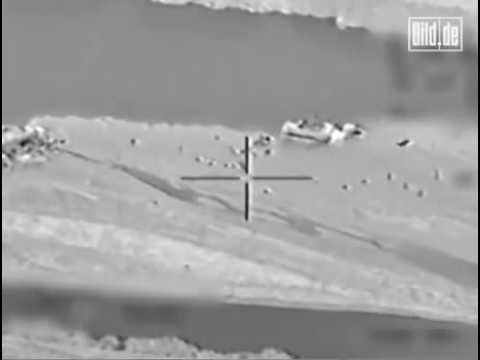
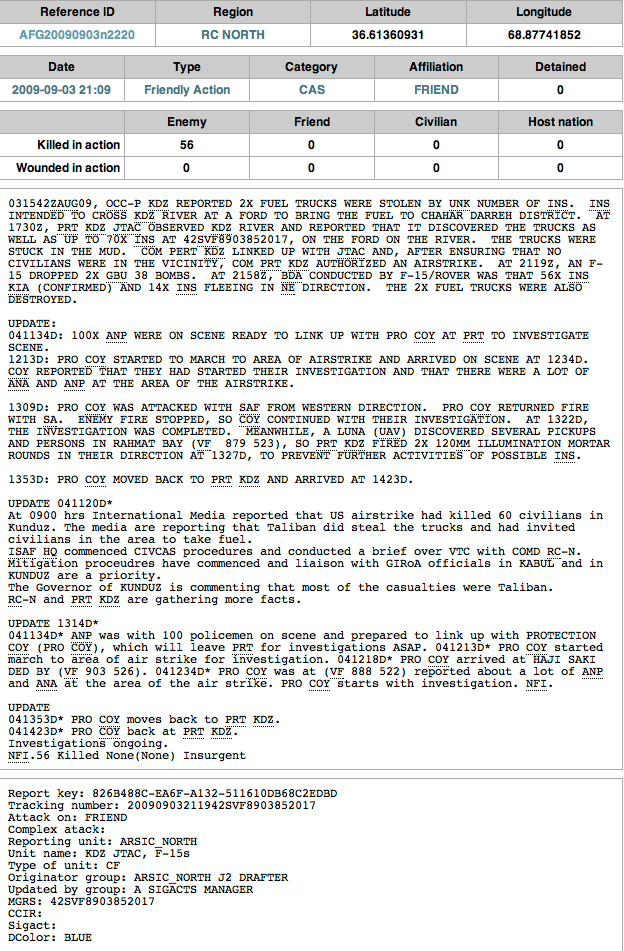
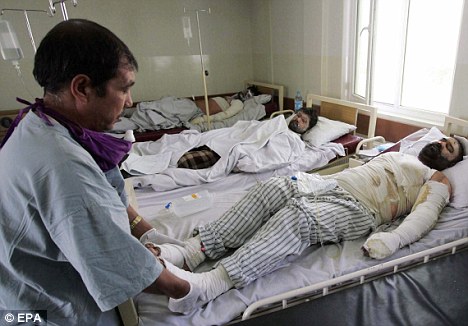
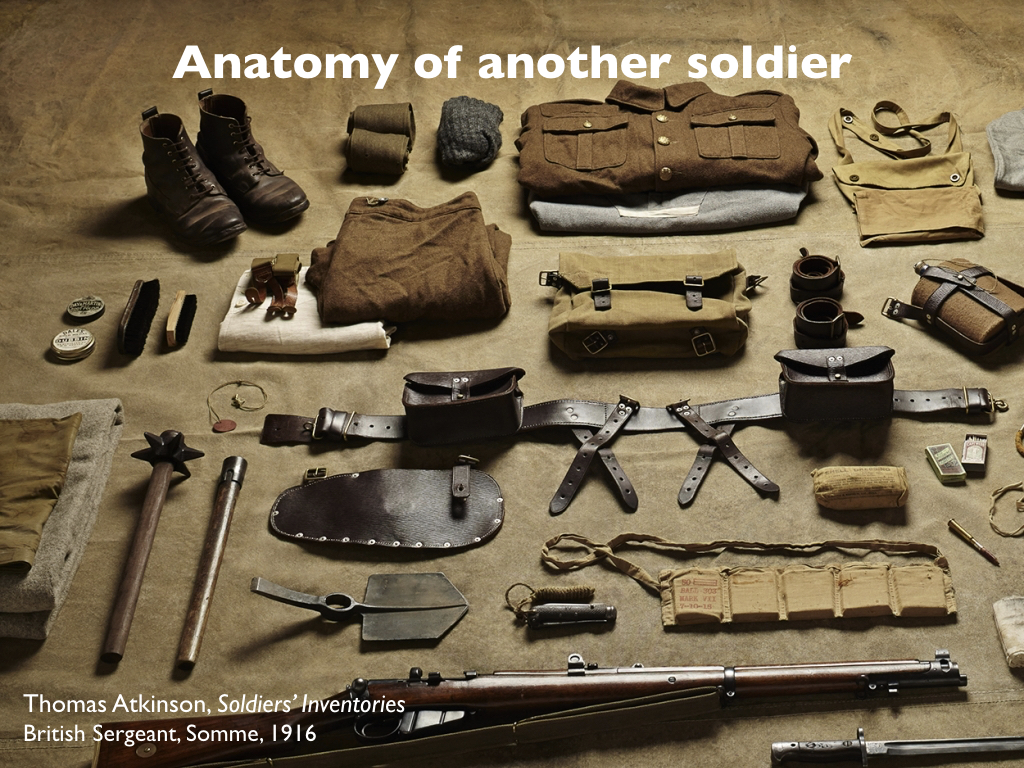

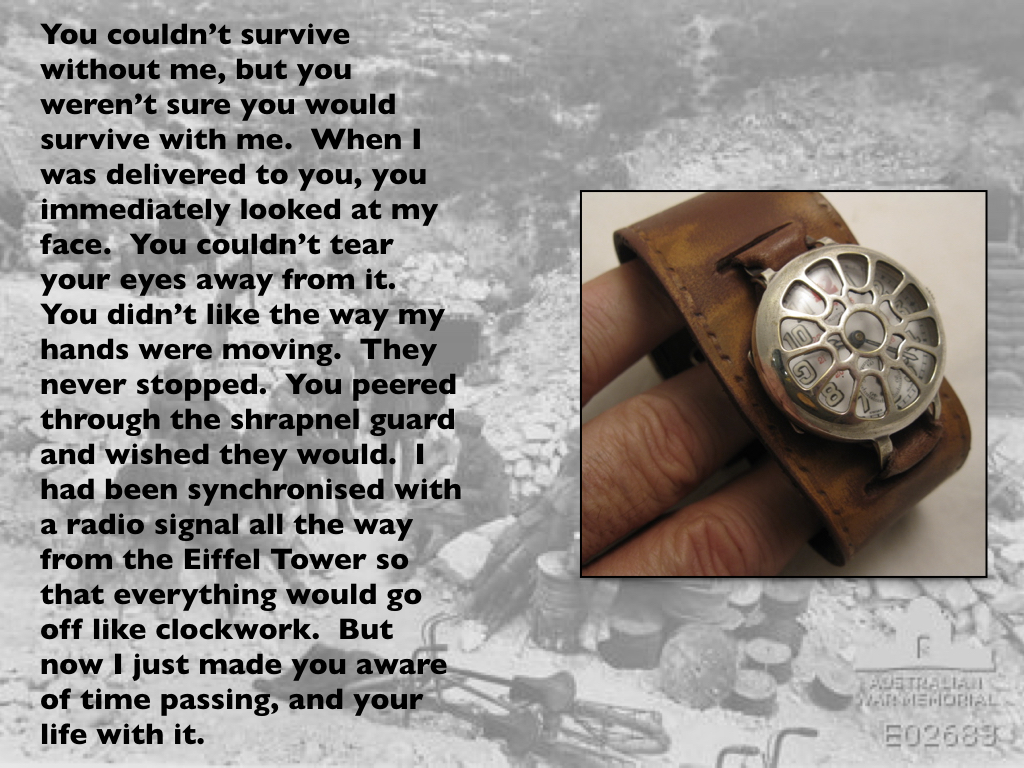
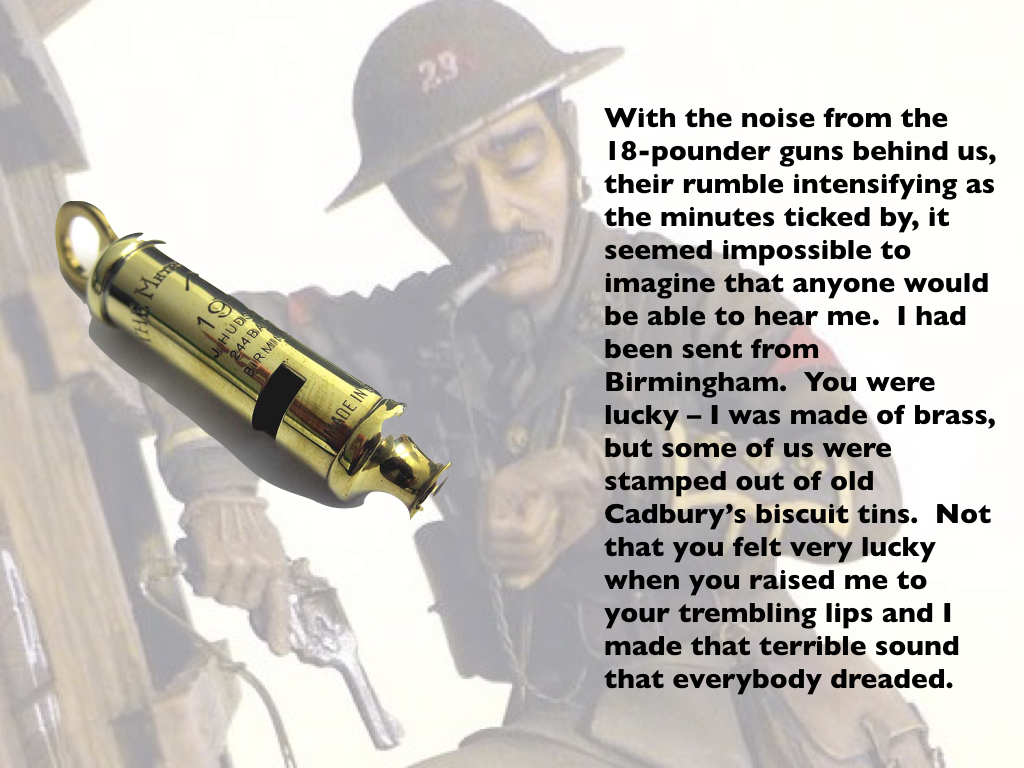
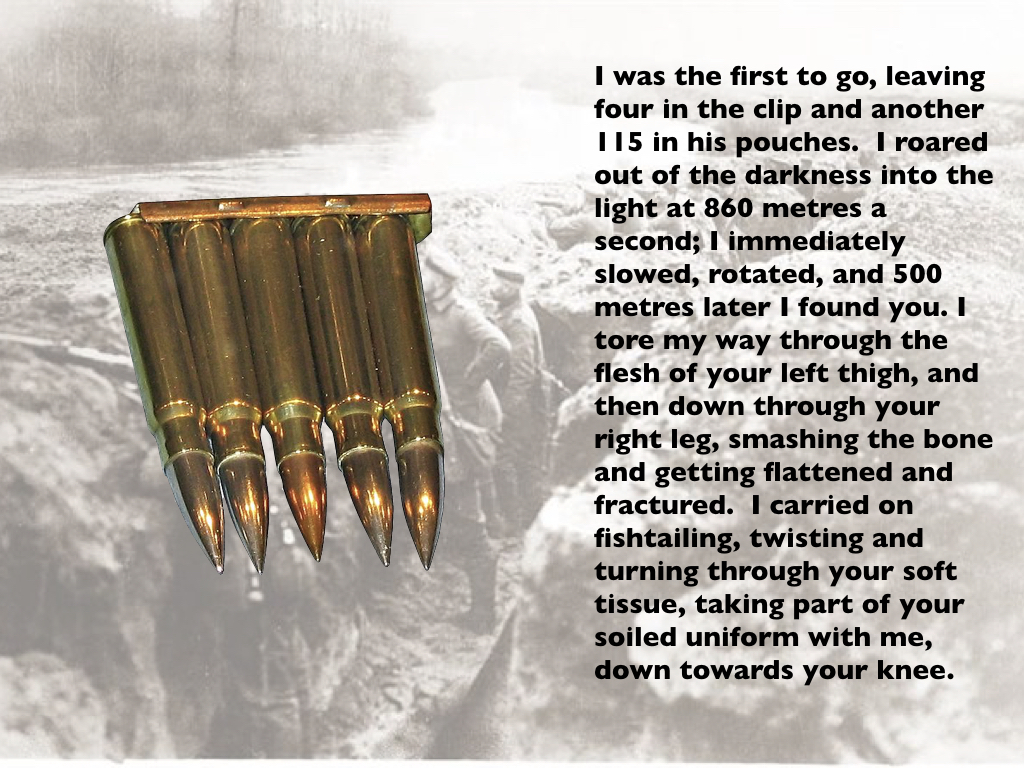
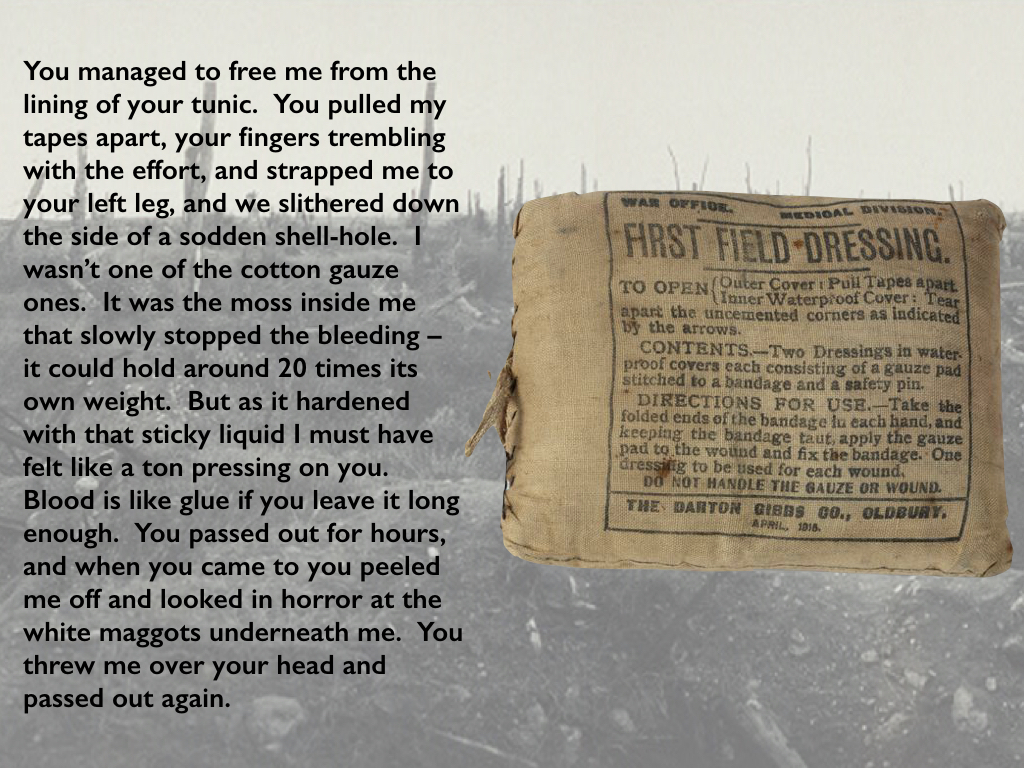
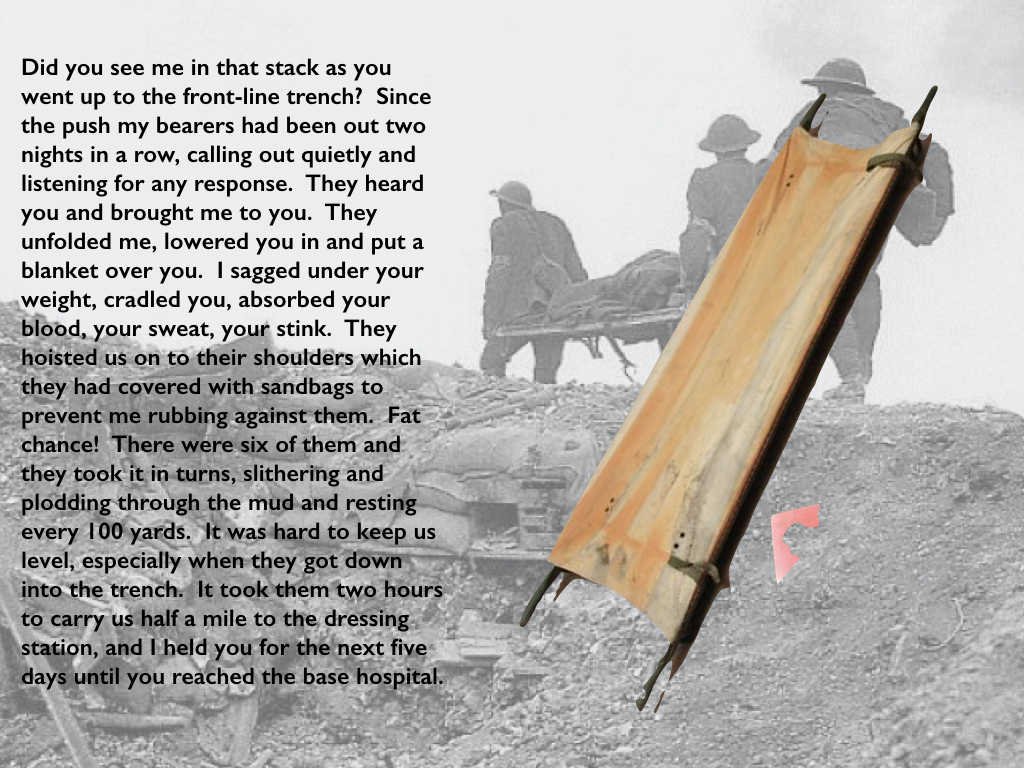
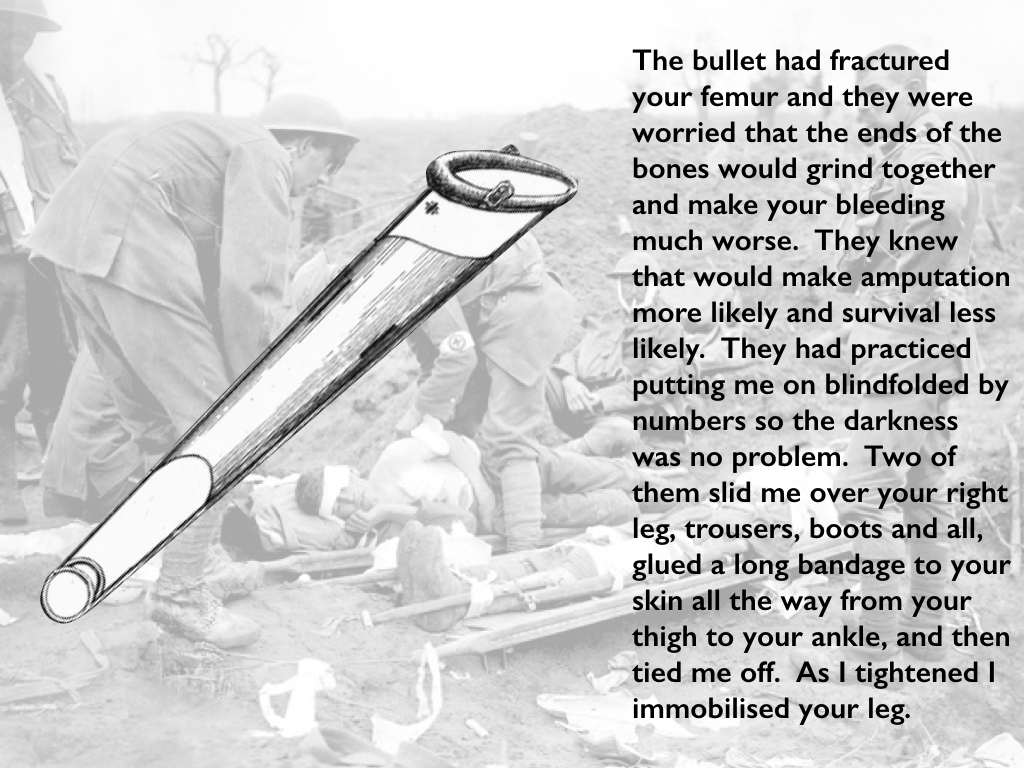

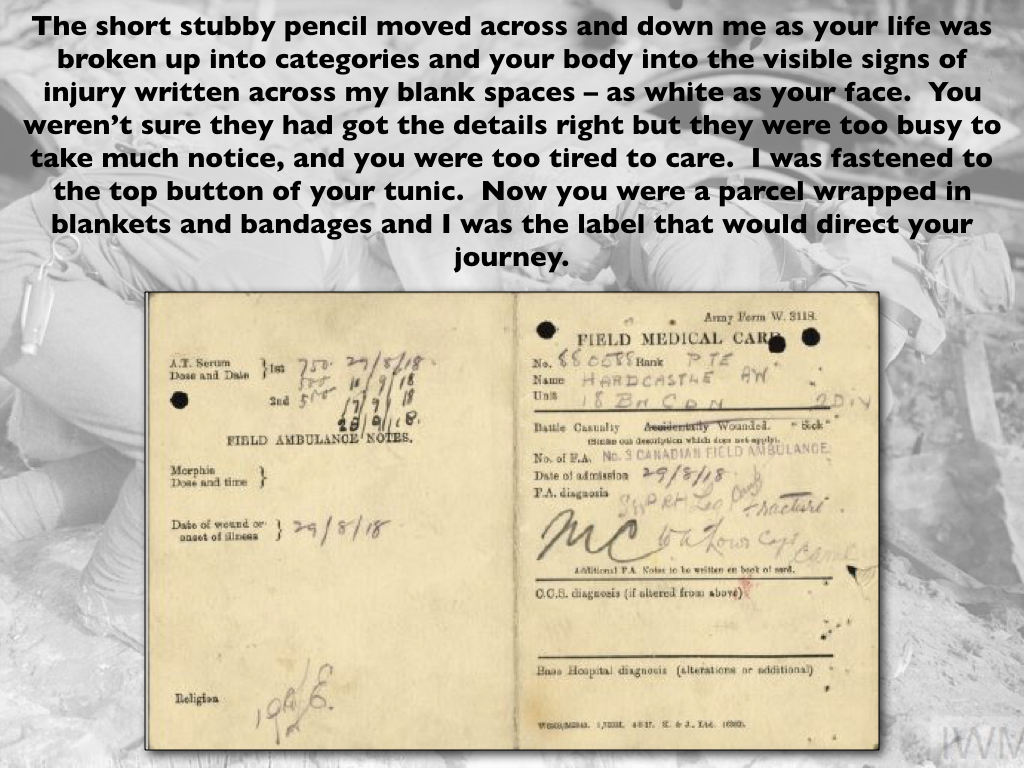

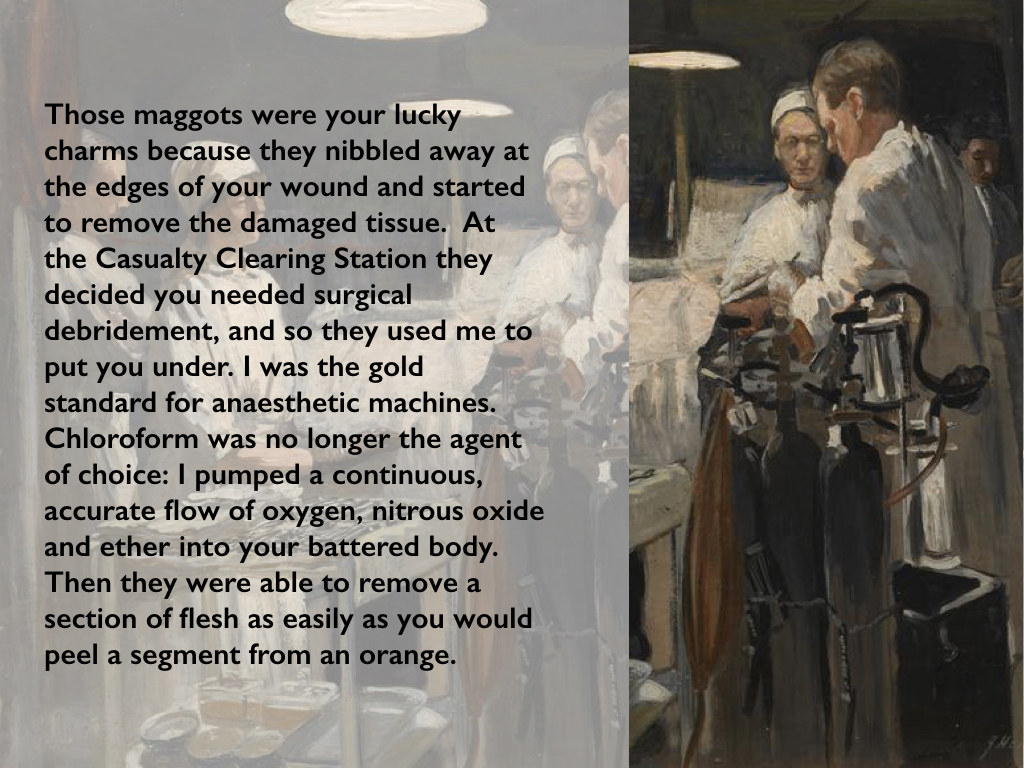

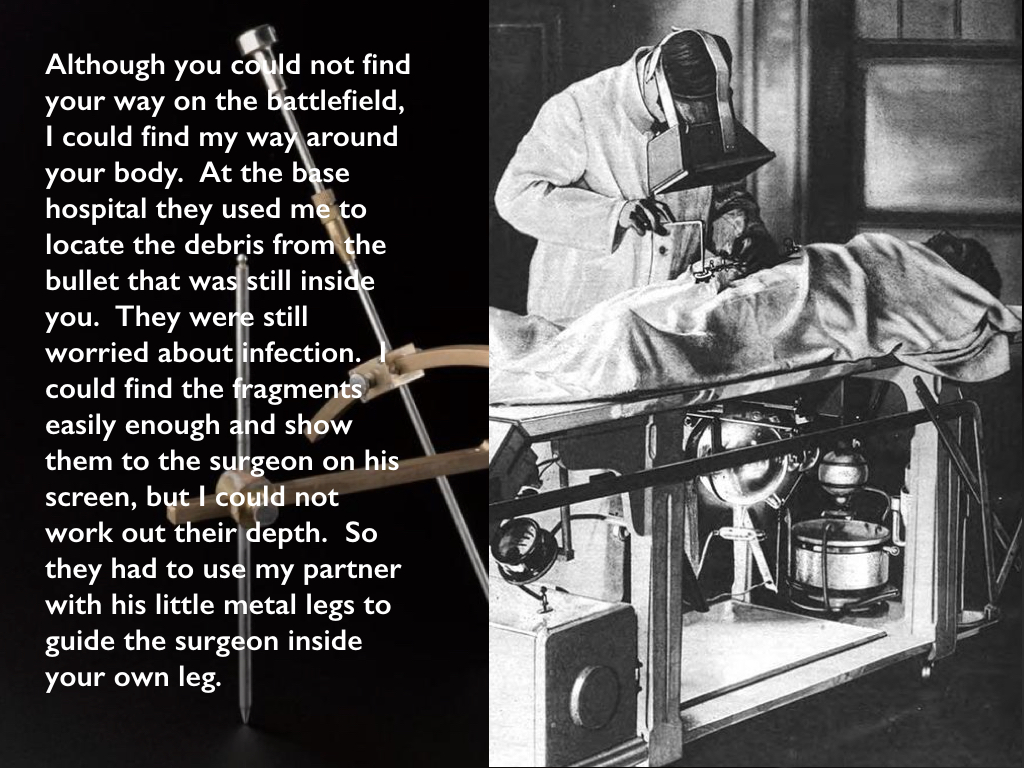
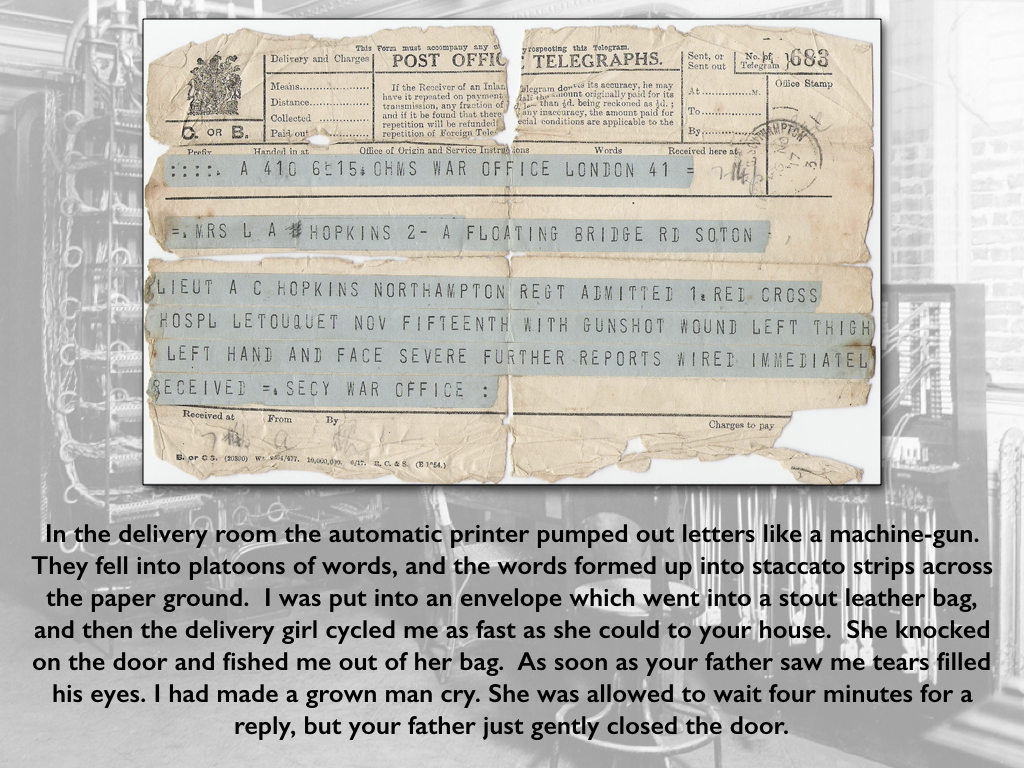
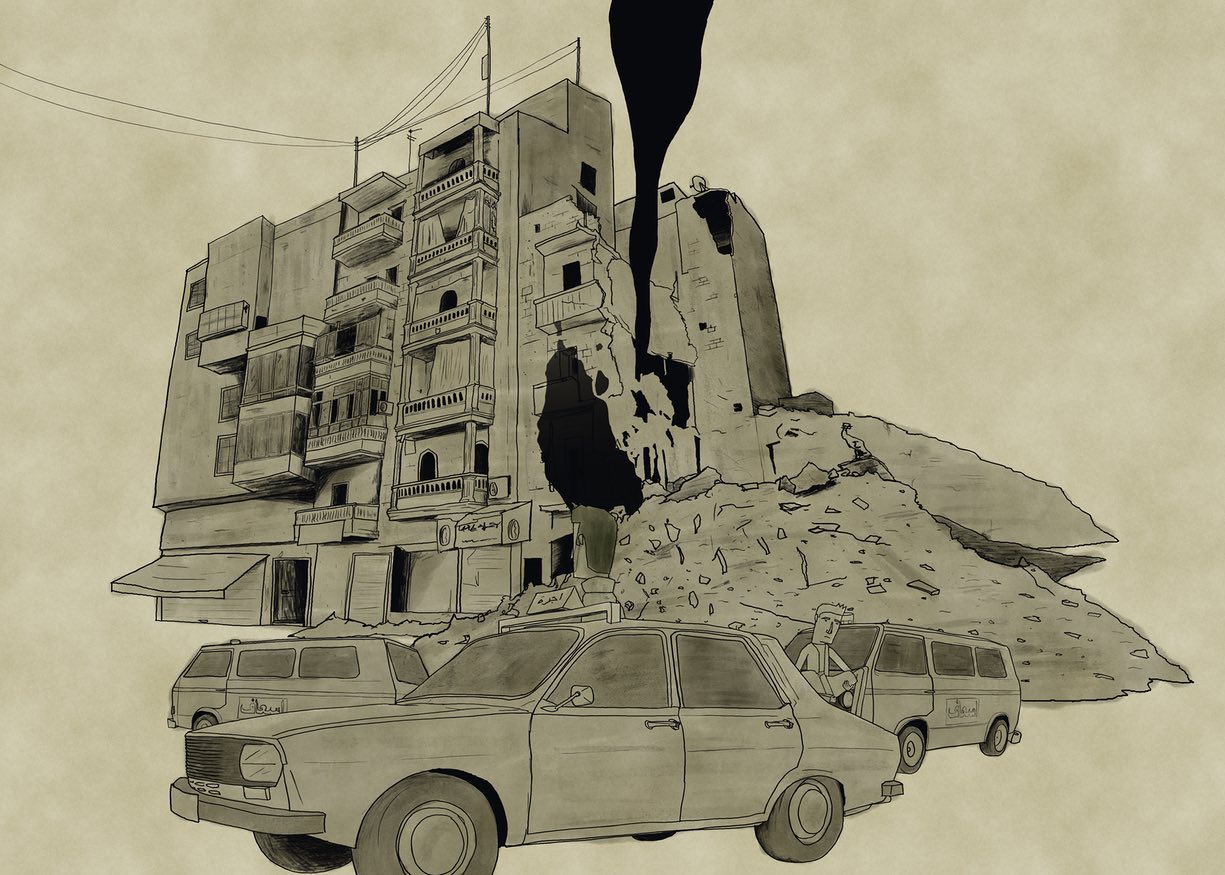
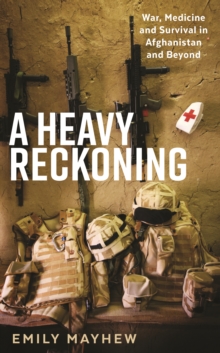
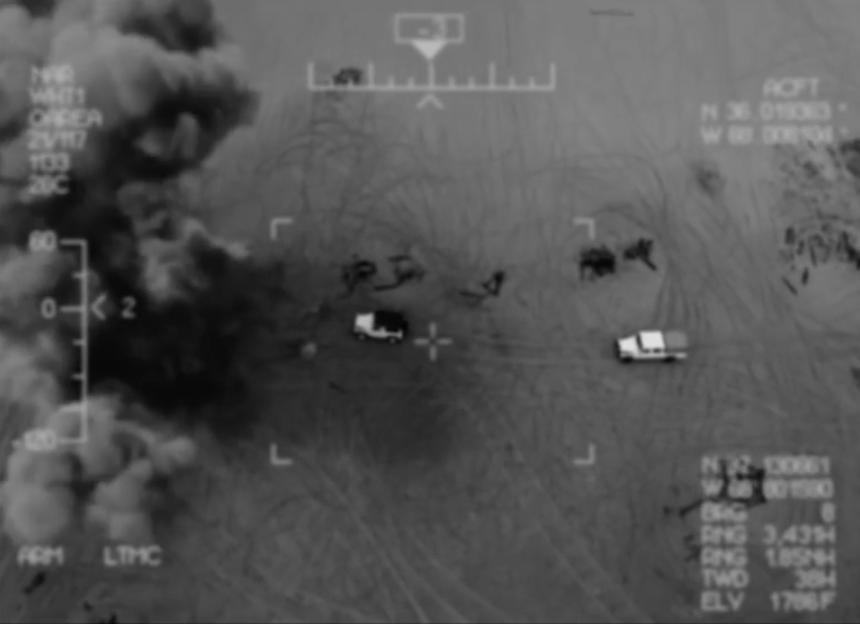
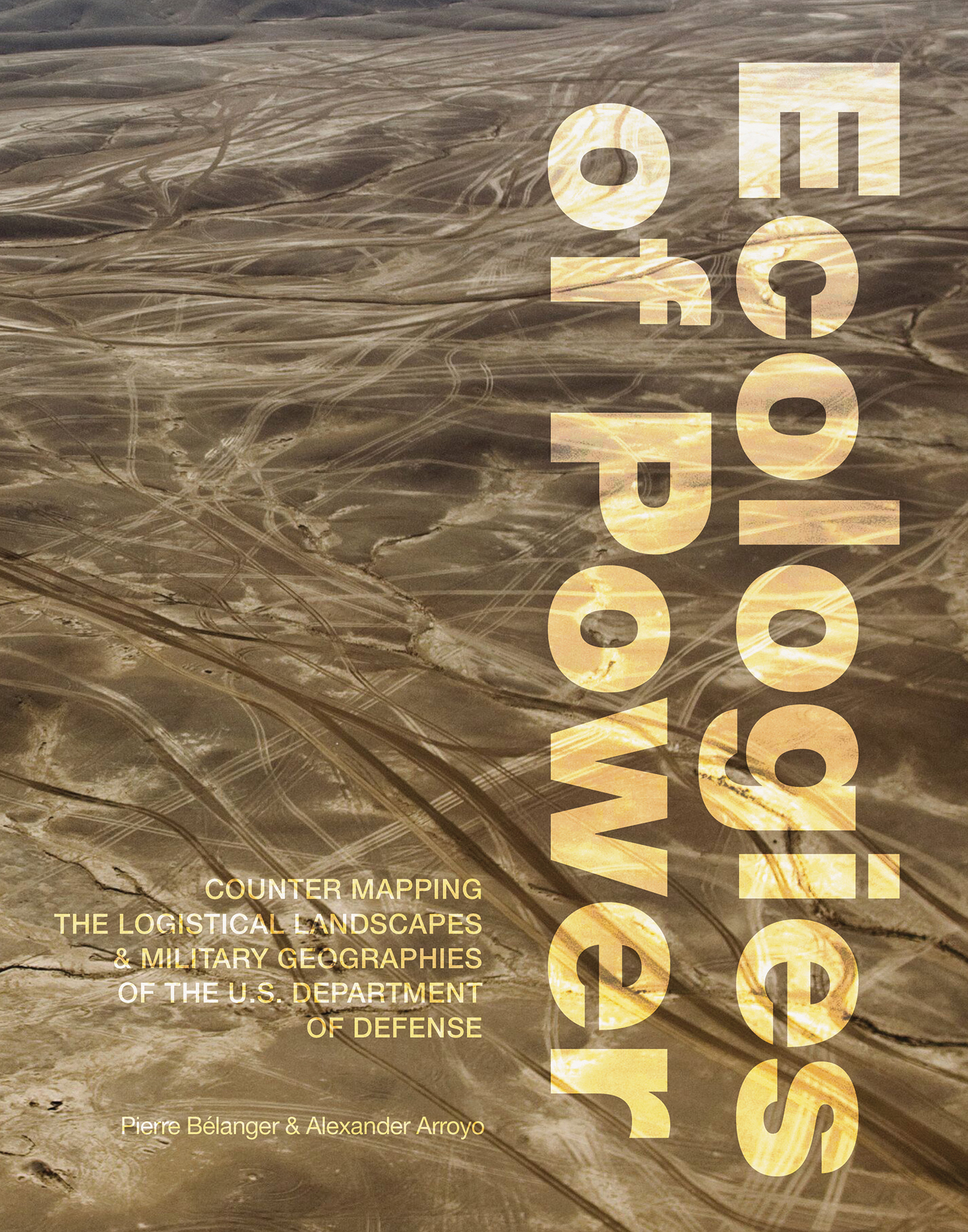
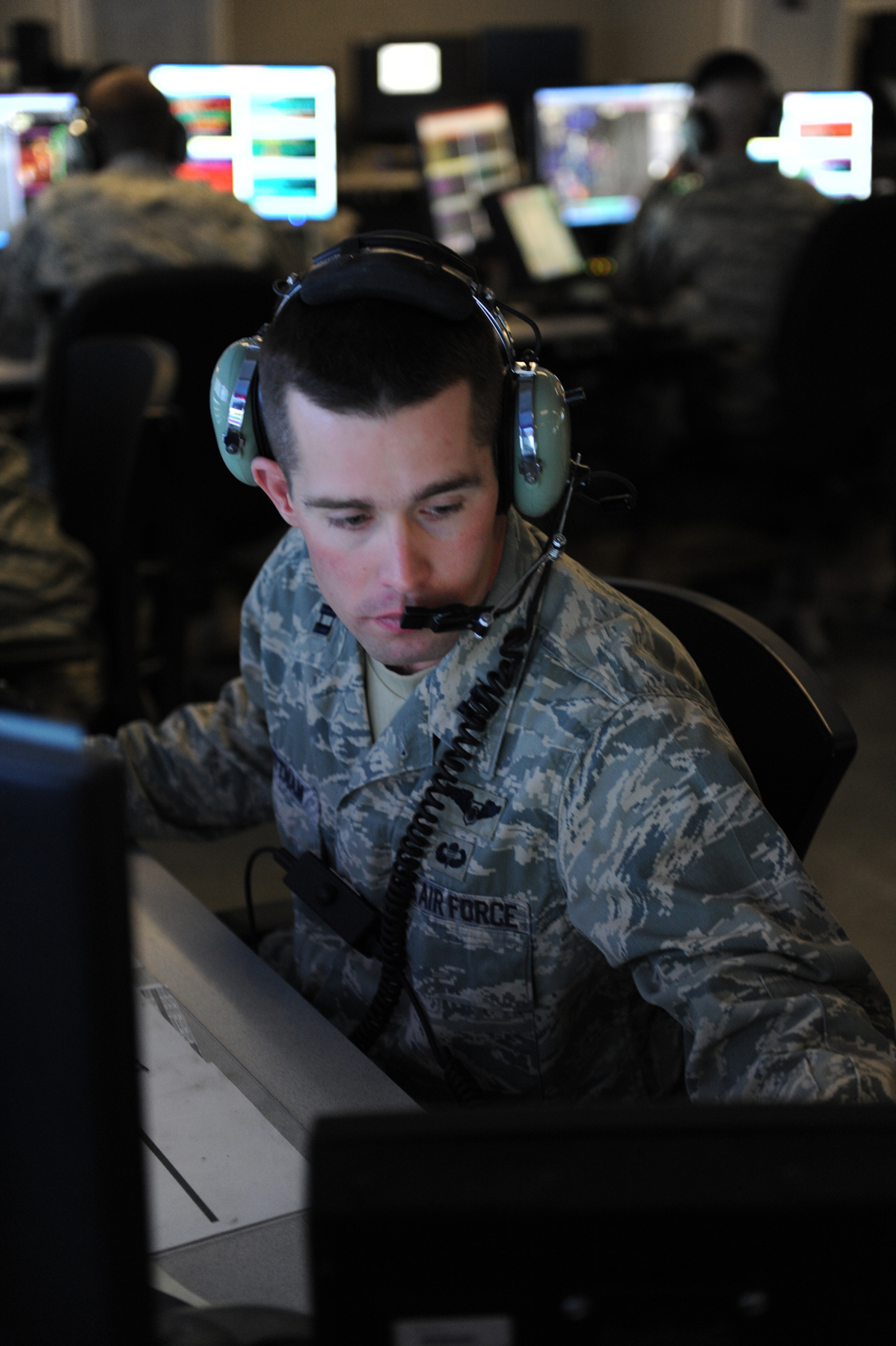
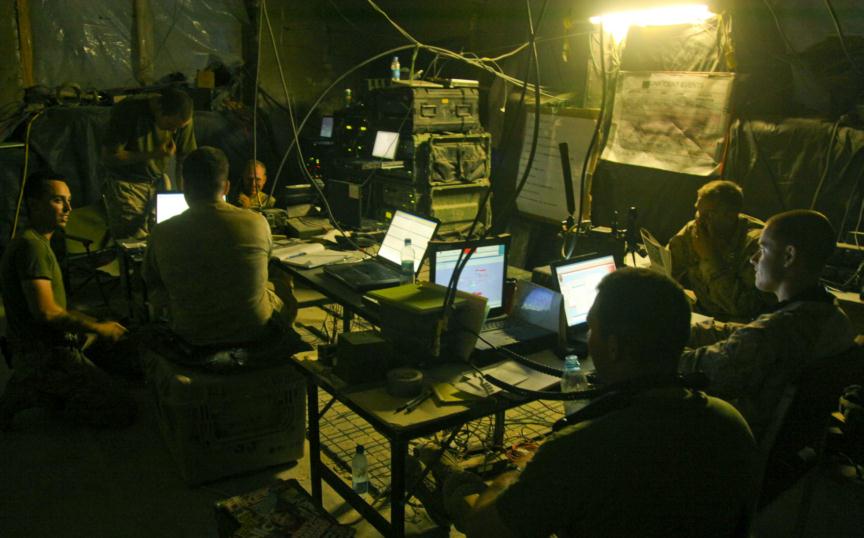
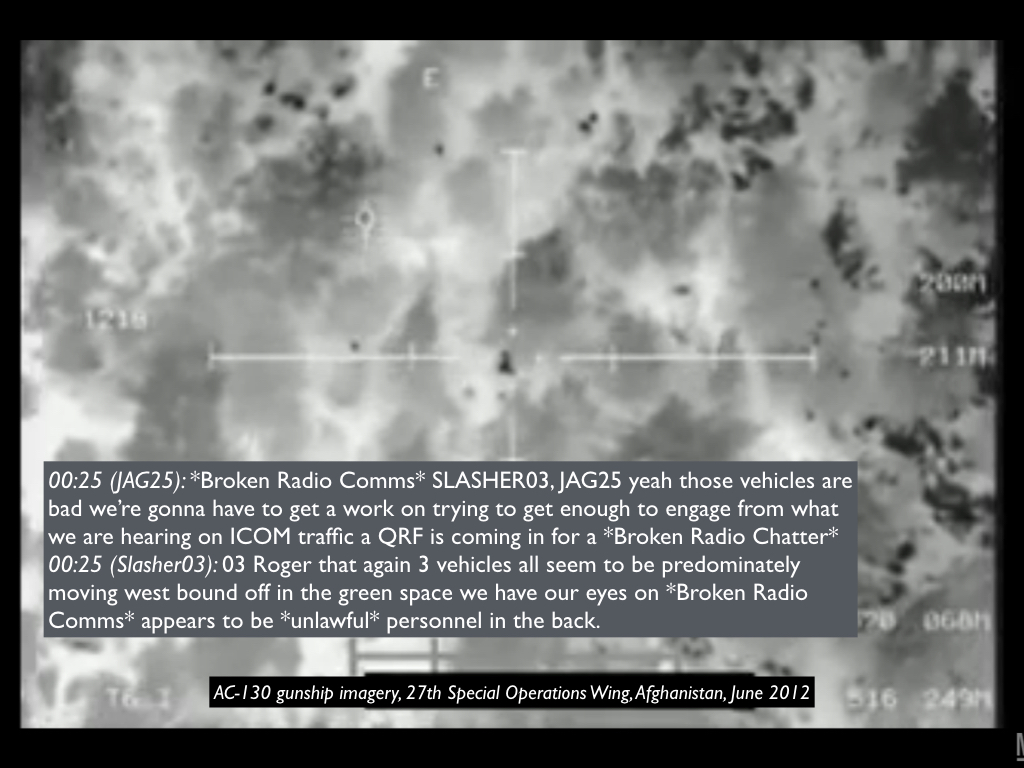
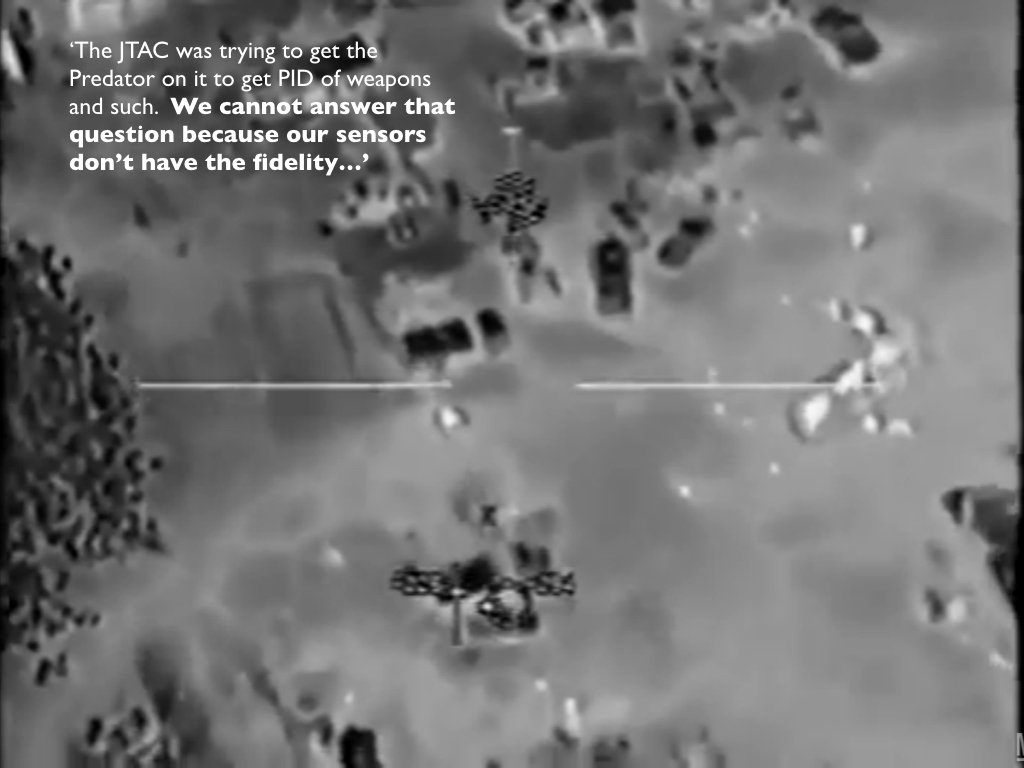
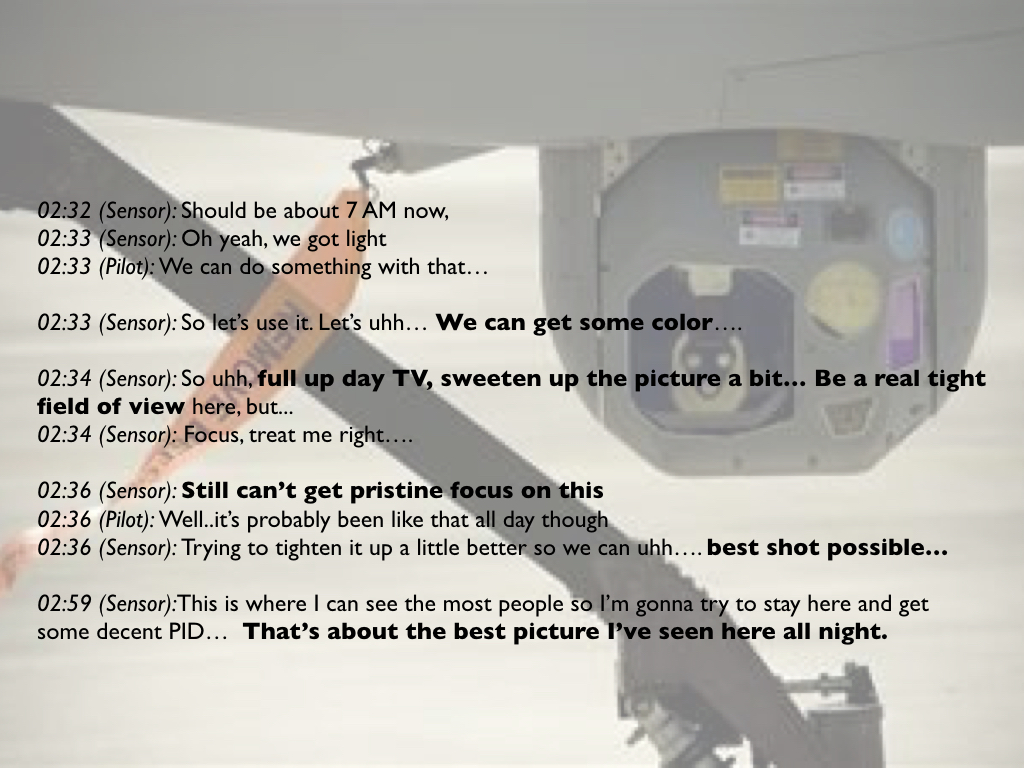
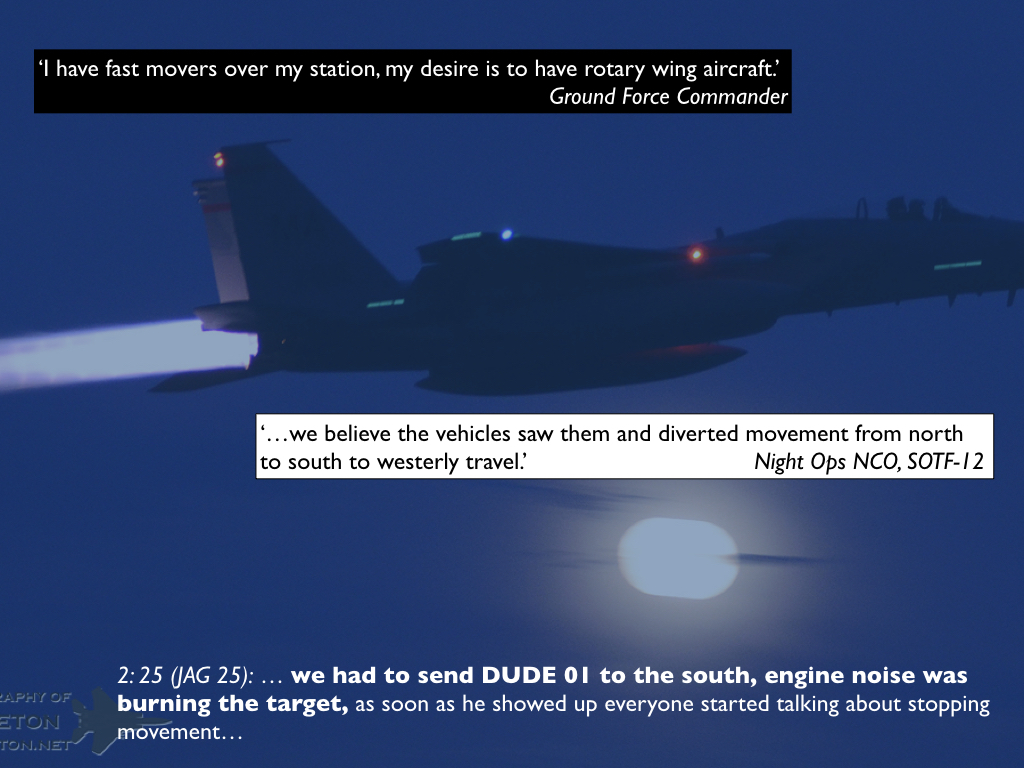
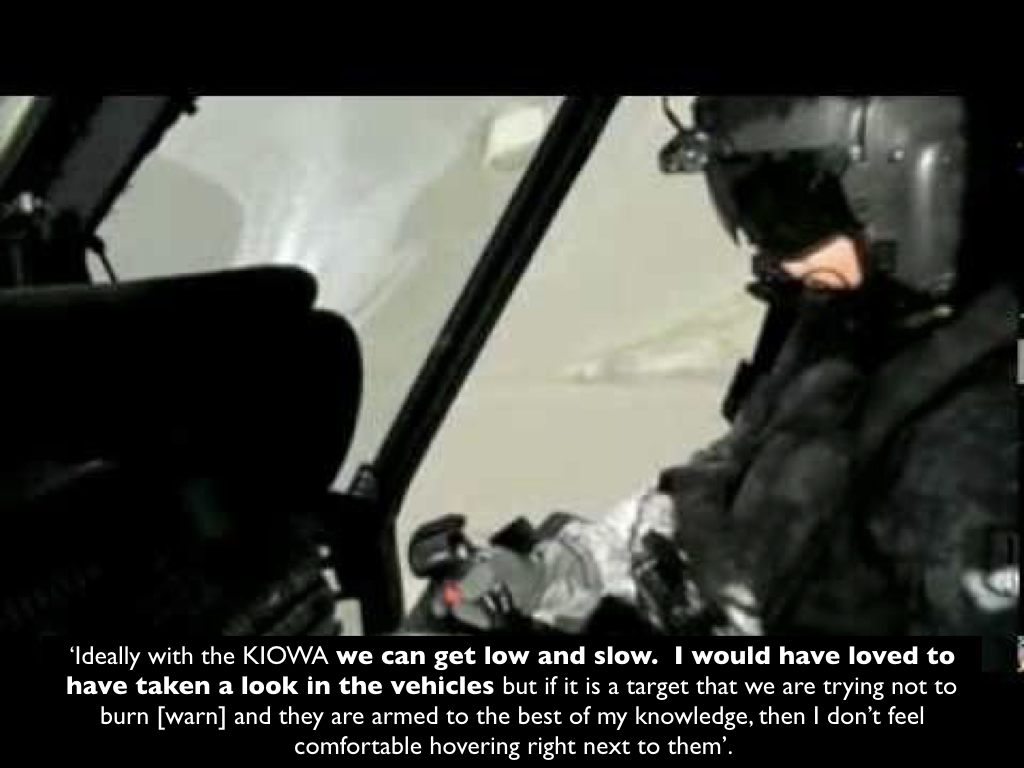
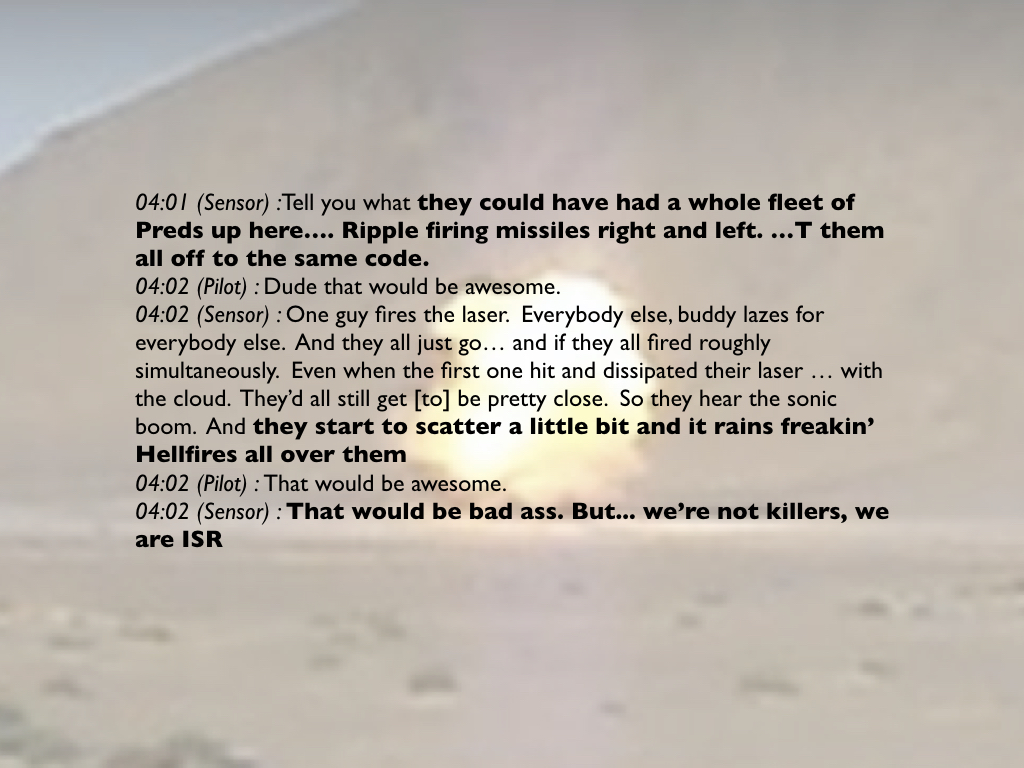
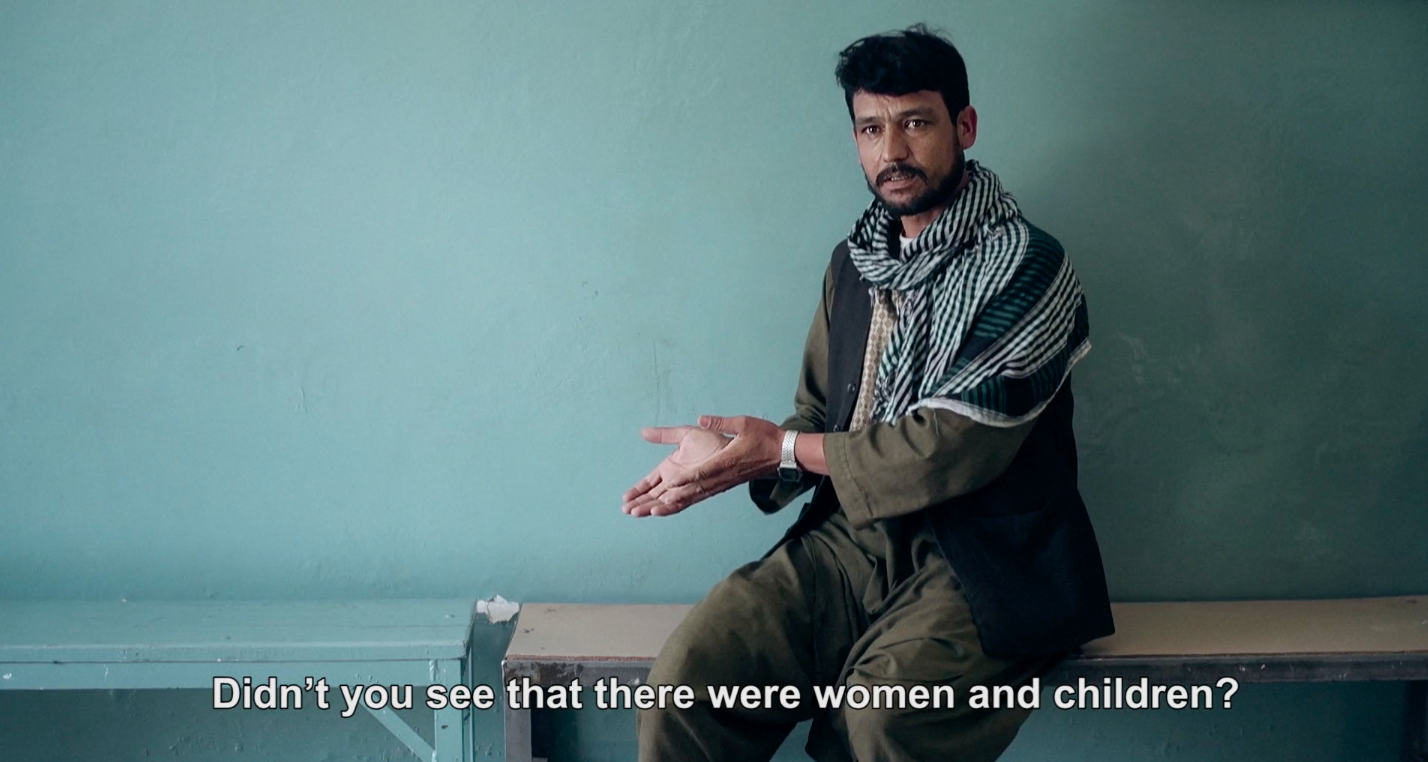
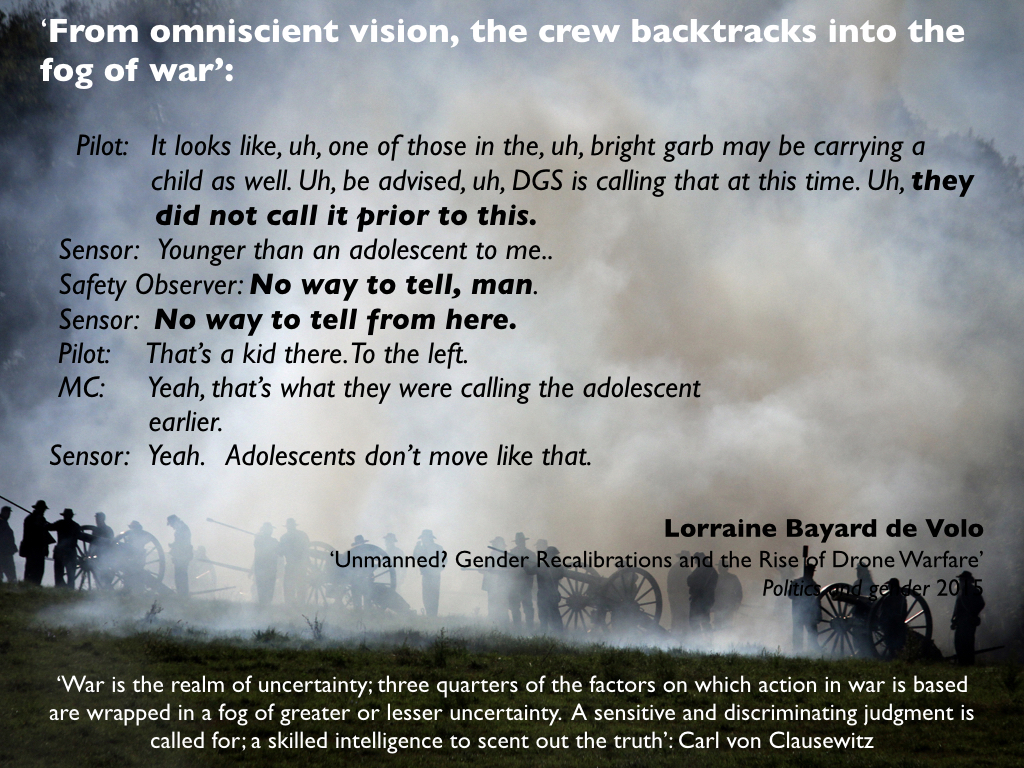
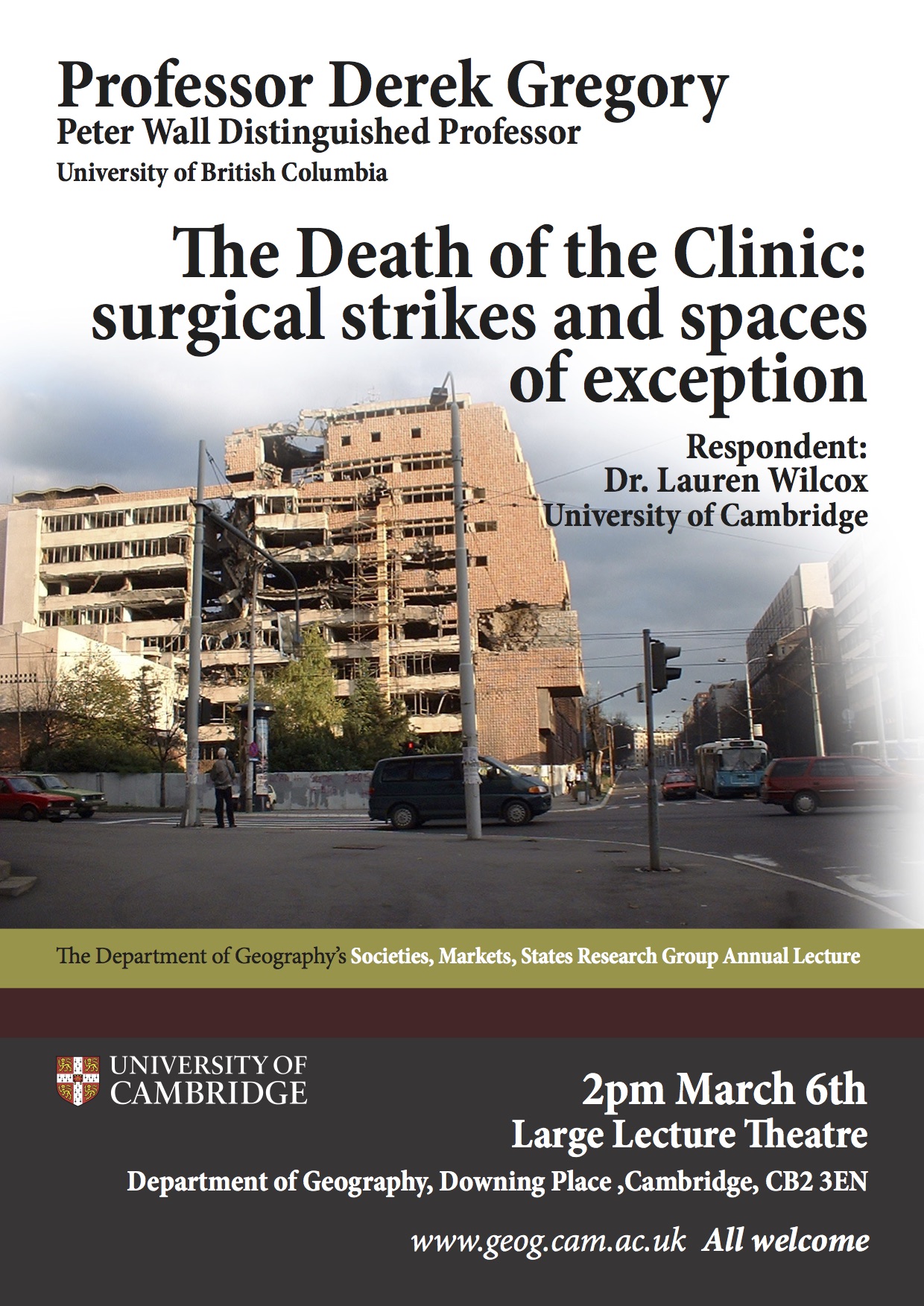
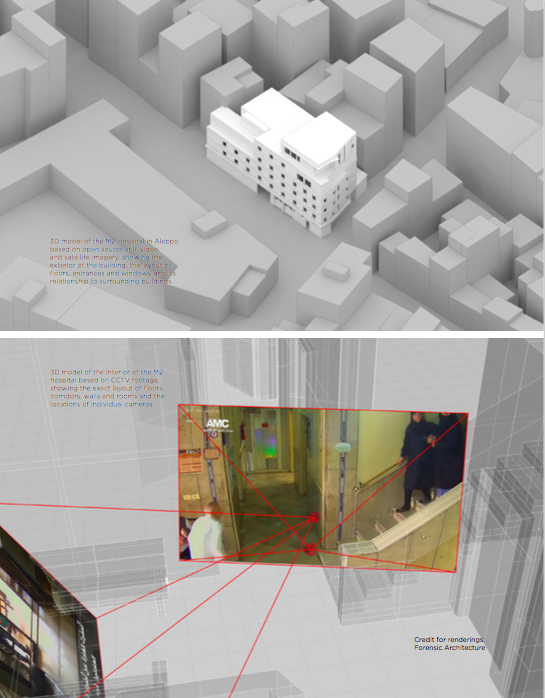
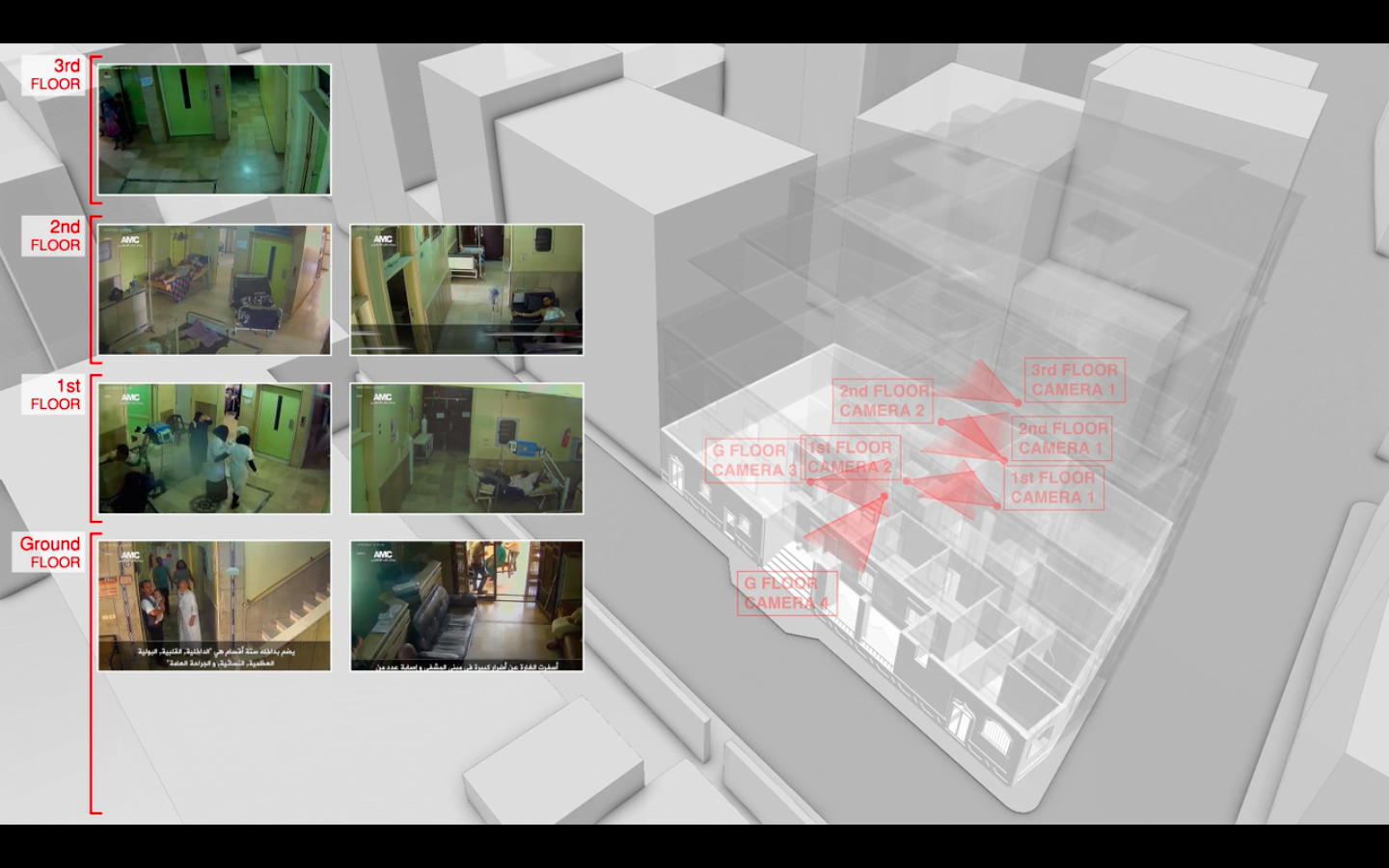
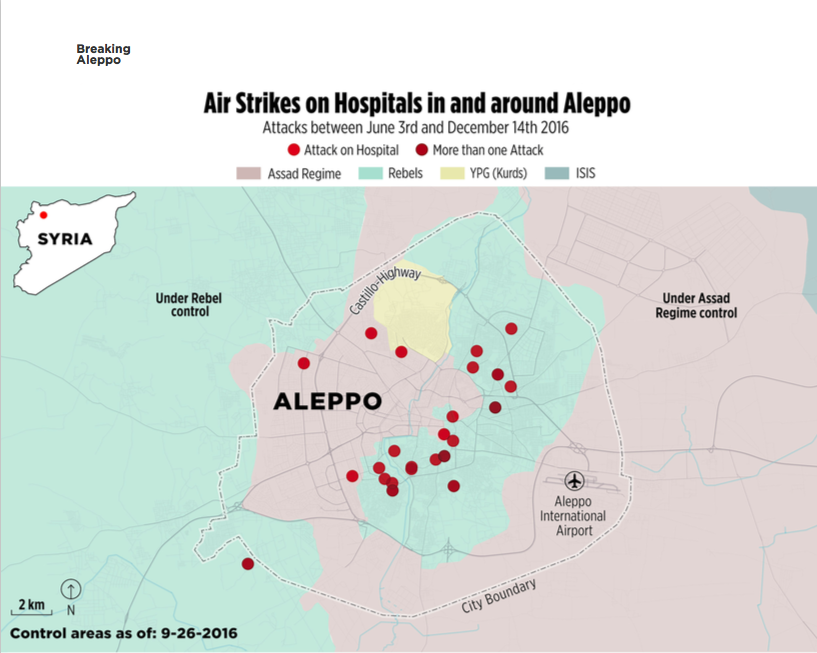
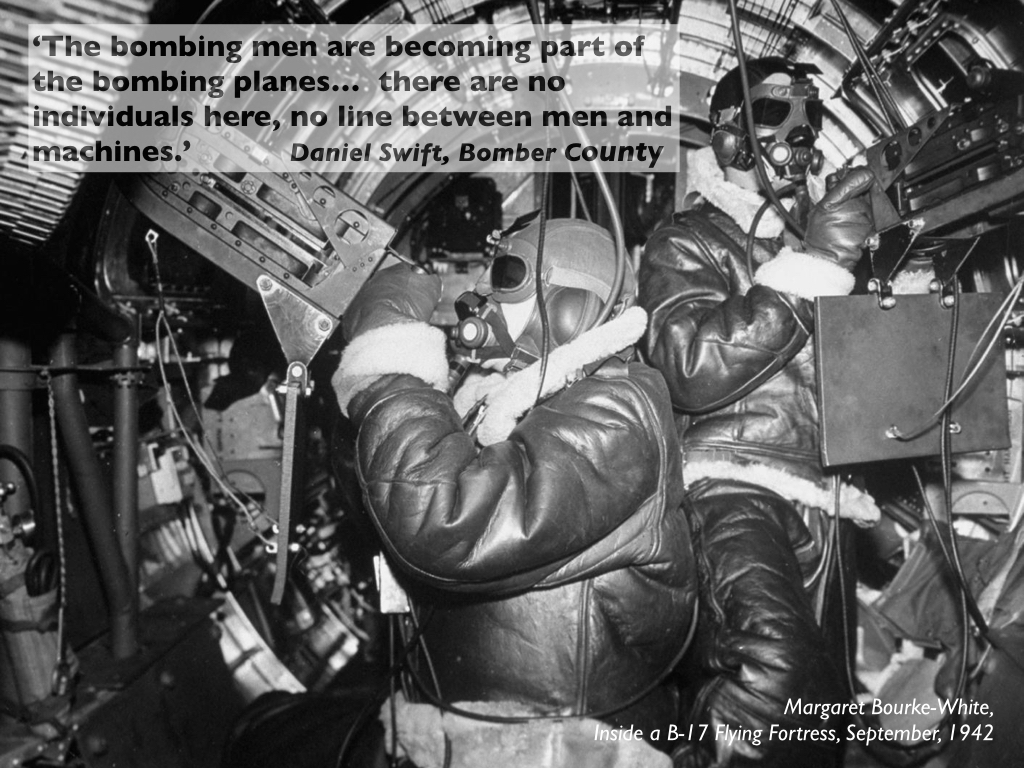
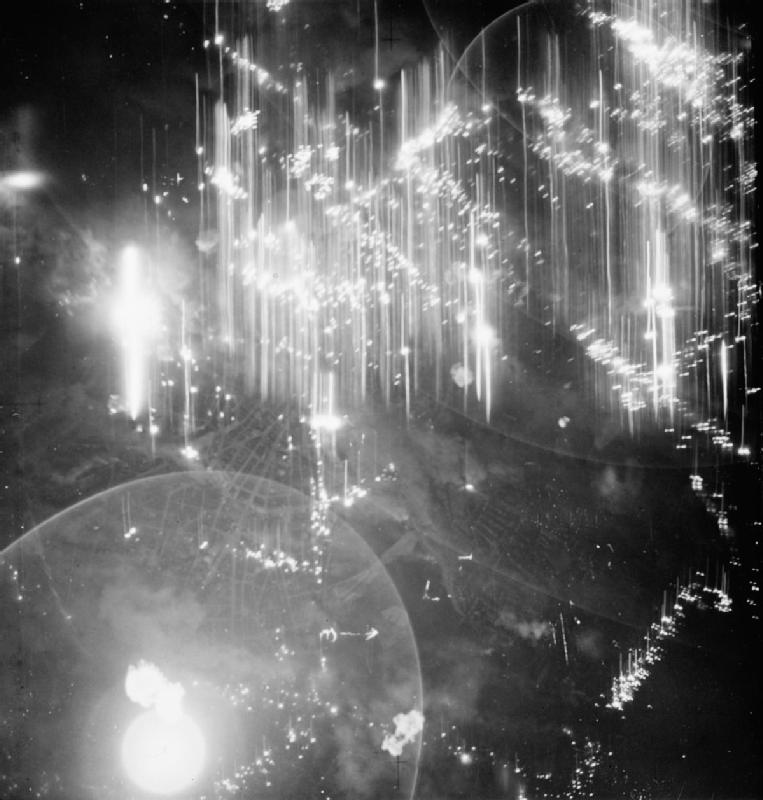
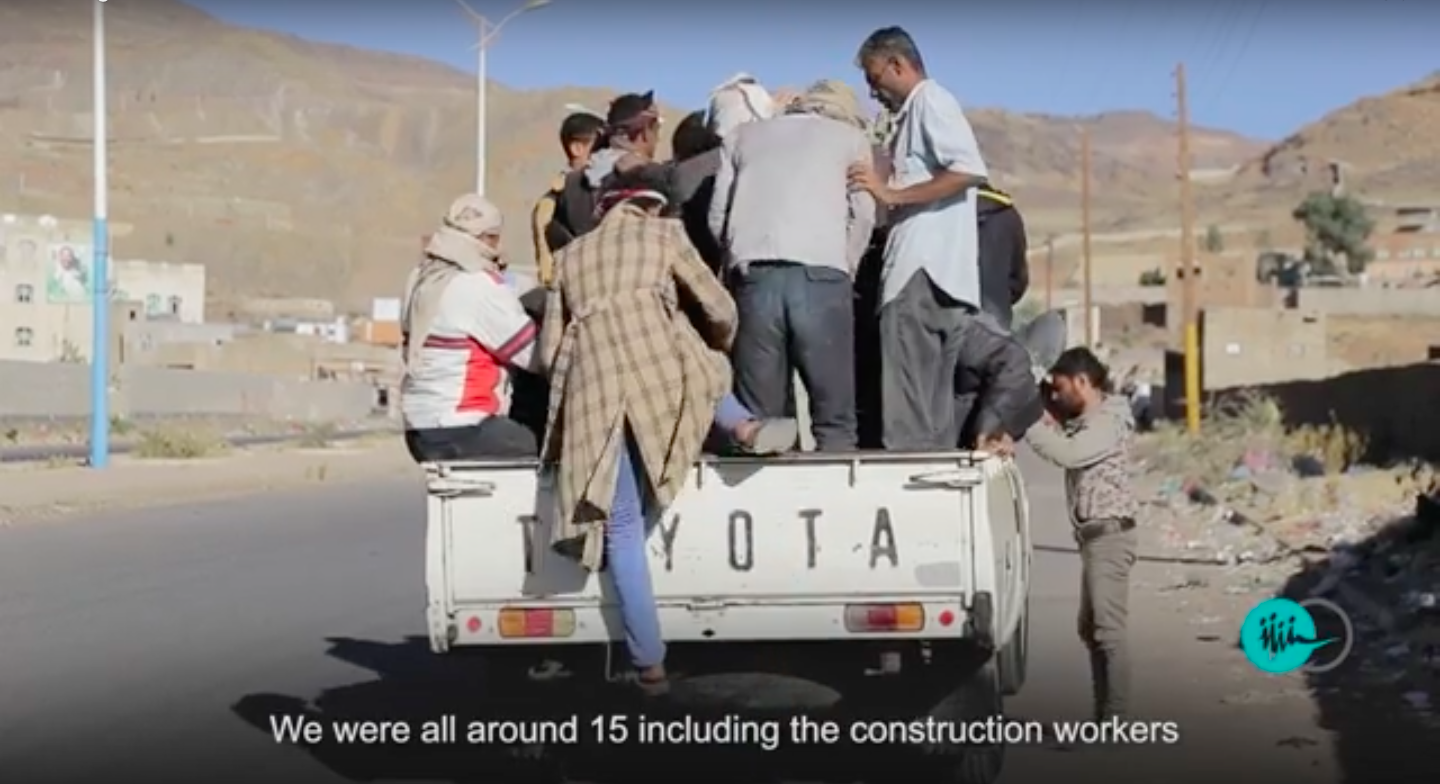
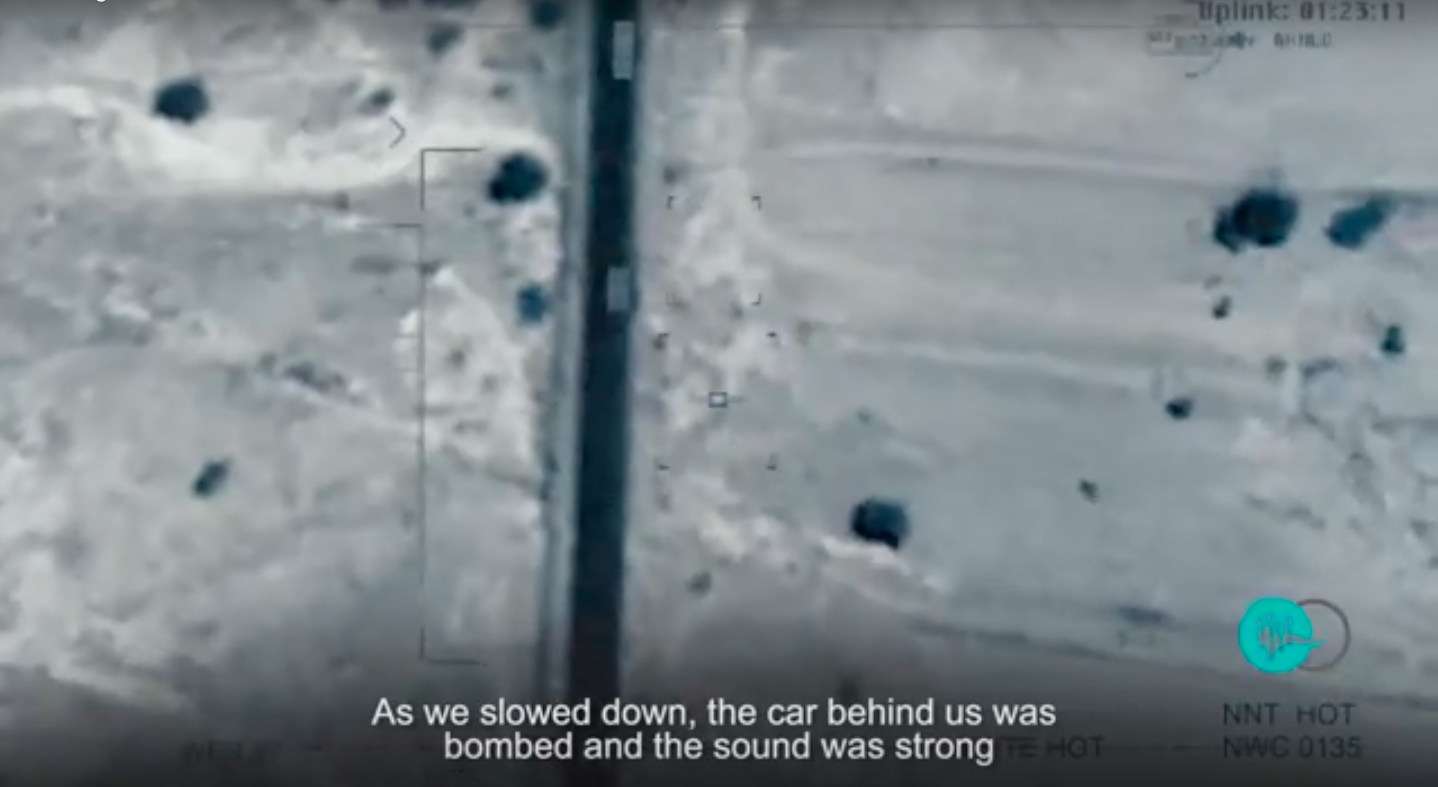
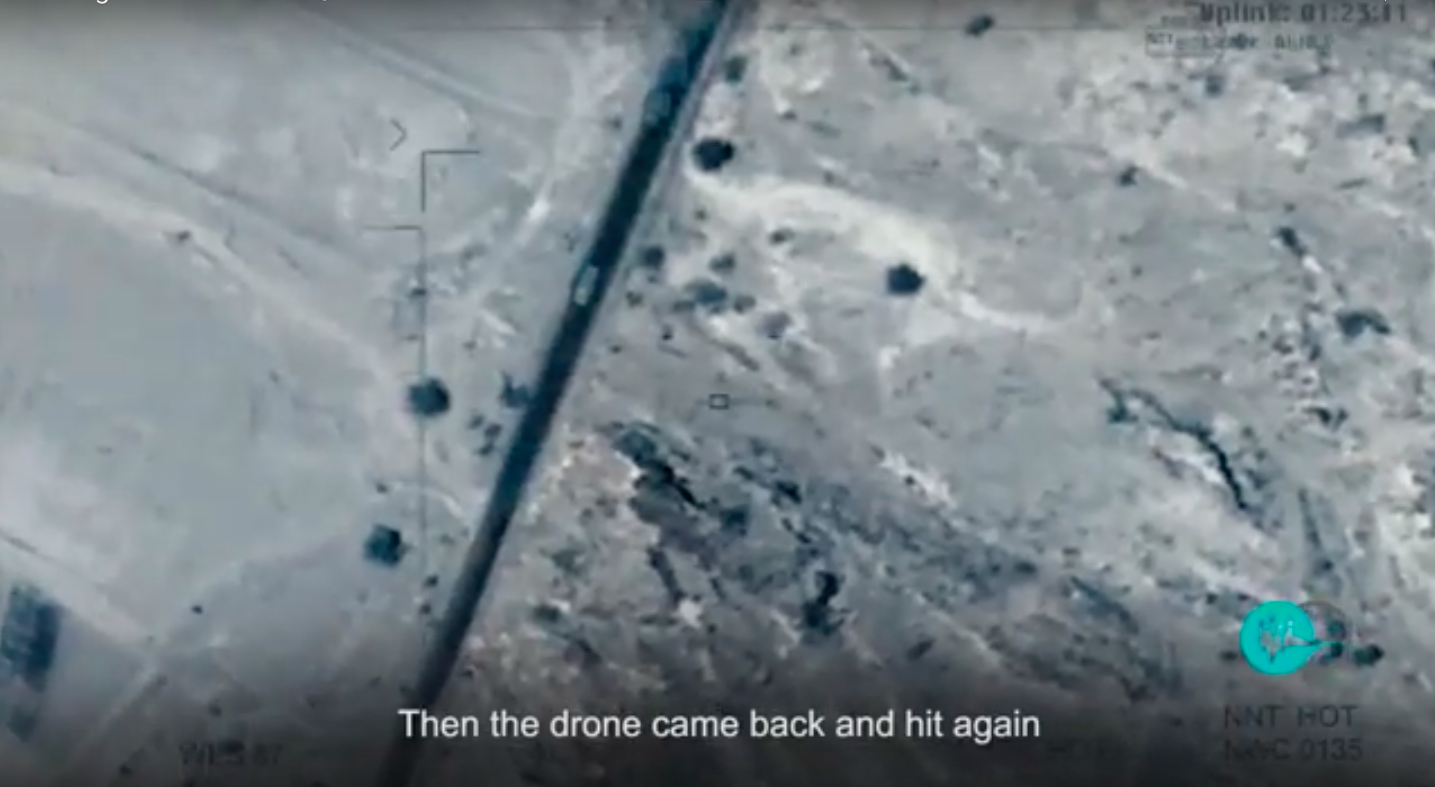
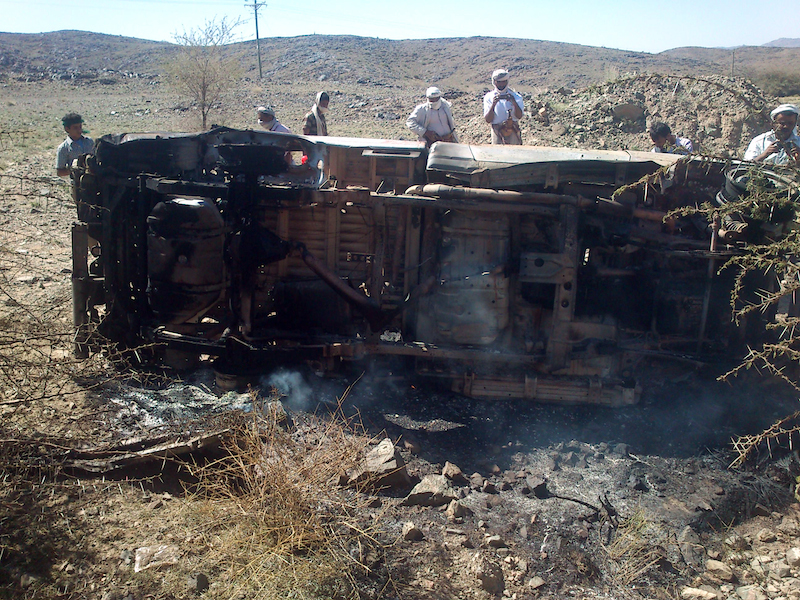
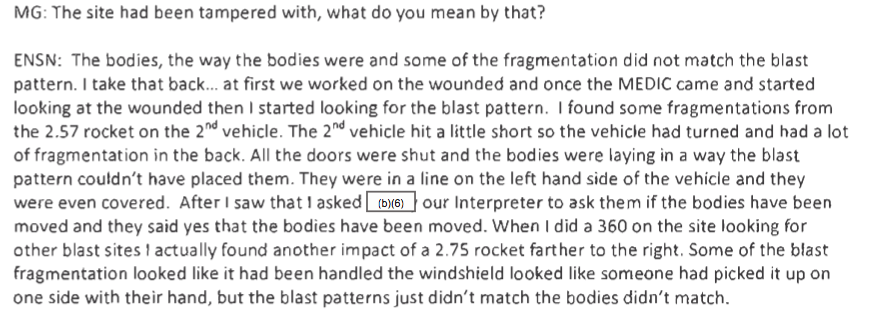
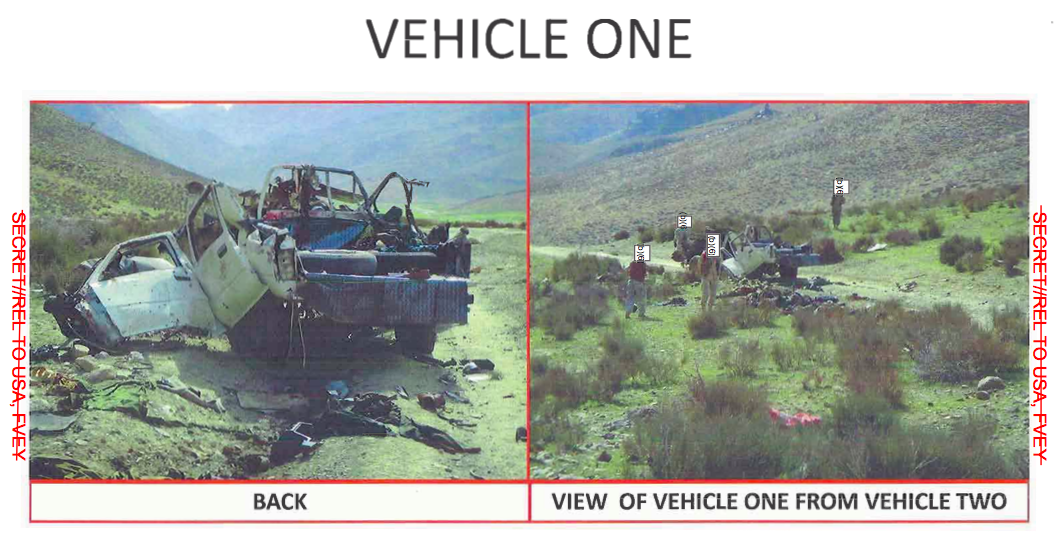
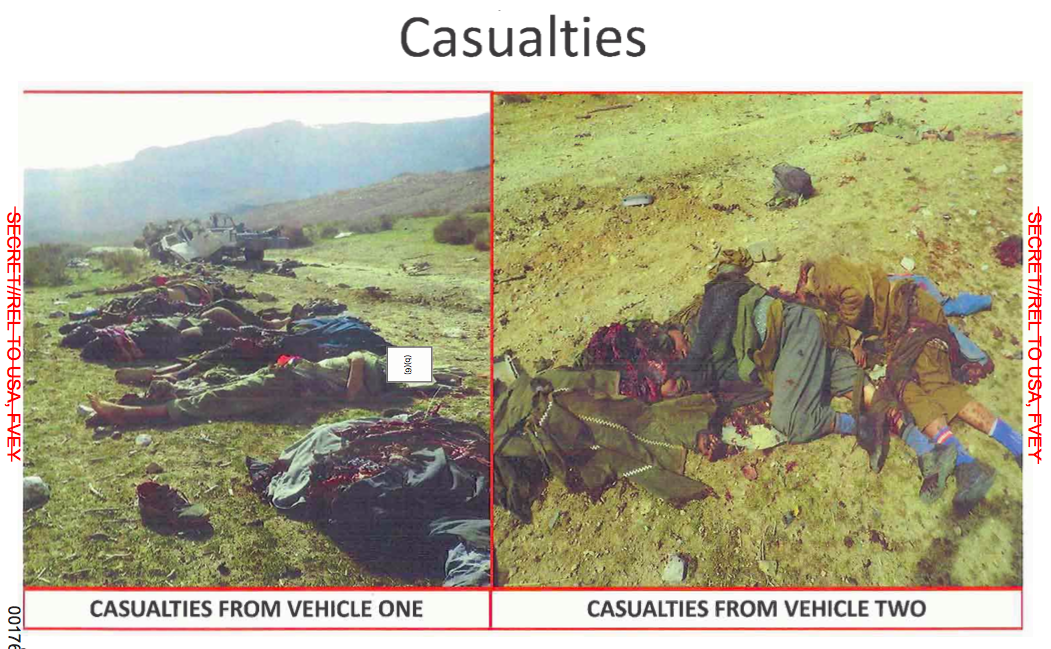
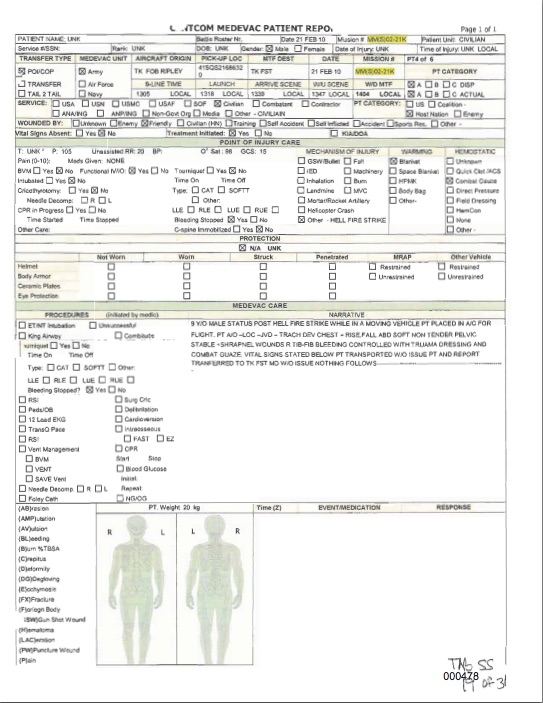
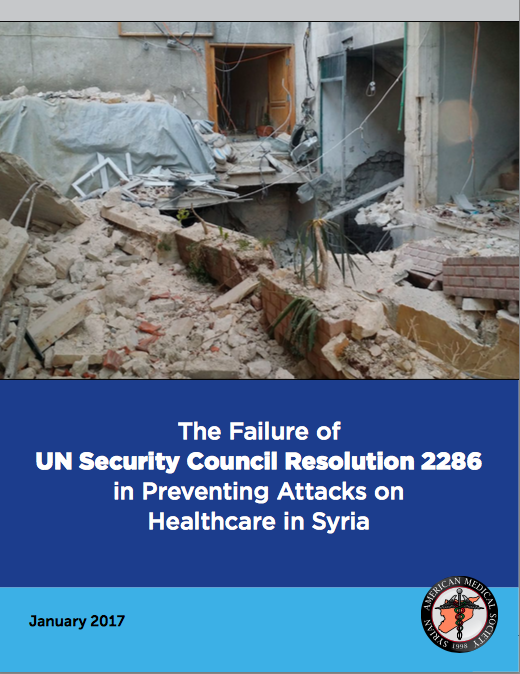
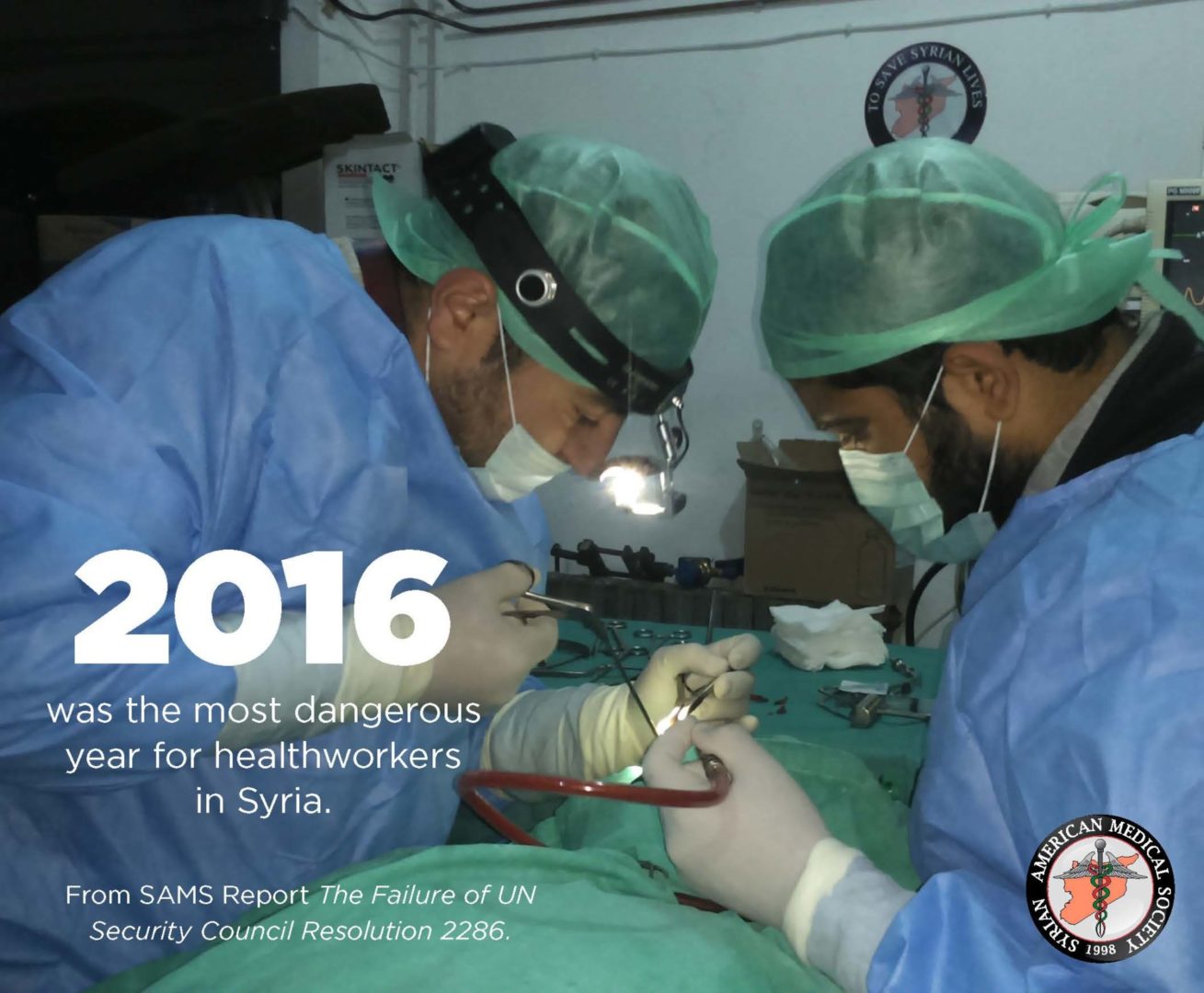
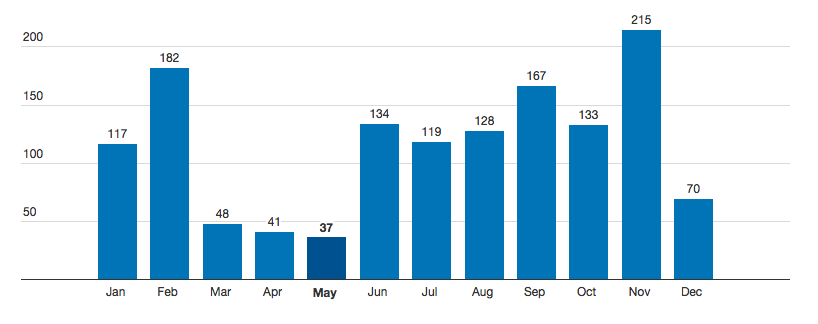
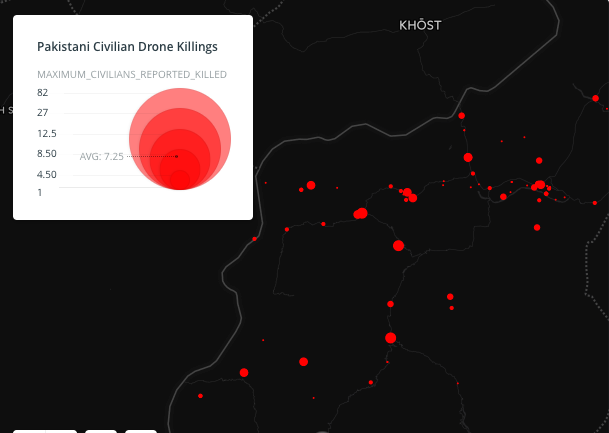
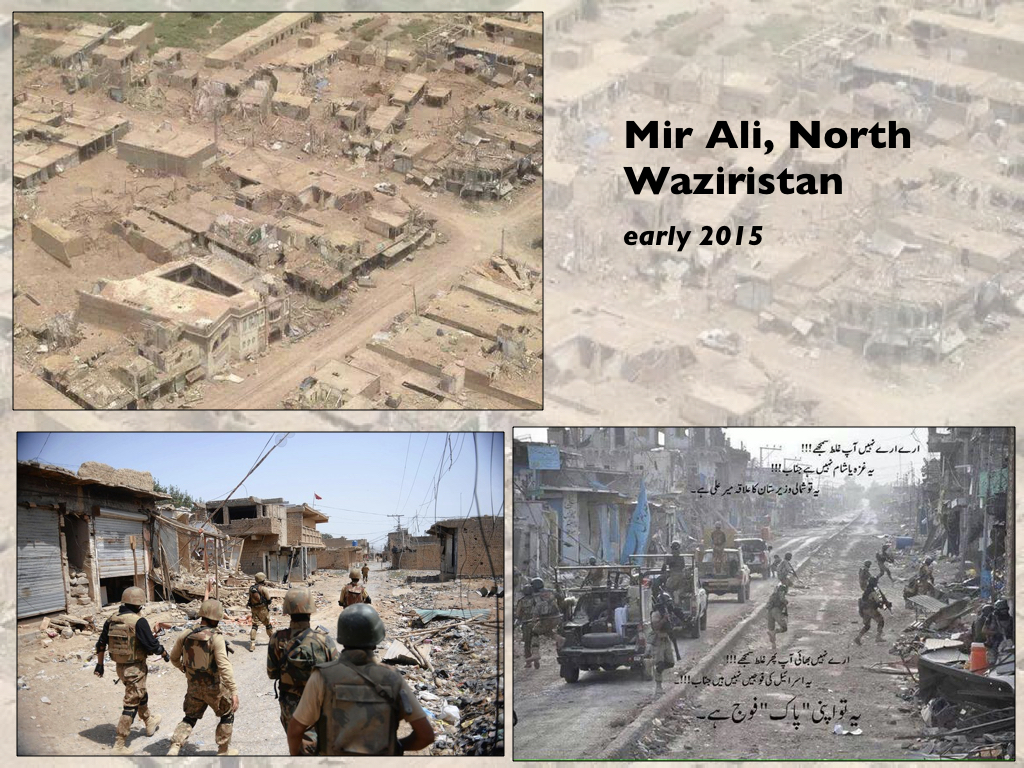
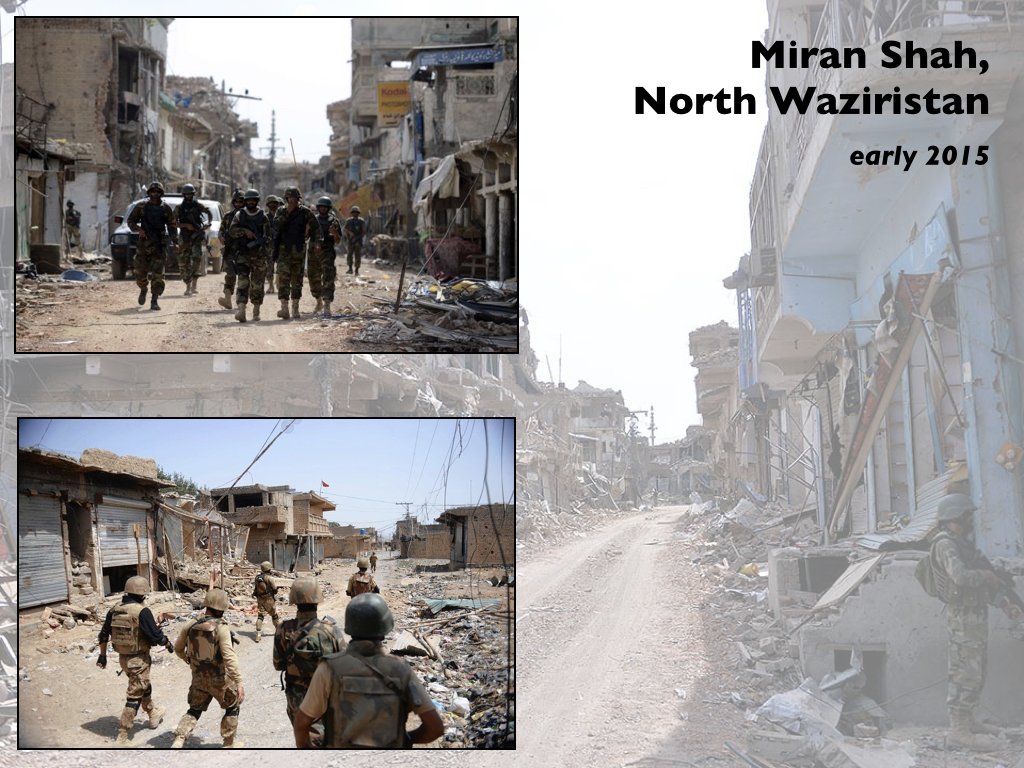
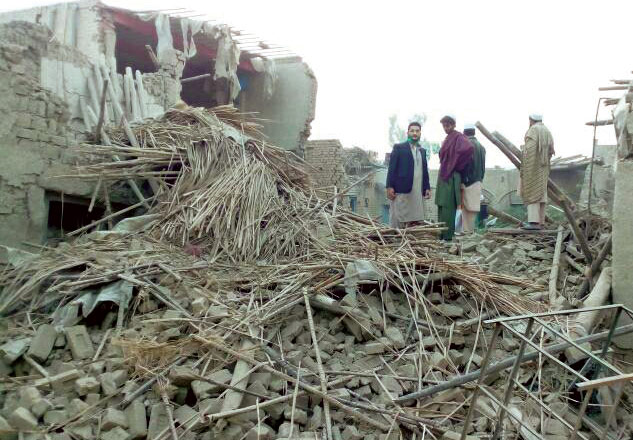
 geographical imaginations